When choosing the best ceiling fan for your home, understanding the options is essential. In the debate of AC vs. DC ceiling fans, many ask, "what is the difference between AC and DC ceiling fans?" According to John Smith, a seasoned expert in home ventilation, "AC fans are traditional, while DC fans are more efficient." His insight highlights key distinctions influencing consumers' decisions.
AC ceiling fans operate on alternating current, often using more energy. They typically have higher power consumption, which may increase your electricity bill. DC ceiling fans, however, run on direct current. This means they consume less energy and can be quieter and more efficient. As energy prices rise, this difference becomes crucial.
The choice between AC and DC is not merely technical. Aesthetics and functionality matter too. Many modern designs cater to consumer preferences, providing style options with energy efficiency. Reflecting on personal needs and specific environments is vital. Emphasizing these factors can lead to more satisfactory choices and ultimately benefit your living space.
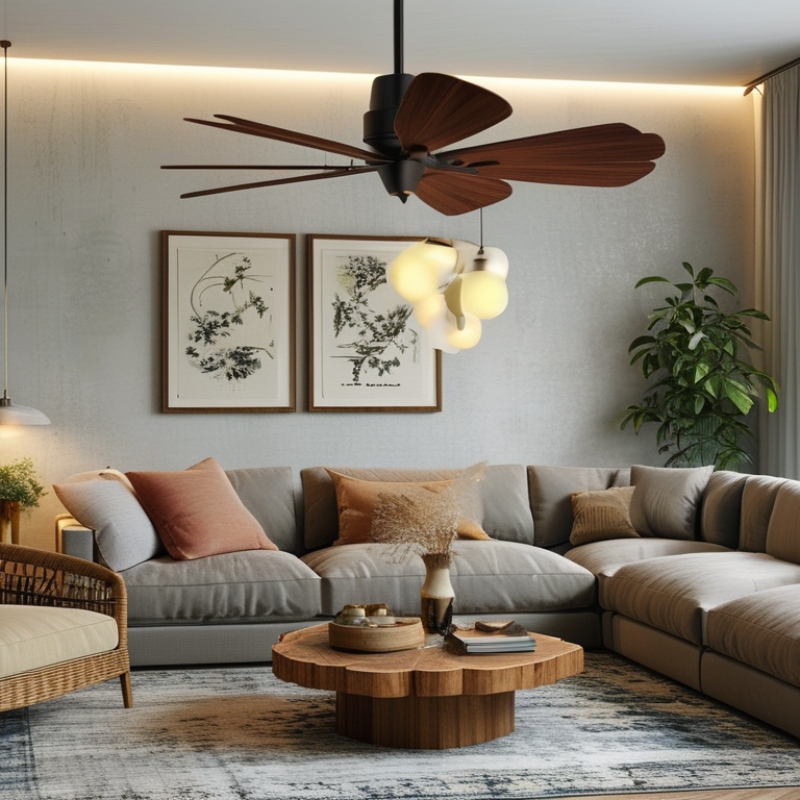
Understanding AC and DC Ceiling Fans: Key Differences Explained
When choosing between AC and DC ceiling fans, understanding the key differences is essential. AC fans have been popular for decades and typically generate more airflow. They operate on alternating current, and their motors are generally larger and noisier. According to a recent industry report, AC fans can use up to 25% more energy than their DC counterparts, which can lead to higher electricity bills over time.
On the other hand, DC ceiling fans are known for their energy efficiency. They utilize direct current, allowing them to move air more quietly and effectively. Reports indicate that DC fans can save up to 70% more energy compared to traditional AC fans. This is significant, especially for homeowners looking to reduce their carbon footprint. Additionally, they often come with more speed settings, offering better control over airflow.
However, there are some drawbacks to consider. The upfront cost of DC fans is generally higher than that of AC fans. Some users may question the long-term benefits. While the energy savings are appealing, it may take several years to recover the initial investment. This can leave some consumers pondering which type truly offers the best value in the long run.
2026 Best AC vs DC Ceiling Fans
Advantages of AC Ceiling Fans: Pros and Cons for Your Home
When considering ceiling fans for your home, AC models present both appealing advantages and notable disadvantages. AC ceiling fans generally provide strong airflow. They can effectively circulate air in larger rooms. According to the Energy Information Administration, proper ceiling fan usage can reduce air conditioning costs by approximately 12%. This energy efficiency could significantly lower utility bills.
However, AC fans tend to consume more energy than their DC counterparts. An average AC fan uses about 70-90 watts per hour, while DC fans only need 30-50 watts for the same performance. This factor can raise energy bills over time. Additionally, AC fans can be more complex in terms of installation. Homeowners may need professional help, which adds to costs.
Noise levels can also be a concern. AC ceiling fans often operate with more noise due to their motor design. This might disrupt quiet evenings at home. Ultimately, while AC ceiling fans offer good air circulation, weighing the trade-offs against your specific needs is crucial. A fan that seems ideal may not suit every space or lifestyle.
Benefits of DC Ceiling Fans: Energy Efficiency and Performance
When considering ceiling fans, DC fans stand out for their energy efficiency. They consume significantly less electricity compared to traditional AC models. A typical DC fan uses up to 70% less energy, translating to lower utility bills. This efficiency not only benefits your wallet but also reduces your carbon footprint. Many households find that over time, the initial investment in a DC fan pays off through savings.
In terms of performance, DC fans offer quieter operation and smoother airflow. They can operate at various speeds, allowing for greater comfort in different environments. This versatility makes them well-suited for bedrooms and living areas. However, not everyone recognizes the benefits. Some users may feel that conventional AC fans are just fine. They may not appreciate the difference in airflow quality or performance.
DC fans often come with remote controls for added convenience. Some models even feature smart technology, enabling you to adjust settings from your smartphone. While these advancements enhance ease of use, they may introduce complexities that frustrate less tech-savvy users. Certain individuals might also be hesitant to transition due to unfamiliarity with new technologies. Despite these concerns, the benefits of energy efficiency and superior performance in DC ceiling fans are compelling.
2026 Best AC vs DC Ceiling Fans - Energy Efficiency and Performance Comparison
| Fan Type |
Energy Efficiency (Wattage) |
Airflow (CFM) |
Noise Level (dB) |
Average Lifespan (Years) |
| AC Ceiling Fan |
70-100 Watts |
4000-6000 CFM |
50-60 dB |
8-15 Years |
| DC Ceiling Fan |
25-45 Watts |
5000-9000 CFM |
30-40 dB |
15-30 Years |
Factors to Consider When Choosing Between AC and DC Fans
When choosing between AC and DC ceiling fans, there are several key factors to consider. AC fans are traditional and widely available. They tend to be more affordable upfront. However, they may consume more energy over time. This can lead to higher electricity bills. DC fans, on the other hand, use advanced technology. They are usually more energy-efficient and quieter. This could make them a better long-term investment for your home.
Noise level is another important aspect. DC fans generally operate more silently, which is ideal for bedrooms. This can greatly improve comfort during sleep. Consider the airflow requirements as well. Some spaces need greater airflow, and certain DC fans can deliver that without excessive noise. Maintenance is another factor. AC fans often require more frequent attention, while DC fans usually need less.
Placement in your home matters too. Higher ceilings may benefit from AC fans. They can provide ample airflow. Low ceilings might work better with DC fans due to their sleek design. It’s important to think about aesthetics as well. DC fans often come with stylish designs, enhancing your interior. Balancing design and functionality can be challenging, but it's crucial for a satisfying home environment.
Popular Brands and Models: Best Options for 2026 Ceiling Fans
When considering ceiling fans for 2026, consumers often find themselves torn between AC and DC models. Recent industry reports indicate that DC fans provide greater energy efficiency, consuming up to 70% less energy than traditional AC models. This is significant for homeowners seeking to keep electricity costs low while staying comfortable.
Popular brands have embraced this trend. Many offer innovative designs that blend aesthetics with functionality. A sleek DC fan can lower your energy bill while enhancing room décor. Reports show that over 60% of buyers prefer energy-efficient options, demonstrating a shift towards more sustainable home practices.
Tips: When choosing a ceiling fan, consider the size of your room. Larger spaces may require more robust airflow. Check the fan's ETL listing for safety and efficiency ratings to ensure reliability. Also, think about your location; humid environments may benefit from models designed to withstand moisture.
Ultimately, selecting the right ceiling fan depends on balancing efficiency, style, and room characteristics. Remember, not all fans suit every space. It may take time to find your perfect match. Adjusting to new technologies can be challenging, yet worthwhile in the long run.
FAQS
AC fans use about 70-90 watts per hour. In contrast, DC fans only need 30-50 watts.
Yes, they can consume more energy, leading to higher bills over time. Installation may also be complex.
AC fans are generally noisier due to their motor design. This may disrupt quiet evenings at home.
DC fans consume up to 70% less electricity than AC models, resulting in lower utility bills.
While they offer smoother airflow, some may not notice the difference compared to AC fans.
Many DC fans come with remote controls or smart technology. This can be frustrating for less tech-savvy users.
AC fans often need more frequent maintenance. DC fans generally require less attention over time.
Higher ceilings benefit from AC fans for airflow, while low ceilings might match better with the sleek design of DC fans.
It's crucial to balance design and functionality. Stylish DC fans enhance interiors, but personal style varies.
Conclusion
In the debate of ceiling fans, one often wonders, "what is the difference between AC and DC ceiling fans?" The primary distinction lies in their motor technology: AC (Alternating Current) fans use traditional electric motors, while DC (Direct Current) fans utilize more advanced, energy-efficient motors. This difference affects energy consumption, with DC fans typically offering better efficiency and lower operational costs.
When considering ceiling fans for 2026, it's important to weigh the advantages of both types. AC fans are generally more affordable and common, but DC fans stand out with their quieter operation and enhanced performance. Other factors to consider include energy efficiency, installation requirements, and aesthetic options. Evaluating these criteria will help you make an informed decision on the best ceiling fan for your home.

 Fanpro Light