High-Efficiency HVLS and Commercial Fans Engineered for Maximum Airflow
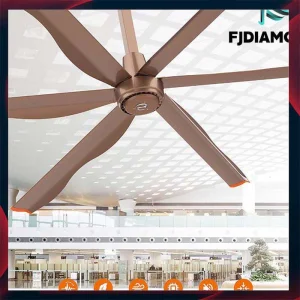
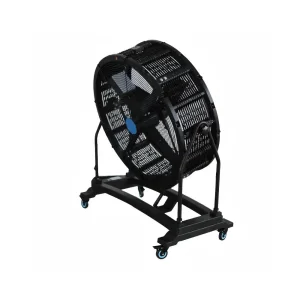
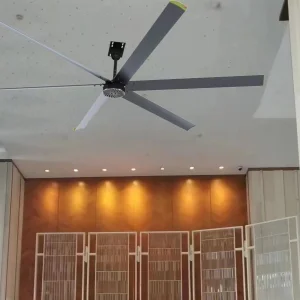
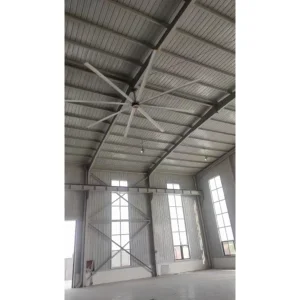
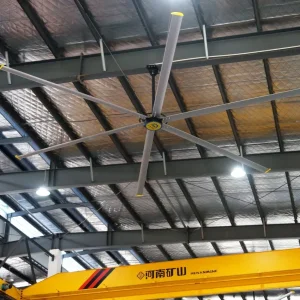
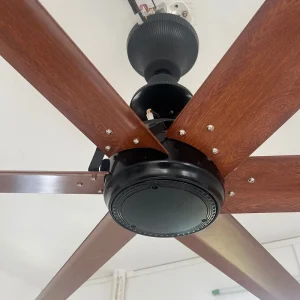
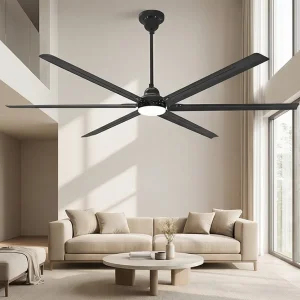
Modern commercial and industrial spaces face an unprecedented challenge: balancing operational thermal comfort with aggressive environmental sustainability and energy reduction directives. As energy costs surge globally, relying solely on traditional HVAC compressor cooling has become economically and environmentally unsustainable. This is where HVLS (High Volume, Low Speed) technology comes into play.
The global commercial ceiling fan market is undergoing a rapid transition from basic air-movers to highly sophisticated architectural installations. Historically, ventilation focused simply on localized air movement. Today's commercial ceiling fans act as core components of integrated building management plans, offering a micro-climate control layer that optimizes humidity, mitigates safety hazards like Sweat Slab Syndrome (SSS), and dramatically slashes thermal stratification loss in high-ceiling structures.
Analyzing the structural shifts in motor topography, acoustics, and smart systems
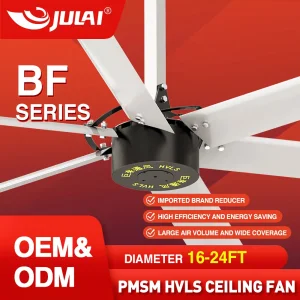
The defining technological leap of the current decade in commercial fan design is the elimination of the mechanical gearbox in favor of PMSM (Permanent Magnet Synchronous Motor) Direct-Drive technology. By deploying rare-earth neodymium permanent magnets directly on the rotor, manufacturers have eliminated gear friction, mechanical backlash, oil leaks, and high-frequency wear cycles.
In terms of aerodynamics, modern fan blades are no longer flat aluminum sheets. High-performance models deploy advanced airfoil profiles derived from aviation engineering. These blades utilize variable pitch angles along the length of the span to guarantee uniform downward air pressure, minimizing the "dead zone" directly underneath the fan hub while eliminating turbulent air spillways at the blade tips via winglets.
| Performance Characteristic | PMSM Direct-Drive Technology | Traditional AC Gearbox Motors | Operational Impact |
|---|---|---|---|
| Mechanical Efficiency | 92% – 95% (Highly efficient, no drive-train loss) | 75% – 82% (Significant friction & heat loss) | Lowers base electrical consumption & carbon foot print |
| Acoustic Output | < 38 dBA (Quiet for office, retail, & gym use) | > 55 dBA (Noticeable gear hum, mechanical vibration) | Enhances occupant comfort, allows placement in quiet spaces |
| Maintenance Profile | Lubrication-free for life; no gear wear parts | Requires regular oil replacement & seal inspections | Reduces operational downtime and high-ceiling labor costs |
| Torque Density | Extremely high torque at low rotational velocities | Relies on gear ratio reduction to achieve target torque | Safer operations with rapid start/stop capacity |
| Aviation Aerodynamics | Integrated with dynamic airfoils & winglets | Standard straight extruded aluminum blades | Increases boundary layer displacement, preventing air stagnation |
Tailoring airflow solutions to meet distinct commercial, industrial, and public requirements
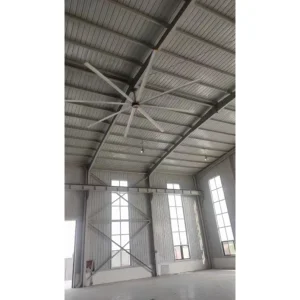
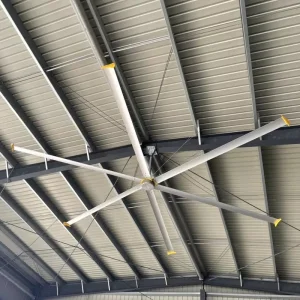
High-ceiling distribution hubs suffer from thermal stratification, where hot air sits at the ceiling while cold air pools on the floor. HVLS fans systematically destratify the air column, ensuring consistent temperature fields from floor to ceiling. This prevents condensation from ruining stored inventory and eliminates hazardous "sweating slabs".
Gym environments require high air circulation velocities to accelerate sweat evaporation and maintain high indoor air quality (IAQ) without creating drafty, uncomfortable zones. Using quiet PMSM fans delivers high cooling airspeeds up to 1.5 m/s, dropping the perceived temperature by up to 5°C with near-zero motor noise.
Heavy machinery and industrial processes create concentrated heat islands. Strategically placed commercial fans circulate these high-temperature zones, diluting airborne particulate matter, balancing localized humidity levels, and preventing heat-related fatigue in production personnel.
Dongguan Fanpro Light Co., Ltd. is a professional ceiling fan manufacturer specializing in the design, development, and production of smart ceiling fans, DC motor ceiling fans, and energy-efficient air circulation solutions for residential, commercial, and hospitality applications. Established in 2012, the company is located in Dongguan, Guangdong, one of China's leading manufacturing hubs, providing convenient access to global logistics networks and supply chains.
With a modern production facility covering more than 12,000 square meters and a workforce of over 180 skilled employees, Fanpro Light integrates product design, engineering, manufacturing, quality control, and international sales under one roof. The company operates multiple assembly lines and testing laboratories to ensure consistent product performance, durability, safety, and compliance with international standards.
Fanpro Light offers a comprehensive range of ceiling fan solutions, including smart WiFi ceiling fans, DC motor ceiling fans, ceiling fans with LED lighting, low-profile ceiling fans, decorative ceiling fans, outdoor ceiling fans, and commercial air movement systems. The company continuously invests in motor technology, energy-saving innovations, and intelligent control systems to meet evolving market demands.
As an experienced OEM and ODM manufacturing partner, Fanpro Light supports customers worldwide with customized designs, private labeling, packaging solutions, and product development services. Its products are exported to North America, Europe, Australia, Southeast Asia, the Middle East, and other international markets. Committed to quality, innovation, and long-term partnerships, Dongguan Fanpro Light Co., Ltd. strives to provide reliable ceiling fan products and flexible manufacturing solutions that help customers strengthen their competitiveness in the global marketplace.
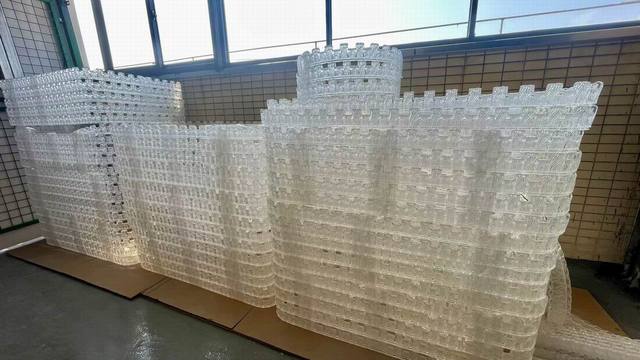
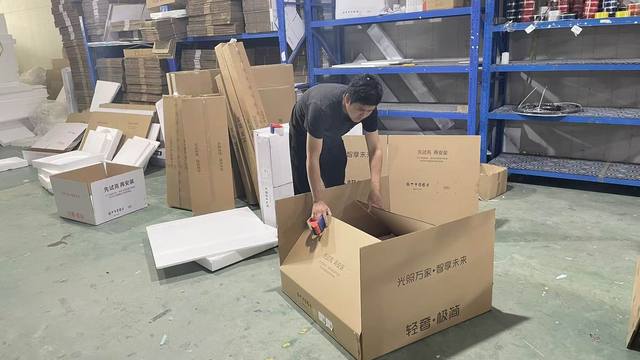
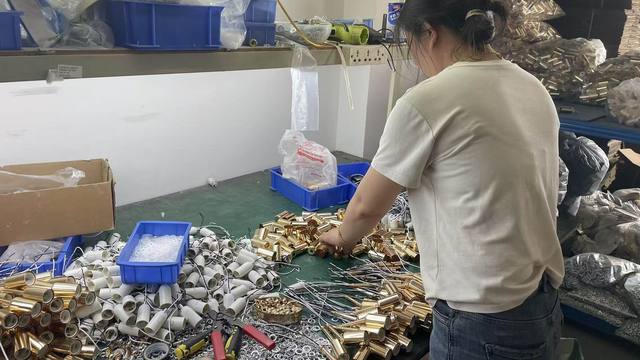
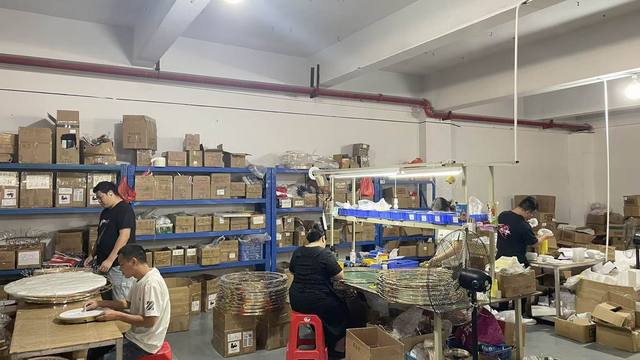
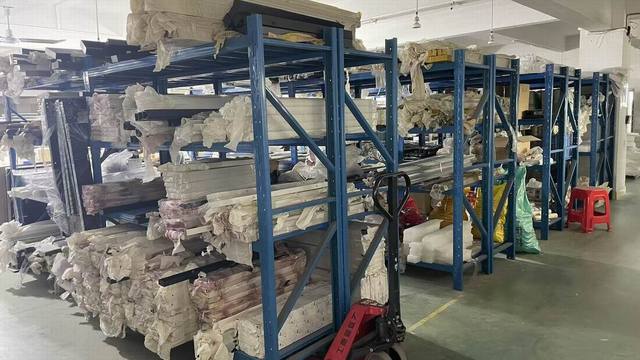
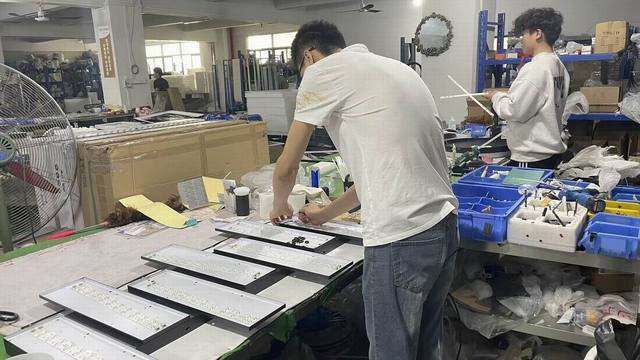
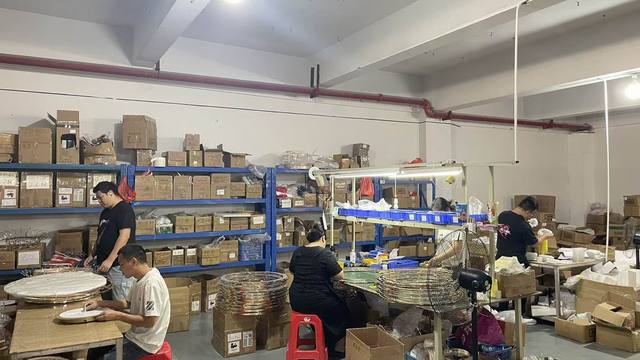
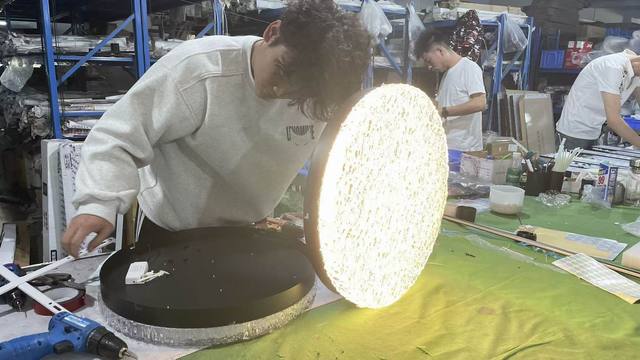
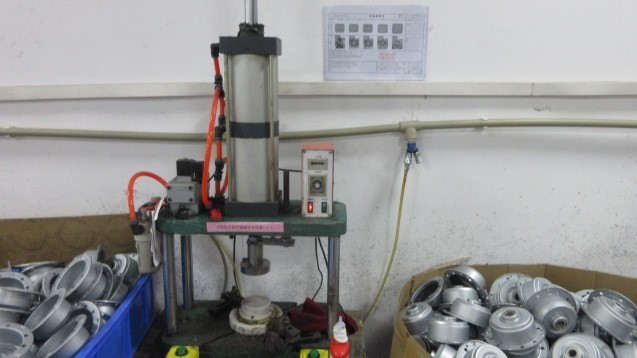
Our engineering and production operations adhere to ISO 9001 guidelines, conducting dynamic balancing testing, acoustic testing inside specialized anechoic chambers, and rigorous salt-spray corrosion tests for exterior-rated assemblies. See our manufacturing plant gallery below.

Calculating energy efficiency improvements, structural safety protocols, and ROI parameters
In high-ceiling industrial and commercial facilities, hot air naturally rises toward the roof (at a rate of roughly 0.5°C to 1°C per vertical meter). This results in a massive temperature gradient where the ceiling area is excessively warm while the floor (occupied zone) remains cold. The heating system works overtime to keep the floor comfortable, wasting energy through roof structural heat transfer. By moving massive amounts of air downward at low speed, commercial HVLS fans mix these thermal layers, maintaining a uniform indoor temperature. This reduces heating bills in winter by up to 45%.
Suspended heavy machinery requires safety systems designed to prevent failure. Advanced manufacturers integrate 4 distinct layers of physical safety protection:
Technical and practical guidance for facility managers and developers
PMSM (Permanent Magnet Synchronous Motor) Direct-Drive systems eliminate the physical gearbox entirely, utilizing permanent magnets to generate high torque at low speeds. This setup reduces friction, lowers noise levels below 38 dBA, requires zero lubrication maintenance, and operates at higher electrical efficiency than traditional AC induction gearbox designs.
In summer, air movement creates an evaporative wind-chill cooling effect on human skin, allowing facility operators to raise the HVAC thermostat set-point by up to 3°C to 5°C without reducing occupant comfort. In winter, the fans run slowly in reverse or forward to destratify the air column, pushing trapped hot ceiling air down to the floor, reducing overall heating demand by up to 45%.
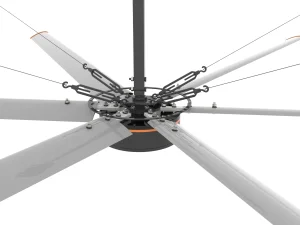
High-end manufacturers include dynamic steel guy-wire stabilizer cables, secondary safety loops that bypass structural mounting hardware, blade-to-hub security locks, anti-drop shaft assemblies, and integrated sensors that immediately cut motor power when sudden vibration or high-impact anomalies are detected.
Sweat Slab Syndrome occurs when warm, humid air comes into contact with a cold concrete floor slab, causing moisture condensation that creates slip hazards. By continuously circulating air and maintaining consistent temperatures, HVLS fans keep slab temperatures aligned with ambient dew points, preventing moisture condensation.
Choosing the right fan depends on ceiling height, floor obstruction profiles, and total floor area. Typically, high-ceiling spaces like warehouses use fans ranging from 12FT to 24FT. Small commercial businesses, showrooms, or fitness facilities with lower ceilings may opt for smaller footprints (8FT to 12FT) to ensure effective cooling coverage without causing excessive local drafts.
Explore Our High-Durability Ventilation Designs & PMSM Systems
 Fanpro Light