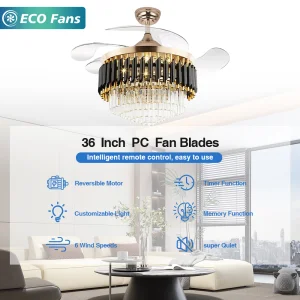
In the modern construction and architectural landscape, HVAC systems consume upwards of 40% of a building's overall energy budget. As global energy standards like the European Union's ErP Directive and the United States' Department of Energy (DOE) micro-efficiency regulations tighten, procurement managers, structural engineers, and hospitality developers are seeking sustainable thermal comfort solutions. Finding a premier indoor ceiling fan exporter is no longer merely a procurement task; it is a critical step in architectural thermal management.
Traditional heating and cooling configurations operate under the assumption that ambient cooling must rely solely on refrigerant-based air conditioning. However, integrating engineered air circulation devices can lower the perceived temperature by 3°C to 5°C through the wind-chill effect, allowing AC set points to be raised. This dynamic shift represents a major source of energy savings, reducing mechanical load and preventing structural heat pockets.
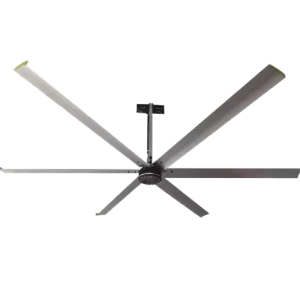
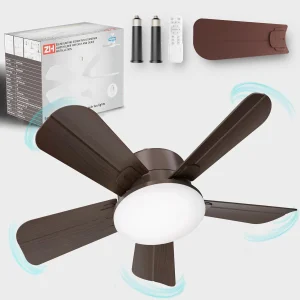
As a premier manufacturing partner, Dongguan Fanpro Light Co., Ltd. approaches the global distribution of ventilation products with a focus on compliance, engineering excellence, and material innovation. Whether deploying a low-profile residential 52-inch smart fan or a massive 24-foot High-Volume Low-Speed (HVLS) fan in semi-outdoor logistics bays, our mission is to deliver measurable performance improvements.
Understanding the core technologies behind modern ceiling fans is essential for quality-driven buyers. The industry has moved beyond traditional induction motors and basic pull-chain systems toward integrated building control networks.
Utilizes permanent magnets instead of electromagnetic stators, reducing power draw by up to 70% compared to standard AC induction motors. This technology operates cooler and provides higher torque-to-weight ratios, ensuring quiet operation below 35dB.
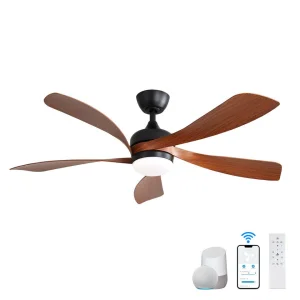
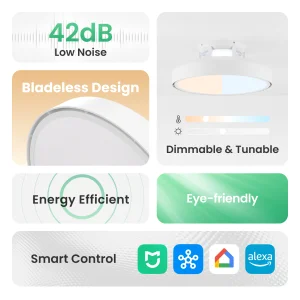
Our intelligent lines natively integrate with platforms like Tuya, Alexa, and Google Assistant. Smart programming allows the fan to automatically adjust speed based on real-time temperature, humidity, and room occupancy sensors.
Integrated luminaire systems feature correlated color temperature (CCT) switching from warm 3000K to cool 6000K, alongside flicker-free dimming. This provides high-quality light distribution without shadows or micro-stuttering.
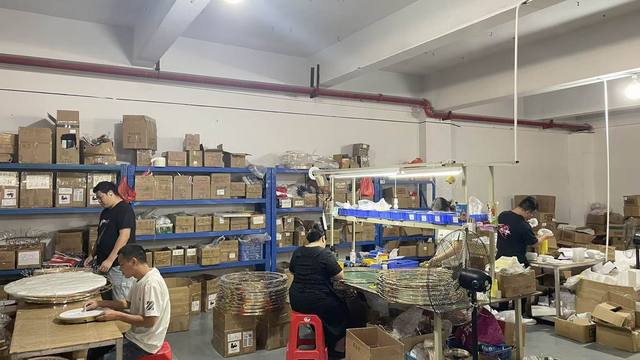
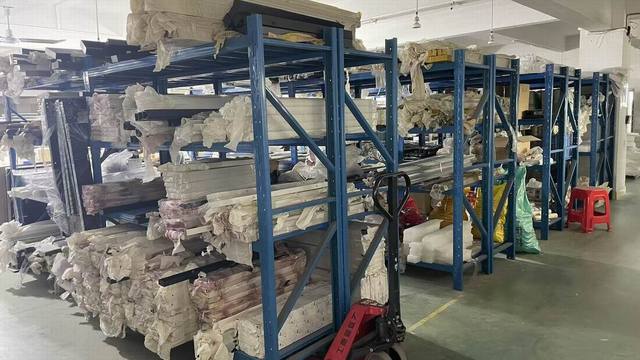
Global purchasing departments often face quality issues, delayed lead times, and communication gaps. Partnering with a professional indoor ceiling fan exporter located in the Pearl River Delta industrial hub helps mitigate these risks. Dongguan Fanpro Light Co., Ltd., established in 2012, utilizes the comprehensive component supply chain and advanced logistics infrastructure of Dongguan, Guangdong.
By sourcing copper wiring, cold-rolled silicon steel, high-precision ball bearings, and smart control units locally, we maintain a secure and cost-efficient raw material pipeline. This integration allows us to offer flexible, high-volume manufacturing solutions for global projects.
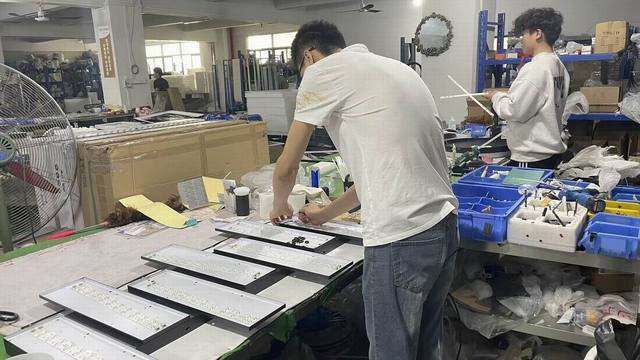
Factory Capabilities and Integrated Operations:
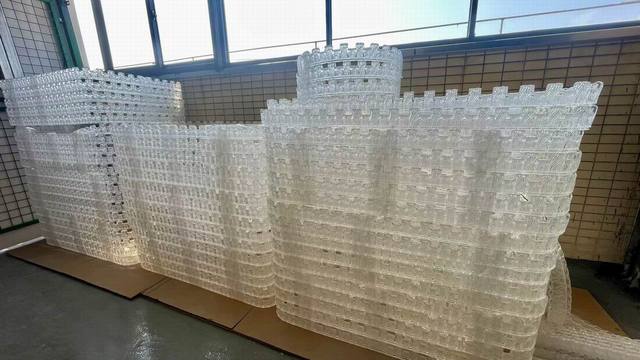
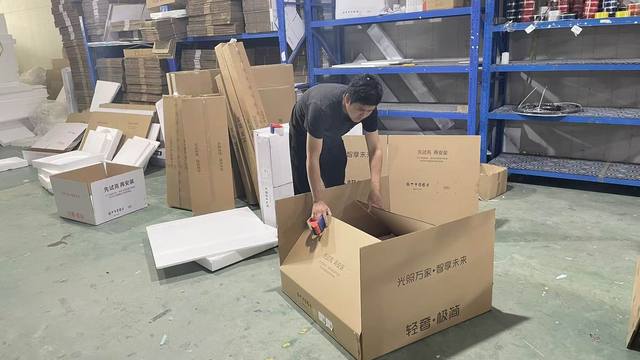
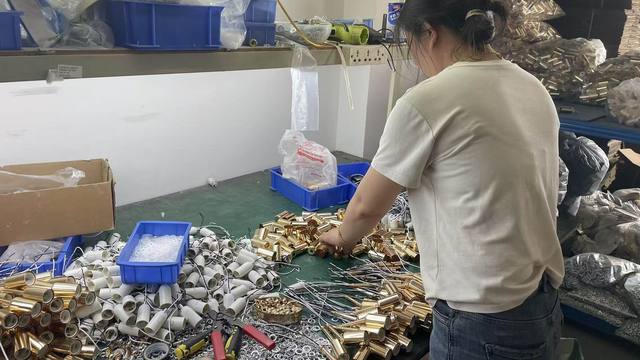
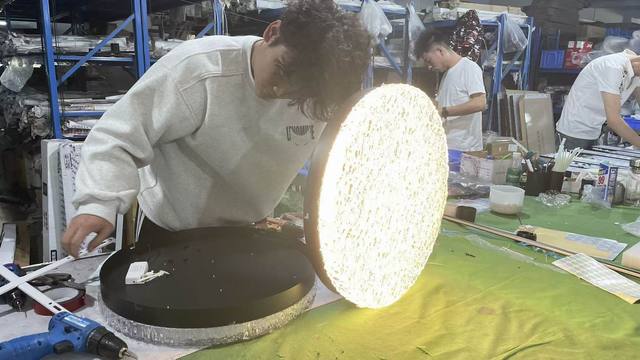
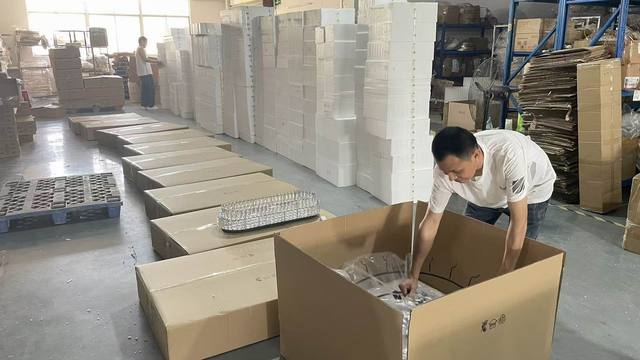
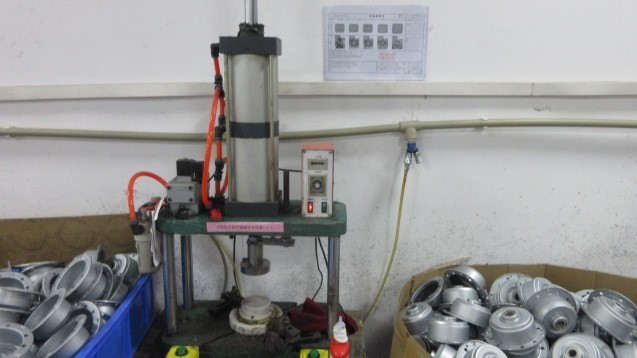
Industrial, commercial, and residential spaces have distinct ventilation requirements. Working with a skilled manufacturer allows for custom solutions that match the specific design criteria of different environments:
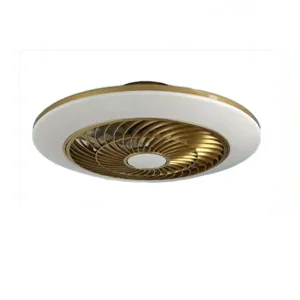
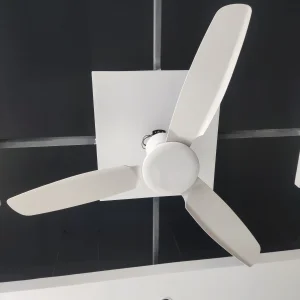
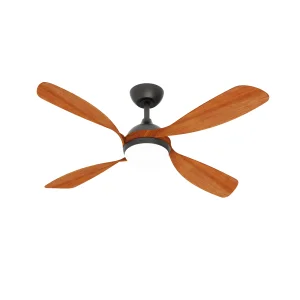
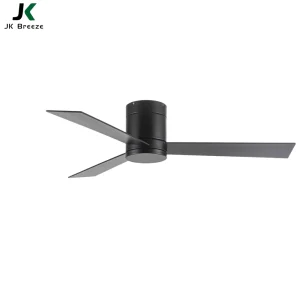
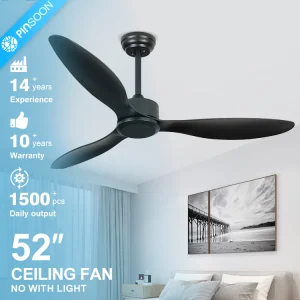
In modern apartments and villas, indoor ceiling fans must combine aesthetic appeal with low noise levels. Customers typically look for flush-mount profiles with high-grade plywood or ABS blades, integrated warm CCT LEDs, and DC motors that run quietly in bedrooms and living areas. Smart home integration (such as Tuya or Yeelight modules) allows for automated scheduling and convenient app-based control.
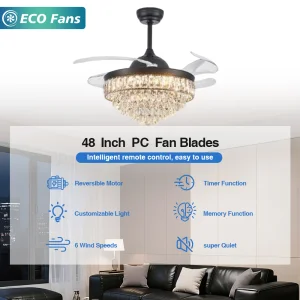
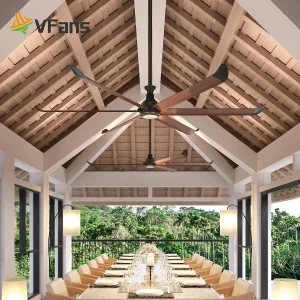
For hotels, restaurants, and office complexes, airflow solutions must look professional and operate reliably under high-duty cycles. European-style crystal accents, matte black finishes, and smart multi-fan management systems help property owners regulate indoor air circulation efficiently. Implementing smart-hub scheduled operations can reduce mechanical AC run times in large commercial spaces.
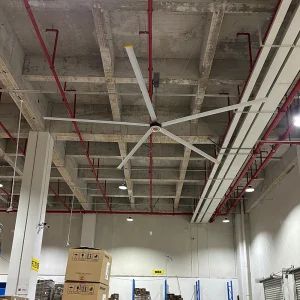
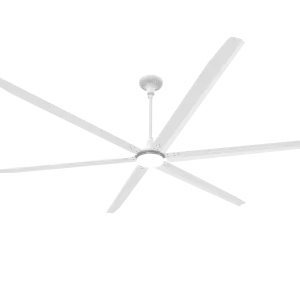
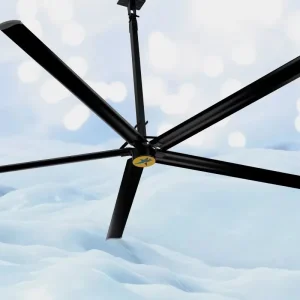
In warehouses, assembly floors, and logistics hubs, standard fans are not enough. Large-scale 24ft and 8ft HVLS industrial fans are designed to move massive volumes of air at low speeds, preventing humidity buildup and maintaining comfortable working conditions. These fans run on specialized high-torque DC motors, providing high energy savings for commercial facilities.
Exporting ceiling fans worldwide requires compliance with strict safety and performance standards. Global procurement managers must verify that manufacturers hold the appropriate certifications for their destination markets:
OEM and ODM Implementation Workflows:
At Dongguan Fanpro Light Co., Ltd., we support global partners through clear manufacturing milestones:
DC motors run on direct current, using permanent internal magnets to rotate the rotor. This design eliminates carbon brush friction and reduces electrical losses. AC motors run directly on alternating current, resulting in higher power consumption and louder operating noise. Under similar operating conditions, DC motors use up to 70% less energy, run quieter (below 35dB), and offer wider speed options (typically 6 speeds versus 3 speeds on AC).
We run an ISO 9001-certified factory in Dongguan. Our quality control system is integrated into every stage of production, including raw material inspection, automated motor winding, dynamic balancing tests, and electrical isolation checks. Every fan undergoes a final run test before packaging to ensure reliable performance.
Our control modules support Tuya Smart, SmartLife, Amazon Alexa, Google Assistant, and Siri Shortcuts. They connect via Wi-Fi (2.4GHz) or Zigbee protocols, allowing users to control speed, set schedules, dim LED lights, and change fan direction through voice commands or smartphones.
For standard designs with customized packaging or logos, our production lead time is typically 30 to 45 days after deposit confirmation. For custom ODM products requiring new injection molds or tooling, development takes between 60 and 90 days, which includes structural CAD design, prototyping, test runs, and certification.
 Fanpro Light