Explore our core engineering catalog optimized for high-velocity industrial, commercial, and architectural configurations.
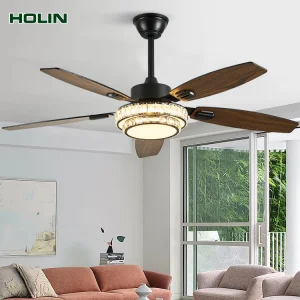
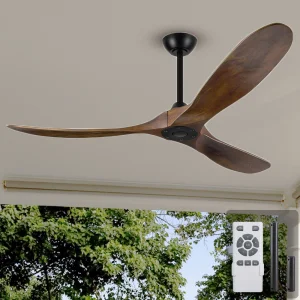
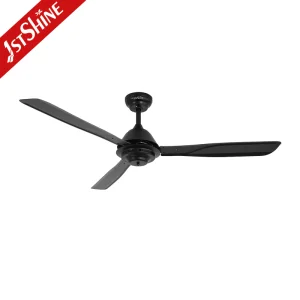
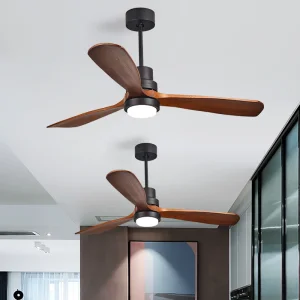
Understanding why industrial and commercial HVAC systems favor structural metals over plastics and wood.
In the global industrial sector, selection of air circulation equipment is a critical engineering decision that dictates energy efficiency, floor safety, and HVAC load balancing. As a premier metal blade ceiling fan supplier, Dongguan Fanpro Light Co., Ltd. analyzes procurement demands through a physical performance lens. The choice of blade material directly impacts the aerodynamic drag coefficient, mass moment of inertia, and long-term deformation resistance of the fan system.
| Performance Metrics | Aluminum & Magnesium Alloys | Stainless Steel / Structural Metal | Engineered ABS / Plastics | Natural Hardwood / Laminates |
|---|---|---|---|---|
| Tensile Strength (MPa) | 290 - 310 | 505 - 520 | 35 - 50 | 40 - 75 |
| Aerodynamic Deformation | Extremely Low (< 0.2%) | Zero Deformation under load | Medium (High risk at high temp) | High (Susceptible to humidity) |
| Corrosion Resistance | Excellent (Anodized Layer) | Excellent (Grade 304/316) | High (Degrades via UV) | Low (Vulnerable to rot/termites) |
| Optimal Blade Sweep Size | Up to 24ft / 7.3m | Up to 16ft / 4.9m | Up to 5.3ft / 1.6m | Up to 5.0ft / 1.5m |
Metal blade ceiling fans constructed from aircraft-grade aluminum extrusions or stainless steel are structurally engineered to deliver continuous laminar airflow. Standard residential ceiling fans utilizing polymer or thin timber blades undergo micro-bending under load, which compromises the blade pitch angle. This deformation changes the angle of attack, resulting in fluid turbulence, rotational wobble, and an exponential increase in power demand.
By contrast, precision-machined metal blades preserve their configured pitch across multiple speed levels. This ensures that the fan system operates at the highest possible Cubic Feet per Minute (CFM) output per Watt. For developers and factory builders, this structural rigidity allows for wider spans and steeper angles of attack, which translates to massive air volumes pushed smoothly toward the floor below.
Technical systems engineered for high performance, thermal efficiency, and minimal energy consumption.
Overcomes heat pockets in high-ceiling structures by blending thermal boundaries, cutting industrial HVAC winter heating costs by up to 30%.
Employs permanent-magnet brushless motors to achieve up to 80% motor efficiency compared to traditional shaded-pole induction AC motors.
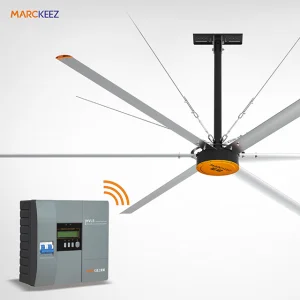
Supports BACnet, Modbus, and secure 2.4GHz WiFi systems for seamless automated plant integration and remote climatic scheduling.
Comprehensive layout strategies for heavy warehousing, automation spaces, and retail hubs.
Industrial settings present significant climatic challenges. Warehouses, automated fulfillment centers, and manufacturing plants with high ceilings suffer from intense heat buildup near the ceiling deck. In winter, this traps warm air up high, leaving cold pockets at floor level where workers operate. In summer, stagnant pockets of humid air can lead to condensation on inventory, a phenomenon known as Sweaty Slab Syndrome (SSS).
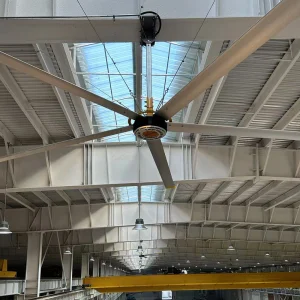
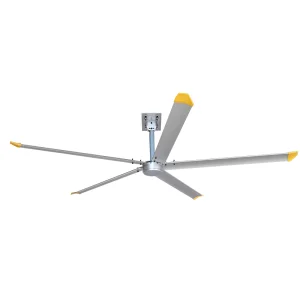
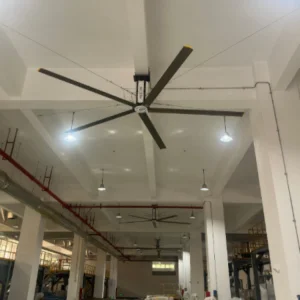
Dongguan Fanpro Light Co., Ltd. addresses these microclimatic challenges through custom-engineered metal blade ceiling fans. In large-scale logistics settings, installing large-diameter HVLS fans (with sizes ranging from 10 feet to 24 feet) forces warm air down in winter and creates a cooling breeze in summer.
By continuously circulating air, these fans keep floor slabs at the same temperature as the surrounding air, preventing condensation on concrete floors. This helps protect cardboard packaging from softening and prevents forklift slip hazards, making the workplace much safer.
A forward-looking perspective on next-generation aerodynamics, smart motors, and sustainability initiatives.
The development of metal blade fans is moving toward smarter, more efficient, and highly integrated ventilation systems. The technical roadmap at Dongguan Fanpro Light Co., Ltd. focuses on three core areas: advanced motor design, smart aerodynamics, and eco-friendly manufacturing.
Traditional AC motors suffer from high slip losses and rotor heating. Our future roadmap integrates sintered neodymium-iron-boron (NdFeB) magnets, which maximize torque density. By using advanced sinusoidal wave controllers (FOC), we can eliminate electromagnetic humming and achieve flat efficiency curves across all speeds.
Drawing inspiration from nature, our upcoming metal blade designs feature serrated trailing edges and modified winglets. These profiles break up larger vortex structures into smaller, weaker ones, reducing noise and power-robbing turbulence while increasing air throw.
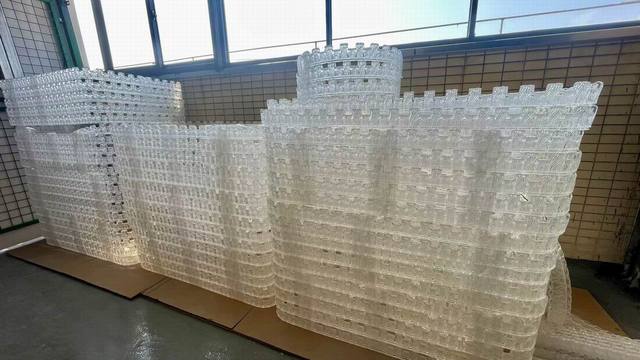
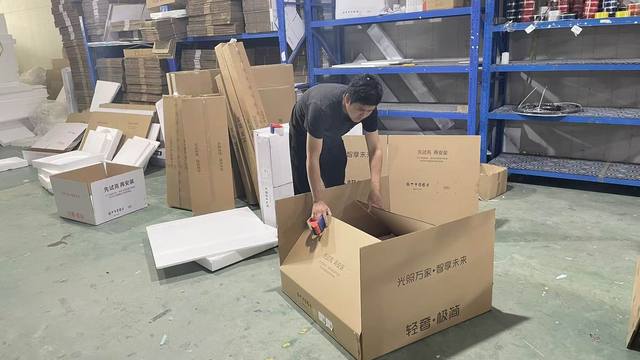
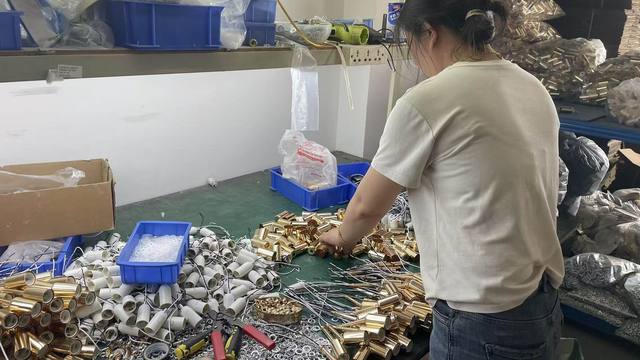
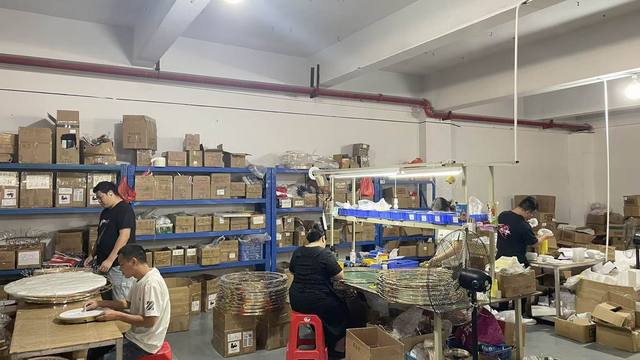
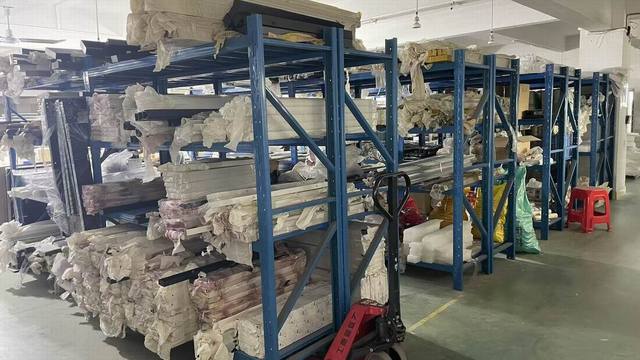
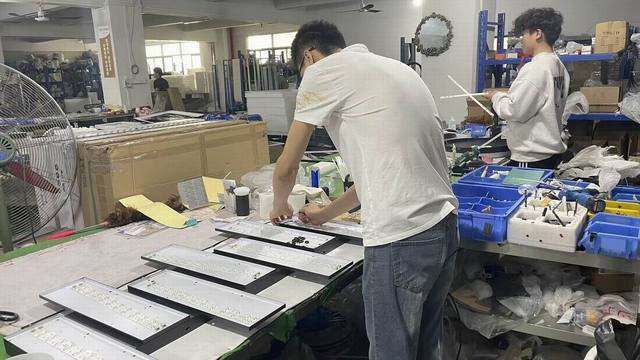
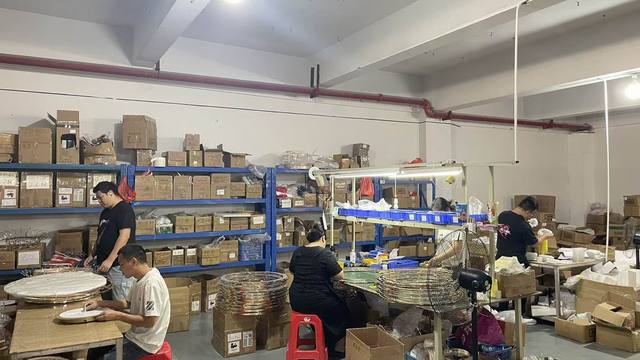
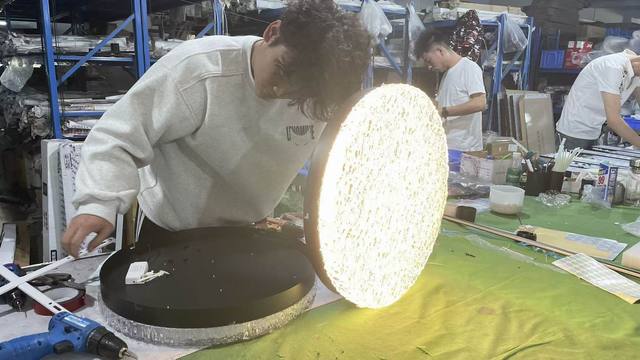
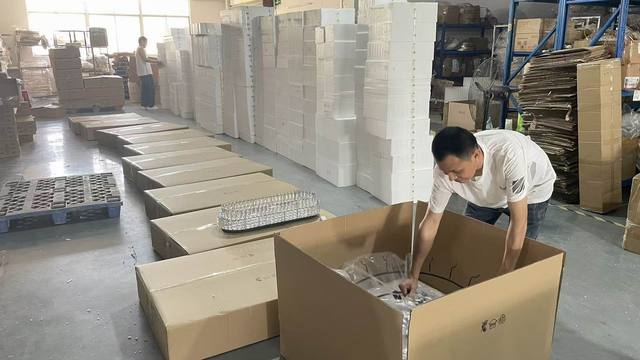
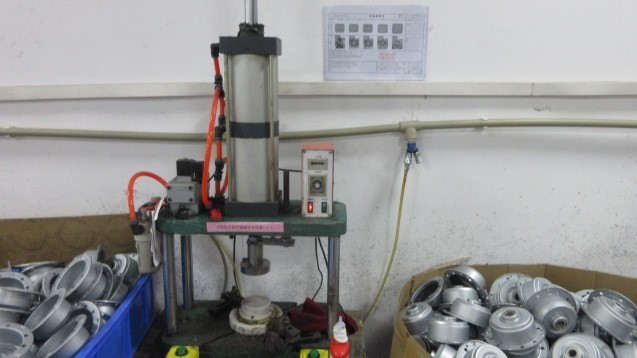
A look inside Dongguan Fanpro Light Co., Ltd.'s modern assembly and testing facilities.
Partnering with architects, developers, and distributors to meet specific project needs.
As a trusted OEM/ODM manufacturer, Dongguan Fanpro Light Co., Ltd. provides customized products that help brands and distributors win local market opportunities. With a 12,000 square meter facility and a dedicated engineering team, we assist clients from initial design concepts through to international safety certifications.
Different regions have distinct structural designs, voltage requirements, and safety regulations. That is why we offer tailored solutions to ensure compliance and seamless integration in any destination market.
We configure motors and control units to match regional standards, whether that is 120V/60Hz in North America or 230V/50Hz in Europe and Australia.
We offer full private labeling services, from custom brand logos on motor housings to tailored retail packaging and detailed instruction manuals.
We provide structural options for various ceiling types, including custom-length downrods for high ceilings and vibration-damping mount systems.
Maintaining safety and structural reliability under tough industrial operating conditions.
Metal blade ceiling fans operate at high rotational velocities and carry significant physical momentum. Therefore, maintaining strict manufacturing standards and safety measures is vital to ensure structural integrity and prevent accidents.
Every high-velocity industrial metal fan we manufacture is built with redundant safety features. Standard industrial safety systems require three main elements: first, a safety cable that connects the fan hub directly to the building's structural support beam; second, dynamic stabilization links that prevent wobble during wind gusts; and third, automatic safety shutoffs.
We test our blade designs extensively to resist material fatigue, using finite element analysis (FEA) to confirm they can withstand long hours of continuous operation. Our Quality Assurance lab runs automated tests on every motor and control system to guarantee reliable operation in challenging industrial environments.
| Safety Component | Technical Design Standard | Protective Function |
|---|---|---|
| Primary Steel Safety Cable | Aircraft-grade 304 Stainless, min. 6mm diameter | Prevents the fan assembly from falling in the event of primary bracket failure. |
| Aerodynamic Blade Tabs | High-yield steel safety clips | Secures individual metal blades to the motor hub assembly, preventing detachment. |
| Automatic Sensor Shutoff | Integrated accelerometer and gyro system | Instantly shuts down the motor if it detects structural shifts, impact, or severe balance issues. |
| Industrial-Grade Couplers | Tapered lock-pin shafts | Eliminates shaft slippage and dynamic resonance wobble during speed transitions. |
Addressing common questions regarding technical features, custom options, and installation setups.
Metal blades (typically aluminum or stainless steel) provide high tensile strength and rigidity, keeping their shape and pitch even under heavy loads. This ensures consistent airflow and prevents blade sagging or warping from changes in temperature and humidity, which often affects wood or ABS blades.
Brushless DC (BLDC) motors use permanent magnets rather than copper coils on the rotor. This design eliminates friction losses and heat buildup, cutting energy use by up to 50% to 70% compared to traditional AC induction motors, while also offering precise speed control.
A reliable supplier should offer multiple safety features, including a structural steel safety cable, dynamic balancing to prevent vibration, blade retaining clips, and automatic shutoff sensors that detect impact or excessive movement.
Yes. Dongguan Fanpro Light Co., Ltd. provides full OEM/ODM support, allowing you to customize blade profiles, sizes, motor configurations, mounting designs, and branding to fit your market requirements.
We manage all key processes at our 12,000 square meter factory in Dongguan, including design, tooling, CNC machining, balancing tests, and shipping. This helps us ensure consistent quality and provide reliable delivery schedules.
Our engineering team assesses the structural mounting details of each project. We utilize lightweight aluminum-magnesium alloys to keep the overall weight low, reducing load stress on roof frames and building structures.
For large industrial fans, the blades should be mounted at least 10 feet (3.05 meters) above the floor to ensure safe clearance, with a minimum distance of 3 feet from walls and other structural elements.
Running the fans at low speeds in reverse directs warm air accumulated near the ceiling down to the floor level. This evens out indoor temperatures, reducing heating system demand and lowering energy costs.
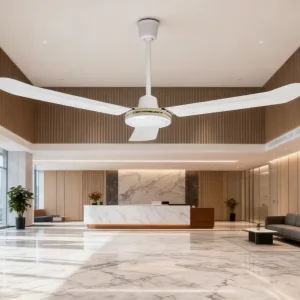
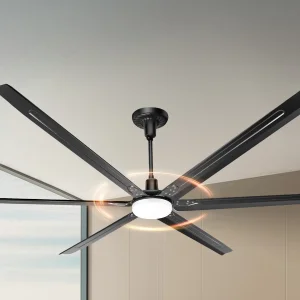
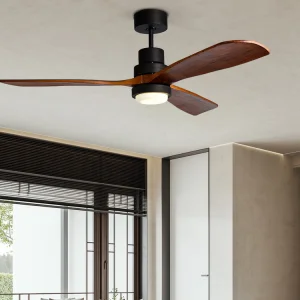
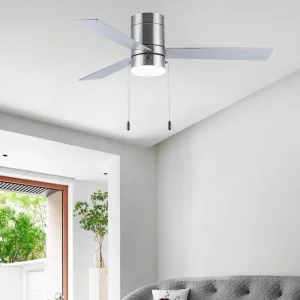
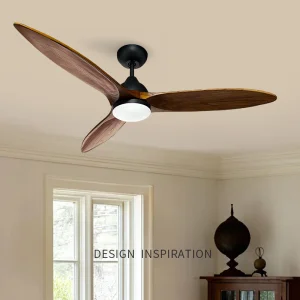
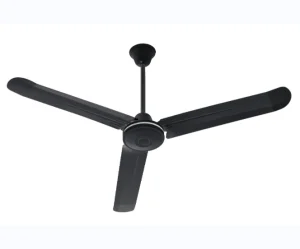
Large-format industrial and decorative metal ceiling fans configured for heavy-duty commercial environments.
 Fanpro Light