Balancing a ceiling fan is essential for it to function correctly. According to John Smith, a ceiling fan expert with over a decade of experience, “A well-balanced ceiling fan not only operates quietly but also enhances air circulation.” Many homeowners overlook the importance of knowing how to balance a ceiling fan. They may notice buzzing noises or uneven airflow, yet ignore these signs.
Achieving optimal performance from your ceiling fan can be a straightforward task. It requires some understanding and hands-on skills. Improper installation or weight distribution can lead to unnecessary problems. A balanced fan operates more efficiently, saving energy and prolonging its lifespan. The process might seem tedious, but the benefits are worthwhile.
Those who attempt this task often feel frustrated at first. Mistakes can happen, like improperly attaching blades or skipping necessary steps. Each attempt brings learning opportunities. Reflecting on these experiences can lead to a better approach. Mastering how to balance a ceiling fan is more than just an effort; it is a journey toward a more comfortable living space.
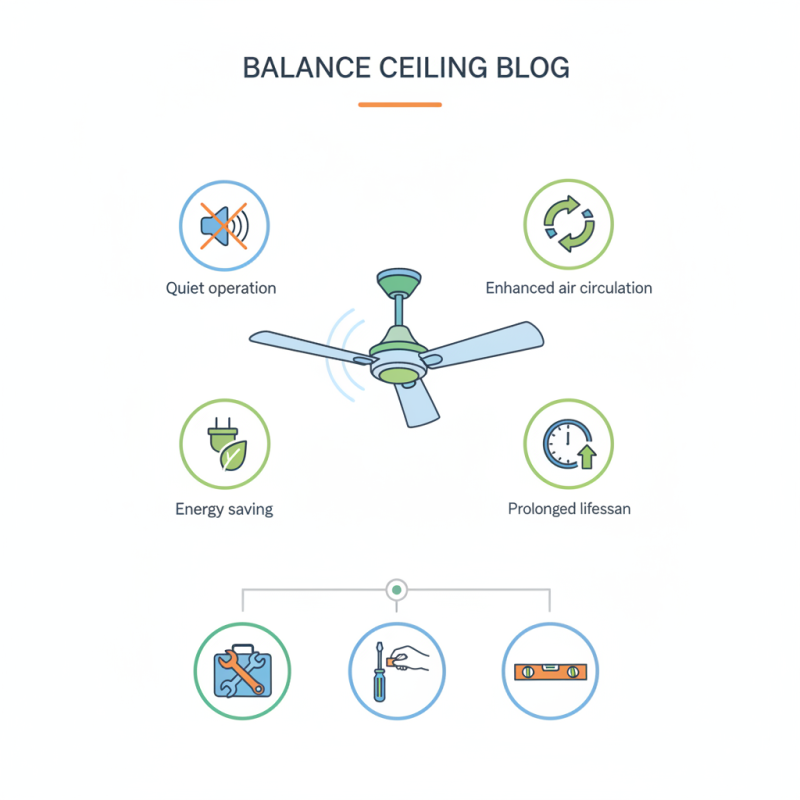
Balancing a ceiling fan is crucial for maximizing its efficiency and lifespan. An unbalanced fan can lead to unnecessary wear and tear. It may even cause annoying wobbling and noise. These issues distract from the comfort the fan is meant to provide. Understanding the importance of this balance can enhance your overall experience.
To achieve optimal performance, start by checking the fan blades. Ensure they are not bent or warped. An uneven blade can disrupt airflow, reducing efficiency. This simple observation often goes unnoticed. Adding weights or adjusting the blades can improve balance. If the fan continues to wobble, consult a professional for guidance.
Regular maintenance is key to a well-functioning ceiling fan. Dust and debris can accumulate, further complicating the balance. Cleaning the blades and ensuring they are free from obstructions can make a significant difference. Taking these steps might feel tedious, but they are essential for extending the fan's lifespan and ensuring your comfort.
An unbalanced ceiling fan can create various issues in your home. Common signs of imbalance include wobbling and uneven airflow. Studies indicate that up to 40% of ceiling fans experience imbalance, often affecting performance and comfort. Noise is another key indicator. If your fan produces unusual sounds, it might be time for an inspection.
Visual inspection offers a quick way to assess balance. Look for bent blades or loose screws, which can lead to uneven distribution of weight. It's essential to ensure that all blades are of equal length and securely attached. According to the U.S. Department of Energy, properly balanced fans can improve efficiency by up to 20%. This means less energy consumption and ultimately lower utility bills.
If you've adjusted the blades or tightened screws and the fan still wobbles, consider checking the mounting bracket. A misaligned bracket can lead to persistent balance issues. It’s also important to note that ceiling height may affect performance. The ideal distance from the floor is around 7 to 9 feet. If your fan is too low or too high, it may struggle to circulate air efficiently. Maintaining a balanced ceiling fan is crucial for optimal airflow and comfort in any room.
Balancing a ceiling fan is essential for optimal air circulation. An unbalanced fan can lead to unnecessary noise and increased energy consumption, with studies indicating that unbalanced fans can waste up to 30% more energy. Regular checks can enhance efficiency and prolong the fan's lifespan.
Begin by observing the fan’s operation. Does it wobble or make unusual noises? A slight tilt can disrupt airflow. Ensure the blades are clean and free of dust, as accumulated dirt can add weight unevenly. Use a yardstick to measure the distance from each blade to the ceiling. This can help identify any discrepancies.
Tips: Inspect blade attachment screws. Loose screws may cause instability. Tighten them gently but securely. If the fan still wobbles, try using blade weights for balancing. They can be affixed to the bottom of the blades.
Check the ceiling fan mounting hardware as well. Sometimes, loose connections at the ceiling can lead to balance issues. Regular maintenance can improve safety and efficiency. These small efforts can lead to bigger benefits, such as reduced energy bills and a quieter operation, essential for comfort in any room.
Properly adjusting the fan blades can significantly impact a ceiling fan’s performance. Over time, the fan blades may become unbalanced due to dust accumulation or wear. Even a slight tilt can cause the fan to wobble or operate inefficiently. Checking the alignment of the blades is a straightforward task that can lead to smoother airflow and improved energy efficiency.
To ensure optimal weight distribution, take a moment to inspect each blade. Use a level tool to measure their alignment. If one blade appears lower than the others, it can cause uneven airflow. Small adjustments can correct this imbalance. Loosen the blade screws slightly, adjust the angle, and then tighten them again. Regular checks and maintenance can create a more stable environment. This simple adjustment might seem minor, but its impact is significant.
Sometimes, uneven weight feels more pronounced after cleaning. Dusting can shift the blades. Remember that even slight changes in blade position can lead to issues. If a ceiling fan continues to vibrate despite adjustments, you might consider seeking professional help. Balancing blades is a mix of art and science. Keep an eye on how your fan operates, and don’t hesitate to make tweaks.
Maintaining a balanced ceiling fan is essential for optimal airflow and energy efficiency. A well-balanced fan reduces noise and extends its life. To achieve this, regular inspection is necessary. Check the screws and blades for any wear or looseness. Tighten screws if you notice any wobbling. Sometimes, dust buildup can also cause imbalance. A simple cleaning can do wonders.
You might wonder about the perfect balance. It’s not always straightforward. Each fan is unique, and environmental factors play a role. If your fan continues to wobble after adjustments, consider using a balancing kit. It’s a small investment for peace of mind. However, remember that not all solutions are perfect. Some fans may require professional help.
Always keep an eye on the fan's performance. Listen for unusual noises, as they can indicate deeper issues. Consistent monitoring helps you catch problems early. Reflection on what maintenance worked or didn't work is beneficial. It's an ongoing process that ensures your fan remains reliable and efficient.
: Balancing a ceiling fan maximizes efficiency and lifespan. An unbalanced fan causes wear and annoying wobbling.
Common signs include wobbling, uneven airflow, and unusual noise. If you notice these, inspect your fan.
Perform a visual inspection. Look for bent blades, loose screws, and ensure all blades are even and secure.
If the wobbling persists, check the mounting bracket. Misalignment can contribute to ongoing balance issues.
Dust accumulation can lead to imbalance. Regular cleaning keeps blades free from obstruction and maintains efficiency.
It’s wise to conduct regular checks, ideally every few months. Maintenance prevents wear and enhances performance.
The fan should be installed 7 to 9 feet from the floor. This height optimizes airflow and effectiveness.
Yes, small adjustments can significantly improve balance. Even minor tilts can influence airflow and energy efficiency.
If adjustments fail to resolve issues, seeking professional assistance is wise. They can address complex balance problems effectively.
Yes, studies show up to 40% of ceiling fans experience imbalance. It’s a common issue that affects performance and comfort.
Balancing a ceiling fan is essential for optimal performance, ensuring that it operates quietly and efficiently while extending its lifespan. Understanding the importance of balancing involves recognizing common signs of an unbalanced fan, such as wobbling or uneven airflow. To learn how to balance a ceiling fan, homeowners can follow a step-by-step guide that includes checking the fan blades for proper alignment and adjusting them as necessary.
The process involves ensuring proper weight distribution among the blades, which may require minor adjustments to achieve equilibrium. Regular maintenance tips can help keep the ceiling fan balanced over time, such as checking for loose screws and ensuring that no dust or debris has accumulated on the blades. By following these guidelines, you can enjoy the full benefits of your ceiling fan while minimizing noise and maximizing airflow.

Fanpro Light