Choosing the right ceiling fan height is crucial for achieving optimal airflow in your space. Many homeowners often overlook this aspect, yet it significantly impacts comfort and energy efficiency. According to the American Society of Heating, Refrigerating and Air-Conditioning Engineers (ASHRAE), proper fan height can enhance cooling efficiency by up to 25%. This highlights the importance of understanding what is the best ceiling fan height for your specific room dimensions.
Installing a ceiling fan too high can reduce its effectiveness. Fans should be ideally installed 7 to 9 feet above the floor. This height allows the fan to circulate air more effectively, ensuring that the breeze reaches occupants without creating a chill. Conversely, mounting a fan too low can cause discomfort and limit the airflow. It's essential to consider ceiling height and fan blade size for proper installation.
Even with regulations and expert recommendations, many consumers err in their choices. Some may rush the installation or rely on outdated guidelines. Understanding the relationship between ceiling height and fan performance is vital. Proper installation not only improves comfort but can also lead to energy savings. Recognizing what is the best ceiling fan height is a step toward a more efficient and enjoyable living environment.
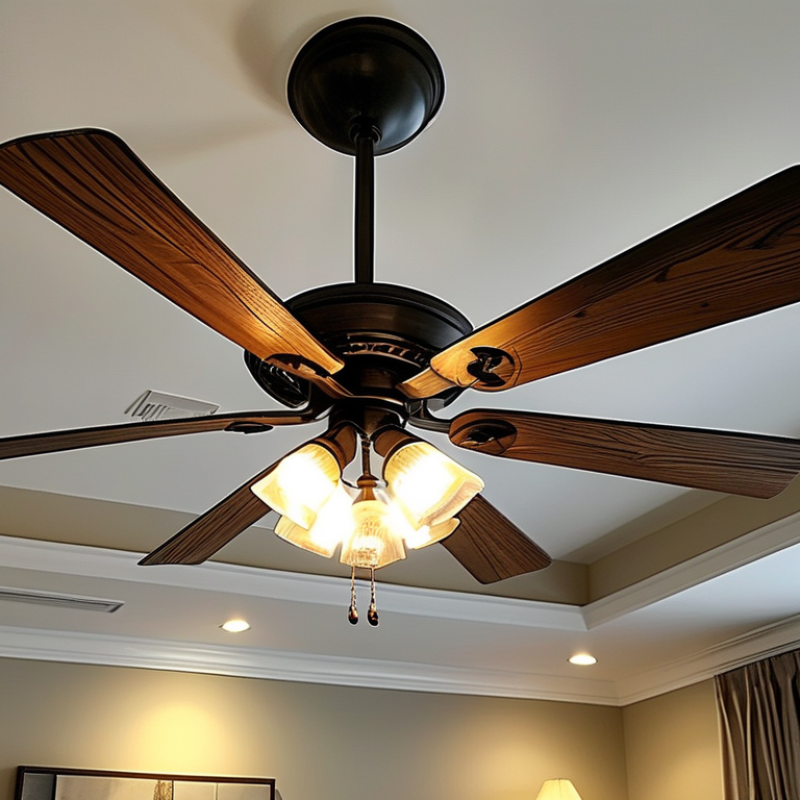
Determining the Ideal Ceiling Fan Height for Different Room Types
Choosing the right ceiling fan height is crucial for maximizing airflow in any space.
In living rooms with high ceilings, fans should be mounted higher to circulate air effectively.
A height of 8 to 9 feet above the floor is recommended for optimal performance.
This allows the fan blades to draw air from above, providing a refreshing breeze that cools the room.
For smaller rooms, like bedrooms, a lower ceiling fan height works best.
Ideally, fans should be installed 7 to 8 feet from the ground.
This positioning creates a direct flow of air, ensuring comfort while you sleep.
However, it’s important to avoid mounts that are too low, as they can impede movement.
Keeping the fan blades clear of walls or furniture is essential to prevent any obstacles.
Kitchens also offer unique challenges.
In this space, a lower mount can help with heat dissipation.
Yet, it’s wise to consider the layout.
For open kitchens, a height of around 8 feet can foster efficient circulation without overwhelming the area.
Balancing these factors can be tricky, and it often requires some trial and error to find the perfect fit for your specific environment.
Understanding Airflow Dynamics and Fan Positioning
When it comes to ceiling fans, height plays a crucial role in airflow dynamics. Installing your fan too high may diminish its effectiveness, while positioning it too low can lead to discomfort. The standard mounting height is typically between eight to nine feet from the floor. This range helps in distributing air evenly throughout the room.
Understanding the layout of your space is essential. High ceilings may benefit from a downrod to lower the fan and enhance airflow. Conversely, in low-ceiling rooms, a flush mount is a better choice. Factors like room size and furniture placement also play pivotal roles in how air circulates. Remember to consider obstructions like beams or fixtures that can disrupt airflow.
While guidelines exist, personal preference should not be overlooked. Some prefer a breeze from closer ceilings, while others enjoy a gentle draft from high ceilings. It might take some experimenting to find the perfect balance in your space. Don't hesitate to adjust the fan position or height to see what feels best. The goal is to create a comfortable atmosphere tailored to your needs.
Best Ceiling Fan Height for Optimal Airflow
This chart illustrates the relationship between ceiling fan height and airflow efficiency in cubic feet per minute (CFM). As the height increases from 7 feet to 11 feet, the airflow efficiency significantly rises, indicating the importance of proper fan positioning for optimal air circulation in your space.
Recommendations for Standard Ceiling Heights and Fan Installation
The ideal fan height can significantly impact airflow. Experts recommend that ceiling fans be installed 7 to 9 feet above the floor. This installation height allows optimal air circulation while ensuring safety. When ceilings are higher than 9 feet, it can lead to inefficient airflow. Studies show that fans circulating air near the floor can improve comfort levels by up to 20%.
For standard ceiling heights of 8 to 9 feet, a flush mount is often best. This minimizes the space between the fan blades and the ceiling, enhancing airflow efficiency. For ceilings over 9 feet, consider downrods. A downrod helps in positioning the blades within the optimal range. According to the American Society of Heating, Refrigerating and Air-Conditioning Engineers, improper mounting can reduce the fan's effectiveness by a significant margin.
Taller ceilings pose challenges. If a fan is mounted too high, it can create turbulence rather than effective airflow. This can lead to discomfort. Additionally, fans positioned incorrectly can lead to energy waste. Energy Star notes that poorly placed fans can increase energy bills, making correct installation critical. Always consider the room's specific needs when selecting fan height and installation method.
Adjustments for Sloped Ceilings and Unique Spaces
When installing a ceiling fan in a unique space with a sloped ceiling, specific adjustments are necessary for optimal airflow.
Fans designed for flat ceilings may not perform well in such settings. Ideally, the fan should hang at least 8 to 9 feet above the floor for effective circulation.
However, with sloped ceilings, the angle can impact this height.
Consider using a downrod that suits the slope's degree. This helps maintain the correct distance for optimal airflow.
If the fan is too high or too low, it can disrupt the intended air circulation. Some fans come with adjustable mounting options to accommodate various angles.
While this adds flexibility, it can also create confusion during installation.
It's essential to assess the room's layout. Your fan's position can influence air movement significantly.
Measure carefully and consider whether the fan will lead to dead zones in airflow.
If you find the fan’s performance lacking, don't hesitate to re-evaluate your installation choices.
Proper placement can enhance airflow and comfort, making your unique space more enjoyable.
Safety Considerations and Maintenance for Ceiling Fan Height
When considering ceiling fan height, safety and maintenance are crucial. According to the American Society of Heating, Refrigerating and Air-Conditioning Engineers (ASHRAE), the optimal height for ceiling fans is generally 8 to 9 feet above the floor. This height ensures a good airflow without creating potential hazards. Fans installed too high may not adequately circulate air, while those positioned too low could pose risks of injury or damage.
Regular maintenance is vital for safety. Dust accumulation on blades can impede airflow, causing a fan to work harder and consuming more energy. The Residential Energy Services Network recommends cleaning fans every six months. Furthermore, if a fan wobbles or makes noise, it may need adjustment. Not addressing these issues can lead to mechanical failures, which are not only inconvenient but can also lead to costly repairs.
Moreover, consider ceiling height in your space. Low ceilings may require flush mount fans to avoid safety hazards. Homes with higher ceilings might benefit from downrod installations to ensure optimal air flow. Not all installations are perfect, and sometimes adjustments are needed. Ignoring these factors can lead to dissatisfaction with airflow efficiency.
Conclusion
When considering what is the best ceiling fan height for your space, it is essential to factor in the type of room and its overall dimensions. Rooms with standard ceiling heights typically benefit from installing fans 8 to 9 feet above the floor to ensure optimal airflow. Understanding airflow dynamics is crucial, as the positioning of the fan can greatly influence air circulation.
For rooms with sloped ceilings or unique architectural features, adjustments in fan placement may be necessary to achieve effective airflow. Additionally, safety considerations, such as the distance of the fan from the ground and maintenance requirements, should be taken into account to ensure both functionality and safety. With these guidelines, you can create a comfortable environment that maximizes the efficiency of your ceiling fan.

 Fanpro Light