Understanding the optimal direction for your ceiling fan in winter is crucial for efficient home heating. According to a report by the American Society of Heating, Refrigerating and Air-Conditioning Engineers (ASHRAE), reversing the spin direction of ceiling fans can reduce heating costs by up to 15%. So, what direction should a ceiling fan spin in winter?
Expert Mark Smith, a renowned HVAC specialist, emphasizes, “In winter, a ceiling fan should rotate clockwise at a low speed.” This direction helps circulate warm air that collects near the ceiling, pushing it downward into the living space. Many homeowners overlook this simple trick, missing out on significant energy savings.
Ensuring that your ceiling fan operates correctly in winter can lead to a cozy and cost-effective home environment. While it seems straightforward, adjusting the fan direction often gets ignored, leading to higher energy bills. This winter, take a moment to check your fan and enjoy both comfort and efficiency.
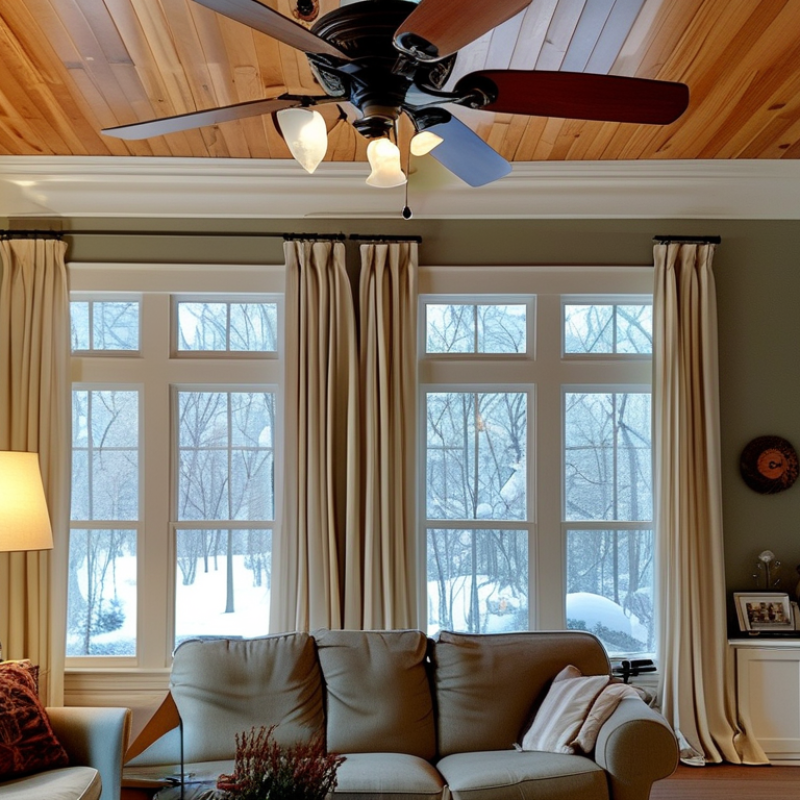
Understanding Ceiling Fan Direction for Efficient Winter Heating
When winter arrives, many homeowners might not realize the critical role ceiling fans play in heating efficiency. Understanding the optimal direction for your ceiling fan can enhance warmth and comfort. In winter, fans should rotate clockwise. This motion pushes warm air that rises back down, creating an even temperature throughout the room. According to the U.S. Department of Energy, using ceiling fans correctly can save 10-15% on heating costs.
A correctly set ceiling fan can make a significant difference. Research indicates that ceiling fans can reduce energy costs by up to 30% during colder months. The gentle downdraft of warm air can also eliminate cold spots, making your home feel cozier. However, many homeowners overlook this simple adjustment. Studies show that only 25% of consumers adjust their fan direction seasonally. Neglecting this simple action might result in added energy expenses and uncomfortable living spaces.
While some might explore more complex heating solutions, the benefits of ceiling fans are often underestimated. It's essential to remember that every home is unique. Not every space may respond to this change as expected. Therefore, homeowners should experiment with fan speed and position for personalized comfort. This reflection could lead to notable savings and enhanced winter warmth.
The Physics of Airflow: How Fans Impact Room Temperature Stability
Ceiling fans play a vital role in maintaining a comfortable indoor environment. During winter, it’s crucial for fans to rotate clockwise. This direction pushes warm air that rises back down toward the living space. Understanding this airflow is key to achieving better temperature stability. When warm air circulates evenly, it reduces cold spots in a room.
Tips: Adjust the fan speed to a low setting for optimal effect. This will prevent any uncomfortable drafts while promoting convection currents.
Another point to consider is fan maintenance. Dust buildup can hinder performance. Clean the blades regularly to ensure efficient airflow. Lack of upkeep might diminish the fan's effectiveness, leading to uneven heating.
Understanding the physics of airflow can lead to energy savings. For instance, using a fan correctly in winter allows for a lower thermostat setting. Additionally, consider placing an outdoor thermometer near your fan. This helps monitor airflow and its impact on your indoor temperature.
Recommended Fan Speed Settings for Optimal Winter Comfort
In winter, ceiling fans should spin clockwise. This direction helps to move warm air, created by heating systems, back down into the living space. Studies show that a properly set ceiling fan can improve heating efficiency by up to 10%. A gentle upward airflow helps distribute warmth evenly, making rooms feel cozier.
Recommended fan speed settings for winter use typically range from low to medium. Most experts suggest starting at a low speed to avoid drafts. The gentle upward circulation allows warm air to rise while keeping cold air at bay. According to the U.S. Department of Energy, using fans in winter can help save on energy costs. Adjusting to the right speed enhances comfort while minimizing energy use.
Many homeowners overlook the importance of fan direction. They often forget about this simple adjustment, impacting comfort levels. Experimenting with different speeds can lead to optimal warmth. Finding the sweet spot may take time, and some frustration is normal. The goal is to create a pleasant atmosphere while utilizing resources effectively.
Energy Savings: The Role of Ceiling Fans in Lowering Heating Costs
During winter, many overlook the power of ceiling fans. However, these fixtures can significantly reduce heating costs when used correctly. When the temperature drops, adjusting the fan to spin clockwise is crucial. This subtle shift helps to circulate warm air that naturally rises to the ceiling. By redistributing this warm air, homeowners can feel warmer and more comfortable without cranking up the thermostat.
Energy savings stem from this efficient air movement. A properly rotating ceiling fan can decrease reliance on heating systems. This can lead to noticeable reductions in energy bills over the winter months. It’s interesting to consider how such simple adjustments can lead to substantial savings both financially and environmentally. Yet, many people fail to make this change. They remain unaware, missing out on the full benefits of their ceiling fans.
These small adjustments require awareness and effort. Sometimes, it’s easy to forget about the ceiling fan altogether. But taking the time to set it correctly can lead to higher comfort levels in your home. It's a clear reminder that energy efficiency often lies in the details. By mindful engagement, homeowners can harness the full potential of their ceiling fans this winter.
Energy Savings: The Role of Ceiling Fans in Lowering Heating Costs in Winter
Using a ceiling fan in winter can help maintain a comfortable temperature and reduce heating costs. Maintaining a temperature setting of around 68°F while using a fan can lead to significant savings, up to 15% in heating costs.
Safety Considerations When Operating Fans in Cold Weather Conditions
In winter, ceiling fans can play a crucial role in maintaining a comfortable indoor environment. When operating in colder months, it is essential to set the fan to spin clockwise. This direction pushes warm air that rises back down into the living space, promoting a consistent temperature. According to the U.S. Department of Energy, using ceiling fans in this way can lead to energy savings of up to 15% on heating bills.
However, safety considerations must be at the forefront when using fans in winter. In colder conditions, light fixtures and materials may become brittle. If the fan is too close to these elements, the risk of damage or fire increases. Moreover, manufacturers recommend that fans be mounted securely. Loose installations can create hazards, especially as fans expand and contract with temperature changes.
Regular maintenance is key during the winter months. Dust accumulation on blades can impede performance, making the fan less effective. Cleaning twice a season is advisable. Inspecting the motor and components for wear and tear is also essential. Many homeowners overlook these tasks, which could result in reduced efficiency. Awareness of these safety measures ensures that ceiling fans provide comfort during the chilly season without compromising safety.
FAQS
: Ceiling fans should spin clockwise in winter. This circulates warm air downwards.
Proper fan direction redistributes warm air, reducing the need for heating. This can lower energy costs.
A low to medium speed is best for winter. It avoids drafts while circulating warm air effectively.
Many overlook fan direction changes. It's a simple adjustment that can significantly affect comfort.
Trying different speeds can help find the most comfortable setting. It may take time to achieve the best warmth.
Finding the right fan speed can be frustrating. It sometimes requires multiple adjustments to feel comfortable.
Correctly used ceiling fans can noticeably reduce heating costs. They help maintain warmth without raising the thermostat.
Being aware of fan settings helps homeowners utilize resources better. Mindfulness can lead to substantial comfort and savings.
Neglecting to adjust fans can lead to discomfort and higher energy bills. Small changes make a big difference.
Yes, using fans correctly can create a cozy environment. This enhances comfort while being energy-efficient.
Conclusion
Understanding what direction should a ceiling fan spin in winter is essential for maximizing heating efficiency in your home. In winter, fans should rotate clockwise to create an updraft that helps distribute warm air accumulated near the ceiling back down into the living space, leading to a more stable room temperature. This gentle circulation not only promotes comfort but also enhances the overall effectiveness of your heating system.
When it comes to optimal operation, using a lower fan speed is recommended to avoid creating a chilling breeze. Additionally, utilizing ceiling fans can contribute to significant energy savings by reducing reliance on central heating, ultimately lowering your heating costs during colder months. Safety also remains a priority, as proper operation guidelines should be followed to ensure fans function effectively in cold weather conditions without causing any hazards.

 Fanpro Light