When temperatures rise, comfort becomes a priority in our homes. One classic solution is the ceiling fan. However, many homeowners overlook a critical aspect: what direction should a ceiling fan spin in summer for optimal cool air? Understanding this simple yet essential detail can enhance your cooling experience significantly.
In the summer months, a ceiling fan should rotate counterclockwise. This direction pushes cool air downward, creating a wind-chill effect. The airflow feels refreshing on warm days. But not everyone knows this fact, which leads to inefficiencies. Some fans spin the wrong way, resulting in warmer air circulation. This can leave users feeling dissatisfied and frustrated.
Moreover, factors such as room size and fan speed may influence your comfort level. Sometimes, homeowners may ignore their fan's settings altogether, missing out on improved air circulation. Thus, it’s essential to regularly check and adjust your fan’s direction during the summer. By doing so, you can optimize your home’s cooling system and enjoy a more comfortable living space.
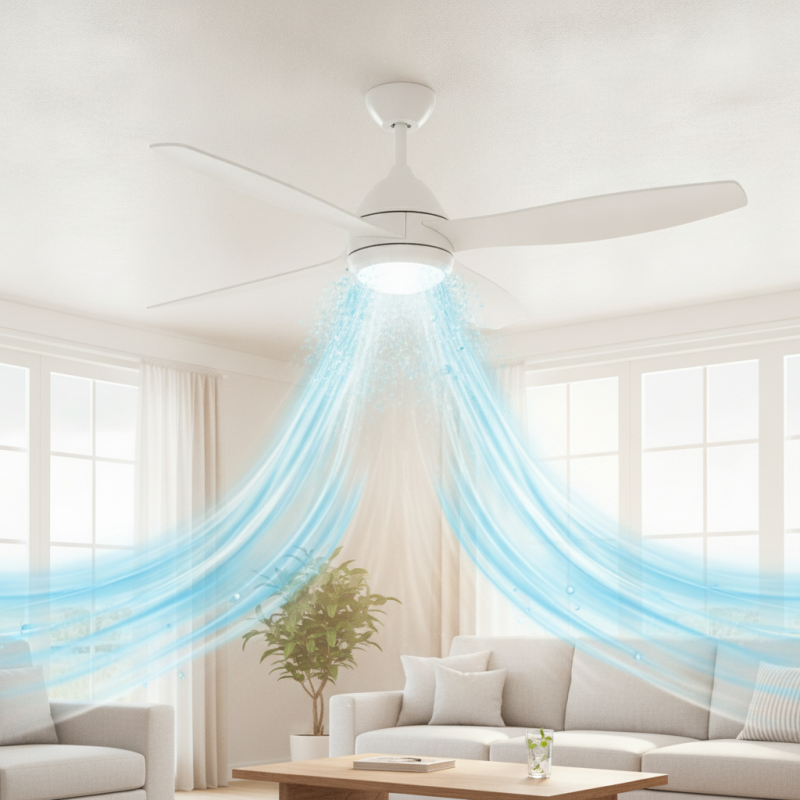
Ceiling fans are essential in creating a comfortable atmosphere during hot summer months. Understanding air circulation is key. Fans can blow air downwards, creating a wind-chill effect on your skin. In summer, setting the fan to rotate counterclockwise enhances this cooling effect. Cooler air is pushed down, providing relief on humid days.
It’s important to realize that not every space will feel comfortable with the same settings. Room size, furniture placement, and ceiling height can greatly affect airflow. Experimenting with different settings can lead to better comfort. If the fan spins too fast, it might create a draft that's too strong. Adjusting the speed can help find the perfect balance, making the air feel refreshing without overwhelming the space. Understanding these elements can lead to more effective air circulation and a pleasant environment.
In summer, a ceiling fan should spin counterclockwise. This creates a wind chill effect. As the fan blades move, they push air downwards. This cool air flows over the skin and helps you feel cooler. The science behind this is simple yet effective. The moving air enhances the body's natural cooling processes through evaporation.
Wind chill is more than just a breeze. It reduces the boundary layer of warm air around our bodies. This phenomenon can lower perceived temperatures significantly. For example, a temperature of 80°F can feel like 75°F when a fan operates effectively. It's a great way to stay comfortable without cranking up the AC.
But relying solely on fans might not be perfect. Not everyone enjoys the feeling of moving air. Some people find it irritating. Others may feel it dries their skin. Recognizing everyone's comfort levels can inform how you use your fan. Adjustments to fan speed can make a substantial difference in comfort and energy efficiency.
| Fan Direction | Cooling Effect | Recommended Usage |
|---|---|---|
| Counterclockwise | Creates a cooling breeze that enhances the wind chill effect. | Ideal for summer months, use while cooling. |
| Clockwise | Distributes warm air, good for winter heating. | Best for winter months, use to circulate warm air. |
When summer arrives, adjusting your ceiling fan direction can greatly enhance your comfort. In the warmer months, a ceiling fan should spin counterclockwise. This direction pushes cool air downwards, creating a refreshing breeze. You can feel the difference instantly as the airflow helps evaporate sweat from your skin.
It's essential to regularly check the fan's settings. Sometimes, the direction might accidentally shift during cleaning or maintenance. If you notice the fan blowing upwards, change it immediately. Remember that even a slight adjustment in direction can impact energy efficiency and comfort levels.
Positioning your ceiling fan correctly can also aid in reducing reliance on air conditioning. This not only saves energy but also lowers electricity bills over time. Sometimes, we forget the simple adjustments that can lead to cooler air. Small changes make a big difference throughout the hot summer months.
During summer, ceiling fans play a crucial role in keeping your space cool. The right direction can make a significant difference. To optimize airflow, set your ceiling fan to spin counterclockwise. This creates a wind-chill effect that cools the room without lowering the temperature.
Adjusting the fan direction is straightforward. Most fans have a switch on the motor housing. To change the spin, turn the fan off first. After switching the direction, turn the fan back on to feel the refreshing breeze. It’s essential to periodically check the fan. Dust build-up can hinder its efficiency, so remember to clean the blades regularly.
Tips: Always ensure your ceiling fan is securely mounted. Loose fans can wobble, causing noise and reduced airflow. If the fan isn’t spinning effectively, the motor might need attention. Regular maintenance will keep your fan running smoothly. Also, consider the room's layout. Sometimes, the fan's placement affects airflow, requiring adjustments for the best cooling results.
When it comes to cooling the home during summer, ceiling fans play a significant role. To maximize their effectiveness, it’s essential to set them to spin counter-clockwise. This rotation pushes cool air downwards, creating a wind-chill effect. According to energy reports, using ceiling fans can create a perceived temperature reduction of up to 5 degrees Fahrenheit. This allows air conditioning units to work more efficiently, cutting energy costs significantly.
In addition to proper fan direction, consider the following tips for enhancing summer cooling. First, keep windows and doors closed while the fan is running. This prevents warm air from entering and allows the fan to circulate cooler indoor air effectively. Second, regularly clean the fan blades. Dust accumulation can hinder airflow and efficiency, leading to suboptimal cooling.
Another recommendation is to use your ceiling fan in conjunction with your air conditioner. Savvy users have reported energy savings of around 30% by using both systems together. Remember, a fan cools people, not rooms. Turn it off when you leave the area to avoid wasting energy. While fans offer great cooling benefits, improper use can limit their effectiveness. Adjustments and awareness can lead to a cooler, more comfortable summer indoor environment.
: In summer, set the ceiling fan to spin counterclockwise. This enhances the cooling wind-chill effect.
The wind-chill effect cools the skin by moving air over it. This makes the environment feel cooler than it actually is.
Air circulation affects comfort. Factors like room size and furniture can change how air flows.
A fan that's too fast may create a strong draft. This can be uncomfortable for some people.
Check and clean your ceiling fan regularly. Dust can reduce its efficiency, affecting airflow and comfort.
Not everyone likes moving air. Some may find it irritating or drying, so adjust the fan speed accordingly.
To adjust your ceiling fan, turn it off first. Use the switch on the motor to change the spin direction.
If your fan isn’t effective, check for dust build-up and loose mounting. These issues can impact airflow.
While fans help, they may not be enough for everyone. Consider your comfort preferences when using them.
In understanding what direction should a ceiling fan spin in summer, it is essential to explore the principles of air circulation and the science behind the wind chill effect. During the hot months, ceiling fans should rotate counterclockwise to create a downdraft that enhances airflow, making the space feel cooler. This cooling effect is crucial as it allows homeowners to feel comfortable, even when temperatures rise.
To effectively adjust your ceiling fan for summer, simply switch the fan's direction using the toggle or switch located on the fan's motor. Additionally, maximizing the cooling effect can be achieved by keeping curtains closed to block sunlight, ensuring proper maintenance of the fan, and utilizing fans in conjunction with air conditioning. By following these guidelines, you can optimize your ceiling fan for a refreshing atmosphere throughout the summer season.

Fanpro Light