As the summer heat rises, many homeowners seek ways to enhance their cooling systems. One common question arises: can ceiling fans help air conditioning systems? This isn't just a simple inquiry. According to Dr. Emily Richards, a HVAC expert with over 15 years of experience, “When properly used, ceiling fans can significantly improve your air conditioning efficiency.”
Ceiling fans work by creating a wind-chill effect, making you feel cooler without lowering the room temperature. This allows you to raise your thermostat setting, potentially reducing energy consumption. In regions with hot climates, this strategy can lead to notable savings on your electricity bills. However, it's essential to understand the limitations. Fans circulate air, but they don’t cool it.
While some might overlook the potential of ceiling fans, the right usage can maximize air conditioning efficiency. It's not just about aesthetics or air movement; it's a practical approach to comfort. As we consider these factors, the answer to whether ceiling fans can help should be well-reflected upon. Using them wisely could yield surprising benefits for both comfort and energy savings.
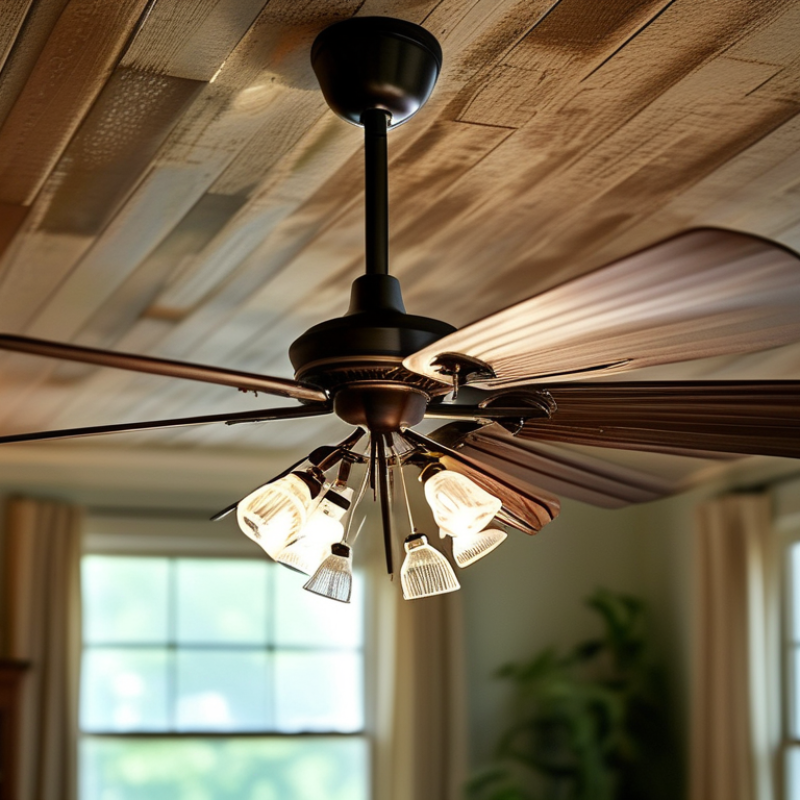
Ceiling fans can play a significant role in enhancing the efficiency of air conditioning systems. A study by the U.S. Department of Energy found that using ceiling fans in tandem with air conditioning can lead to energy savings of 20% or more. This synergy allows homeowners to set their thermostats higher, which in turn reduces the workload on air conditioning units. The airflow from ceiling fans creates a wind-chill effect, cooling the skin without lowering the room temperature.
However, not all ceiling fans are created equal. Some models may not move air effectively or use energy inefficiently. Inadequate fan size or poor placement can diminish their impact. Research indicates that fans should ideally be installed at a height of 8 to 9 feet for optimal performance. Additionally, the direction of rotation matters; during summer, fans should spin counterclockwise to maximize the cooling effect.
Many homeowners overlook the potential of ceiling fans. Investing in high-quality fans can be beneficial in the long run. Regular maintenance is crucial, too; a dusty fan can circulate particles, compromising indoor air quality. It's important to embrace a proactive approach, ensuring fans are clean and properly positioned. Ultimately, integrating ceiling fans can be an effective, energy-efficient choice, although not without its considerations.
Ceiling fans are often overlooked when it comes to enhancing air conditioning efficiency. Understanding their mechanism can shed light on how they work in air circulation. These fans create a wind-chill effect, making you feel cooler even at higher thermostat settings. By circulating the air, they help distribute cool air evenly throughout the room. This means your air conditioner doesn't have to work as hard, potentially saving energy and reducing costs.
The direction of the ceiling fan blades matters. In summer, running the fan counterclockwise pushes cool air down. In winter, it should run clockwise to pull air upwards, circulating warm air without creating a draft. However, some people forget to adjust their ceiling fans with the seasons. This oversight can lead to inefficient air circulation and increased energy bills. Regular maintenance of the fan is also essential. Dust accumulation can diminish performance, leading to subpar air movement. Awareness of these details can optimize the benefits of ceiling fans in any household.
| Feature | Description | Impact on Efficiency |
|---|---|---|
| Air Circulation | Ceiling fans help to circulate air within a room, creating a breeze effect. | Can make rooms feel cooler by 4-6°F, allowing for higher thermostat settings. |
| Energy Usage | Typically consumes less energy compared to air conditioning units. | Potentially reduces air conditioning use, leading to lower energy bills. |
| Heat Distribution | Fans can help distribute heat evenly during winter months. | Improves heating efficiency, reducing reliance on heating systems. |
| Comfort Level | Ceiling fans create a wind-chill effect that enhances comfort. | Enhances perceived temperature, leading to greater comfort at higher thermostat settings. |
| Seasonal Reversal | Some fans have a switch to reverse blade direction for winter use. | Improves overall efficiency by circulating warm air back down. |
Ceiling fans can play a significant role in enhancing the efficiency of air conditioning systems. Many studies indicate that these fans can help circulate cool air more effectively throughout a room. When combined with air conditioning, fans can push down cold air, creating a consistent and comfortable temperature. This synergy reduces the burden on AC units, potentially leading to energy savings.
Quantifying these savings reveals interesting results. The energy costs associated with running ceiling fans are usually much lower than those of air conditioning. Operating a ceiling fan might consume about 10-20% of the energy used by AC systems. It’s worth noting that while running both at the same time is effective, some may forget to turn off the fan when not needed, which can lead to wasted energy.
Monitoring energy bills can provide insights into actual savings over time. Individuals may notice a drop in total cooling costs when frequently using both systems together. This coexistence can create a comfortable living environment without overly relying on air conditioning units. However, the effectiveness can vary based on room size, fan speed, and placement. Balancing these factors is crucial for maximizing efficiency and comfort.
Ceiling fans can significantly enhance air conditioning efficiency when strategically placed. Positioning fans near seating areas helps to circulate the cool air produced by your AC unit. According to the U.S. Department of Energy, using ceiling fans can allow you to raise the thermostat setting by about 4°F without sacrificing comfort.
Proper placement is crucial for maximizing cooling. Installing fans in rooms with high ceilings can be advantageous, as they can push cool air downwards effectively. Use the fan's reverse setting in winter to circulate warm air. This versatility not only improves comfort but also can lead to energy savings. A well-placed fan can reduce reliance on air conditioning by up to 30%.
To get the most out of your ceiling fan, consider the angle of the blades. Blades should be tilted between 12 and 15 degrees for optimal airflow. Regular maintenance is essential, too. Dust buildup can reduce efficiency. Remove dust every month to keep your fan working effectively. Pay attention to your cooling setup. Experimenting can lead to surprising results and added comfort.
Ceiling fans can significantly impact air conditioning efficiency in residential settings. According to a study by the U.S. Department of Energy, combining ceiling fans with air conditioning can allow homeowners to raise their thermostat settings by up to four degrees without sacrificing comfort. This adjustment leads to energy savings of 20% to 30% on cooling costs. For example, a family using ceiling fans alongside their AC reported a decrease in overall energy use, demonstrating the tangible benefits of this approach.
Case studies reveal that homes in warmer climates often see the most benefit. A survey conducted in southern states showed that 85% of participants felt their rooms were cooler when utilizing both ceiling fans and air conditioning. Additionally, a local utility reported that households using ceiling fans reduced peak energy demand by 10%. This reduction is crucial during high-use periods, especially in summer months. However, some users report not fully understanding fan settings, leading to suboptimal performance. Clarity on directional settings is essential for maximizing airflow and efficiency.
: Ceiling fans create a wind-chill effect and distribute cool air evenly, reducing energy use.
In summer, ceiling fans should run counterclockwise to push cool air down.
In winter, the fan should run clockwise to circulate warm air without drafts.
Forgetting to change the fan direction can lead to inefficient cooling and higher energy bills.
Ceiling fans typically use 10-20% of the energy consumed by air conditioning systems.
Yes, failing to turn off the fan can waste energy and negate any potential savings.
Position fans near seating areas to effectively circulate cool air from the AC.
A well-placed fan can reduce air conditioning reliance by up to 30%.
Remove dust monthly to maintain optimal airflow and fan efficiency.
Experimenting with different placements and settings can lead to unexpected comfort and efficiency improvements.
The article explores the question, "Can ceiling fans help air conditioning systems?" by examining their role in enhancing air conditioning efficiency. It discusses the mechanism of ceiling fans and how they aid in air circulation, thereby promoting a more even cooling effect throughout a space. The article presents a quantitative analysis comparing the energy savings achieved when ceiling fans are used in conjunction with air conditioning versus relying solely on AC units.
Additionally, the piece highlights the importance of optimal fan placement for maximizing the cooling impact, ensuring that the airflow complements the air conditioning. Through various case studies, the article illustrates the real-world benefits of integrating ceiling fans with AC systems, providing evidence that their combined use can significantly improve energy efficiency and overall comfort in homes and workplaces.

Fanpro Light