Are Ceiling Fans Energy Efficient Tips for Buyers

Time:2026-06-28 Author:Henry
0%

When considering whether "are ceiling fans energy efficient," buyers often face confusion. Ceiling fans circulate air, providing comfort while potentially reducing energy costs. However, their efficiency can vary based on several factors.

To make informed decisions, understanding energy-saving features is crucial. Look for fans with Energy Star ratings, indicating they meet strict efficiency guidelines. Additionally, choosing the right size and controlling speed settings can significantly impact energy consumption.

Many assume all ceiling fans save energy, but not all options are effective. Some fans consume more energy than necessary if improperly sized or used. Reflecting on specific usage scenarios helps in evaluating their potential benefits. In conclusion, being thoughtful about fan selection can lead to both comfort and energy savings.
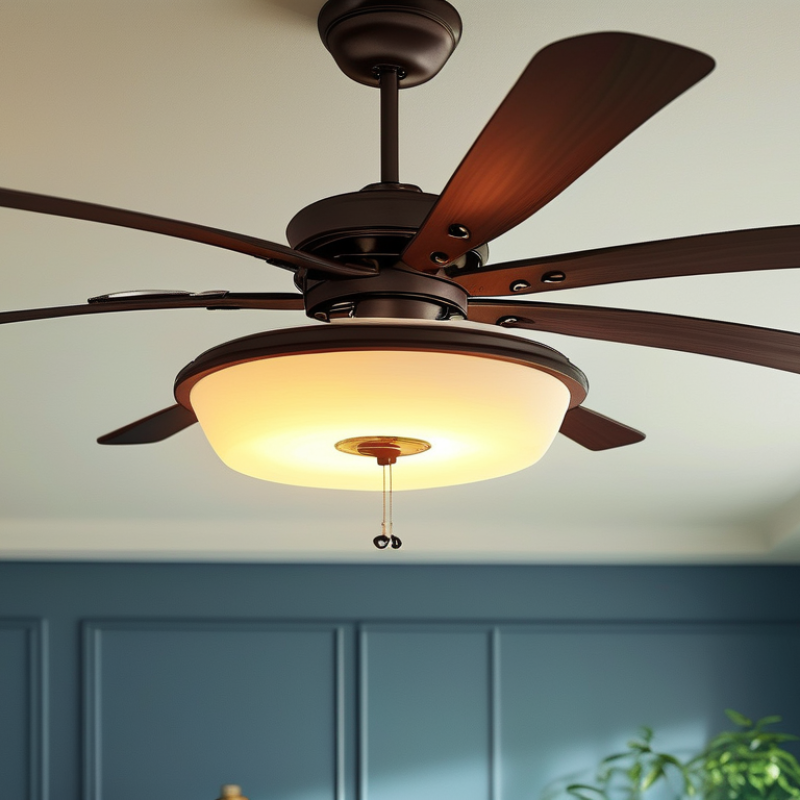
Are Ceiling Fans Energy Efficient Tips for Buyers

Understanding Ceiling Fan Energy Efficiency

Ceiling fans can significantly impact energy efficiency in homes. They are designed to circulate air, making temperature regulation easier. Studies show that using ceiling fans can lower energy costs by up to 30%. When paired with air conditioning, they can allow you to raise your thermostat setting while maintaining comfort.

The energy efficiency of ceiling fans is measured in terms of airflow and energy consumption. The airflow is quantified in cubic feet per minute (CFM). High-performing fans typically provide over 5,000 CFM. In contrast, a poorly designed fan may only deliver around 1,500 CFM. A report by the U.S. Department of Energy suggests that selecting a fan with a high CFM to watt rating can enhance energy savings.

Installing a ceiling fan can also lead to better indoor air quality. Properly used, fans help to disperse humidity. This effect can reduce the load on your air conditioning system. However, the choice of fan size and speed settings can be tricky. It’s essential to balance airflow with actual cooling needs. Improper use can lead to discomfort and wasted energy. Therefore, understanding the nuances of ceiling fan energy efficiency is crucial for maximizing benefits.

Factors Influencing the Energy Efficiency of Ceiling Fans

When considering the energy efficiency of ceiling fans, several key factors come into play. The Energy Star program indicates that energy-efficient ceiling fans can use up to 50% less energy than standard models. Choosing a fan with a high airflow efficiency, measured in cubic feet per minute per watt (CFM/W), can drastically impact energy consumption. Fans with a CFM/W rating above 75 are considered efficient. This factor reflects both the blades' design and the motor’s performance, making it essential for buyers to consider.

Another critical element influencing efficiency is the fan's size. A fan that is appropriately sized for a room maximizes cooling and heating benefits. According to the U.S. Department of Energy, a fan should ideally provide about 10-15 CFM for every square foot of space. Oversized fans can waste energy due to excess airflow, while undersized fans may not circulate air effectively. It's crucial to calculate the room's dimensions to choose wisely.

Moreover, installation heights and fan rotation direction can affect efficiency. Installing a fan at the right ceiling height allows for effective air circulation. During summer, fans should rotate counterclockwise for a cooling breeze. In winter, the clockwise rotation helps circulate warm air. These operational factors can lead to significant variations in energy usage and comfort levels. Reflecting on these aspects ensures that buyers make informed decisions.

Choosing the Right Ceiling Fan for Energy Savings

Choosing the right ceiling fan can significantly impact your energy savings. Start by considering the fan size. A fan that is too small for your room will struggle to circulate air effectively. Measure your space before making a choice. A fan with a diameter of 52 inches is often ideal for a standard-sized living room.

Blade pitch is crucial too. A steeper angle can move more air, providing better cooling. Look for fans with a blade pitch between 12 and 15 degrees. This small detail can enhance efficiency remarkably. Also, pay attention to the motor. An energy-efficient motor will ensure less electricity usage while maintaining optimal performance.

Lastly, think about the control options. Fans with remote controls or smart home integration offer convenience. They also allow you to adjust speed settings based on your comfort level. This personalization can contribute to energy savings. However, some buyers may overlook how the fan's design fits in their space. While aesthetics matter, functionality should come first. It’s easy to get distracted by looks but remember, a stylish fan must still save energy.

Tips for Maximizing Ceiling Fan Performance

Ceiling fans can significantly improve comfort and reduce energy costs if used correctly. A critical tip for maximizing their performance is to ensure proper installation. Fans should be mounted at least eight to nine feet above the floor for optimal airflow. The direction of the blades also matters. In summer, set the fan to rotate counterclockwise to create a cooling breeze. In winter, switch it to clockwise to circulate warm air down.

Regular maintenance is essential for peak performance. Clean the blades regularly to remove dust and debris, which can hinder airflow. Pay attention to the fan's motor; lubricating it can enhance efficiency and extend lifespan. Additionally, consider the fan's size relative to the room. Larger fans are often more effective in spacious areas. An improperly sized fan might struggle to circulate air effectively, leading to discomfort.

Another aspect to consider is the use of ceiling fans in conjunction with air conditioning. By running fans alongside your AC unit, you can set the thermostat a few degrees higher. This small adjustment can lead to considerable savings over time. However, it’s crucial to remember that fans cool people, not rooms. If you're not in the room, turn the fan off to save energy. Using ceiling fans wisely requires both attention and effort, but the benefits can be well worth it.

Maintenance Practices to Enhance Energy Efficiency

Maintaining ceiling fans effectively can significantly improve their energy efficiency. Regular cleaning eliminates dust and debris that can hinder performance. Studies show that a clean fan can operate up to 20% more efficiently. Dust buildup not only affects airflow but can also lead to motor strain. This strain can reduce the fan's lifespan, which is another reason to keep it clean.

Another essential practice is to periodically check the fan’s balance. An unbalanced fan wobbles, making it less efficient and increasing energy use. Research indicates that a properly balanced fan can reduce energy consumption by approximately 15%. If a fan is producing excessive noise or vibration, it's a signal that maintenance is needed.

Additionally, lubricating the motor and bearings helps to maintain optimal functionality. A well-lubricated fan runs smoother and uses less energy. Remember, not all ceiling fans are made equally. Understanding their specs can be crucial. Regular attention to these maintenance tasks can help maximize efficiency and longevity, leading to better energy savings over time.

FAQS

: How do ceiling fans impact energy efficiency?

: They can lower energy costs by up to 30% when used properly.

What is the significance of airflow in ceiling fans?

Airflow is measured in cubic feet per minute (CFM). Higher CFM leads to better energy savings.

What should I consider when selecting a ceiling fan?

Choose a fan with a high CFM to watt ratio for enhanced efficiency.

How does ceiling fan positioning affect performance?

Install fans 8-9 feet above the floor for optimal airflow and comfort.

What direction should the fan blades turn in summer?

In summer, set the fan to rotate counterclockwise for a cooling breeze.

Why is regular maintenance important for ceiling fans?

Clean blades and lubricate the motor to ensure peak performance and lifespan.

Can ceiling fans help with air conditioning?

Yes, using fans with AC allows for higher thermostat settings, saving energy.

Do ceiling fans cool rooms or people?

Fans cool people, not rooms; turn off when the room is empty to save energy.

What happens if I use an improperly sized fan?

An incorrectly sized fan may struggle to circulate air, causing discomfort.

Is using ceiling fans a good energy-saving habit?

Yes, but it requires attention and understanding for effective use.

Conclusion

Ceiling fans are often queried for their energy efficiency, leading to the question, "are ceiling fans energy efficient?" Understanding the energy consumption of ceiling fans involves several factors, including motor type, blade design, and size. When selecting a ceiling fan, it is crucial to consider these elements to ensure optimal energy savings.

To maximize performance, users should adhere to specific tips, such as running fans counterclockwise during summer months and utilizing their energy-saving modes. Regular maintenance practices, like cleaning the blades and checking for secure attachments, also play a significant role in enhancing the energy efficiency of ceiling fans. By following these guidelines, homeowners can enjoy the comfort of ceiling fans while effectively managing energy costs.

Henry

Henry

Henry is a dedicated marketing professional with a profound expertise in the company's offerings. With years of experience in the industry, he possesses an impressive understanding of the market dynamics and consumer behaviors that drive success. Henry is committed to sharing his insights through......