How Long Do Ceiling Fans Last and What Affects Their Lifespan?

Time:2026-07-01 Author:Liam
0%

Ceiling fans are popular for cooling spaces efficiently. Many homeowners ask, "how long do ceiling fans last?" Knowing the lifespan of a ceiling fan can help you manage your home’s comfort more effectively. Factors influencing longevity include usage frequency, maintenance, and the quality of materials used.

On average, ceiling fans can last anywhere from 10 to 20 years. High-quality models typically offer better durability. However, neglecting maintenance can shorten their lifespan significantly. Dust and debris build-up can strain the motor. Regular cleaning and servicing can help maintain optimal performance.

Ultimately, understanding the lifespan of ceiling fans allows for informed decisions on repairs or replacements. Investing in a quality fan can pay off in the long run. Yet, it requires a commitment to care and upkeep. This balance of quality and maintenance is key to extending the life of your ceiling fan.
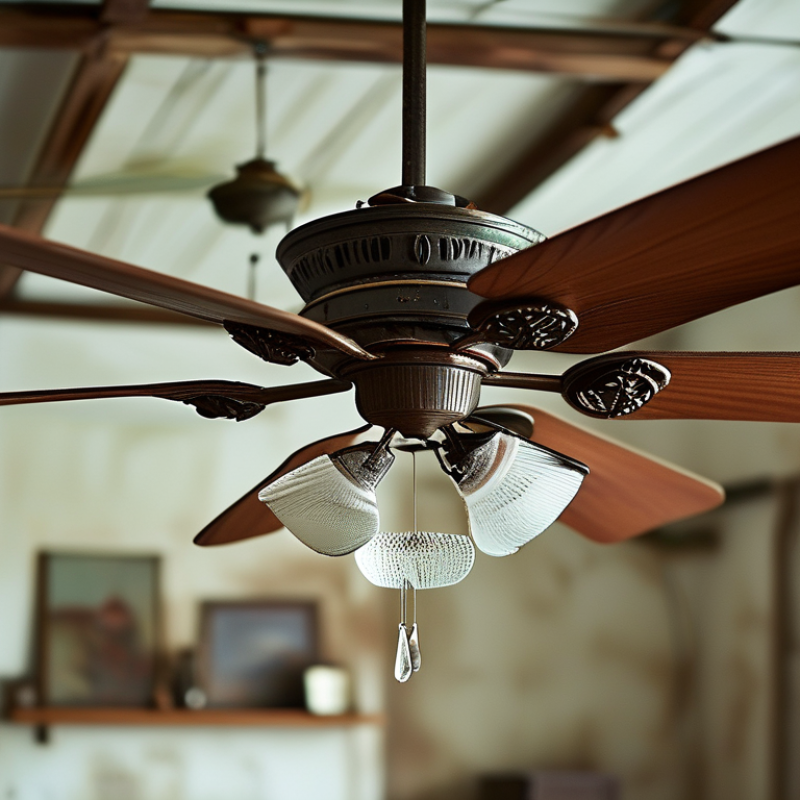
How Long Do Ceiling Fans Last and What Affects Their Lifespan?

Understanding the Average Lifespan of Ceiling Fans

Ceiling fans typically last between 10 to 15 years. Several factors can influence their lifespan. Material quality plays a crucial role. Fans made from durable materials tend to last longer than those made from cheaper options. Regular maintenance is another key aspect to consider. Dust buildup can hinder performance and shorten longevity.

Installation quality also matters. A poorly installed fan can shake and wear out faster. The frequency of use affects the motor and components. Fans that run daily may not last as long as those used occasionally. Environment plays a part too. Humid or dusty areas can lead to quicker deterioration. Regular inspections can identify issues before they become significant problems.

While fans can last well, not all will. Some may fail early due to factory defects. It's essential to choose wisely and care for your fan. Understanding these factors can help you maximize the lifespan of your ceiling fan. Ensuring proper usage is vital for longevity.

Key Factors Affecting Ceiling Fan Durability

Ceiling fans can last anywhere from 10 to 20 years. Their lifespan largely depends on several key factors. One significant element is the quality of materials used in the fan. Cheaper fans may use more plastic, which can degrade faster over time. Higher quality fans often employ metal components that withstand wear and tear.

Another factor is the frequency of use. Fans that run continuously may show signs of wear sooner than those used intermittently. Proper maintenance is crucial, too. Dust accumulation on blades or in the motor can lead to inefficiencies. Regular cleaning helps to prolong the life of a fan.

Humidity and temperature play important roles as well. Fans installed in humid climates may face corrosion or rust. It’s essential to choose a fan rated for your specific environment. Additionally, installation plays a critical part in functionality. A poorly installed fan may wobble and create additional wear. Each of these factors deeply influences how long a ceiling fan can effectively serve you.

Maintenance Tips to Extend Ceiling Fan Life

Ceiling fans are a popular choice for ventilation but require proper care to ensure longevity. Regular maintenance can significantly extend their lifespan. Start by dusting your ceiling fan blades at least once a month. Dust buildup can hinder performance and lead to motor strain. Use a microfiber cloth for effective cleaning, and don’t forget to clean the fan's pull chain for smooth operation.

Another tip involves checking the fan's balance. An unbalanced ceiling fan creates noise and wears out the motor faster. To balance the fan, adjust the blade alignment or use a balancing kit. A well-aligned fan runs efficiently and quietly. Also, inspect the wiring periodically. Loose connections can cause overheating, which shortens lifespan.

When not in use, consider switching off the fan to save energy. Using it wisely will not only prolong its life but also reduce your electricity bill. Keep in mind that even with the best care, wear and tear can occur. Periodically assess your fan for any signs of damage or wear. Doing so ensures you take action before significant problems develop.

Ceiling Fan Lifespan and Maintenance Tips

This chart illustrates how different levels of maintenance can affect the average lifespan of ceiling fans. Regular maintenance can significantly increase the longevity of the fan.

Signs Your Ceiling Fan May Need Replacement

When assessing whether your ceiling fan needs replacement, observe its performance closely. If the fan makes unusual noises or wobbles during operation, these are clear warning signs. A consistent rattling could indicate loose or worn parts. Additionally, if the blades are not spinning at expected speeds, efficiency is compromised, and replacement may be imminent.

Check for signs of excessive wear, too. Look for cracks or physical damage on the fan blades or body. Even minor issues can lead to more significant failures. If your fan has not been maintained properly, rust or dust build-up could also affect its operation over time. For some, the model's age plays a vital role; typical ceiling fans last around 10 years. If yours is older and shows these signs, it's worth reconsidering your options.

Regular maintenance can prolong lifespan. However, if repairs become routine, replacements may prove more cost-effective. It’s important to weigh the benefits of replacing against frequent servicing. Investing in a high-quality fan ensures reliability and performance, but it’s key to remain attentive to these tell-tale signs.

Comparing Different Types of Ceiling Fans and Their Lifespans

Ceiling fans come in various types, each with a distinct lifespan. Generally, traditional ceiling fans last about 10 to 15 years. However, energy-efficient options, such as DC motor fans, can exceed this range and last up to 20 years. The difference lies in their construction and technology. For instance, DC motors are quieter and consume less energy, enhancing durability.

Another important aspect is the material used. Wooden blades may add elegance but can warp over time. Metal and plastic options tend to be more robust. Proper maintenance also plays a role. Dust accumulation can strain the motor, reducing its lifespan. Regular cleaning can prevent this, ensuring optimal performance.

Installation and usage conditions can affect longevity too. High humidity can cause electrical issues. Fans in dry climates may last longer. Ultimately, understanding these factors helps in making an informed choice. It's essential to consider not only the aesthetics but also the functional elements that contribute to a ceiling fan's overall durability. Investing time in exploring different types can lead to better long-term satisfaction.

FAQS

: How long can ceiling fans typically last?

: Ceiling fans can last between 10 to 20 years, depending on various factors.

What affects the lifespan of a ceiling fan?

Key factors include material quality, usage frequency, maintenance, humidity, temperature, and installation.

Why is the material quality important?

Cheaper fans with plastic components degrade faster than higher quality fans made with metal.

How does usage frequency impact durability?

Fans that run continuously can wear out more quickly than those used intermittently.

What maintenance is required for ceiling fans?

Regular cleaning of blades and motors prevents dust accumulation, which can lead to inefficiencies.

Does humidity affect ceiling fan longevity?

Yes, high humidity can lead to corrosion and reduce lifespan; proper fan selection is essential.

Can installation affect a ceiling fan's performance?

A poorly installed fan may wobble, creating more wear and reducing its longevity.

Are energy-efficient fans more durable?

Energy-efficient fans, like those with DC motors, can last up to 20 years due to better construction.

Do different types of fans have different lifespans?

Yes, traditional fans typically last 10 to 15 years, while some modern types may last longer.

How do environmental conditions play a role?

Fans in humid climates face more wear, while those in dry areas may last longer.

Conclusion

Ceiling fans are essential home appliances that can enhance comfort and reduce energy costs. When considering how long do ceiling fans last, it is typically observed that the average lifespan ranges from 10 to 15 years, depending on several key factors. Factors like the quality of the fan, its usage frequency, and the environment in which it operates play significant roles in determining durability.

To extend the life of your ceiling fan, regular maintenance is crucial; this includes cleaning the blades, checking for loose screws, and ensuring proper lubrication. Signs that your ceiling fan may need replacement include unusual noises, wobbling, or inconsistent airflow. Additionally, different types of ceiling fans exhibit varying lifespans, which are influenced by design and materials used. By understanding these aspects, homeowners can make informed decisions about their ceiling fans and ensure they function effectively for years to come.

Liam

Liam

Liam is a dedicated marketing professional with a profound expertise in the industry, where he excels at highlighting the unique advantages of our core products. With a keen understanding of market trends and consumer needs, Liam frequently updates our company’s professional blog, providing......