Energy efficiency is a key concern for homeowners. Ceiling fans are a popular choice for cooling spaces. They provide comfort while consuming less energy. Many wonder, "how much electricity does a ceiling fan use?" According to Dr. Sarah Mitchell, an energy efficiency expert, "Ceiling fans use significantly less energy than air conditioning systems, making them an eco-friendly choice."
Understanding the energy consumption of ceiling fans is crucial. On average, a ceiling fan uses about 70 to 100 watts per hour. In contrast, air conditioning units can consume over 2,000 watts per hour. This stark difference highlights the benefits of ceiling fans. Using them wisely can reduce energy bills.
However, not all fans are created equal. Factors such as size, efficiency rating, and speed settings play a role in their energy usage. Sometimes, a fan may be over or under-utilized, leading to wasted energy. Keeping these details in mind can enhance their effectiveness. In conclusion, knowing "how much electricity does a ceiling fan use" allows users to make informed decisions.
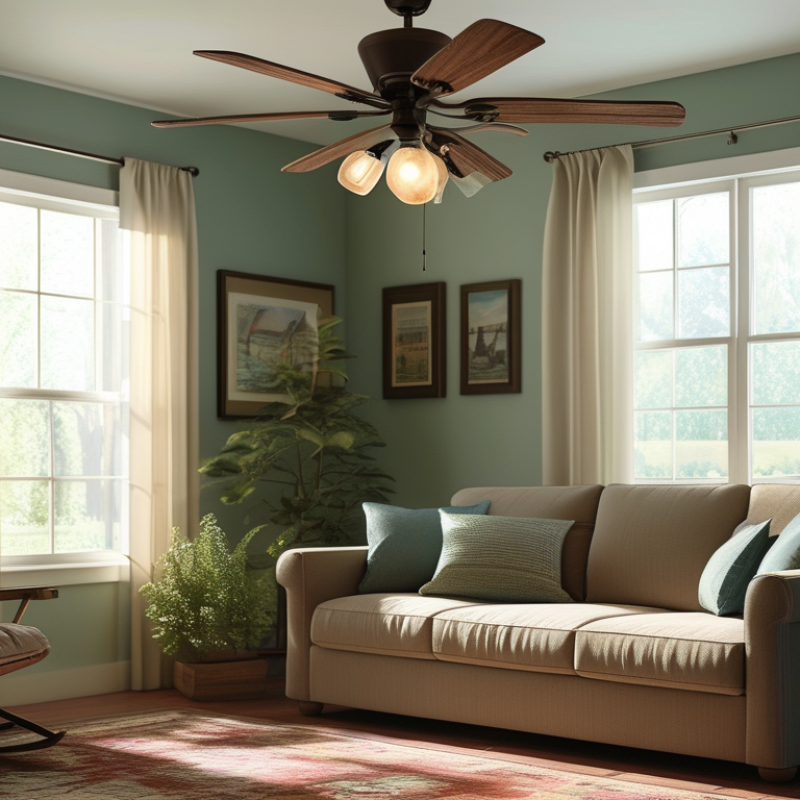
Benefits of Ceiling Fans for Energy Efficiency
Ceiling fans are a simple addition to any room. They enhance comfort while cutting energy costs. They're particularly beneficial in warmer climates, where air conditioning can be a significant expense. A ceiling fan circulates air, creating a cooling effect. This allows you to set your thermostat higher during summer without sacrificing comfort.
Using ceiling fans can reduce energy consumption by up to 40%. They use less electricity than central air systems, making them an eco-friendly option. Even running them on medium speed requires only about 60 watts. For a household that frequently relies on climate control, the savings can add up.
However, it's essential to use them correctly. Ceiling fans cool people, not rooms. Turning them off when not in use helps conserve energy. Cleaning the fan regularly ensures optimal performance. Sometimes, fans work too slowly or are poorly positioned, which can hinder their efficiency. Regular maintenance and correct usage are key to maximizing their benefits.
Understanding Ceiling Fan Energy Consumption
Ceiling fans are often overlooked in energy-saving discussions. They consume relatively low electricity compared to air conditioners. On average, a ceiling fan uses about 70 watts of power, depending on size and speed settings. This is significantly less than most cooling systems, which can use up to 3000 watts on high.
Many people are unaware of how to maximize the efficiency of ceiling fans. Running a fan in reverse during winter can circulate warm air, reducing heating costs. In summer, fans create a wind-chill effect, allowing you to raise the thermostat by a few degrees. This simple adjustment can lead to substantial savings on energy bills.
**Tips:** To check the power use of your fan, look for energy-efficient models with the ENERGY STAR label. Regular maintenance, such as cleaning the blades, will keep the fan operating efficiently. Consider using timers to run the fan only when needed, further conserving energy.
Comparing Ceiling Fans with Air Conditioning Systems
When it comes to cooling spaces, ceiling fans and air conditioning systems operate differently. Ceiling fans
circulate air, creating a wind-chill effect. This helps you feel cooler without actually lowering
the room temperature. In contrast, air conditioning systems cool the air, which can be more energy-intensive.
Ceiling fans use significantly less electricity compared to air conditioning systems. For instance, a ceiling fan typically
consumes about 50-70 watts, while an air conditioning unit can draw up to 2000 watts or more.
This substantial difference in energy consumption highlights why making the switch to fans in milder weather can be beneficial.
However, fans work best in conjunction with open windows or other airflow sources to maximize their efficiency.
Yet, relying solely on ceiling fans can lead to challenges. For one, fans do not lower humidity levels, which can leave you feeling sticky on hot days.
Also, some users may forget to turn off fans when not in use. This can lead to unnecessary energy consumption.
Ultimately, understanding the distinct roles of ceiling fans and air conditioning systems can help you create a balanced strategy for cooling your home efficiently.
Tips for Optimal Ceiling Fan Use to Save Energy
Ceiling fans are a practical way to save energy in your home. They consume less electricity than air conditioning units, making them an economical choice. According to the U.S. Department of Energy, using fans can reduce cooling costs by 30% to 40% when paired with air conditioning. However, proper use is key to maximizing these savings.
To optimize your ceiling fan use, always run fans counterclockwise during summer months. This creates a cool downward breeze. In winter, switch to clockwise to circulate warm air. Also, don’t forget to turn off fans when you leave the room. Fans cool people, not spaces, which is why they are most effective when you're present.
Regular maintenance is critical. Dust buildup on blades can hinder performance and efficiency. Check your fans regularly. If they make unusual noises, it might be time for an inspection. You might save energy, but a poorly maintained fan can lead to higher electricity usage or even repairs. These small adjustments can have a significant impact on energy consumption and costs.
Why Ceiling Fans Save Energy and How Much Electricity Do They Use?
| Feature |
Details |
| Average Power Consumption |
70-80 Watts (per hour) |
| Energy Savings Compared to AC |
Up to 30% of cooling costs |
| Optimal Speed Setting |
Medium Speed for cooling, Reverse mode for heating |
| Recommended Use |
Use in conjunction with HVAC systems |
| Fan Size for Optimal Efficiency |
52-56 inches for standard rooms |
| Average Cost of Operation |
$0.06 - $0.08 per hour |
Factors Influencing Ceiling Fan Electricity Usage
Ceiling fans are popular for their energy-saving potential. However, their electricity usage varies based on several factors. One primary factor is the fan's size.
Larger fans move more air, requiring more power. Standard models usually consume between 30 to 100 watts, while energy-efficient designs can operate on as little as 15 watts.
The fan's speed settings also play a crucial role. Running a fan on high speed uses more electricity than on low speed. Additionally, the efficiency of the motor affects usage.
Energy-efficient motors are designed to consume less power while providing optimal airflow. It’s interesting to note that ceiling fans may not operate effectively if the room is poorly insulated.
Another consideration is the fan's location and its intended use. In hot climates, ceiling fans provide significant cooling, which can lower air conditioning needs. In winter, reversing the blade direction helps circulate warm air, enhancing comfort.
However, misuse or inadequate adjustments might lead to higher bills. Understanding these factors allows users to maximize efficiency and minimize energy consumption.
Conclusion
Ceiling fans are an efficient way to enhance energy savings in homes while providing comfort throughout the year. They consume significantly less electricity compared to traditional air conditioning systems, which allows homeowners to reduce their energy bills. Understanding how much electricity a ceiling fan uses is crucial for maximizing its benefits. Most ceiling fans operate at a fraction of the energy consumption of an air conditioner, making them an environmentally friendly choice.
To optimize energy efficiency, it's essential to position ceiling fans correctly, utilize the reverse rotation feature in winter, and maintain them regularly. Factors influencing electricity usage include fan size, speed settings, and motor efficiency. By implementing these tips and using ceiling fans wisely, homeowners can enjoy comfortable living spaces with minimal energy overhead.

 Fanpro Light