How to Clean Ceiling Fan Blades Effectively for a Fresh Home?

Time:2026-07-12 Author:Ethan
0%

When it comes to creating a fresh and clean home, one often overlooks the ceiling fan blades. Yet, they can accumulate dust quickly. There’s an art to knowing how to clean ceiling fan blades effectively. Steve Smith, a home cleaning expert, shares an insightful quote: “A clean fan can make all the difference in your home's air quality.”

Cleaning fan blades isn't just about aesthetics. Dust and allergens on blades circulate throughout your home. Regular maintenance helps improve indoor air. With the right techniques, this task can become straightforward. Use a microfiber cloth or old pillowcase to capture dust without scattering it.

Many people may find cleaning ceiling fans daunting. They may not know where to start or fear disturbing the dust. However, it doesn’t have to be cumbersome. A few simple steps can lead to substantial results. Understanding how to clean ceiling fan blades is crucial for maintaining a healthy living environment. A fresh home starts with clean ceiling fans.
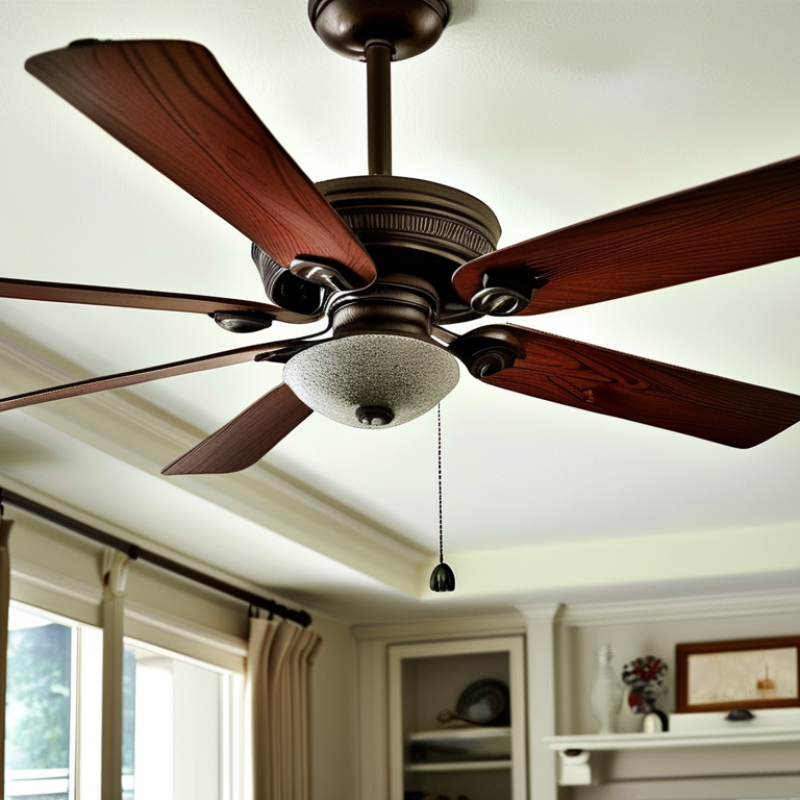
How to Clean Ceiling Fan Blades Effectively for a Fresh Home?

Understanding the Importance of Cleaning Ceiling Fan Blades

Cleaning ceiling fan blades is often overlooked. However, it plays a vital role in maintaining a healthy home environment. Dust and allergens accumulate on fan blades. When the fan operates, these particles disperse into the air. This can trigger respiratory issues and allergies. Regular cleaning helps to mitigate these risks.

The process isn’t complicated, yet many neglect it. Ideally, ceiling fans should be cleaned monthly. Use a microfiber cloth for effective dust removal. A damp cloth can capture more particles. Pay attention to the edges; they often harbor more grime. Unfortunately, some people forget or delay this task, allowing dust to build up.

Reflecting on your cleaning habits can lead to improvements. Ask yourself: When was the last time I cleaned my fan? Frequent cleaning instills a sense of freshness to your home. It can also enhance the life of your fan. A clean fan operates more efficiently, reducing energy consumption. Small efforts in maintaining your ceiling fans can yield significant benefits.

Ceiling Fan Blade Cleaning Importance

Gathering Necessary Cleaning Supplies for the Task

Cleaning ceiling fan blades can seem daunting. But gathering the right supplies makes the task easier. Start with a step stool or ladder for safe access. A soft microfiber cloth is essential. It traps dust effectively without scratching surfaces. Consider using an old pillowcase too. It can help catch falling dust while you clean.

You'll need an all-purpose cleaner or a mixture of warm water and vinegar. These are effective for removing grime and buildup. Don’t forget gloves; they protect your hands from cleaning solutions. A damp cloth and a dry one should be part of your supplies. This ensures that blades are not only clean but also streak-free.

Gathering these items beforehand saves time. Sometimes, having everything on hand feels overwhelming. You might overlook a crucial item, leading to frustration. Be sure to check your supplies and make adjustments. Each cleaning session can serve as a reminder to refine your approach.

Step-by-Step Guide to Safely Cleaning Ceiling Fan Blades

Cleaning ceiling fan blades is essential for maintaining a fresh home. Dust and allergens can collect on the blades, impacting air quality. Follow this step-by-step guide for effective cleaning.

Start by gathering your cleaning supplies. You’ll need a ladder, microfiber cloths, a dusting brush, a bowl of warm soapy water, and an all-purpose cleaner. Ensure your fan is turned off and, if possible, unplugged. This reduces the risk of accidents. Use the ladder to reach the blades safely.

Begin by dusting the blades with a microfiber cloth or dusting brush. Pay attention to the edges where dust often accumulates. If the blades are particularly dirty, dampen a cloth in the soapy water and gently wipe them down. Avoid oversaturating the cloth, as excess water can damage the motor. After wiping, dry the blades completely to prevent streaks.

Remember, it's easy to overlook fan cleaning during deep cleans. Regular maintenance is key. If you notice persistent grime, it might be time to evaluate your cleaning routine. Reflect on your approach and adjust accordingly. A clean ceiling fan can significantly enhance the air quality in your home.

Tips for Maintaining Clean Ceiling Fans Throughout the Year

Maintaining clean ceiling fans is crucial for healthy indoor air quality. The average ceiling fan can accumulate dust, allergens, and bacteria. A 2021 study found that ceiling fans can harbor over 30% more dust compared to other household surfaces. Neglecting fan maintenance not only endangers air quality but also affects energy efficiency. Dusty blades can obstruct airflow, leading to higher energy bills.

To keep ceiling fans in top shape, establish a regular cleaning schedule, ideally once a month. Use a microfiber cloth dampened with a mild cleaner. This keeps debris from scattering and allows for a thorough wipe-down. A dusting method recommended by experts involves attaching a pillowcase around each blade. This technique traps dust effectively. Remember, tracking dust build-up is essential. Noticing a layer of dust should trigger immediate cleaning.

Many homeowners ignore the importance of fan maintenance. It’s easy to overlook fans, especially high ceilings. Yet, studies show that regular cleaning can reduce respiratory issues and enhance comfort. Reflect on your cleaning habits. Are you consistent? Are you aware of air quality improvements? Simple changes can lead to a fresher, healthier home environment.

How to Clean Ceiling Fan Blades Effectively for a Fresh Home?

Cleaning Method Materials Needed Frequency Tips
Duster Method Microfiber duster Monthly Use an extendable duster to reach high blades.
Vacuum Method Vacuum cleaner with brush attachment Every 3 months Ensure the ceiling fan is off before cleaning.
Wet Cloth Method Warm water, mild detergent, microfiber cloth Seasonally Wipe in a circular motion to prevent streaks.
Baking Soda Method Baking soda, damp cloth Bi-annually Sprinkle baking soda, then wipe with a damp cloth.
Professional Cleaning Professional cleaning service Annually Ideal for hard-to-reach fans or heavy buildup.

Additional Methods for Removing Stubborn Dirt and Dust

Ceiling fan blades can accumulate stubborn dirt and dust over time. Regular cleaning not only improves air circulation but also enhances indoor air quality. Research indicates that fans can circulate 100 times more dust than HVAC systems. This underscores the importance of effective cleaning techniques.

One common method involves using a pillowcase. Spray a mixture of water and vinegar lightly inside the case. Slide it over the blade, capturing dust and dirt effectively. This technique is simple yet remarkably effective. For tougher grime, a microfiber cloth dampened with a gentle cleaning solution can be useful. Ensure you wipe the blades gently to avoid damaging the finish.

In cases where the dirt is particularly stubborn, a soft-bristle brush or an old toothbrush can help. Gently scrub the affected areas to dislodge the buildup. Cleaning the fan every few months can prevent dust accumulation. The CDC notes that reducing dust in the home significantly lowers respiratory issues. Regular maintenance can lead to both a cleaner environment and healthier living conditions.

FAQS

: Why is cleaning ceiling fan blades important?

: Dust and allergens accumulate on fan blades. This can trigger respiratory issues and allergies. Regular cleaning reduces these risks.

How often should ceiling fans be cleaned?

Ideally, ceiling fans should be cleaned monthly. This keeps dust buildup in check and maintains efficiency.

What is the best way to clean ceiling fan blades?

Use a microfiber cloth for effective dust removal. A damp cloth can capture even more dust particles.

What tool can help with stubborn dirt on fan blades?

A pillowcase can be useful. Spray a mixture of water and vinegar inside it, then slide it over the blade.

How can I avoid damaging the fan's finish while cleaning?

Use a gentle cleaning solution on a microfiber cloth. Wipe the blades gently to prevent damage.

What should I do if the dirt is very stubborn?

Try using a soft-bristle brush or an old toothbrush. Gently scrub to dislodge the stubborn buildup.

How does cleaning fans relate to indoor air quality?

Regular cleaning can significantly improve air circulation. This enhances indoor air quality and reduces allergens.

What can happen if I delay cleaning my ceiling fan?

Dust can build up significantly, leading to poor air quality. This might affect your health and comfort.

How does a clean fan contribute to energy efficiency?

A clean fan operates more efficiently, reducing energy consumption. Small maintenance efforts lead to better performance.

What should I reflect on regarding my cleaning habits?

Consider when you last cleaned your fan. Regular maintenance leads to a fresher home and better air quality.

Conclusion

Cleaning ceiling fan blades is an essential task for maintaining a fresh and healthy home environment. Understanding the importance of this maintenance can help prevent dust buildup, which can affect air quality and the efficiency of the fan. To begin, gather the necessary cleaning supplies, such as a microfiber cloth, a step stool, and a mild cleaning solution.

The step-by-step guide for how to clean ceiling fan blades safely involves turning off the fan, using a cloth to wipe each blade, and ensuring that any accumulated dirt is removed effectively. To keep ceiling fans clean throughout the year, regular maintenance tips include dusting the blades monthly and checking for any stubborn dirt buildup that may require additional methods for removal. By following these guidelines, you can enjoy the benefits of a cleaner home and a more efficient ceiling fan.

Ethan

Ethan

Ethan is a seasoned marketing professional with a deep expertise in our company's innovative product line. With a passion for sharing knowledge and insights, he takes the lead in regularly updating our corporate blog, where he explores industry trends, product features, and effective marketing......