In the quest for comfort, understanding how to improve airflow with ceiling fans is essential. Expert Linda Harrison, a seasoned interior designer and airflow consultant, states, "Proper fan placement enhances air movement, creating a more comfortable living space." This insight emphasizes the importance of not only choosing the right fan but also positioning it wisely.
Ceiling fans serve as a stylish and effective tool in regulating indoor air circulation. When designed thoughtfully, they can significantly enhance comfort levels. Consider the direction of the fan blades; switching them according to the season can make a noticeable difference. In summer, running fans counterclockwise creates a cooling breeze. Conversely, a clockwise setting in winter helps distribute warm air.
However, many homeowners overlook the placement of these fans. Positioning can influence airflow efficiency. If a fan is too high or blocked by furniture, its effectiveness diminishes. A common misunderstanding is that bigger fans always mean better airflow. In truth, a well-placed fan could outperform a larger one placed improperly. Reflecting on these details can lead to improved airflow and a more pleasant living environment.
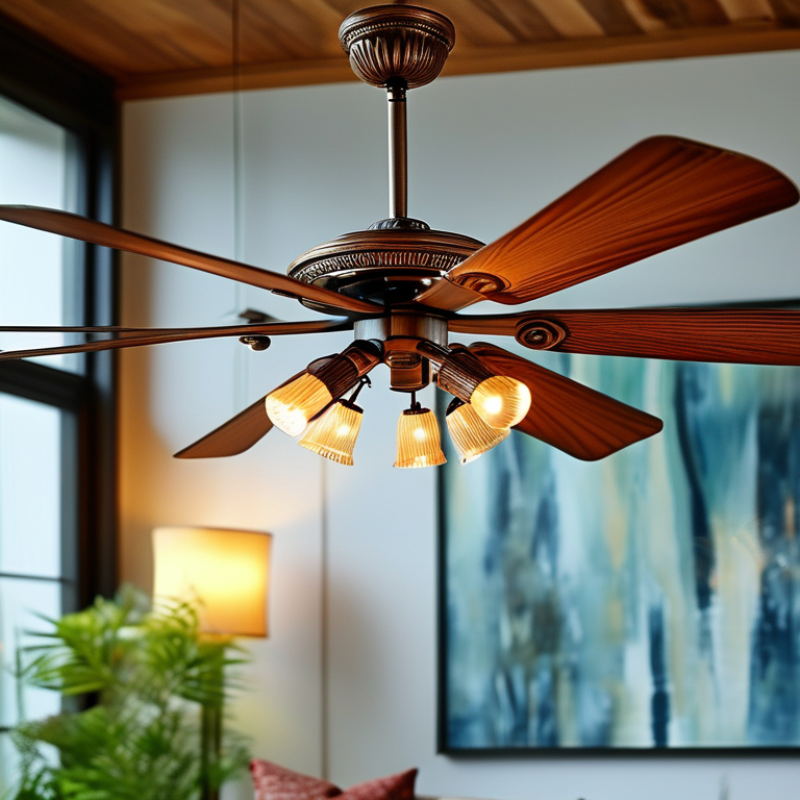
Understanding Airflow and Its Importance for Comfort
Airflow plays a crucial role in our indoor comfort. Understanding how air moves in a space can lead to more effective cooling and heating. When air circulates freely, it dissipates heat more efficiently, creating a more pleasant environment. This is why ceiling fans can be game-changers. They enhance airflow, making rooms feel cooler in the summer and warmer in the winter.
Proper airflow reduces reliance on air conditioning and heating systems. A simple adjustment of fan blades can direct airflow where it’s needed most. For instance, reversing the direction of the fan in winter can help distribute warm air that rises to the ceiling. However, many people overlook this benefit, limiting their comfort.
Creating the right airflow requires a bit of trial and error. Sometimes, a fan might feel too strong or too weak. Observing how air moves in your home can help in adjusting fan speeds. Small changes can lead to significant improvements in comfort. Investing time in understanding your space's airflow dynamics can make a difference. Experimenting with ceiling fans not only elevates comfort but can also enhance energy efficiency.
Choosing the Right Ceiling Fan for Optimal Air Circulation
Choosing the right ceiling fan can greatly enhance airflow and comfort in your space. When selecting a fan, consider factors such as room size, ceiling height, and blade span. According to the American Society of Heating, Refrigerating and Air-Conditioning Engineers (ASHRAE), fans can improve perceived temperature by up to four degrees Fahrenheit. This means a well-chosen ceiling fan could reduce the need for air conditioning, cutting energy costs significantly.
Blade pitch is another critical aspect. Fans with a blade pitch between 12 and 15 degrees offer optimal air circulation. Additionally, a fan should have a diameter that suits your room dimensions. For example, rooms up to 225 square feet are best served by fans with a 52-inch blade span. This attention to detail ensures effective air movement, preventing stagnant airflow.
Installation height matters too. Ideally, fans should hang seven to nine feet above the floor. This height maximizes airflow while minimizing noise. It's crucial to assess these aspects carefully, as improper choices can lead to inadequate ventilation and increased energy bills. Balancing design with functionality leads to a more comfortable indoor environment.
Strategic Placement of Ceiling Fans to Enhance Airflow
Placing ceiling fans strategically can significantly enhance airflow and improve comfort. Fans should be positioned to create a cross breeze, especially in larger spaces. Aim to install them near windows and doors to facilitate better air circulation. This allows cool air to flow in and hot air to exit, promoting a refreshing environment. An adept placement can drastically reduce reliance on air conditioning systems.
Consider the height and angle of your ceiling fans. Fans should ideally be 7 to 9 feet above the ground for optimal performance. Low ceilings may restrict airflow, so adjust the fan's direction accordingly. In general, setting fans to spin counterclockwise in warmer months can create a cooling effect.
However, achieving perfect airflow isn’t always straightforward. You might discover that certain placements don't yield the expected results. The layout of furniture can also obstruct airflow. Regularly reassess the fan’s effectiveness. Experimenting with different fan speeds and settings can lead to unexpected yet beneficial changes. Don't hesitate to explore unconventional placements; flexibility can unlock better comfort.
Adjusting Fan Settings for Seasonal Airflow Needs
Adjusting fan settings can significantly enhance home comfort throughout different seasons. In warmer months, ceiling fans should rotate counterclockwise. This setting pushes cool air down, creating a wind-chill effect that can make the room feel cooler by up to 8 degrees Fahrenheit. According to the U.S. Department of Energy, this simple adjustment can lead to energy savings of up to 40% on air conditioning costs.
In cooler weather, reverse the direction to clockwise. This allows the fan to circulate warm air that rises to the ceiling, pushing it back down to create a cozy environment. A study published in the Journal of Building Performance indicated that proper airflow adjustment could improve indoor comfort levels by 15%. Many households overlook these seasonal changes, potentially missing out on energy efficiency and comfort benefits.
An improper fan setting might not only impact comfort but also operational efficiency. For instance, leaving the fan on a summer setting during winter can cause discomfort and increased energy bills. Homeowners should regularly evaluate their settings to optimize performance. The goal is to find a balance where airflow supports personal comfort without excessive energy use. Regular adjustments can reflect changing needs, contributing to a more enjoyable indoor climate.
How to Improve Airflow with Ceiling Fans for Better Comfort?
| Season |
Fan Direction |
Recommended Speed |
Comfort Level |
| Spring |
Counterclockwise |
Medium |
Very Comfortable |
| Summer |
Counterclockwise |
High |
Cool and Refreshing |
| Autumn |
Clockwise |
Low |
Cozy |
| Winter |
Clockwise |
Medium |
Warm |
Maintenance Tips for Ceiling Fans to Ensure Efficient Performance
Maintaining ceiling fans is crucial for their optimal performance. Regular cleaning can significantly enhance airflow efficiency. Dust and debris accumulate on fan blades and the motor, hindering performance. According to the U.S. Department of Energy, a well-maintained fan can increase comfort in a room by up to 10 degrees Fahrenheit. This simple upkeep ensures that fans circulate air efficiently, which can lead to reduced reliance on air conditioning systems.
Checking the fan's balance also plays a vital role. A wobbly fan not only creates noise but can also reduce airflow. An unbalanced fan can consume 15% more energy. Ensuring the blades are clean and properly aligned is key. Regularly inspect the blades and tighten any loose screws. Any wear or tear in the motor should be addressed promptly to prevent overheating.
Additionally, consider the direction of the fan blades in different seasons. During summer, blades should rotate counterclockwise to create a cooling breeze. In winter, clockwise rotation can help redistribute warm air trapped near the ceiling. Adjusting these settings can improve comfort and energy efficiency. A small effort in maintenance can lead to substantial energy savings and longer fan lifespan, reflecting the importance of diligence in home comfort solutions.
Improving Airflow with Ceiling Fans: Performance Maintenance Tips
Conclusion
To understand how to improve airflow with ceiling fans, it is essential to grasp the concept of airflow and its vital role in maintaining comfort. Choosing the right ceiling fan ensures optimal air circulation, which can significantly enhance indoor comfort levels. Strategic placement of ceiling fans is another critical factor; positioning them in key areas can maximize airflow throughout the room.
Once the fans are installed, adjusting their settings based on seasonal needs can further optimize airflow, providing a refreshing breeze in the summer and a gentle rotation in the winter. Lastly, regular maintenance of ceiling fans, such as cleaning blades and checking connections, is crucial for efficient performance. By following these guidelines, you can effectively improve airflow with ceiling fans, creating a comfortable living environment year-round.

 Fanpro Light