The increasing demand for energy-efficient home solutions leads many to question: are smart ceiling fans worth it? As homeowners seek to reduce energy costs, smart ceiling fans offer a potential solution. According to a report by the U.S. Department of Energy, ceiling fans can reduce cooling costs by up to 40% when used effectively. This figure highlights the promise of integrating smart technology into everyday appliances.
The smart ceiling fan market is projected to reach $1 billion by 2025. With features like mobile app connectivity and voice control, these fans provide convenience alongside energy savings. Yet, the initial cost remains a concern for many. Standard fans can be significantly cheaper, prompting reflections on whether higher investment translates to substantial savings.
Understanding the long-term benefits versus upfront costs is crucial. While experts point to these fans’ energy-saving potential, one must consider specific household needs. Ultimately, analyzing whether smart ceiling fans are worth the investment requires careful evaluation of personal priorities and energy usage patterns.
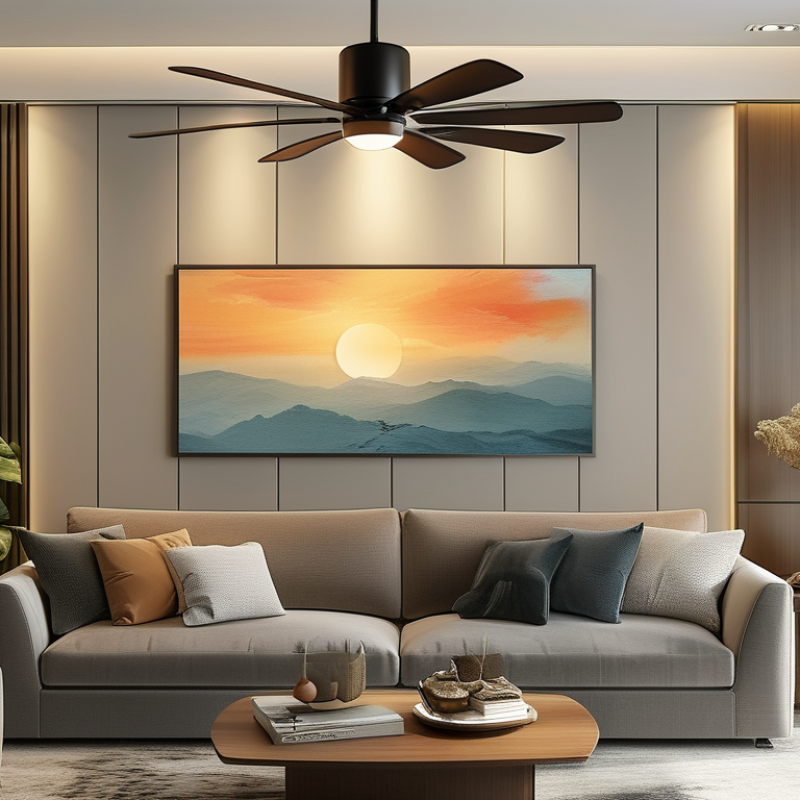
Smart ceiling fans offer a new approach to home cooling. These fans can significantly enhance energy efficiency. Research indicates that they can reduce energy costs by up to 30%. By integrating with smart thermostats, they optimize airflow and maintain comfort levels more efficiently.
Understanding their functionality is crucial. Many smart fans come equipped with sensors. These detect temperature and humidity levels. They adjust speed based on real-time conditions, allowing for personalized comfort. Some models even work with home automation systems. This means you can control the fan via voice commands or mobile apps.
While the initial investment for smart ceiling fans may be higher, their long-term energy savings can offset this cost. However, not all homes might benefit the same way. The performance of these fans can vary based on room size and design. Homeowners need to assess their specific needs before purchasing. Investing in smart technology may not be for everyone. Careful consideration is essential for those thinking about upgrading.
Smart ceiling fans can significantly improve energy efficiency in homes.
These fans help regulate temperatures, which can lead to lower energy bills.
They use less energy than traditional air conditioning units while keeping spaces comfortable. Some models can also connect to smart home systems.
This allows users to adjust settings remotely, creating a tailored environment.
The technology behind smart fans is impressive. Many integrate sensors that detect room occupancy.
They automatically adjust speeds based on temperature, optimizing energy use. This not only saves money but also reduces carbon footprints.
However, the upfront investment can be a concern for some homeowners. Not everyone may see immediate savings, especially in cooler climates where ceiling fans are used less frequently.
Adopting smart ceiling fans comes with a learning curve. Users may need to experiment with different settings.
Some might find the initial costs off-putting. Yet, over time, the potential savings can be worthwhile.
Understanding how and when to use these fans is key to maximizing benefits.
Being mindful of energy consumption leads to better decisions and can eventually lead to significant savings on energy bills.
Investing in smart ceiling fans can be a mixed bag. The initial cost is often higher than traditional fans. With advanced technology, these fans offer features like remote control and energy monitoring. This can be appealing but raises questions about whether they truly save money in the long run.
Many consumers overlook the long-term savings aspect. Smart fans can reduce energy consumption by adjusting to room conditions automatically. Some studies suggest they help lower electricity bills significantly. However, the upfront expense might not guarantee immediate savings, leading some homeowners to rethink their decision.
Additionally, technology changes rapidly. What seems efficient today may become outdated. It’s crucial to weigh the potential savings against your interest in the latest gadgets. In the end, each household's situation differs. Only careful consideration will reveal if the investment aligns with your energy-saving goals.
Smart ceiling fans are gaining popularity for their energy-saving capabilities. With advanced features, they offer enhanced control and automation. According to the U.S. Department of Energy, ceiling fans can save homeowners up to 15% on cooling costs. Smart fans optimize airflow direction and speed, ensuring efficient operation throughout the day.
Using smart technology, these fans can be controlled remotely via smartphones. This means users can adjust settings while away from home. Automation allows fans to turn on or off based on room occupancy. A study from the American Council for an Energy-Efficient Economy shows that intelligent control systems can lead to additional energy savings of up to 30%.
Tips: Always measure your room size before purchasing. Choose a fan that fits your space for optimal performance. Regular maintenance is crucial. Dust and debris can hinder fan efficiency, so clean your ceiling fans regularly. Small changes can lead to significant savings. The investment in smart ceiling fans can pay off over time, but users should consider their specific needs.
| Feature | Description | Estimated Energy Savings (%) | Initial Cost ($) | Payback Period (Months) |
|---|---|---|---|---|
| Smart Controls | Remote operation via smartphone app, voice control, and scheduling. | 20% | 200 | 12 |
| Energy Monitoring | Track energy consumption and optimize performance. | 25% | 250 | 10 |
| Integration with HVAC | Works synergistically with your heating and cooling systems. | 30% | 300 | 8 |
| Automatic Speed Adjustment | Adjusts fan speed based on room temperature. | 15% | 180 | 14 |
| Scheduling Features | Set schedules for fan operations to save energy. | 20% | 220 | 11 |
Smart ceiling fans have gained traction in homes for their energy-saving potential. Users report significant reductions in energy costs, particularly during hot summer months. A recent study by the American Council for an Energy-Efficient Economy indicated that smart ceiling fans can save homeowners an average of 30% on cooling costs. This figure reflects real-world insights from those who have upgraded from traditional fans.
Many users appreciate the convenience of controlling fans via smartphone apps or voice commands. They find it easier to set schedules and adjust speeds without getting up. One report highlighted that 68% of users value this convenience. However, some users expressed concern over initial costs. Smart fans are often pricier than standard models, raising questions about long-term savings.
Another aspect users mention is energy monitoring. Smart fans often come equipped with energy usage tracking features. This information allows homeowners to make informed decisions about usage patterns. While many users appreciate this technology, a few reported inaccuracies in the data provided. Overall, user experiences shed light on the tangible benefits of smart ceiling fans, even as they navigate the trade-offs of investment costs versus savings.
: Smart ceiling fans enhance energy efficiency and can reduce cooling costs by up to 30%.
Many smart fans have sensors that detect temperature and humidity. They adjust speed based on real-time conditions.
Yes, smart fans can be controlled via mobile apps or through voice commands for added convenience.
While the upfront costs are higher, long-term energy savings may offset this expense depending on usage.
No, performance varies based on room size and design. Homeowners should assess their specific needs before buying.
Many users appreciate controlling their fans without getting up. About 68% find this feature convenient.
Some users reported inaccuracies in energy usage tracking. It’s important to monitor and compare data carefully.
They often feature energy usage tracking, helping homeowners make informed decisions about their cooling habits.
Installation ease can vary. Some homeowners may need professional help depending on their existing setup.
Evaluate your home's design and personal comfort needs. Not every home may benefit from this technology.
The article "Are Smart Ceiling Fans Worth the Investment in Energy Savings?" explores the functionality and advantages of smart ceiling fans in enhancing energy efficiency in homes. These advanced fans are designed to optimize air circulation, which can significantly reduce energy bills by minimizing reliance on air conditioning. While the initial investment may be higher compared to traditional fans, the long-term savings on energy costs often outweigh the upfront price.
Additionally, smart ceiling fans come equipped with features that provide enhanced control and automation, allowing users to adjust settings remotely and create schedules for optimal energy use. User experiences highlight the practical benefits these fans offer, demonstrating their value not just in terms of comfort but also in financial savings. Ultimately, the question of whether smart ceiling fans are worth it can be answered affirmatively for those looking to improve energy efficiency while enjoying modern conveniences.

Fanpro Light