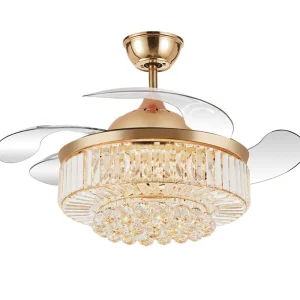
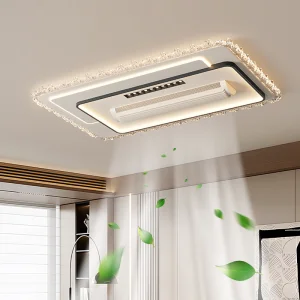
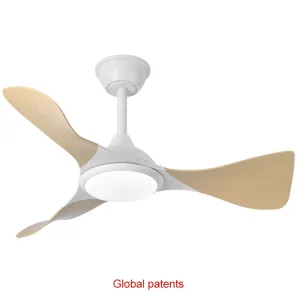
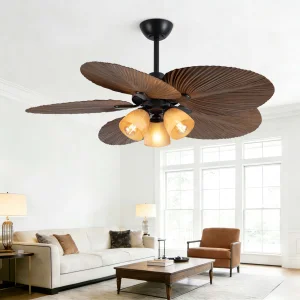
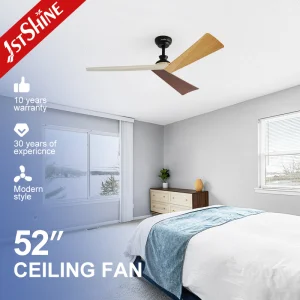
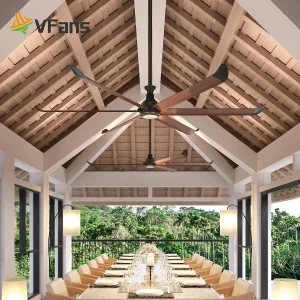
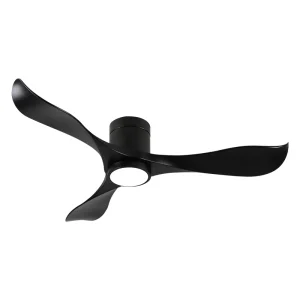
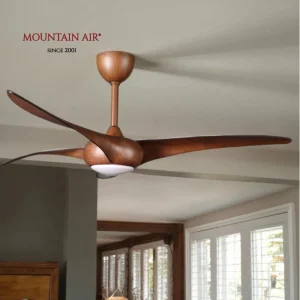
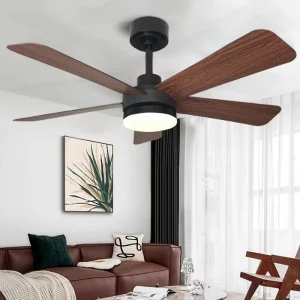
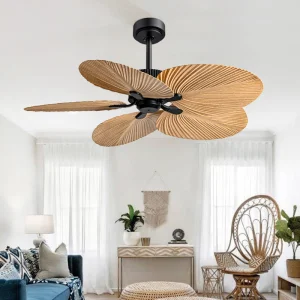
Explore our elite selection of intelligent, circadian-aligned residential and hospitality air circulation solutions designed for optimal thermodynamic performance.
The convergence of circadian physiology, advanced solid-state lighting, and brushless DC motor thermodynamics.
Biorhythm ceiling fans rely on precise spectral modulation. By adjusting color temperatures dynamic ranges between 2700K and 6500K, they align with human hormonal cycles, regulating melatonin secretion to boost cognitive focus during mid-day and aid gentle winding-down phases during evening hours.
Rather than continuous rigid speeds, biorhythm-enabled controllers run natural wind mapping profiles. Built on fractal algorithms (such as 1/f fluctuation curves), these fans simulate pleasant outdoor environments, preventing thermal shock and mitigating sensory fatigue from static airflow.
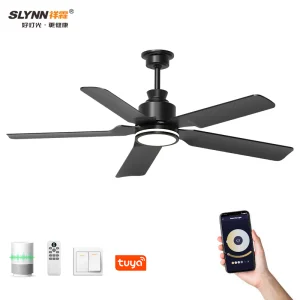
Utilizing high-frequency Tuya, Zigbee, or Bluetooth Mesh protocols, sensors feed ambient telemetry (humidity, CO2 index, passive infrared occupancy) directly to the microprocessor, automatically modulating air delivery and lux outputs according to spatial dynamics.
Biorhythm functions represent the peak of human-centric appliance design. By synchronizing circadian-appropriate lighting with thermal regulation, these devices address the modern indoor dilemma: prolonged artificial exposure and poor sleep hygiene. As global exporters, we emphasize that these systems do not merely move air; they actively tune indoor environments to match the evolutionary biological needs of the human body, providing massive competitive advantages in the B2B marketplace.
How commercial, residential, and healthcare systems utilize biorhythm-based air movement.
Modern luxury hotels face the challenge of jet lag and sleeping disturbances. Biorhythm ceiling fans with customizable light profiles simulate localized sunrise/sunset transitions, facilitating deeper sleep states. Utilizing low-noise DC motors operational down to 28dB, hotels achieve optimal guest comfort scores and energy savings compared to mechanical HVAC conditioning alone.
Productivity hinges on metabolic stability and visual comfort. Incorporating smart air circulation synced with cool daylight ranges (5000K-6000K) during active hours prevents afternoon fatigue. As air currents sweep away localized carbon dioxide layers, employee cognitive focus improves, reducing visual strain and increasing overall corporate efficiency.
A professional leader in smart ceiling fans, DC motor development, and intelligent air circulation solutions.
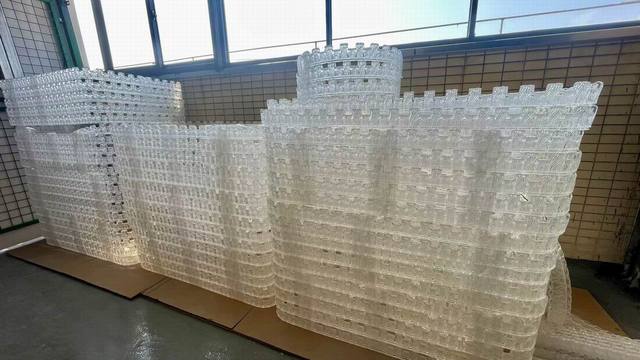
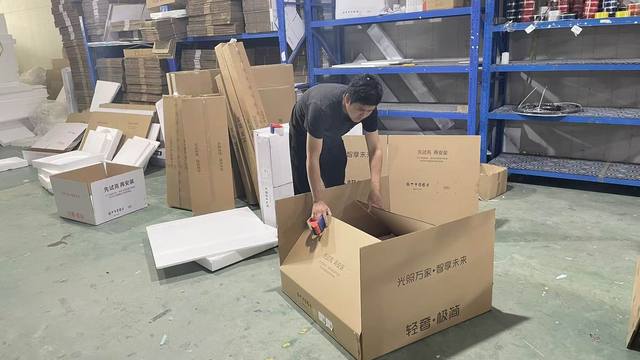
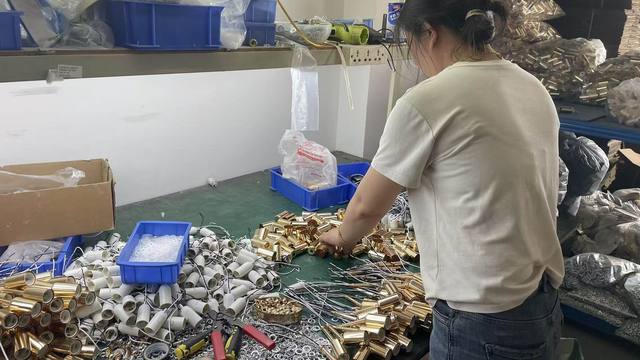
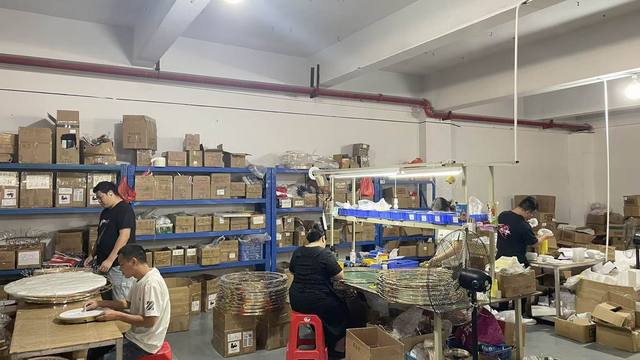
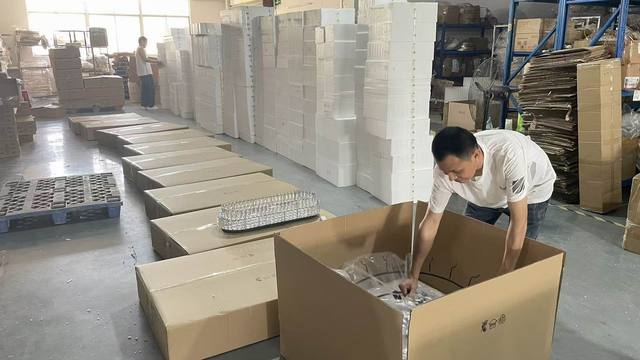
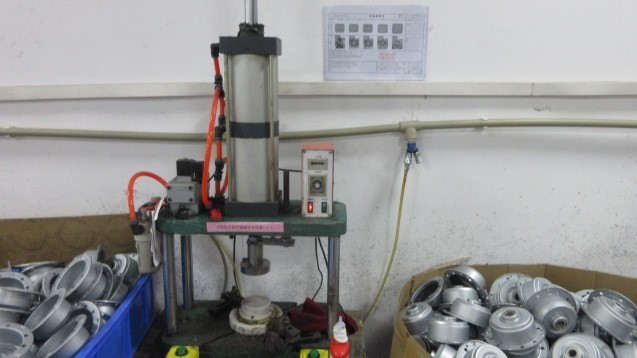
Established in 2012 and located in Dongguan, Guangdong—China’s premier manufacturing core—Dongguan Fanpro Light Co., Ltd. has pioneered residential, commercial, and hospitality ventilation systems for over a decade. Spanning a modern production facility of more than 12,000 square meters and powered by 180+ highly skilled technical specialists, Fanpro integrates product industrial design, structural engineering, precision motor manufacturing, and strict international QA protocols under one roof.
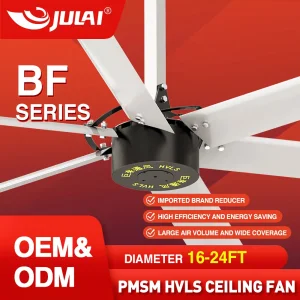
Fanpro's expertise ranges from smart WiFi ceiling fans to custom decorative solutions, silent low-profile units, and commercial HVLS equipment. Operating multiple automated assembly lines and specialized testing labs, the company guarantees stable aerodynamic performance, long-term durability, and strict global compliance across major markets, serving B2B buyers with flexible OEM and ODM services.
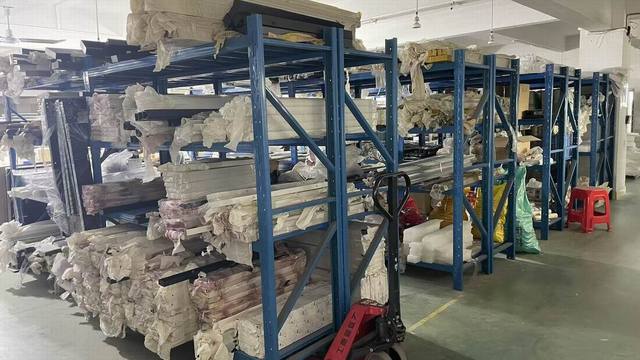
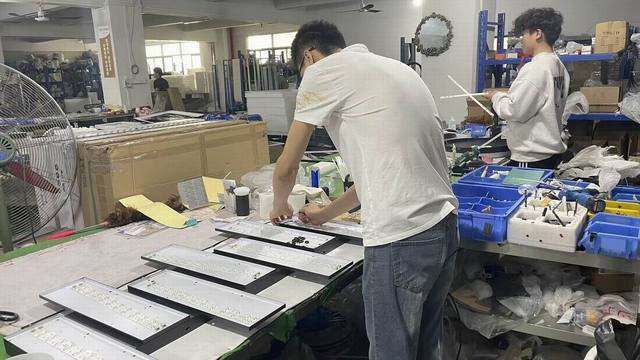
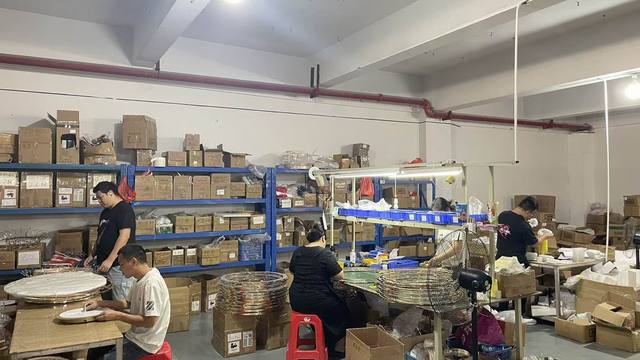
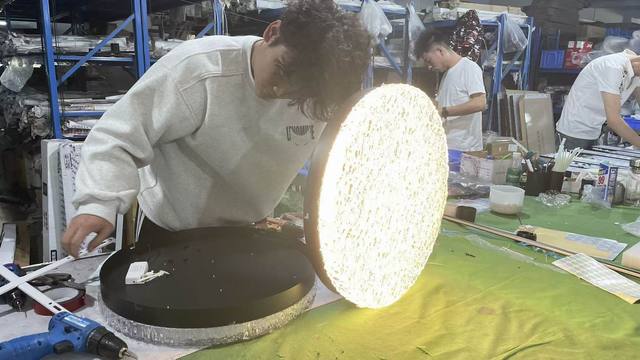
Why selecting a mature Chinese exporter like Fanpro guarantees long-term margin and supply stability.
By sourcing direct cooper wire, high-grade silicon steel sheet rotors, and engineered ABS/polycarbonates within a 50km radius in Guangdong, Fanpro insulates clients from rapid raw-material cost spikes.
Advanced automated stator coil winding machines eliminate human error, ensuring uniform magnetic fields, maximizing thermal dissipation, and achieving 99.8% motor startup reliability.
Computational Fluid Dynamics (CFD) simulate blade pitch aerodynamic resistance, maximizing wind delivery (CFM) relative to wattage consumption, exceeding international ErP benchmarks.
Navigating import standards, certifications, and technical mandates across North American, European, and Asia-Pacific regions.
B2B buyers, importers, and EPC contractors must navigate complex safety regulations when purchasing biorhythm and smart ceiling fans. Below are the core compliance matrices which Dongguan Fanpro Light Co., Ltd. continuously satisfies across all global shipments:
Mandatory certification for electrical safety under UL 507. Smart microcontrollers must carry FCC Part 15 subpart B compliance to verify radio frequency interference mitigation. Energy Star certifications are also critical to tap into regional commercial tax incentives.
Compliance with Low Voltage Directive (LVD) and Electromagnetic Compatibility (EMC) guidelines. Under current Ecodesign guidelines (ErP), standby power consumption must remain below 0.5W, and motor power efficiency must hit progressive strict tiers.
Compliance with AS/NZS standards is mandatory for both domestic and commercial installations. Motor insulation classes must withstand high ambient humidity indices, particularly for subtropical installations.
Analyzing future design patterns and technological advances in smart interior climate systems.
Future models will move beyond manual pre-programmed schedules. Integrated radar and thermal imaging arrays will detect skin temperature and sweat levels, dynamically calculating and applying the correct wind speed and light warmth to maintain homeostasis without requiring manual input.
By migrating to Permanent Magnet Alternating Current (PMAC) motor topography, upcoming fans will squeeze another 15-20% efficiency gains out of standard designs, allowing commercial operators to optimize HVAC loads across thousands of square meters.
Technical and procurement answers designed for importers, designers, and distribution partners.
Discover more specialized energy-saving designs, commercial ventilation solutions, and vintage collections.
 Fanpro Light