Discover state-of-the-art heavy-duty commercial fans, PMSM motors, and stylish indoor ceiling configurations.
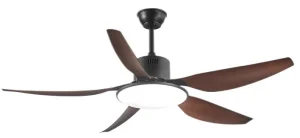
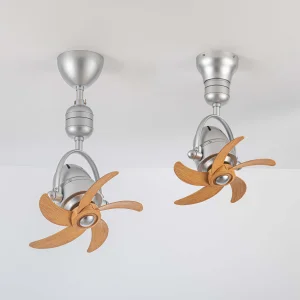
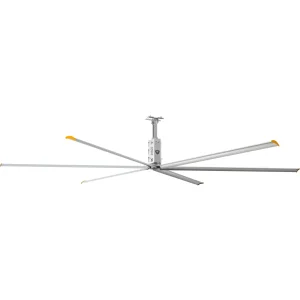
In modern architecture and interior design, climate control is no longer solely about utility. It is an intricate balance of thermodynamics, energy efficiency, and interior styling. Among the diverse product segments in air circulation, ceiling fans with decorative pull chains represent a unique intersection of classic tactile mechanics and contemporary thermal design. While smart systems and remote controllers dominate modern specifications, the classic pull-chain switch remains an indispensable mechanical failsafe, a requirement for high-durability hospitality settings, and a core aesthetic feature in retro-modern, coastal, and industrial-chic interiors.
Information Gain Insight: According to global construction and real estate procurement trends, projects in high-humidity climates (e.g., Southeast Asia, coastal North America, and the Caribbean) demand mechanical switches because they are less vulnerable to RF interference and humidity-induced circuit board failures than purely electronic receivers.
B2B buyers, including commercial developers, architectural engineers, and global distributors, evaluate manufacturing partners through a multi-dimensional matrix. They require motors capable of continuous duty, high CFM-to-watt ratios, and mechanical switches certified for over 100,000 cycles. Thus, sourcing from top-tier factories that offer customizable pull-chain fixtures (ranging from raw metals, premium timbers, and customized acrylics to match internal lighting hardware) is vital to meeting local building codes and design briefs.
Double-shielded, heavy-duty switch modules tested under high voltage changes to prevent internal carbon arcing and connection failures over long-term usage.
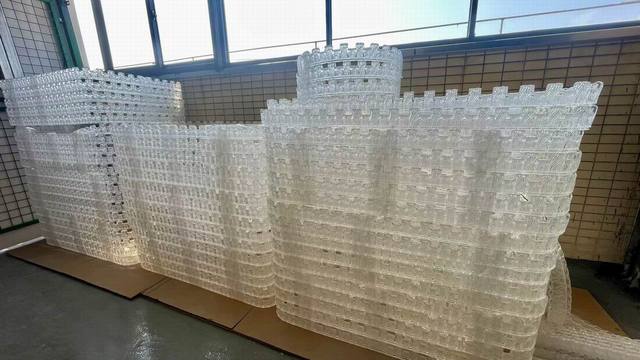
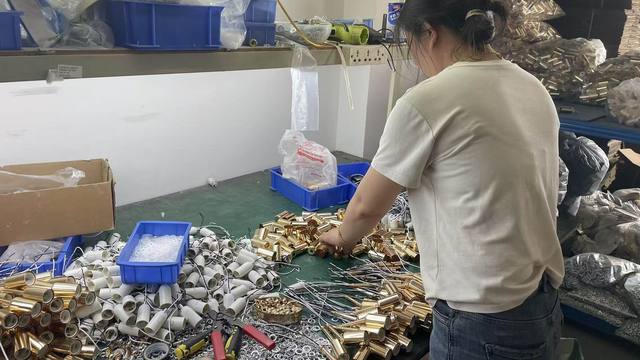
Custom pull chains tailored with raw brass, copper, or structural glass elements to coordinate seamlessly with architectural hardware and trim styling.
Adherence to global standards like UL 507, CE, RoHS, and Energy Star requirements, ensuring seamless custom clearances and structural safety approvals.
A professional leader in smart air circulation and custom-engineered decorative ceiling fan systems.
Dongguan Fanpro Light Co., Ltd. is a professional ceiling fan manufacturer specializing in the design, development, and production of smart ceiling fans, DC motor ceiling fans, and energy-efficient air circulation solutions for residential, commercial, and hospitality applications. Established in 2012, the company is located in Dongguan, Guangdong, one of China's leading manufacturing hubs, providing convenient access to global logistics networks and supply chains.
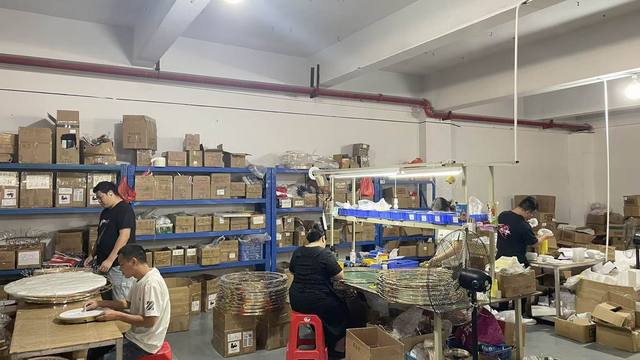
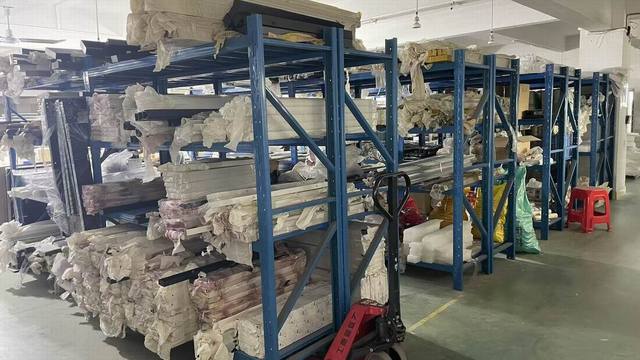
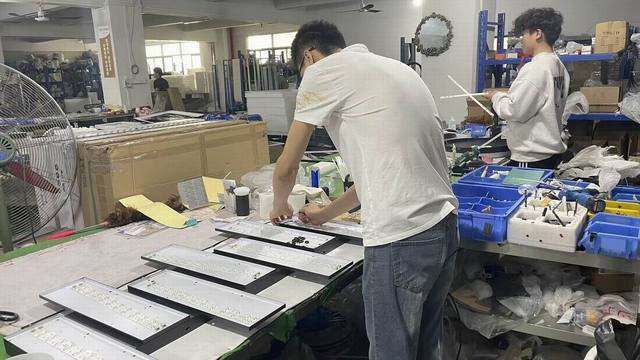
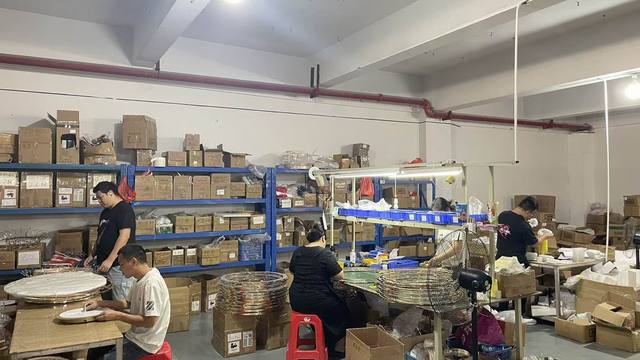
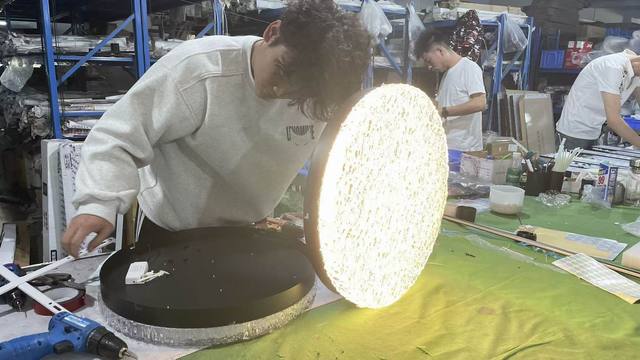
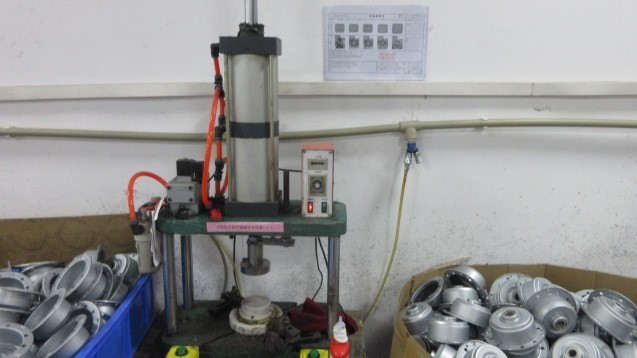
With a modern production facility covering more than 12,000 square meters and a workforce of over 180 skilled employees, Fanpro Light integrates product design, engineering, manufacturing, quality control, and international sales under one roof. The company operates multiple assembly lines and testing laboratories to ensure consistent product performance, durability, safety, and compliance with international standards.
Fanpro Light offers a comprehensive range of ceiling fan solutions, including smart WiFi ceiling fans, DC motor ceiling fans, ceiling fans with LED lighting, low-profile ceiling fans, decorative ceiling fans, outdoor ceiling fans, and commercial air movement systems. The company continuously invests in motor technology, energy-saving innovations, and intelligent control systems to meet evolving market demands.
As an experienced OEM and ODM manufacturing partner, Fanpro Light supports customers worldwide with customized designs, private labeling, packaging solutions, and product development services. Its products are exported to North America, Europe, Australia, Southeast Asia, the Middle East, and other international markets. Committed to quality, innovation, and long-term partnerships, Dongguan Fanpro Light Co., Ltd. strives to provide reliable ceiling fan products and flexible manufacturing solutions that help customers strengthen their competitiveness in the global marketplace.


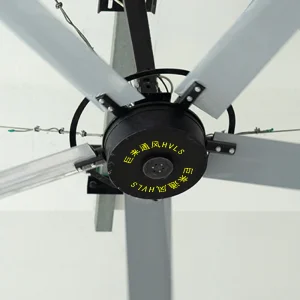
In commercial, industrial, and educational settings, ventilation design plays a crucial role in lowering carbon footprints. The primary challenge is optimizing heating, ventilation, and air conditioning (HVAC) systems. Standard HVAC units consume significant electrical loads. Industrial HVLS (High-Volume Low-Speed) ceiling fans, as well as high-efficiency residential/commercial units, solve this by redistributing air columns to create a wind-chill effect, lowering perceived temperatures by up to 5°C with minimal energy usage.
For educational facilities, hospitality settings, and open offices, acoustic comfort is as critical as airflow volume. Standard alternating current (AC) motors often produce hums and magnetic resonance. The transition to Brushless Direct Current (BLDC) and Permanent Magnet Synchronous Motors (PMSM) has resolved these noise issues. Implementing double-shielded, low-resistance copper coils allows for low noise output (below 35dB) and saves up to 70% more energy than legacy AC motors.
While IoT integration enables control via smart applications and voice systems, local physical overrides are essential for redundancy. This is particularly true in hospitality and public spaces, where guests expect intuitive, tactile controls instead of complicated mobile interfaces.
Modern structural design utilizes a hybrid layout. The pull-chain switch functions as a direct line-voltage break or sends low-voltage commands to the fan's control board. This setup maintains the convenience of classic pull chains while integrating with modern smart control systems.
Dynamic balancing is essential for quiet operations. Top manufacturers employ computerized balance sensors that detect dynamic imbalances down to 0.02 grams. High-grade blades (such as solid timber, aluminum extrusion, or aerodynamic ABS plastics) are weight-matched in sets before packaging, preventing wobbles that can lead to hardware fatigue and chain noise.
Outdoor applications in coastal areas require materials that resist oxidation. Modern specifications include marine-grade stainless steel hardware, electrophoretic surface coatings, and moisture-sealed pull switches. This prevents saline fog and high humidity from degrading the electrical contacts.
The global air movement sector is undergoing rapid transformation, guided by strict energy mandates like ErP in the European Union and the Energy Policy and Conservation Act (EPCA) in North America. These regulations push manufacturers to develop advanced aerodynamic profiles and integration options.
Transitioning to ultra-efficient PMSM motor drives, which offer up to 85% motor efficiency and dynamic variable speed adjustments.
Utilizing certified post-consumer recycled plastics, FSC-certified timbers, and low-VOC paints to meet sustainability standards.
Replacing standard capacitor-based speed switches with solid-state modules, ensuring durability and preventing mechanical wear.
Navigating import regulations is a key consideration for global procurement teams. A manufacturer's engineering capability is demonstrated by their certifications. High-volume factories must maintain updated test reports from third-party laboratories (such as SGS, Intertek, and TÜV Rheinland) to confirm compliance with international electrical standards.
These compliance steps include CE marking for European Union distributors, UL/ETL listings under standard 507 for North American markets, and SAA approval for Australia. Beyond basic safety certifications, factories must meet electromagnetic compatibility (EMC) standards to prevent fans from introducing electrical noise into local power networks. This ensures long-term operational reliability in commercial and hospitality environments.
Critical engineering and logistics answers for commercial buyers, developers, and distributors.
Discover dimmable LED smart fans, low-profile styles, and durable warehouse ventilation solutions.
 Fanpro Light