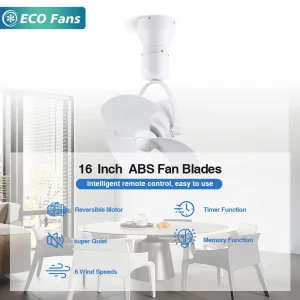
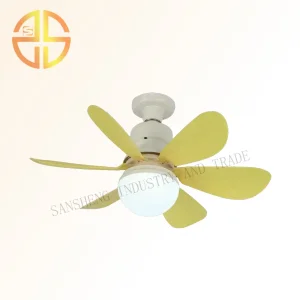
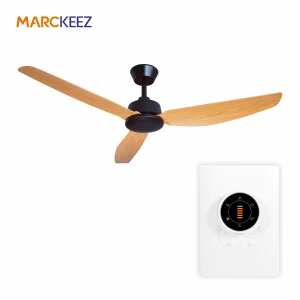
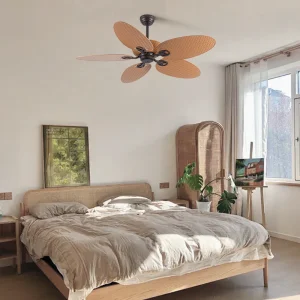
High-performance DC and HVLS ceiling fans engineered for residential comfort, hospitality suites, and demanding industrial applications.
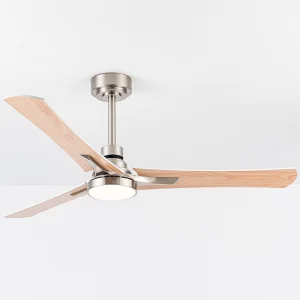
As the international HVAC industry aligns with global decarbonization goals, the demand for sustainable energy-saving cooling solutions is expanding at an unprecedented rate. Conventional AC-motored ceiling fans, once standard, are being replaced by highly efficient Brushless Direct Current (BLDC) motors and Permanent Magnet Synchronous Motors (PMSM). These new technologies reduce energy consumption by up to 70% while improving air circulation.
Modern eco-friendly ceiling fans serve as critical destratification systems in large residential, commercial, and industrial structures. By thermal-balancing rooms, they significantly decrease the workload of primary air-conditioning systems. In cooling applications, this synergistic integration reduces overall energy consumption by up to 30%. In heating applications, it redistributes warm air trapped at the ceiling back to the floor level, lowering heating costs in cold climates.
Transitioning from AC induction motors to multi-stage BLDC and PMSM cores optimizes electrical-to-mechanical conversion efficiency, running cool and quiet.
Decreased wattage consumption lowers commercial utility expenses and aligns with international green building standards like LEED and BREEAM.
Using CAD-engineered bionic blades and lightweight materials like ABS, Paulownia wood, and aircraft-grade aluminum maximizes airflow per watt.
Environmental policies such as the EU's Ecodesign Directive (ErP) and the US Department of Energy's (DOE) updated energy conservation regulations are driving this market transformation. Manufacturers must focus R&D on minimizing standby power consumption, optimizing blade aerodynamics, and integrating smart home ecosystems. Smart sensors adapt fan speed based on ambient temperature and occupancy, further reducing energy waste.
For B2B buyers, distributors, and brand owners, choosing a manufacturing partner requires balancing capacity, precision engineering, and strict quality control. The top eco-friendly ceiling fan factories differentiate themselves through technical capabilities, raw material selection, and rigorous testing protocols.
Procurement teams face unique requirements depending on their target market. Residential building developers, luxury hospitality designers, and industrial warehouse operators seek distinct fan designs and engineering solutions.
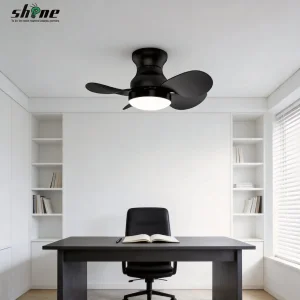
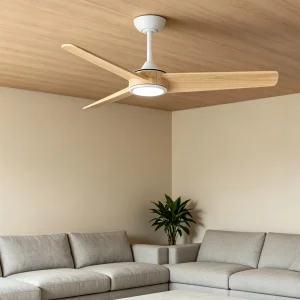
High-end residential projects and boutique hotels prioritize noise control and aesthetic design. Current design trends lean toward Japandi, Scandinavian minimal, and modern industrial styles. Natural timber blades, textured finishes, and integrated dimmable LED lights with high Color Rendering Indexes (CRI ≥ 90) are highly requested. IoT integrations, like Wi-Fi/Bluetooth smart control via Tuya, SmartLife, Alexa, and Google Assistant, are now standard expectations.
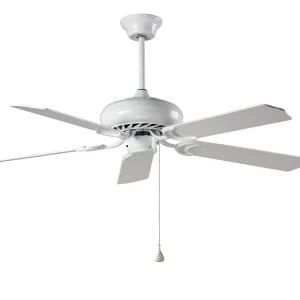
In offices, schools, and restaurants, continuous operation demands durable motors. Procurement teams in these markets focus on low-maintenance DC motor designs, long-term warranties (such as 10-year motor guarantees), and multi-fan group controls. These commercial setups must also meet strict safety guidelines, requiring secondary safety cables and robust mounting brackets.
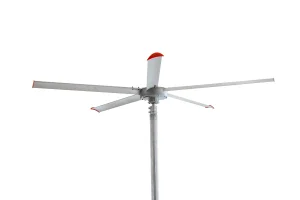
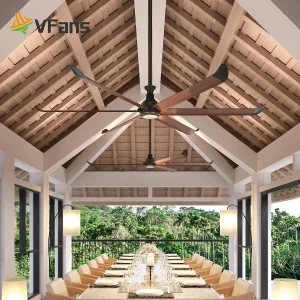
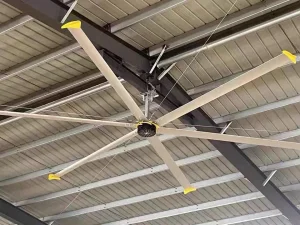
For large industrial facilities, High-Volume Low-Speed (HVLS) fans are the standard. Spanning from 1.5 to over 7 meters, these fans use PMSM direct-drive technology to move massive columns of air with minimal electricity. They replace loud, inefficient high-speed drum fans, ensuring thermal comfort, reducing worker fatigue, and protecting moisture-sensitive inventory from condensation.
Dongguan, located in China's Pearl River Delta, is a global hub for advanced hardware, electronics, and lighting production. The city's comprehensive industrial supply chain lets local factories source raw materials, execute high-precision tooling, run CNC motor fabrication, and access logistics networks within a 50-kilometer radius.
Dongguan Fanpro Light Co., Ltd. represents this modern, integrated approach. Established in 2012, Fanpro has grown into a leading manufacturer of smart ceiling fans, DC motor fans, and energy-efficient ventilation systems for residential, commercial, and hospitality settings.
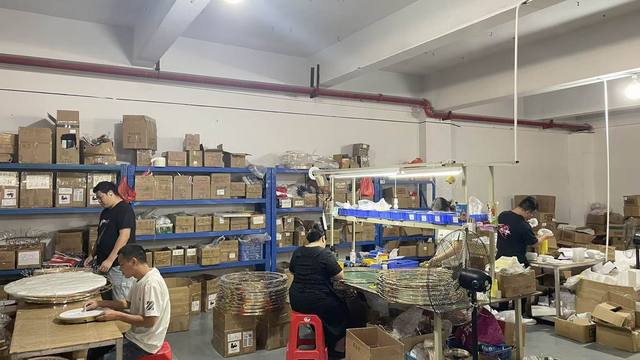
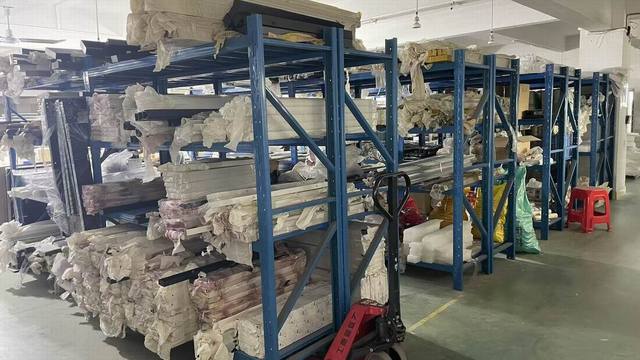
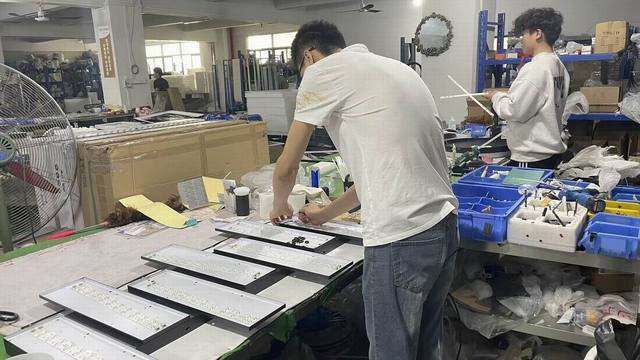
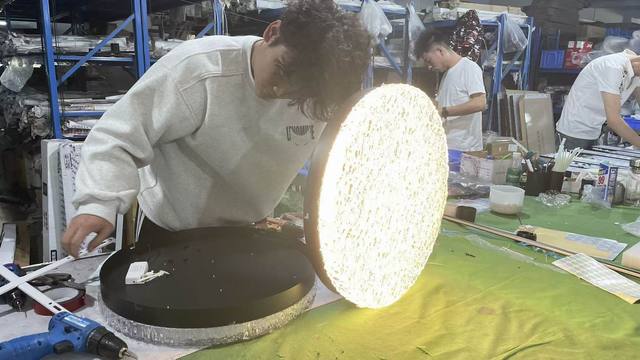
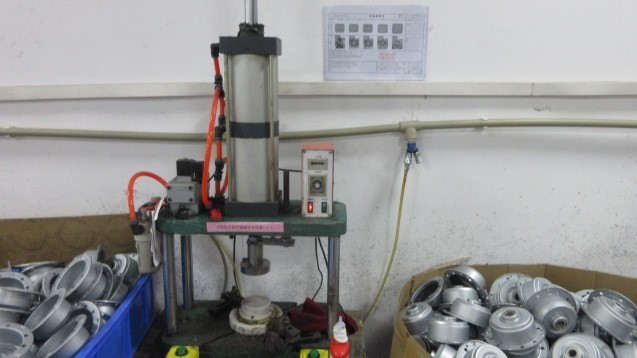
Covering a modern facility of over 12,000 square meters and staffed by more than 180 skilled technicians, Fanpro Light integrates product design, structural engineering, precision manufacturing, strict quality control, and international sales under one roof. The facility features automated assembly lines and specialized testing labs that inspect motor insulation, dynamic balancing, decibel output, and operational lifespans. This setup ensures consistent product safety and compliance with international standards.
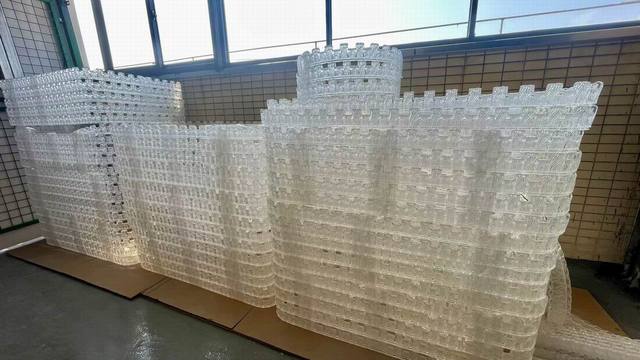
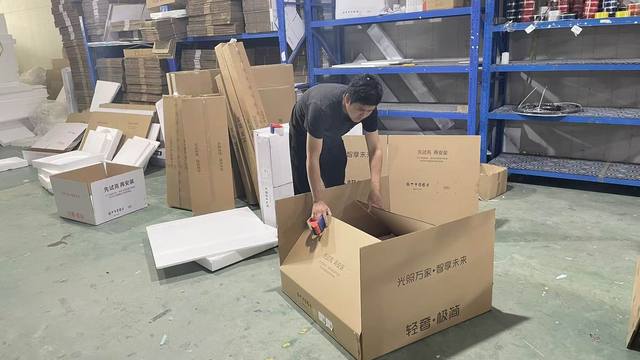
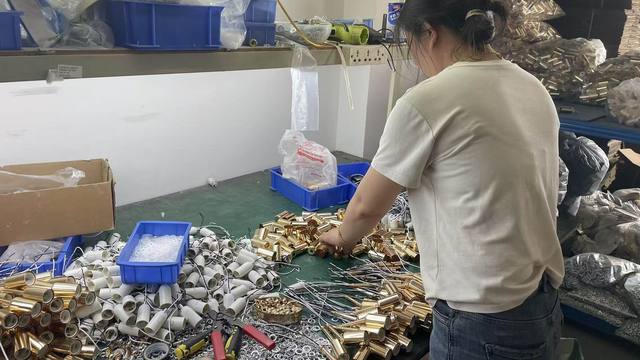

A ceiling fan's performance depends on its installation environment. Modern manufacturers must customize products to meet regional climates and diverse architectural designs.
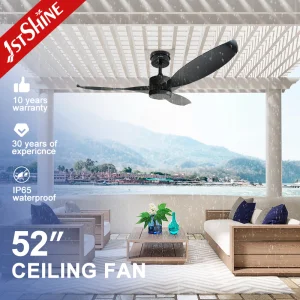
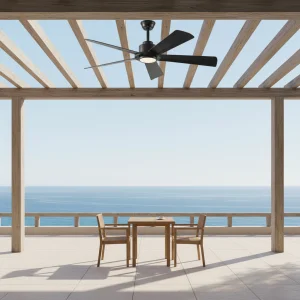
Salt fog, high humidity, and rain can quickly corrode standard indoor ceiling fans, leading to motor failures. Outdoor areas like verandas, open restaurants, and seaside resorts require IP65-rated smart control fans with ABS blades, rust-proof hardware, and fully sealed motor housings.
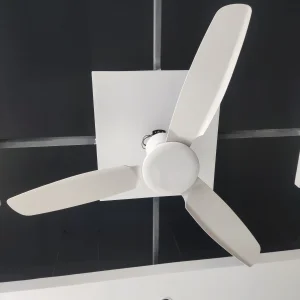
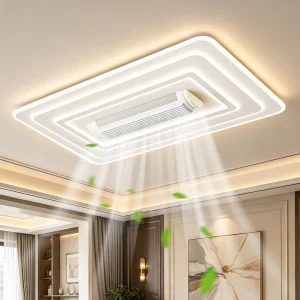
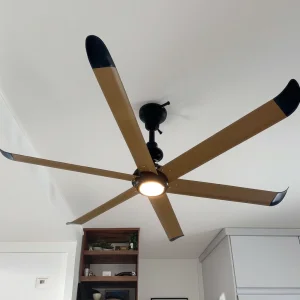
Modern apartments with low ceilings (under 2.6 meters) cannot safely install standard downrod ceiling fans. Flush-mount, bladeless, or low-profile DC ceiling fans keep blades close to the ceiling, maintaining safety clearance while ensuring air circulation.
High-traffic areas require strong airflow and continuous operation. Large DC ceiling fans with reversible PMSM motors run constantly, preventing stale air buildup and lowering cooling costs without distracting customers with motor noise.
Technical answers to help buyers evaluate ceiling fan components, choose specifications, and navigate international procurement.
AC motors run on alternating current directly from the grid, controlling speed by altering the current's frequency. DC motors use an internal inverter to convert AC to DC, allowing precise speed control via magnetic poles. In practice, DC motors consume up to 70% less energy, run quieter, generate less heat, and offer more speed options (often 6 speeds compared to 3 speeds for AC models).
PMSM (Permanent Magnet Synchronous Motor) is a direct-drive technology that eliminates the need for a gearbox. This design prevents gear-oil leakage, reduces friction wear, and lowers maintenance costs. PMSMs deliver higher torque at lower speeds, allowing them to spin large fan blades (up to 7.3 meters) efficiently while generating minimal heat and operating quietly.
In winter, warm air naturally rises to the ceiling while cold air sinks to the floor. Reversing the fan's rotation to clockwise (reverse mode) draws air upward. This pushes the warm ceiling air down along the walls and into the living space without creating a cold draft. This process, called destratification, helps balance room temperature and reduces heating system runtimes.
For the North American market, fans must carry ETL or UL safety certifications, and Energy Star ratings are required for eco-friendly compliance. In the European Union, products must have CE, CB, RoHS, and ErP certificates to ensure they meet electrical safety, environmental protection, and energy-use standards. In Australia, the SAA certification is required.
Yes. Modern smart ceiling fans feature control boards that support Zigbee, Modbus, RS485, and Wi-Fi protocols. This compatibility allows them to integrate into building management systems (BMS) and smart home setups, enabling automated adjustments based on occupancy, temperature, and humidity sensors.
For customized OEM/ODM production, the typical minimum order quantity ranges from 100 to 500 units per model, depending on the level of customization. Custom blade finishes, unique housing designs, and specialized electronic controls may require higher MOQs to offset tooling and setup costs. Standard factory configurations with basic branding often have lower MOQ requirements.
Explore our technical catalog of high-efficiency commercial, residential, and industrial ceiling fans.
 Fanpro Light