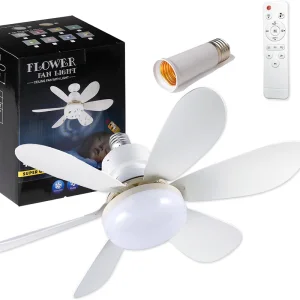
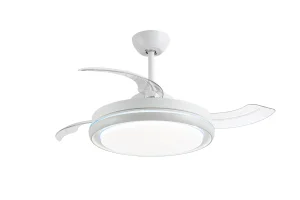
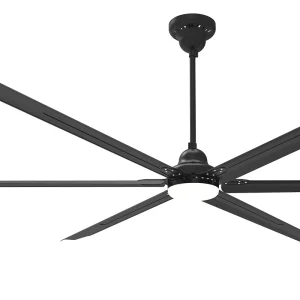
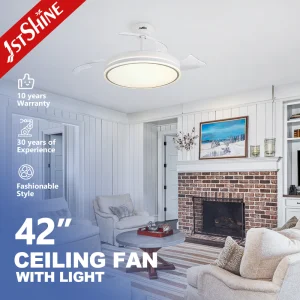
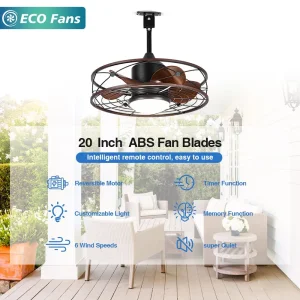
Premium performance fixtures optimized for structural durability, offering integrated dual lighting and thermal regulation capabilities.
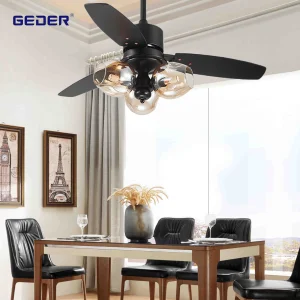
Exploring the micro-climatic and infrastructural dependencies that govern B2B ventilation imports in domestic industrial and municipal construction.
The Democratic People's Republic of Korea (DPRK) presents a unique micro-environmental profile for structural design and mechanical electrical engineering. Geographically situated in a continental climate zone characterized by extreme seasonal fluctuations, the territory experiences exceptionally hot, humid summer cycles alongside freezing, arid winter conditions. The urban industrial nodes of Pyongyang, Nampo, and Sinuiju, alongside specialized economic trade regions like Rason, undergo intense thermal stresses that place strict performance requirements on building utility equipment.
For manufacturing plants, administrative offices, and collective housing units, implementing dual-function machinery—which integrates high-volume airflow and low-draw solid-state lighting—is not simply an aesthetic consideration, but a structural necessity. Due to localized electrical grid topologies, which are frequently subject to wide voltage variations, frequency instability, and reactive power surges, standard municipal structures require electrical devices engineered with high tolerance margins. In response, modern construction agencies are looking for ceiling fans featuring brushless DC (BLDC) motors paired with intelligent, wide-range voltage drivers. By reducing active power demand compared to conventional AC induction motors by up to 60-70%, these units lower the load on regional distribution networks, ensuring uninterrupted air circulation even during low-voltage cycles.
Furthermore, B2B procurement pipelines originating from cross-border manufacturing centers demand products with robust, maintenance-free operational life-spans. Equipment deployed in local textile mills, food processing plants, and public administrative centers must withstand airborne particulate matter and high humidity levels without experiencing windings failure or structural oxidation. As a result, ceiling fan blades constructed from reinforced ABS engineering plastics, marine-grade plywood, and cold-rolled silicon steel motors are seeing rising demand. Integrating high-lumen, multi-stage LED matrices directly into these fan hubs removes the need for secondary lighting circuits, allowing project planners to maximize wiring layouts and lower total installation costs.
Analysing global trends in air-movement technologies and modern smart integrations.
The global ceiling fan industry has transitioned from basic cooling appliances to advanced thermodynamic devices designed to improve indoor air quality, thermal comfort, and energy efficiency. Today, engineering focuses heavily on aerofoil blade optimization, permanent magnet synchronous motors (PMSM), and integrated smart control logic. These innovations help reduce heating and cooling costs in commercial and residential properties by improving airflow distribution and minimizing air stratification.
A key driver of this evolution is the replacement of traditional single-phase AC induction motors with Brushless DC (BLDC) systems. Driven by permanent neodymium magnets, BLDC motors generate high torque relative to their volume, operate at lower temperatures, and eliminate carbon brush friction. This reduction in friction significantly increases the lifetime of internal bearings, ensuring quieter operation (often below 35 dB). These properties make modern DC fans suitable for environments where noise control is critical, such as libraries, administrative meeting halls, health centers, and residential quarters.
In terms of lighting, modern ceiling fans increasingly feature high-efficacy surface-mount device (SMD) LED modules with customized heat sinks. Rather than using standard incandescent bulbs, these integrated light panels offer adjustable Correlated Color Temperature (CCT) profiles—ranging from warm white (2700K) to cool daylight (6500K). This flexibility allows users to adjust lighting to match daily productivity cycles. Additionally, using PMMA (polymethyl methacrylate) or impact-resistant polycarbonate for light diffusers ensures even light distribution while protecting the light source from dust and insects, resulting in a cleaner, longer-lasting fixture.
Our core structural and electrical systems are engineered specifically to handle fluctuating voltage supplies and harsh local climates.
Building machinery for the North Korean industrial and commercial sectors requires durable components capable of handling unstable electrical inputs. The design of our power supply units (PSUs) and mechanical linkages follows a clear technical roadmap focused on safety, efficiency, and long-term reliability:
Standard electrical items often fail when voltage drops below 180V or spikes above 240V. Our engineering team has developed a switch-mode power supply (SMPS) integrated driver that handles input variations from 90V to 265V AC. The driver uses robust Japanese electrolytic capacitors rated for operation up to 105°C, along with transient voltage suppressors (TVS) and varistors. These components absorb high-energy electrical spikes, protecting the motor and control circuits from premature wear and electrical faults.
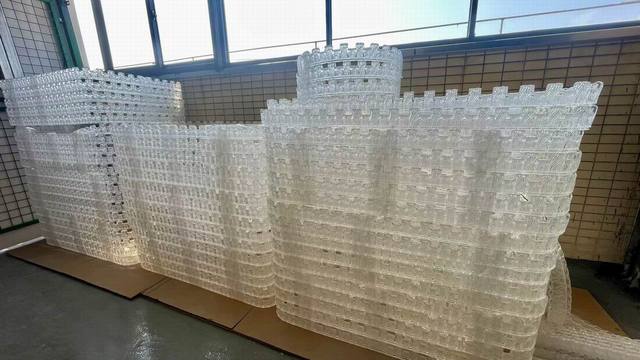
Depending on the project requirements, we use custom-molded ABS plastic or marine-grade multi-layer plywood. The pitch of our blades (typically 12° to 14°) is carefully matched to the motor's torque profile to optimize airflow (measured in Cubic Feet per Minute, or CFM) relative to energy consumption. The ABS blades are reinforced with glass fibers to prevent warping or sag in highly humid environments, such as marine warehouses or industrial steam processing plants.
Our motors feature high-purity copper windings with Class H insulation (rated up to 180°C) to prevent thermal degradation during continuous high-load operations. Every fan assembly undergoes precise dynamic balancing to reduce wobble and vibration. This dynamic balancing minimizes wear on the double-shielded ball bearings, ensuring the fan runs quietly and reliably for years without needing routine lubrication.
Custom installations designed to optimize air circulation and lighting in manufacturing, logistics, and public sector properties.
For large-scale infrastructure projects, such as factories, transport hubs, and administrative office buildings, selecting the right ventilation systems is key to managing long-term operating costs. Fanpro Light provides comprehensive B2B solutions tailored to these challenges:
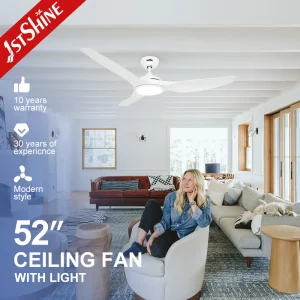
In industrial facilities and warehouses, air stratification can lead to stale air pockets, moisture buildup, and uneven temperatures, which can damage stored goods or affect worker productivity. Installing our High-Volume Low-Speed (HVLS) fans alongside standard 52-inch heavy-duty DC ceiling fans creates a steady, continuous airflow. During warmer months, this air movement creates a cooling effect of 3°C to 5°C, improving indoor comfort without the high energy costs of large-scale air conditioning. In winter, reversing the fan direction pushes warm air down from the ceiling, distributing heat evenly and reducing fuel consumption in heating systems.
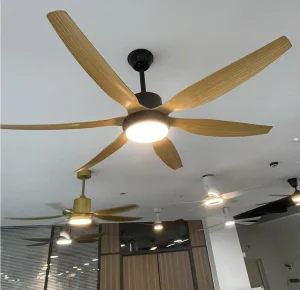
For administrative offices, residential blocks, and hotel projects, space saving and simple wiring are major design priorities. By choosing our dual-purpose ceiling fans with integrated LED lights, builders can install one fixture instead of separate lighting and ventilation units. This simplifies wiring, reduces structural modifications, and lowers the risk of installation errors. We also supply multi-port wireless RF controllers and wall-mounted switches designed to withstand power fluctuations. This ensures local maintenance teams can easily manage and service the units.
Connect directly with our technical sales division to request custom voltage drivers, specific blade materials, shipping options, and B2B pricing schedules.
Send Inquiry NowPartnering with a leading manufacturer to deliver reliable, high-performance ventilation products worldwide.
Dongguan Fanpro Light Co., Ltd. is a professional ceiling fan manufacturer specializing in the design, development, and production of smart ceiling fans, DC motor ceiling fans, and energy-efficient air circulation solutions for residential, commercial, and hospitality applications. Established in 2012, the company is located in Dongguan, Guangdong, one of China's leading manufacturing hubs, providing convenient access to global logistics networks and supply chains.
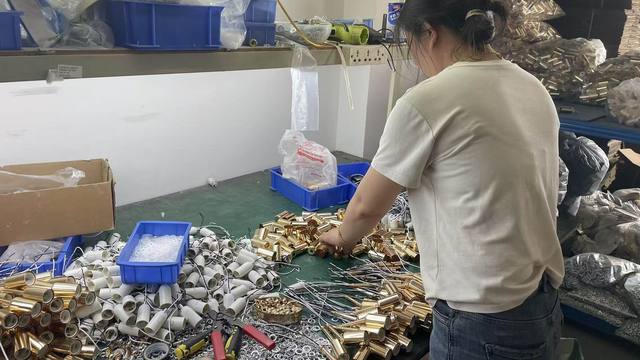
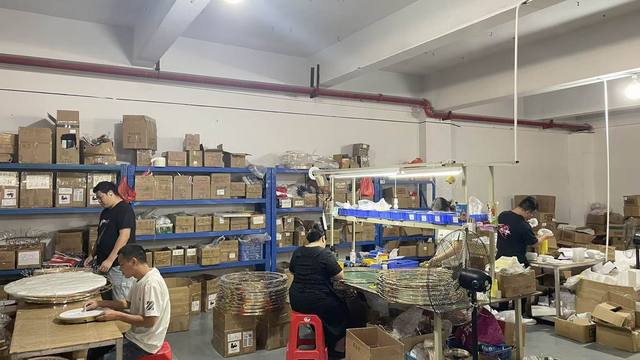
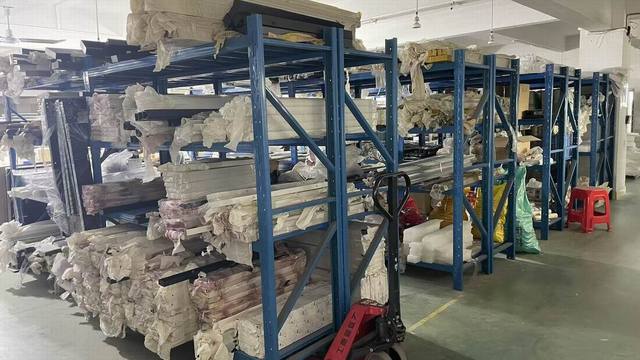
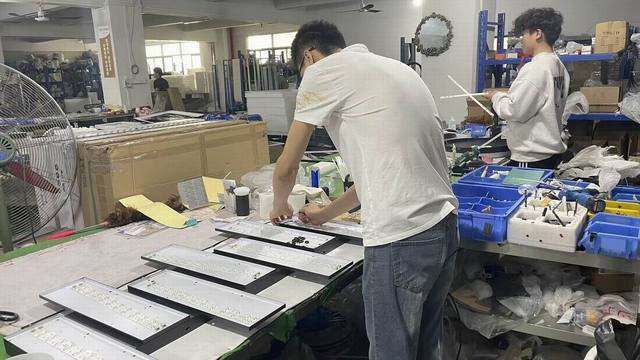
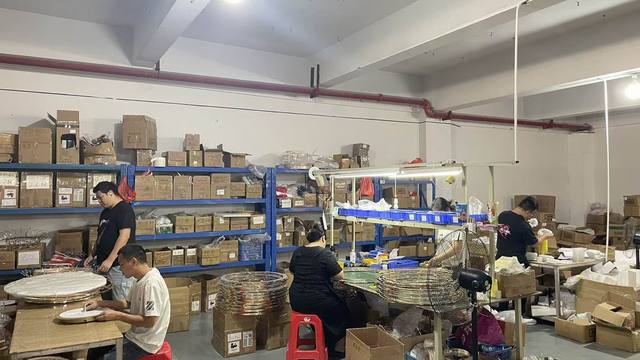
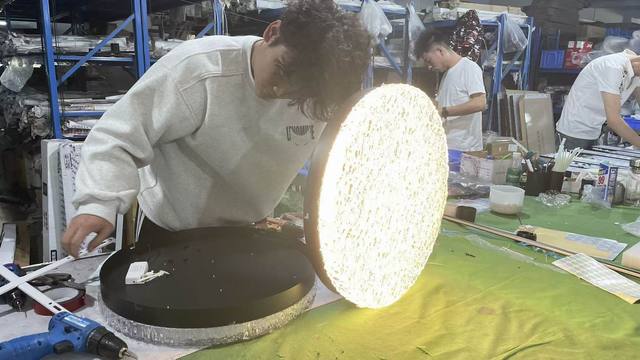
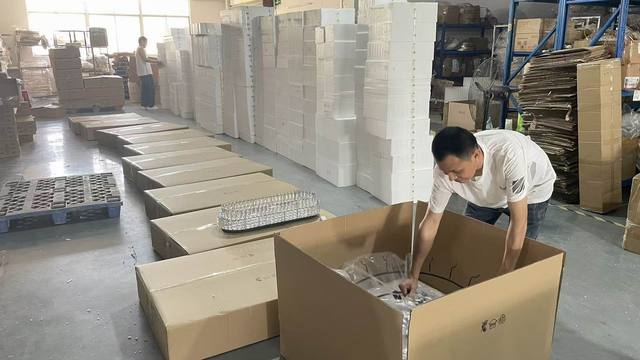
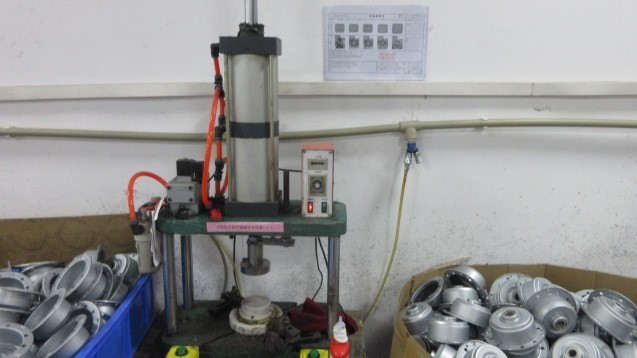
With a modern production facility covering more than 12,000 square meters and a workforce of over 180 skilled employees, Fanpro Light integrates product design, engineering, manufacturing, quality control, and international sales under one roof. The company operates multiple assembly lines and testing laboratories to ensure consistent product performance, durability, safety, and compliance with international standards.
Fanpro Light offers a comprehensive range of ceiling fan solutions, including smart WiFi ceiling fans, DC motor ceiling fans, ceiling fans with LED lighting, low-profile ceiling fans, decorative ceiling fans, outdoor ceiling fans, and commercial air movement systems. The company continuously invests in motor technology, energy-saving innovations, and intelligent control systems to meet evolving market demands.
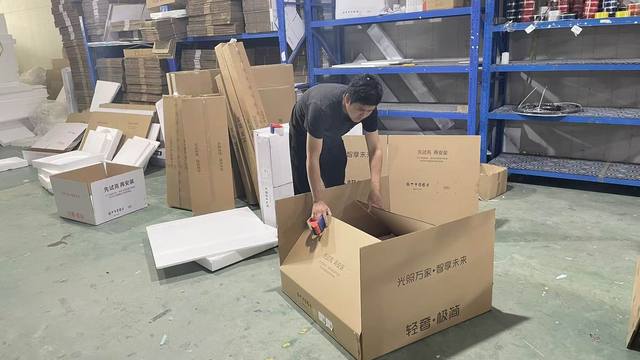
As an experienced OEM and ODM manufacturing partner, Fanpro Light supports customers worldwide with customized designs, private labeling, packaging solutions, and product development services. Its products are exported to North America, Europe, Australia, Southeast Asia, the Middle East, and other international markets.
Committed to quality, innovation, and long-term partnerships, Dongguan Fanpro Light Co., Ltd. strives to provide reliable ceiling fan products and flexible manufacturing solutions that help customers strengthen their competitiveness in the global marketplace.
Addressing key engineering, regulatory, and logistics questions from procurement managers and trade partners.
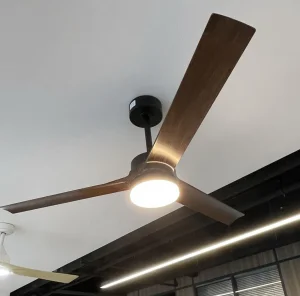
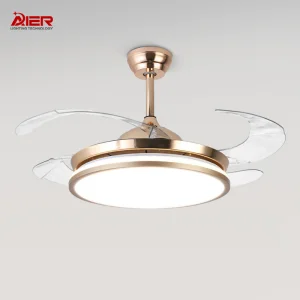
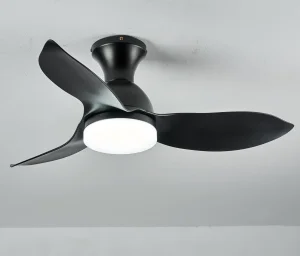
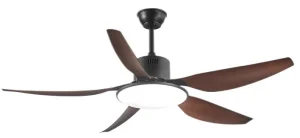
A comprehensive selection of commercial, industrial, and residential air movement fixtures engineered to meet diverse project requirements.
 Fanpro Light