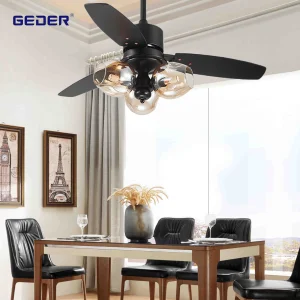
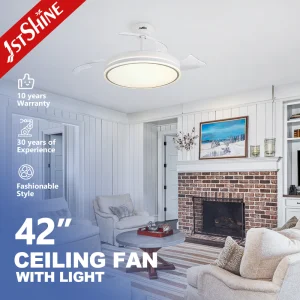
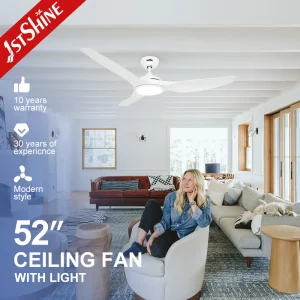
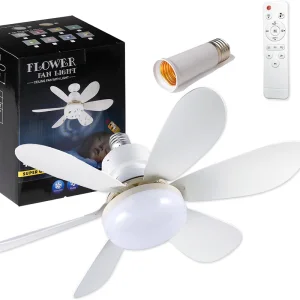
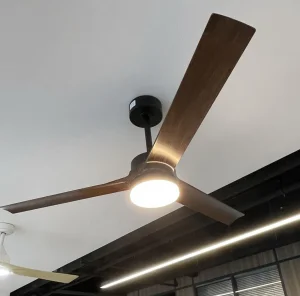
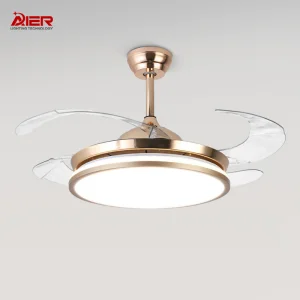
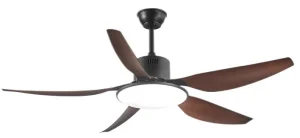
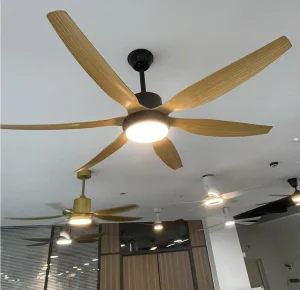
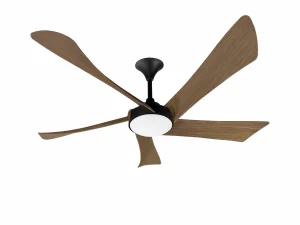
Engineered for architectural elegance and high-frequency seasonal ventilation demands in Tokyo's modern living developments.
Tokyo is a unique architectural landscape. Characterized by high-density urban planning, the Greater Tokyo Area faces distinct thermodynamic challenges. The interaction between Tokyo’s intense Urban Heat Island (UHI) effect, the high humidity index of the East Asian rainy season (Tsuyu), and the strict energy-efficiency mandates set by the Tokyo Metropolitan Government (TMG) calls for specialized ventilation systems.
During the humid summer months, indoor thermal comfort requires more than simple air temperature reductions; it demands continuous dynamic air velocities to assist the body's natural evaporative cooling processes. Standard HVAC system configurations running independently consume massive quantities of electricity. By deploying advanced BLDC-driven ceiling fans with integrated LED light units, commercial operators and residential developers can reduce air conditioning loads by up to 28-35% through the principle of dynamic air destratification.
Enables the target cooling setpoint of VRF systems to be adjusted upwards while preserving equivalent perceived thermal comfort indexes (JIS Z 8503).
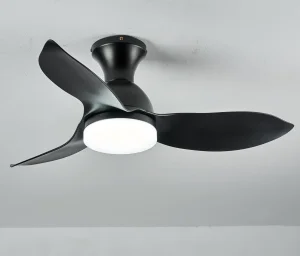
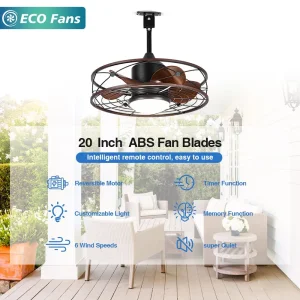
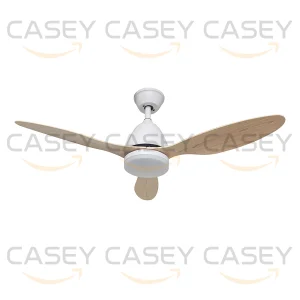
Designed for the compact layouts of central Tokyo properties, combining high-lumen, multi-CCT illumination and powerful airflows inside one junction box.
Reduces carbon emissions footprints for commercial developments seeking CASBEE (Comprehensive Assessment System for Built Environment Efficiency) credentials.
Commercial structures in Shinjuku, Shibuya, and Chiyoda districts increasingly rely on sophisticated Variable Refrigerant Flow (VRF) setups. Our ceiling fans are specifically built to operate in synergy with these systems. In winter, ceiling fans run in reverse (clockwise direction) to push warmer air trapped at ceiling levels back down to the occupancy zone. This destratification balances temperatures across spaces without creating cold drafts, lowering overall building energy consumption.
Integrating minimalist aesthetics with high-torque aerodynamic configurations to match Japanese interior visual paradigms.
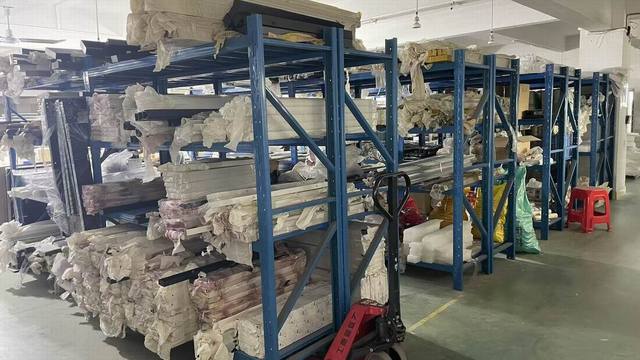
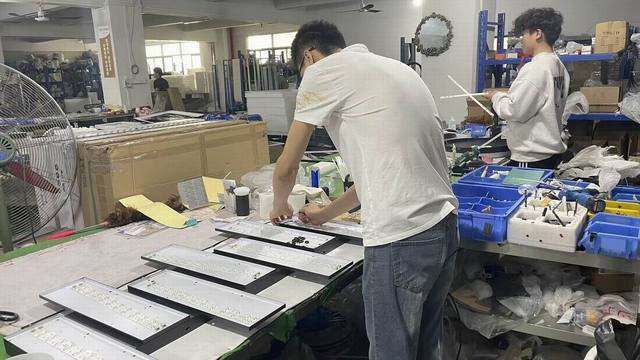
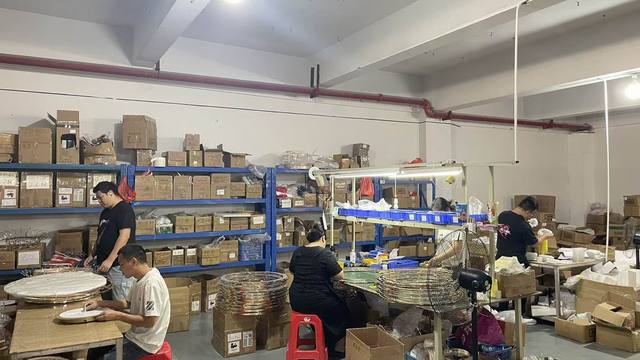
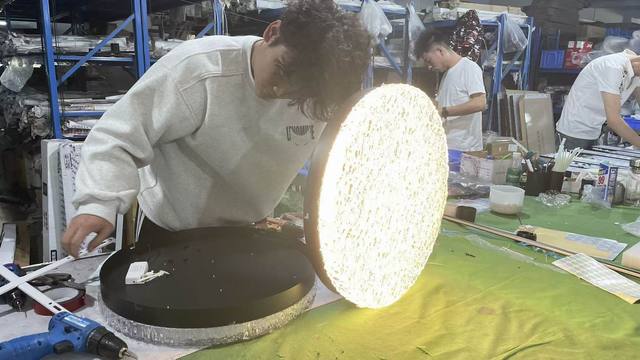
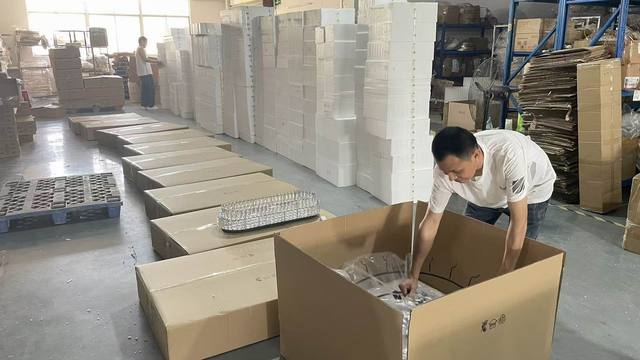
Established in 2012, Dongguan Fanpro Light Co., Ltd. has established itself as an industry-leading ceiling fan manufacturer, specializing in high-performance, energy-efficient smart ceiling fans and DC motor systems for international markets. Situated in Dongguan, Guangdong, the global core of electronics and precision manufacturing, we run a modernized production complex spanning over 12,000 square meters, backed by a dedicated workforce of over 180 engineers and manufacturing specialists.
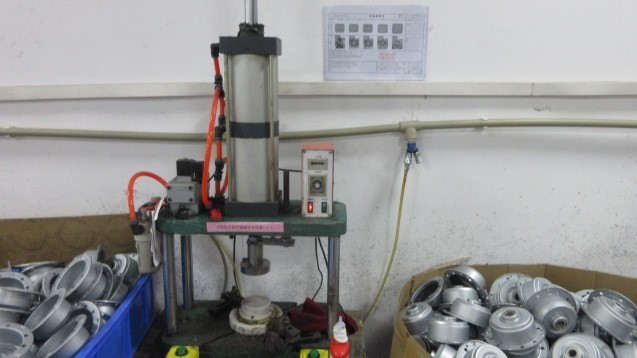
Our infrastructure includes custom mold production lines, high-speed motor winding bays, precision dynamic balancing equipment, and an advanced testing facility designed to analyze performance variables such as volumetric airflow metrics (CFM), sound output ratings (decibels), and electrical efficiency ratios. Our products comply with rigorous global guidelines, ensuring that our supplies to Japanese clients adhere to JIS and PSE certifications.
Japanese architectural dynamics emphasize acoustic control, structural security, and visual minimalism. Our design choices incorporate the following innovations:
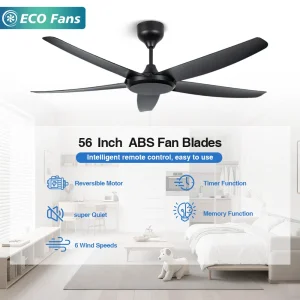
Unlike traditional AC motors, which run hot and are prone to operational humming, our BLDC motors utilize magnetic stator systems to drive the rotor. This configuration generates zero electromagnetic motor hum, producing operating sound profiles under 30 dB—ideal for Tokyo’s high-end hotel developments and compact residential units where sound propagation must be minimized.
Our LED ceiling fans include multi-color temperature (CCT) control systems. The systems transition between a warm 2700K (matching Japanese traditional home styles) and a daylight 6500K spectrum. An high Color Rendering Index (CRI) of over 90 ensures color clarity and depth inside indoor areas.
Tokyo’s geographic location in a seismic zone requires that all ceiling-mounted fixtures incorporate strict structural safety features. Fanpro Light integrates dual-safety steel cable locks, reinforced mounting brackets, and specialized imbalance detection sensors that cut off motor power immediately if the device undergoes seismic vibration.
| Feature Specification | Standard Configuration | Japan Market Enhancements (PSE) |
|---|---|---|
| Motor Design | High-Torque DC Motor | Double-Insulated, 50Hz/60Hz Self-Adaptive BLDC |
| Acoustic Output | 35 dB - 40 dB | Acoustic optimized canopy with sound Dampeners (< 30 dB) |
| Lighting Source | CRI 80 LED Module | CRI 90+ CCT Dimmable (2700K-6500K) |
| Safety Mechanism | Standard Mounting Plate | Reinforced Hanger Plate + Seismic Secondary Safety Wire |
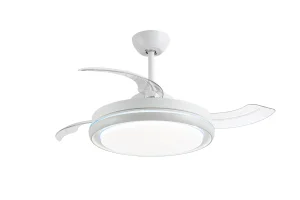
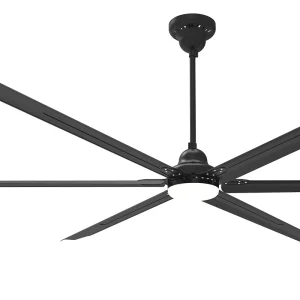
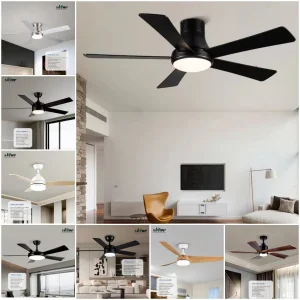
A versatile selection of commercial, warehouse, and residential ceiling fans with lights configured for immediate export to Tokyo port.
Our engineering support team has compiled key questions commonly raised by architectural consultants and commercial buyers in Japan.
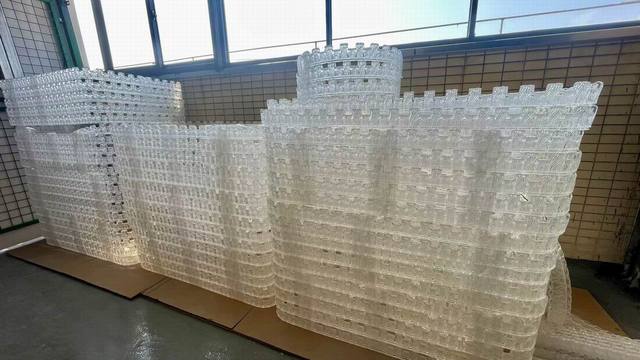
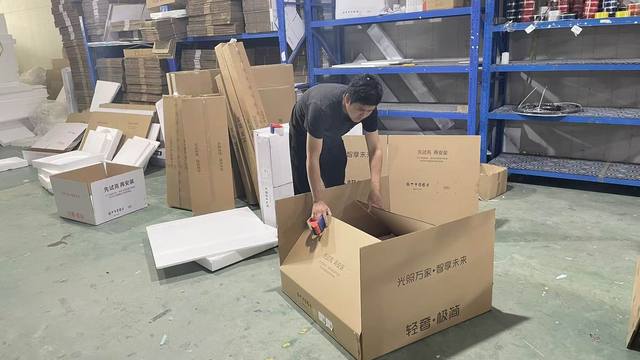
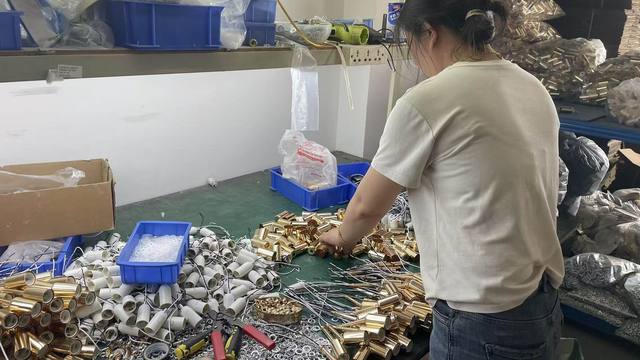
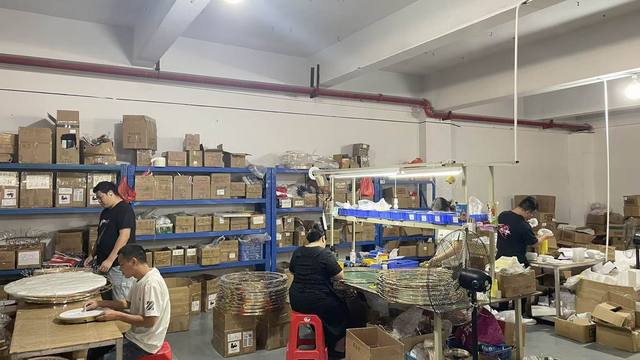
Over 12,000 m² of precision assembly lines, environmental test chambers, and advanced QC systems checking dynamic balancing, sound thresholds, and safety compliance.
 Fanpro Light