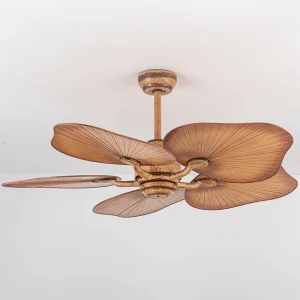
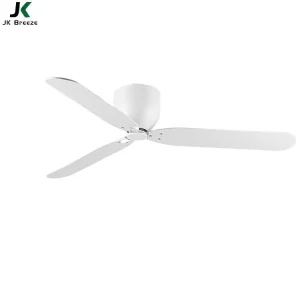
Premium smart cooling models tailored for residential and commercial layouts across Australian coastal and urban environments.
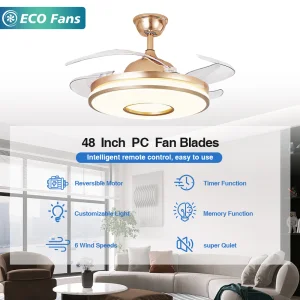
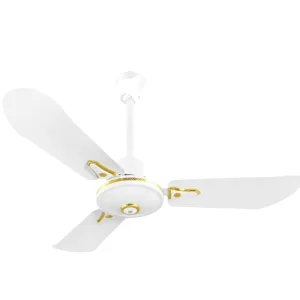
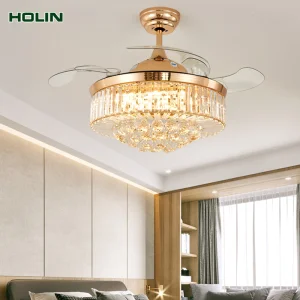
An industrial study on structural performance, compliance, and aesthetic developments in modern indoor and outdoor environments.
Across the diverse building landscapes of Australia—from the high-temperature regions of Northern Queensland and Western Australia to the dense urban architecture of Sydney and Melbourne—decorative ceiling fans have transitioned from optional lighting fixtures to core thermal comfort assets. Modern architects and interior designers no longer treat environmental control and architectural styling as separate challenges. Instead, they specify integrated smart ceiling fans that deliver high air volumes while blending into contemporary design themes.
This transformation is guided by strict national standards and building regulations. As thermal performance targets under the National Construction Code (NCC) and Nationwide House Energy Rating Scheme (NatHERS) tighten, finding energy-saving cooling solutions is critical. High-efficiency brushless DC (BLDC) decorative fans offer a cost-effective way to achieve compliance, reducing cooling loads on air conditioning systems by up to 40% when operated in tandem.
Developing air movement systems for the Australian continent requires an understanding of its unique environments. Australian homes and commercial structures must withstand coastal salt air, inland dry heat, and tropical humidity. The requirements for decorative fans in these regions are strict:
By moving air rapidly across the skin, ceiling fans create a cooling effect of up to 4°C without dropping the actual room temperature. This allow facility managers and homeowners to set air conditioning thermostats higher without losing comfort, significantly lowering seasonal electricity bills.
The global ventilation market has shifted away from traditional AC induction motors. Although AC motors are inexpensive, they consume more power and generate more ambient motor noise. Modern design projects rely on advanced BLDC motor designs for several reasons:
Superior Energy Efficiency: BLDC motors use permanent magnets instead of copper wind induction, reducing electrical losses. This allows a BLDC fan to consume only 3W to 35W, compared to 70W+ for an AC equivalent, representing a substantial reduction in energy use.
Precise Multi-Speed Control: Traditional AC fans are limited to 3 speed settings. Modern DC motors offer 6 or more speeds, allowing users to fine-tune airflow from a gentle breeze to high-volume air circulation.
Silent Operation: Since BLDC motors do not generate the hum associated with alternating current, they are ideal for quiet environments like bedrooms, library zones, and hotel guest suites.
Saves up to 70% energy compared to traditional AC motors while operating silently.
Three-color temperature adjustment (3000K/4000K/6000K) to suit various lighting requirements.
Integrates with Tuya Smart, Wi-Fi controllers, and remote systems.
Dongguan Fanpro Light Co., Ltd. has developed specialized design and production lines tailored to the needs of Australian importers, distributors, and designers. Since 2012, our facility has focused on delivering reliable decorative ceiling fans that meet international standards.
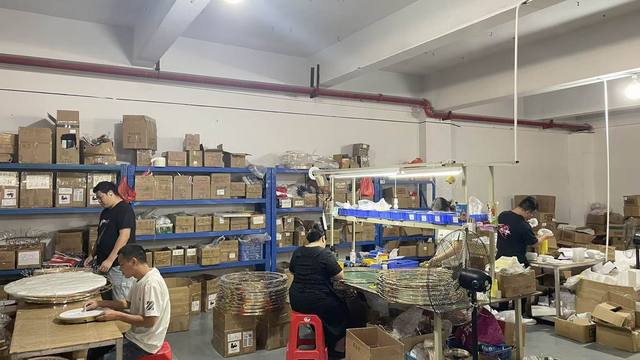
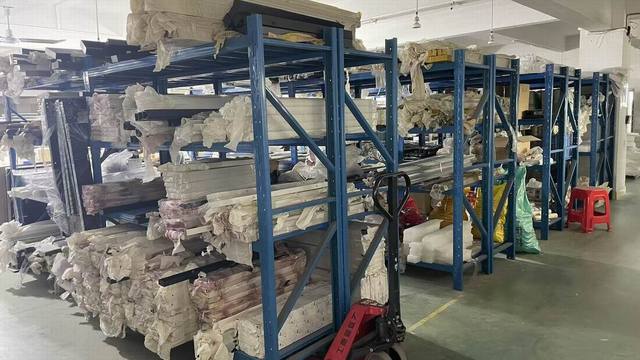
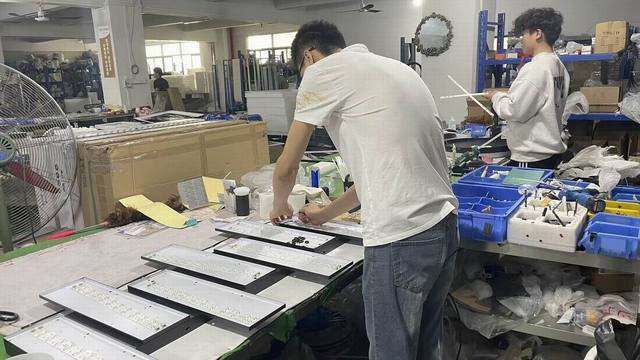
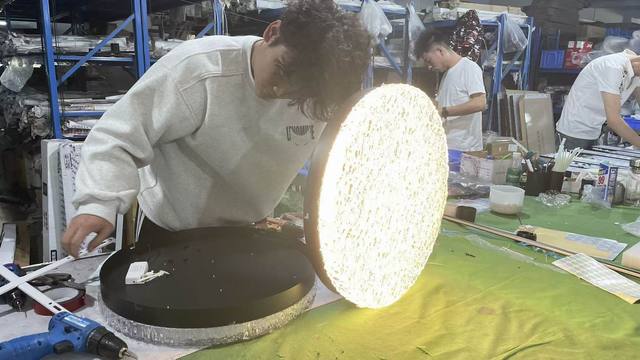
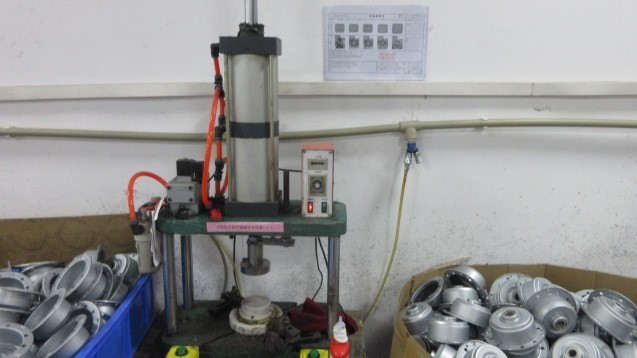
Our modern manufacturing facility covers more than 12,000 square meters and houses over 180 skilled employees. We integrate design, engineering, manufacturing, quality control, and export under one roof. Our assembly lines and testing facilities ensure that every fan meets high standards for performance, safety, and longevity.
Our OEM/ODM capabilities support custom blade designs, custom motor configurations, specialized packaging, and custom integrated control firmware to match local project requirements. We work closely with our partners in Australia, North America, and Europe to deliver reliable ventilation solutions.
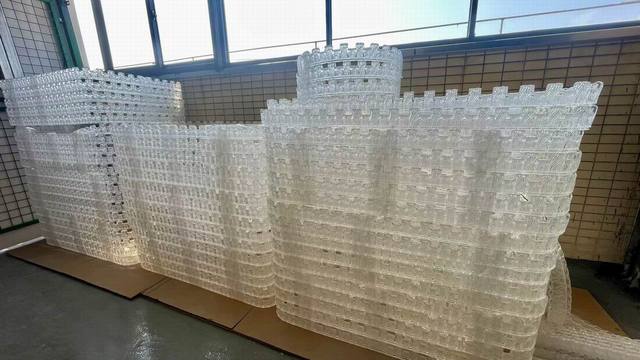
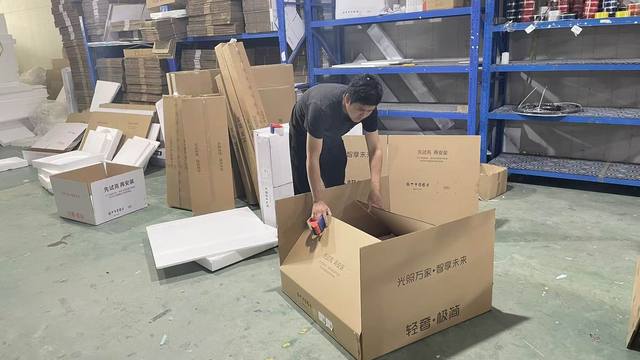
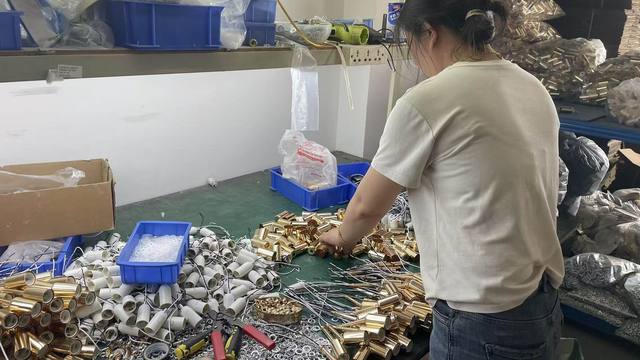

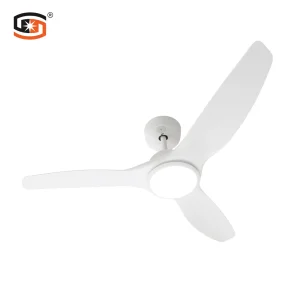
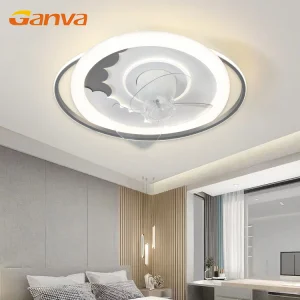
A comprehensive range of high-efficiency decorative ceiling fans designed for residential development, hotel design, and commercial spaces across Australia.
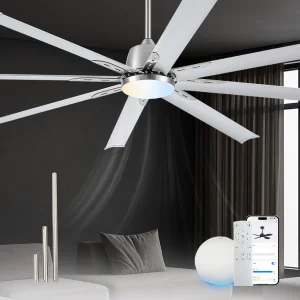
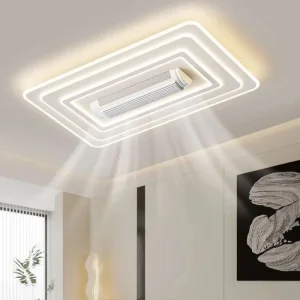
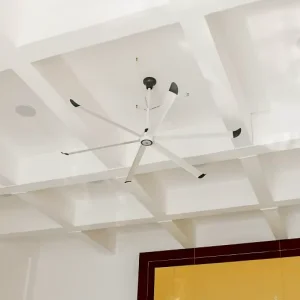
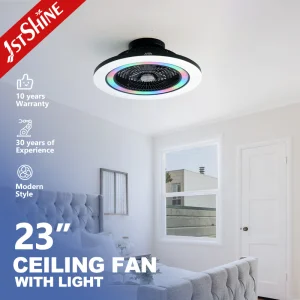
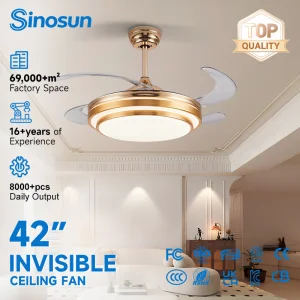
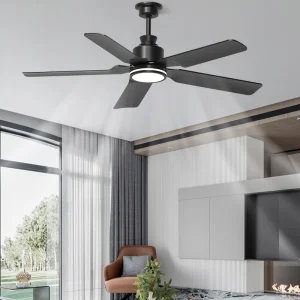
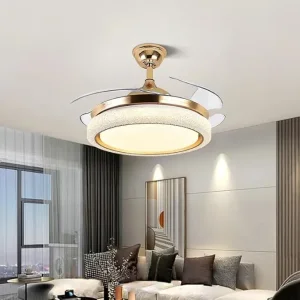
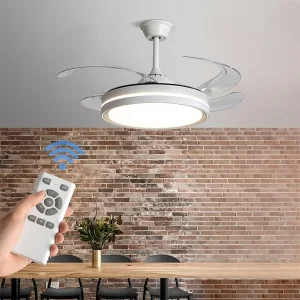
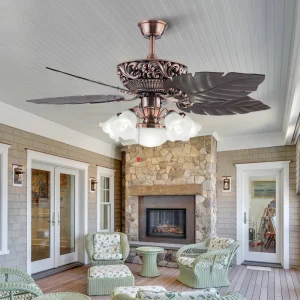
The decorative ceiling fan market is evolving due to changes in home automation and sustainability standards. When developing products for global and Australian markets, manufacturers focus on four core design elements:
Aerodynamic Optimization (Silent Air Movement): Traditional blade shapes often produce vortex noise at higher speeds. Modern designs use airfoil-inspired blades that reduce drag and wind turbulence, providing quiet operation. This helps fans deliver high airflow (measured in Cubic Meters per Hour, or M3/H) at lower, quieter rotational speeds.
Integrated Smart Sensors & Control Systems: Next-generation ceiling fans include temperature and humidity sensors. Instead of using a standard remote, these fans monitor ambient room conditions and automatically adjust speed levels. If the room temperature rises in the afternoon, the fan speed increases; as the temperature drops overnight, it slows down to save energy.
Advanced Integrated Lighting (CCT & Dimming): Combining decorative lighting with ventilation requires high-quality electrical design. Standard light-equipped fans often suffer from LED flicker. Modern systems use stable LED drivers with Three-Color Temperature (3 CCT) switching (Warm White, Natural White, Cool White) and smooth TRIAC dimming range (from 10% to 100%).
Sustainable Materials & Environmental Management: Regulatory standards in regions like the European Union and Australia emphasize low environmental impact and recyclable designs. Manufacturers are replacing heavy metals with lightweight, high-strength ABS polymers, sustainably sourced timber veneers, and recyclable aluminum components. This lowers shipping weight, reduces energy consumption, and simplifies shipping logistics.
Architects and engineers select different ceiling fan configurations depending on the layout and location of their projects. Our product designs are optimized for three common installation scenarios:
Coastal Resorts & Outdoor Entertainment Areas: Outdoor patios, verandas, and beachfront dining spaces are exposed to humidity and salt spray. For these environments, we recommend IP44-rated ceiling fans with ABS blades. These designs resist warping, rust, and salt damage, ensuring reliable performance in coastal areas like Queensland and Western Australia.
High-Density Urban Apartments: Modern apartments in cities like Sydney, Melbourne, and Brisbane often have low concrete ceilings, limiting space for drop-rod fans. Low-profile, flush-mount, and bladeless ceiling fans work well in these spaces. They provide comfortable airflow while maintaining safe clearance from the floor.
High-Ceiling Residential & Commercial Atriums: Properties with tall ceilings require fans with long down-rods and optimized blade pitches to move air effectively. In winter, running these fans in reverse recirculates warm air trapped at the ceiling back down to the living space, reducing heating costs.
Expert insights on regulatory compliance, technological selection, and project specification parameters for the Australian market.
 Fanpro Light