Premium architectural & HVAC configurations for modern environments
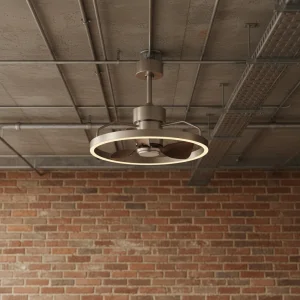
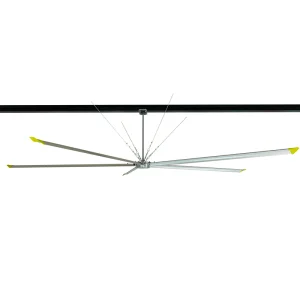
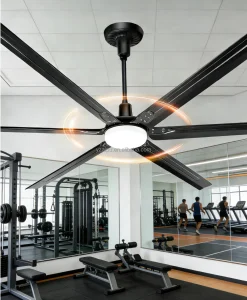
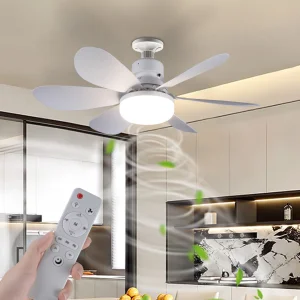
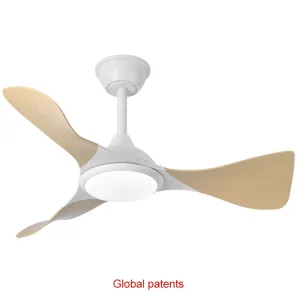
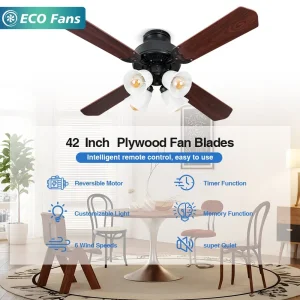
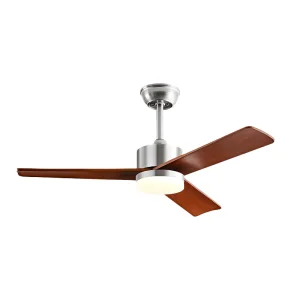
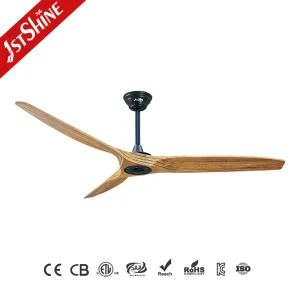
Analyzing thermal dissipation, fluid dynamics, and occupant comfort in residential and commercial spaces
Dining rooms represent a highly complex thermal environment. Unlike standard living areas or commercial office zones, dining environments experience transient heat loads, localized moisture variations from warm meals, and concentrated occupancy. Implementing an optimized air circulation strategy is critical. A high-efficiency ceiling fan designed for dining areas functions as both a decorative architectural centerpiece and an essential thermodynamic balancer. By promoting gentle, non-turbulent air motion, these systems accelerate heat dissipation without causing food to cool prematurely—a common pitfall of aggressive HVAC systems.
Furthermore, dining environments require strict acoustic boundaries. The noise generated by low-quality motors disrupt conversation and degrades the hospitality experience. Consequently, global exporters have focused engineering efforts on permanent magnet synchronous motors (PMSMs) and brushless DC (BLDC) motor technologies to achieve whisper-quiet operations. This whitepaper analyzes the engineering standards, production paradigms, and supply chain capacities that position China as the global leader in high-performance ceiling fans for dining and hospitality applications.
A leading OEM/ODM hub for intelligent ceiling fan design and manufacture
Established in 2012, Dongguan Fanpro Light Co., Ltd. is a professional ceiling fan manufacturer specializing in the design, development, and production of smart ceiling fans, DC motor ceiling fans, and energy-efficient air circulation solutions. Nestled in Dongguan, Guangdong, one of China's most robust global manufacturing and electronics hubs, our strategic location provides seamless access to international logistics channels, global shipping lanes, and highly optimized raw material supply chains.
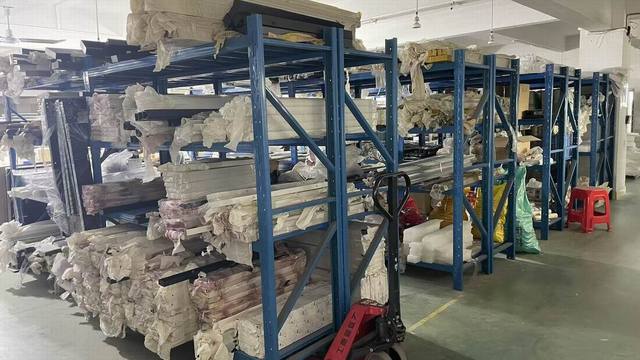
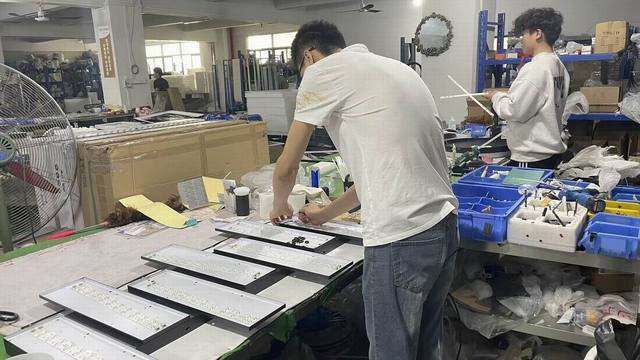
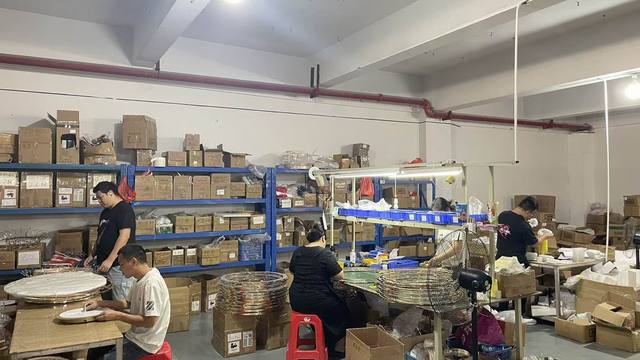
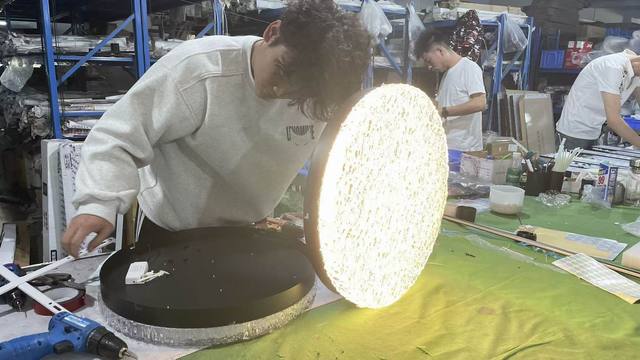
Our operation is built upon a modern, state-of-the-art production facility spanning over 12,000 square meters. Guided by a dedicated workforce of more than 180 highly skilled engineering and assembly professionals, Fanpro Light integrates every phase of the product life cycle under a single corporate umbrella—encompassing industrial product design, mechanical and electrical engineering, raw material verification, assembly line operations, rigorous QA/QC testing laboratories, and global export sales support.
Through our commitment to R&D and technological improvement, we offer an expansive product portfolio designed to meet the evolving demands of worldwide clients, which includes:
As a proven OEM and ODM manufacturing partner, Fanpro Light works closely with global brands, importers, retailers, and engineering contractors to deliver customized solutions. From initial prototype design, custom mold development, patent payment schemes, to private label packaging and regional safety certifications, we deliver the scalability, reliability, and precision required to compete in today’s demanding B2B markets.
Analyzing BLDC efficiency, acoustics, and air velocity profiles
The design requirements for dining room ceiling fans differ significantly from those for general-use living room or industrial fans. They must navigate unique structural and environmental constraints. In this section, we analyze the performance metrics of modern motor engineering, thermal comfort balances, and aerodynamic designs.
Modern dining room fan manufacturing focuses primarily on DC motor integration. Brushless DC (BLDC) motors utilize permanent magnets and electronic commutation instead of carbon brushes, resulting in significant mechanical advantages. These motors are up to 80% more efficient than conventional AC motors, emit almost no electromagnetic interference, and generate minimal mechanical friction, which translates to a longer operational lifespan (often exceeding 10 years of continuous use).
| Performance Metric | Brushless DC (BLDC) Motors | Traditional AC Motors |
|---|---|---|
| Energy Consumption | 15W - 35W (Highly Efficient) | 60W - 90W (High Consumption) |
| Acoustic Emission | Under 35 dB (Near Silent) | 45 dB - 55 dB (Audible hum) |
| Speed Controls | 6-Speed continuous & fine-tuned control | 3-Speed stepped control |
| Reversible Functionality | Instant app/remote control reversible action | Manual physical switch on housing |
| Motor Temperature Rise | Minimal thermal rise (extends motor life) | High thermal rise (accelerates wear) |
Dining rooms are spaces dedicated to social interaction, conversation, and sensory focus. Low-frequency hums generated by electric motors can interfere with these activities and cause listener fatigue over time. Fanpro Light engineers mitigate this issue by using high-precision double ball bearings and custom-formulated synthetic lubricants. This construction restricts rotor run-out to less than 0.05mm, keeping acoustic output under 35 decibels on low-to-medium settings. By using sinusoidal wave driver controllers, our motors achieve smooth phase shifts, eliminating the typical "clicking" sounds associated with digital speed controllers.
A key design consideration for dining room ceiling fans is the integration of lighting. Food presentation relies heavily on the quality of light. Poor quality LED arrays can make food appear dull or unappetizing. Our integrated LED kits feature a Color Rendering Index (CRI) of Ra > 90, with options up to Ra > 95, ensuring realistic color representation. Our standard systems feature 3CCT color temperature adjustment, allowing users to shift from a warm romantic glow (2700K) during dinner to a bright daylight setting (6000K) for daytime cleaning and maintenance.
Three core structural advantages designed for long-term reliability
We provide full-spectrum design and prototyping, from custom motor tuning and pitch adjustments to blade engineering and proprietary remote control integration.
Each unit undergoes strict dynamic balancing tests, high-voltage insulation checks, noise chamber analysis, and aging cycles to guarantee compliant and safe operations globally.
Our products comply with major international certifications, such as CE, RoHS, ETL, SAA, and CB, allowing smooth customs clearance and market compliance in any country.
How we ensure consistency and durability in high-volume export orders
Operating out of Dongguan allows us to build a highly integrated supply chain. We source raw materials—including electrolytic copper wire, silicon steel sheets, high-strength ABS, and premium structural lumber—from certified regional suppliers. Every batch of materials undergoes rigorous incoming quality inspection (IQC) before being released to our production lines. Our quality management system covers three primary testing protocols:
Dynamic Blade Balancing: Slight differences in blade weight can lead to wobbling and mechanical noise over time. Each blade set is weighed and matched within a 0.5-gram tolerance, and fully assembled fans undergo electronic dynamic balance testing on the assembly line.
High-Voltage Safety and Insulation Testing: All motor assemblies are subjected to high-potential (hipot) testing to confirm dielectric breakdown strength, ensuring insulation performance even in humid dining environments.
Acoustic and Thermal Chamber Testing: Randomly sampled units from every production run are run continuously in our acoustic isolation chamber for 48 hours to monitor temperature rise and noise emission, validating long-term reliability under real-world operating conditions.
Adapting smart circulation solutions to different spaces and layouts
Dining room ventilation requirements vary by property type, room layout, and occupancy levels. We engineer solutions designed for these specific architectural requirements:
1. Residential Open-Concept Dining Spaces: Open-plan homes integrate the dining area directly with the kitchen and living room. In these spaces, a ceiling fan must offer quiet operation and aesthetic appeal. Our low-profile wood blade models deliver localized air movement that helps disperse cooking odors without creating drafty corridors in adjacent rooms.
2. High-Density Commercial Restaurants & Bistros: Commercial spaces experience higher, more variable occupant density. Using smart DC ceiling fans allows building operators to adjust airflow speeds dynamically. This localized circulation helps reduce the load on primary air conditioning systems, lowering overall energy costs while maintaining guest comfort.
3. Low-Ceiling and Compact Dining Nooks: Standard downrod installations can present safety risks and feel visually cramped in rooms with low ceilings. For these applications, we offer flush-mount ceiling fans and retractable-blade models. The blades extend only when the motor is active, keeping the footprint compact and unobtrusive when not in use.
How Fanpro Light is integrating advanced sensors and automated control systems
The ceiling fan industry continues to move toward deeper smart home integration and automated control. Fanpro Light's design roadmap focuses on three primary areas: integrating particulate sensors to automatically boost ventilation during cooking, developing blades with anti-static and grease-resistant coatings for easier maintenance, and implementing automated temperature sensing. This temperature-dependent control adjusts fan speed relative to the room's temperature, ensuring consistent comfort throughout the day.
Answering common design, manufacturing, and shipping questions for global buyers
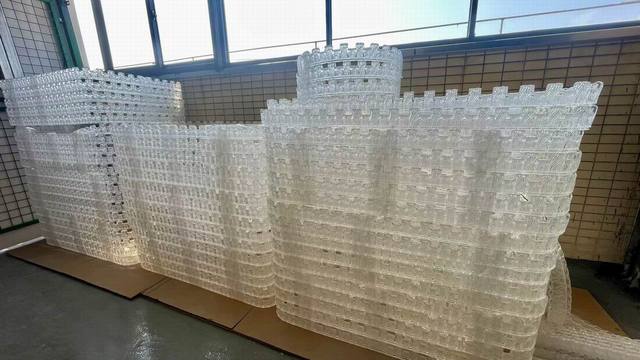
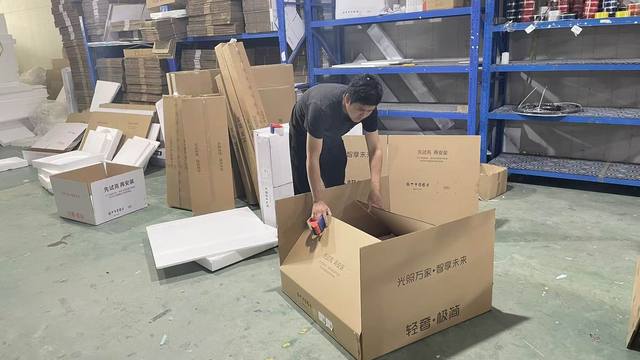
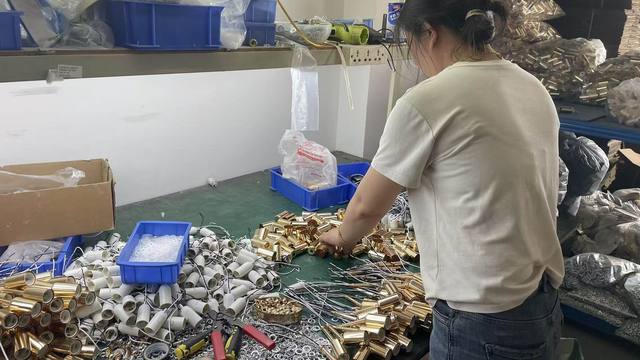
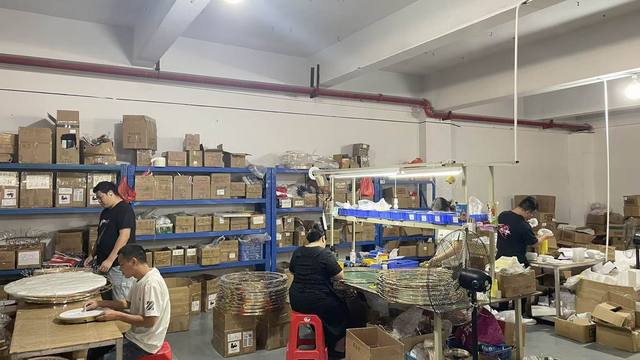
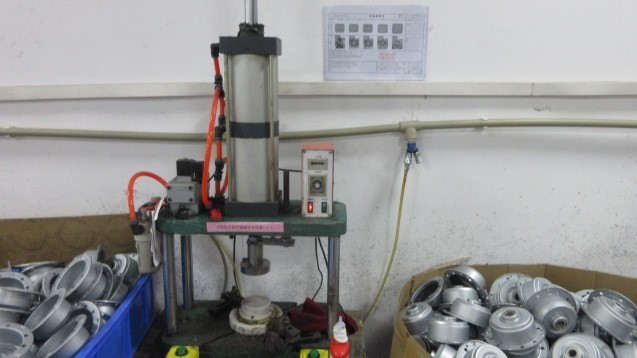
A look inside our 12,000 square meter manufacturing plant and testing facilities

Heavy-duty solutions, low profile items, and silent motors for demanding spaces
 Fanpro Light