
Tropical regions present a unique set of engineering challenges for thermal comfort systems. Unlike temperate zones where seasonal temperature swings dominate HVAC design, the tropics demand continuous air movement, resistance to extremely high relative humidity levels, and materials capable of enduring constant exposure to UV rays and airborne salt particles.
From a thermal dynamics perspective, a tropical ceiling fan does not simply push air downwards; it facilitates convective cooling by accelerating the rate of perspiration evaporation from human skin. In conditions where humidity levels regularly exceed 80%, standard air circulation tools fail because the boundary layer of air surrounding the body becomes saturated with moisture. By delivering high-volume, laminar airflow (measured in Cubic Feet per Minute or CFM), premium fans break this humid boundary layer, effectively lowering the perceived temperature by up to 4 to 5 degrees Celsius without altering the actual dry-bulb temperature of the room.
To address these extreme conditions, modern manufacturing techniques leverage brushless DC (BLDC) motors and Permanent Magnet Synchronous Motors (PMSM). These advanced drive units achieve up to 70% higher energy efficiency compared to traditional AC induction motors, while generating significantly less internal heat. This is a critical factor in extending the lifespan of the motor windings under continuous, 24/7 operation in equator-adjacent environments.
Understanding user intent is essential for selecting the correct fan engineering specification. Tropical regions are not homogeneous, and different microclimates require specific hardware features:
Locations such as Florida, the Caribbean islands, Coastal India, and Northern Australia experience high concentrations of airborne salt spray. Standard carbon steel blades and housing units corrode within months. In these environments, we supply marine-grade ABS plastic blades or heavy-duty aluminum alloys finished with anti-corrosive powder coatings. These are paired with IP-rated moisture-sealed motor compartments to prevent internal electrical shorts.
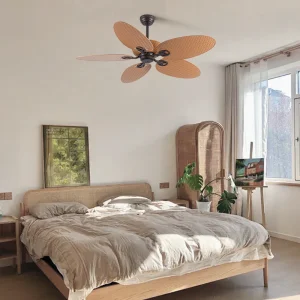
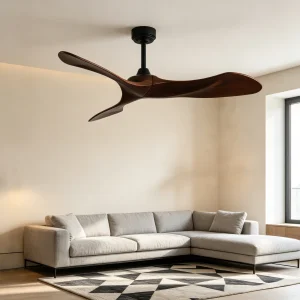
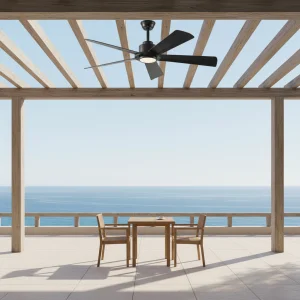
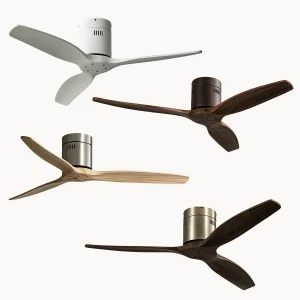
The hospitality sector in Bali, Phuket, and the Maldives relies on large, open-air lobbies, verandas, and dining pavilions. Traditional air conditioning is impractical in these open spaces. Large-span decorative ceiling fans with natural wood finishes (such as solid Paulownia wood) or palm leaf aesthetic designs serve a dual purpose. They act as central design statements while providing high-volume, low-noise airflow that keeps guests comfortable even during peak afternoon heat.
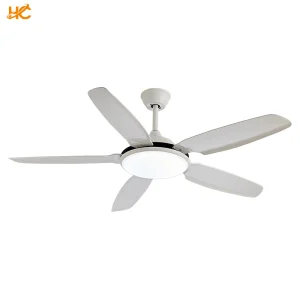
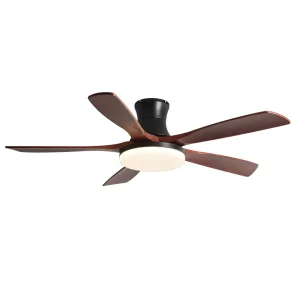
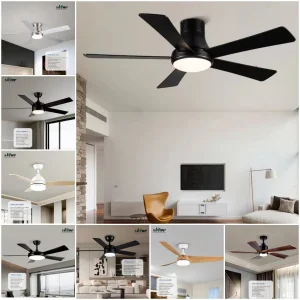
In high-density tropical cities like Singapore, Kuala Lumpur, and Jakarta, residential spaces often feature low-profile ceiling heights (under 2.6 meters). Traditional downrod-style ceiling fans pose safety hazards and reduce vertical clearance. The market has shifted toward flush-mount (hugger-style) low-profile ceiling fans equipped with integrated LED light modules. These units maximize safety and overhead space while delivering highly concentrated airflow directly below the fan.
At Fanpro Light, our technical roadmap focuses on four key engineering areas that address the demands of tropical climates: motor efficiency, blade aerodynamics, material science, and smart IoT control systems.
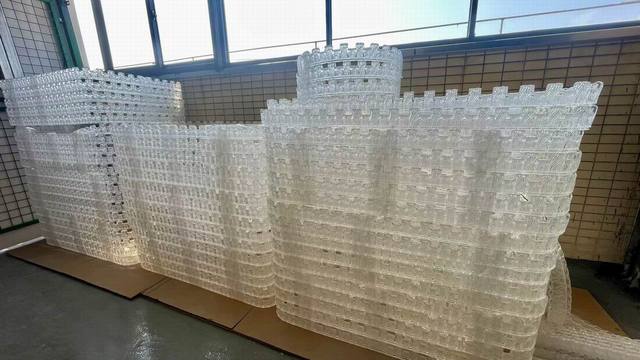
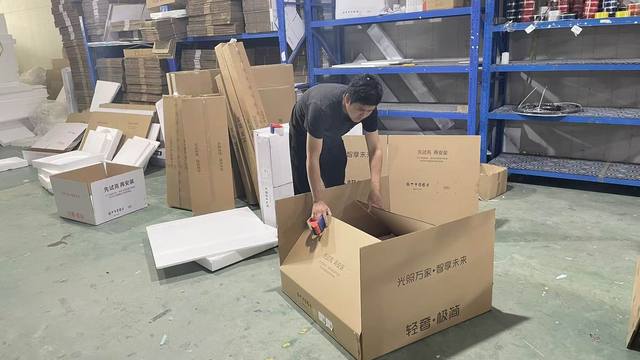
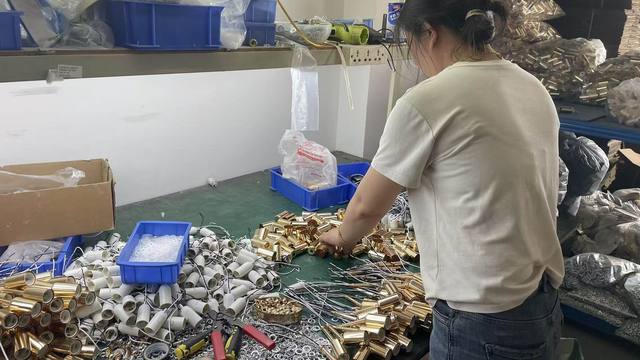
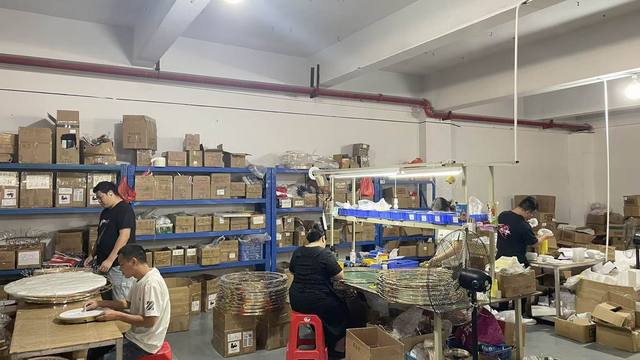
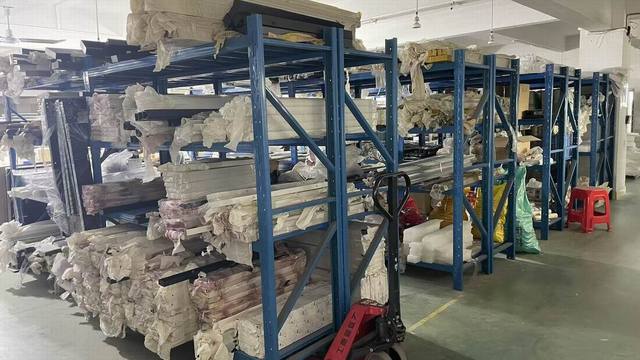
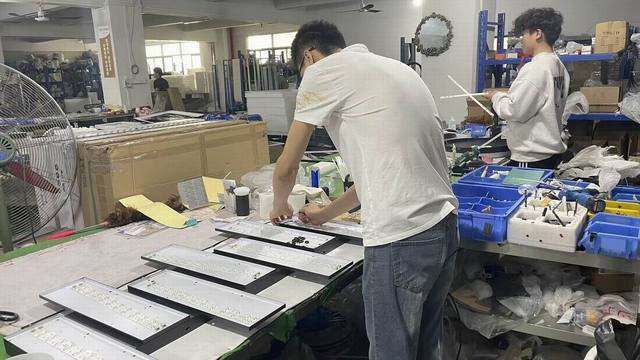
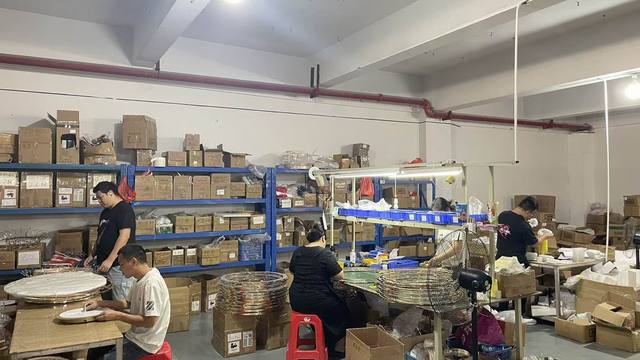
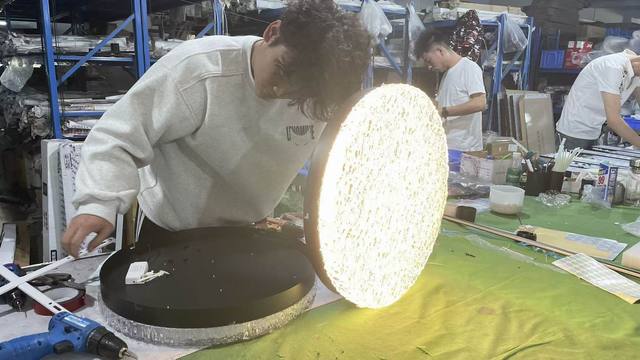
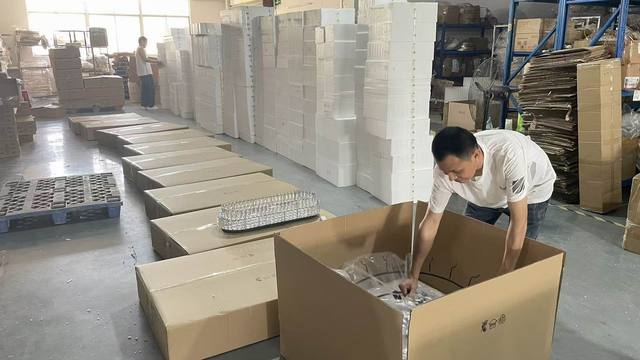
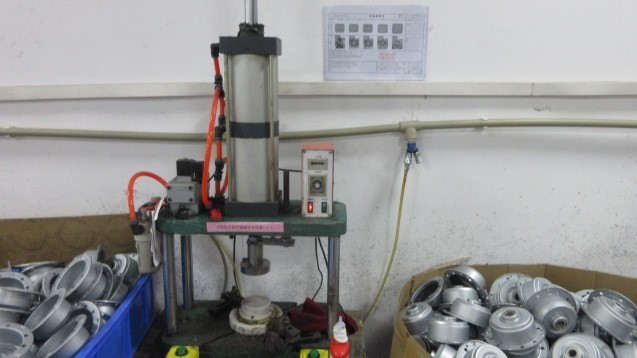
Established in 2012 in Dongguan, Guangdong—a primary global electronics and hardware manufacturing hub—Dongguan Fanpro Light Co., Ltd. is positioned to deliver reliable manufacturing services. Our facility spans over 12,000 square meters and houses advanced testing and production equipment.
Operating in Dongguan provides deep supply chain integration. We source raw materials, electronic driver boards, copper windings, and high-quality packaging from partners within a 50-kilometer radius. This geographic advantage reduces raw material lead times to just 3 to 5 days, enabling us to respond quickly to large order volumes and market demand shifts.
Our facility features three semi-automated final assembly lines alongside a dedicated component-testing laboratory. Our testing protocols include:
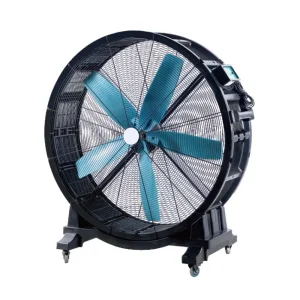
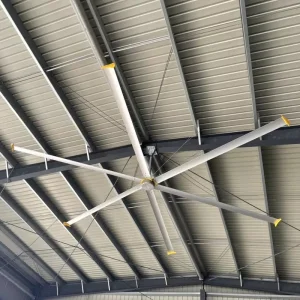
Large-scale facilities like warehouses, manufacturing plants, distribution hubs, and agricultural spaces require high-volume ventilation. Traditional high-speed industrial drum or pedestal fans consume substantial energy and only cool small, direct areas.
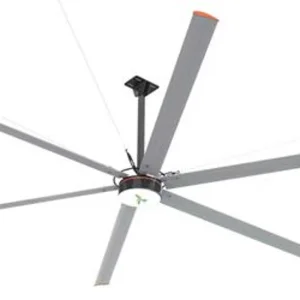
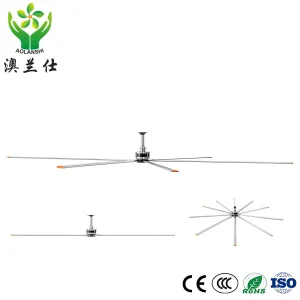
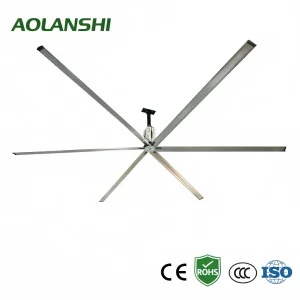
This limitation has driven adoption of **HVLS (High-Volume Low-Speed) ceiling fans**. These large fans, ranging in diameter from 9 to 24 feet (2.7 to 7.3 meters), use low-power PMSM motors to move massive volumes of air. A single 24-foot fan can circulate over 13,000 cubic meters of air per minute, covering up to 1,500 square meters of floor space while drawing less than 1.5 kW of power.
In tropical factories and warehouses, HVLS fans help manage humidity and moisture buildup. Constant airflow prevents condensation on stored products, keeping cardboard packaging dry, stopping rust on machinery, and reducing mold growth. Working alongside existing HVAC systems, HVLS fans improve air distribution, allowing facilities to raise thermostat settings by several degrees to reduce overall cooling costs.
Navigating diverse regulatory landscapes is a key requirement for our global OEM/ODM clients. Fanpro Light ensures compliance by manufacturing products to meet local safety, efficiency, and environmental certifications:
For US and Canadian distributors, our products are certified under ETL and UL standards. We supply motors that operate on standard North American grid specs (110-120V AC / 60Hz or DC equivalents) and carry Energy Star ratings for high CFM-per-watt efficiency.
We provide full CE, CB, and RoHS compliance. Motor housings and integrated LED lighting modules conform to European EMC directives and low-voltage standards (220-240V / 50Hz). Our designs also align with Middle Eastern SASO requirements for sustained performance under high ambient temperatures.
We supply SAA-certified ceiling fans with specific wiring configurations designed for the Australian market. For Southeast Asian countries, we adjust our manufacturing to offer custom voltage protection that prevents motor damage from power fluctuations.
DC motors run cooler than AC induction motors, which reduces wear and prevents overheating during continuous operation in hot climates. They also consume up to 70% less energy, run quieter (below 30dB), and provide more speed settings—critical for managing changing indoor humidity levels.
We apply a marine-grade protection process. Key metal components are coated with a protective zinc-phosphate layer and an electrocoating (E-coat) base, followed by a UV-resistant polyester powder finish. We also use ABS plastic or aluminum blades and seal the motor to protect internal electronics.
Standard OEM/ODM orders generally ship within 30 to 45 days after design approval and deposit. Prototype development and initial tooling for custom components typically take 15 to 25 days, supported by our local supply chain in Dongguan.
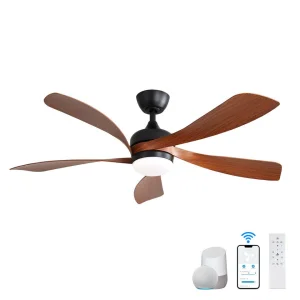
Yes, our smart ceiling fans feature integrated Tuya WiFi modules, allowing them to connect with Amazon Alexa, Google Assistant, SmartLife, and various smart home ecosystems. This enables automated operation based on room temperature, humidity, or scheduled routines.
Our ceiling fans and industrial HVLS lines carry ETL, UL, CE, CB, SAA, and RoHS certifications. These cover both electrical safety and component durability standards across North America, Europe, Australia, and Asia.
 Fanpro Light