As the demand for dual-functional clean air solutions gains massive traction across residential, hospitality, commercial, and industrial markets globally, the integration of active air purification within high-efficiency ceiling fans has emerged as the definitive HVAC enhancement strategy. In modern indoor spaces, passive air circulation is no longer sufficient. By utilizing ceiling fan structures equipped with integrated multi-layered air filters (such as HEPA H13, Active Carbon, and UV-C sterilization modules), organizations can achieve rapid spatial decontamination rates while significantly lowering energy expenditures.
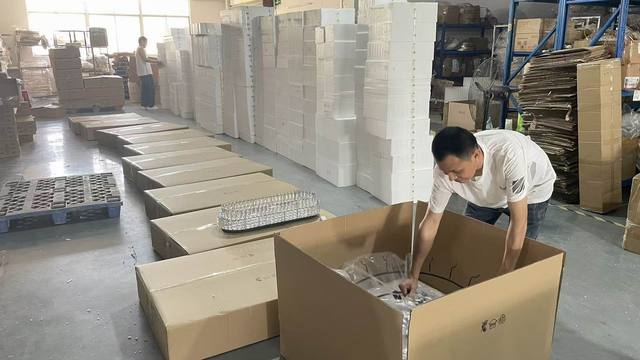
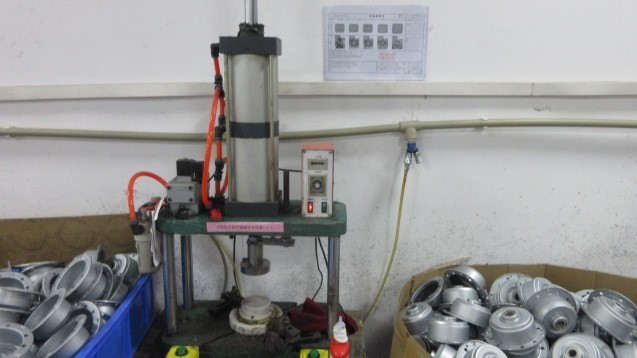
Dongguan Fanpro Light Co., Ltd. stands at the forefront of this industrial shift. Established in 2012 in the premier manufacturing hub of Dongguan, Guangdong, we have evolved into a highly specialized OEM/ODM manufacturing partner. Our modern infrastructure covers more than 12,000 square meters of high-tech production assembly areas, incorporating advanced R&D laboratories, ISO9001-certified motor wind tunnels, automated PCB testing systems, and dynamic balancing chambers.
Backed by a specialized workforce of over 180 skilled technicians and engineers, Fanpro Light integrates product design, structural engineering, aerodynamics testing, and global compliance certifications under one roof. Our primary focus is the manufacturing of high-durability brushless DC (BLDC) motor systems, smart IoT integration (Tuya, Zigbee, Wi-Fi), and customizable high-efficiency clean air distribution appliances designed to operate with minimal noise signature.
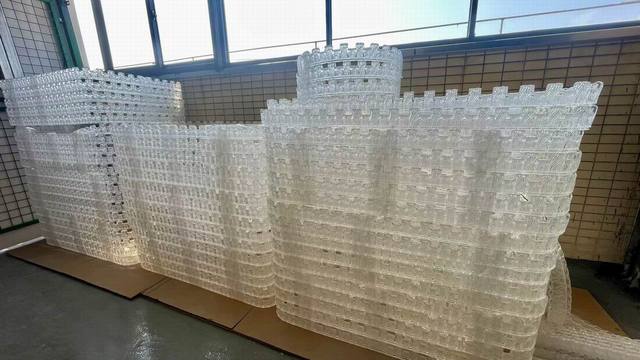
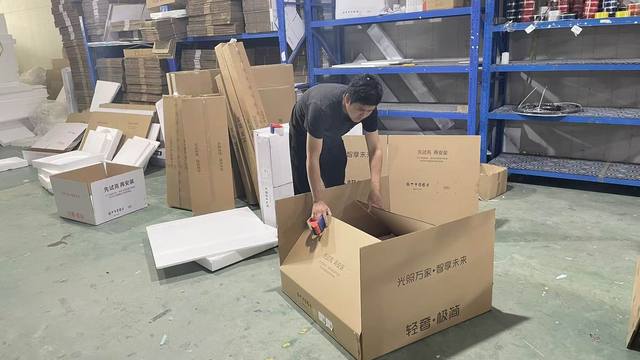
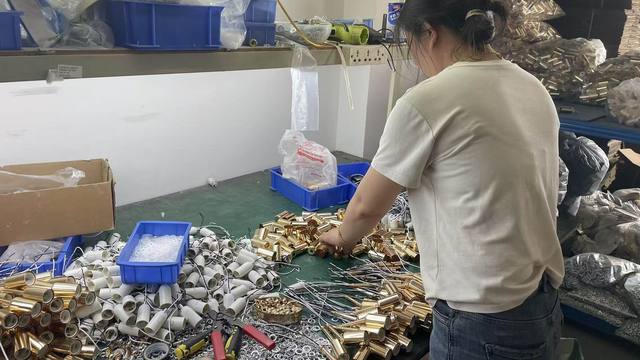
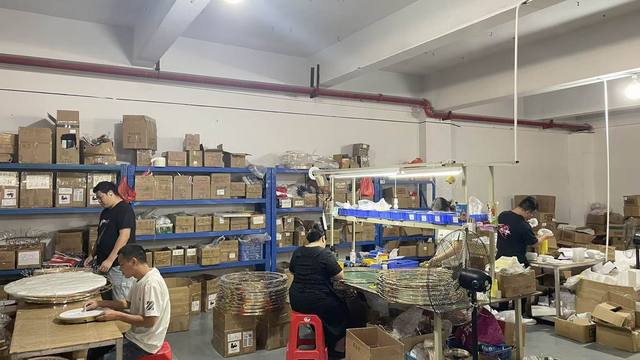
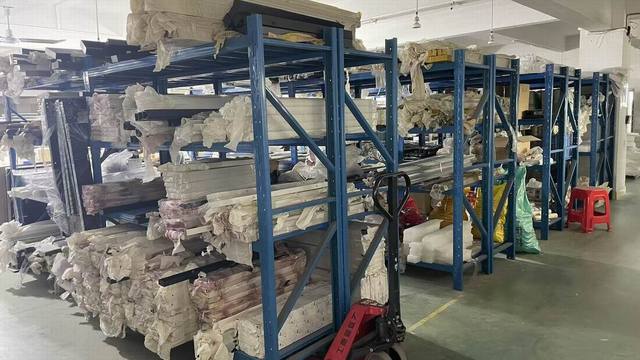
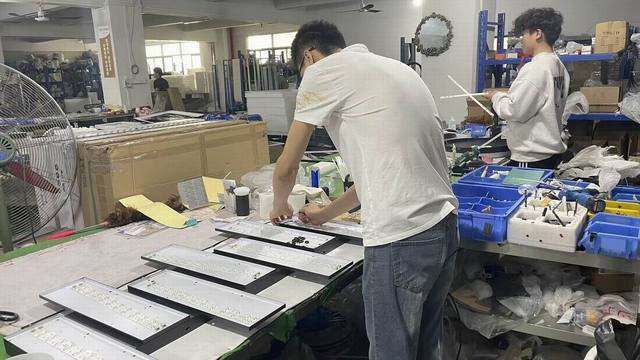
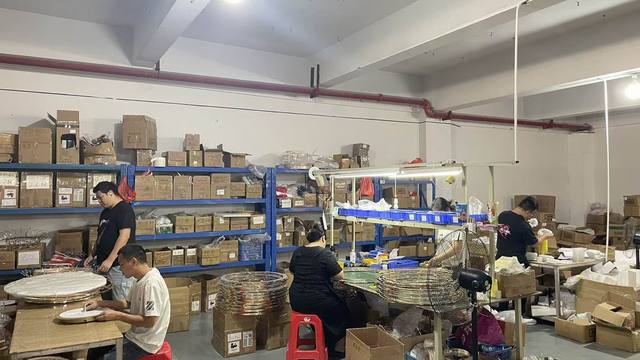
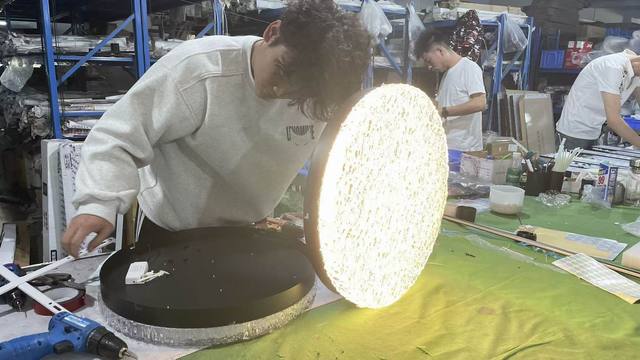
Traditional indoor spaces suffer from "dead zones" where air becomes stagnant, trapping particulate matter, carbon dioxide, and volatile organic compounds (VOCs). The integration of a high-efficiency particulate air (HEPA) system directly within the central rotor structure of a ceiling fan solves this physical limitation. Through vertical downdraft and radial flow acceleration, clean air is pushed continuously throughout the breathing zone, generating a uniform air replacement rate far superior to standalone floor-standing purifiers.
| Performance Metrics | Brushless DC (BLDC) Smart Fan Series | Industrial HVLS Purification Series | Residential/Hospitality Series |
|---|---|---|---|
| CADR (Clean Air Delivery Rate) | 350 m³/h - 480 m³/h | 1200 m³/h - 2200 m³/h | 180 m³/h - 280 m³/h |
| Filtration Grade | H13 True HEPA + Activated Carbon | Primary Pleated G4 + F9 Fine Bag Filters | True HEPA (H11 - H13) + Photocatalytic |
| Acoustic Output (Max Speed) | ≤ 35 dB (A) - Ultra Quiet | ≤ 48 dB (A) | ≤ 28 dB (A) (Sleep Mode Optimized) |
| Motor Power Range | 25W - 45W (High Efficiency) | 0.75kW - 1.5kW (Heavy Duty) | 15W - 35W |
| Smart Protocols | Wi-Fi, Zigbee, Tuya, RS485 (BMS) | Modbus, Industrial PLC Interface | Infrared Remote, Tuya App, Bluetooth |
| Air Sterilization | UV-C LEDs + Plasma Ionizer | Industrial Ionization Units | Optional UV-C Radiation Shielded |
The upper canopy houses intake grills equipped with pre-filters that arrest large particles, dust, and pet dander. High-torque BLDC motors draw the air upward/radially, establishing a consistent low-pressure zone directly above the fan body.
Air is forced through a circular, low-resistance H13 HEPA cartridge that filters out 99.97% of particulates as small as 0.3 microns, including pollen, mold spores, and airborne virus particles, followed by an active carbon layer for VOC control.
Purified air exits downward along the aerodynamically optimized airfoil blades. This creates a cohesive column of clean air that sweeps down to floor level and disperses along walls, ensuring complete thermal and volumetric equalization.
B2B procurement professionals from diverse industries are transitioning away from localized single-purpose appliances to integrated ceiling infrastructure. Implementing Fanpro Light air-purifying ceiling fans satisfies multiple corporate, environmental, and financial initiatives:
For hotels, resorts, and modern apartment developments, ceiling space is premium real estate. Our dual-purpose units provide dimmable LED architectural lighting, cooling, and air filtration. These spaces achieve higher LEED and WELL Building Standard ratings while cutting room turn-around times by removing odors, dust, and allergen trace chemicals rapidly.
Classrooms, auditoriums, and open-plan corporate offices represent high-occupancy hazard areas for airborne viral transmission. High-volume, whisper-quiet air-purifying fans circulate stale air through HEPA media repeatedly, decreasing droplet build-ups, keeping CO2 concentrations minimal, and enhancing cognitive performance in workspaces.
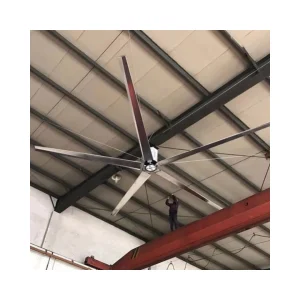
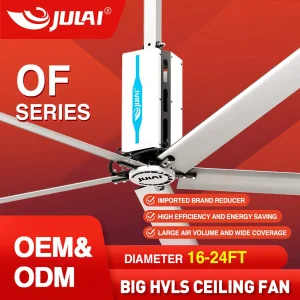
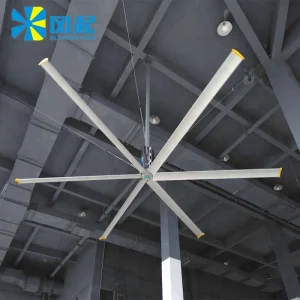
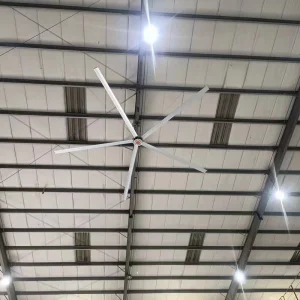
Large-scale distribution warehouses and manufacturing plants face intense airborne dust, micro-particles, and heat stress. Fanpro Light's HVLS (High-Volume Low-Speed) series with heavy-duty pleated filters moves vast columns of air to control thermal layering while removing industrial particulate matter, ensuring a safer workspace.
Integrating dynamic feedback loops. Smart sensors embedded in the fan unit measure ambient PM2.5, carbon dioxide, TVOC (Total Volatile Organic Compounds), and relative humidity. The fan adjusts its speed, LED illumination, and filtration cycles automatically based on indoor air metrics, saving up to 40% more energy compared to manually run devices.
Developing bionic blade profiles mimicking owl-wing aerodynamics to drop noise levels below 22dB, even at elevated CFM outputs. Introducing composite materials, such as bio-resins and highly durable recycled light metals, reducing the carbon footprint of structural chassis systems.
Transitioning from standard replaceable mechanical HEPA filters to low-resistance, washable Electrostatic Precipitation (ESP) cells. ESP charges airborne particulates and traps them on metal plates. This will minimize pressure drops, eliminate the ongoing operating cost of filter replacements, and allow fans to run continuously with optimal airflow velocity.
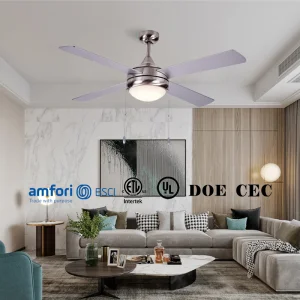
Exporting electrical air purification and cooling appliances requires meeting rigorous international electrical, safety, and performance standards. Dongguan Fanpro Light Co., Ltd. ensures that all customized OEM/ODM builds undergo rigorous testing pipelines to secure the certificates necessary for regional imports:
To ensure structural reliability and safety in transit and operation, we implement critical quality assurance practices:
Standalone floor-standing air purifiers suffer from localized short-circuiting, where they cycle the same air nearby while remote corners remain unpurified. A ceiling fan-mounted system uses the room's boundary layers to draw polluted air upward and distribute purified air downward. This covers a wider area and increases clean air circulation rates (CADR) across large spaces.
For typical residential and office environments, the primary G4 pre-filter should be cleaned or vacuumed every 3 months. The H13 HEPA cartridge and activated carbon modules should be replaced every 9 to 12 months, depending on air quality levels. Our smart units track operating hours and pressure drops to signal when a filter change is needed.
Our smart control boards feature independent relays. You can run the integrated air filtration module at low-speed background ventilation rates with the main ceiling fan blades stationary, or operate the fan at high speeds for cooling while maintaining moderate, quiet filtration. Both systems are fully adjustable via the Tuya app, remote control, or external BMS connections.
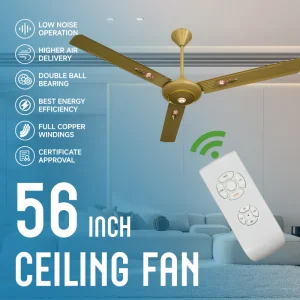
We design and manufacture our own Brushless DC (BLDC) motors using high-grade neodymium magnets and sine-wave vector controllers. This minimizes electromagnetic hum. When combined with our balanced, aerodynamic blades, our units operate under 28-35 dB (A), which is quieter than a typical library environment.
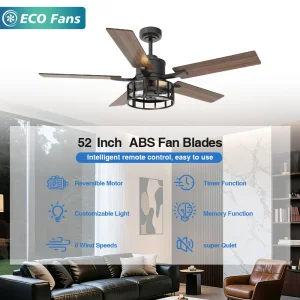
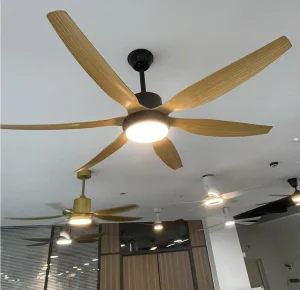
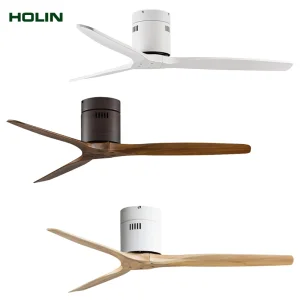
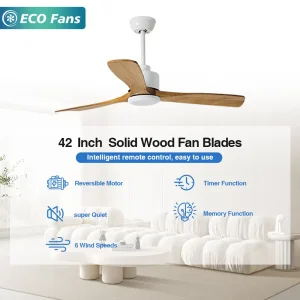
We offer full OEM and ODM customization services. This includes adjusting blade diameters (from 42" to 72"+ or industrial HVLS sizes up to 24ft), motor power ratings, custom casing finishes (wood grains, matte blacks, brushed steel), custom LED color temperatures (dimmable, RGB, CCT adjustable), and integrating specific sensor arrays or communication protocols like RS485 for building management systems.
No, our air-purifying ceiling fans utilize physical mechanical filtration (H13 HEPA) and high-density activated carbon adsorption, which do not produce ozone. If UV-C light sterilization is selected, we use shielded, non-ozone-generating UV-C LEDs that are housed entirely inside the core of the chassis, protecting building occupants from direct exposure.
 Fanpro Light