Engineered for architectural integration, utilizing low-noise BLDC motors and energy-efficient LED modules.
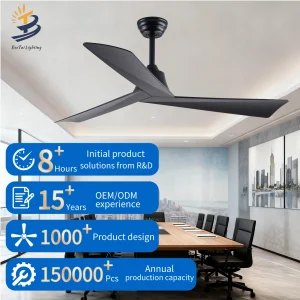
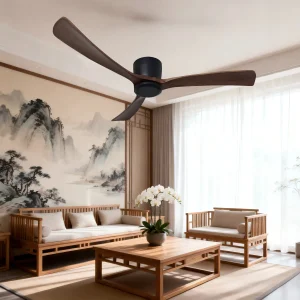
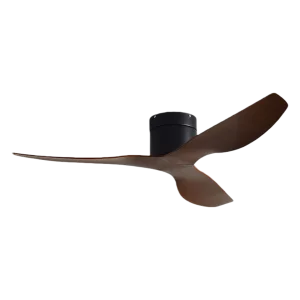
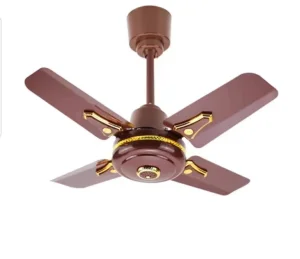
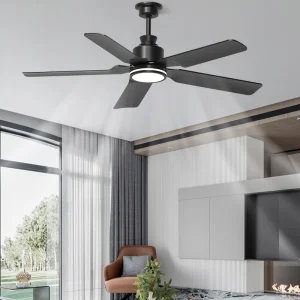
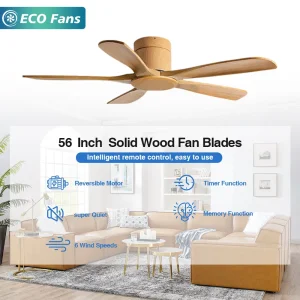
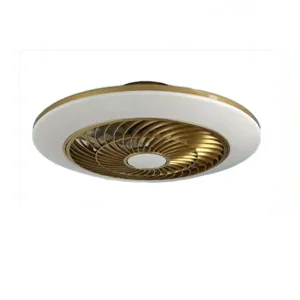
In modern architectural design, the integration of environmental control systems has evolved far beyond separate HVAC units and direct glare lighting. Today's commercial, residential, and institutional spaces demand thermal efficiency combined with high-quality visual environments. The Custom OEM LED Uplight Ceiling Fan represents this technical integration: combining high-volume, low-speed (HVLS) air movement with indirect, human-centric lighting.
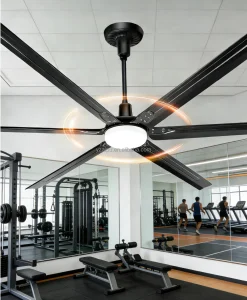
By routing illumination upward against the ceiling structure rather than down into the eyes of occupants, indirect lighting eliminates the glare typical of standard ceiling fans. When coupled with advanced brushless DC (BLDC) motors, these fixtures function as integrated climate-and-light regulators, delivering energy savings and improved visual comfort in commercial and residential settings.
For B2B buyers, distributors, and MEP (Mechanical, Electrical, and Plumbing) engineering firms, sourcing these units requires a technical understanding of the mechanical and photometric variables. Dongguan Fanpro Light Co., Ltd. provides customized solutions configured to meet regional energy mandates, electrical codes, and spatial design constraints.
Why indirect illumination is critical in contemporary spatial design projects.
Traditional down-lit fans can create light flicker as rotating fan blades cut across the downward light path. Uplighting addresses this issue by bouncing light off the ceiling, providing diffuse ambient illumination and lowering the Unified Glare Rating (UGR) below 19, which is beneficial for office and study environments.
Equipped with 3CCT LED arrays (3000K, 4000K, 6000K) and optional RGB modules, our uplight fans support biological rhythm sync. Gentle indirect shifts in color temperature throughout the day mimic natural sunlight, helping to maintain worker focus and comfort.
Our engineering team optimizes the LED beam angle (120° to 160°) relative to the ceiling plane. This ensures uniform luminous intensity without hot-spots, transforming the ceiling into a secondary reflector for comfortable light distribution.
Tailoring mechanical specifications and optical packages to regional project requirements.
Aesthetic Comfort & Quiet Operation: High-end hotels require low ambient noise levels (under 35dB). Using solid wood blades and low-profile DC motors, our custom uplight ceiling fans supply gentle air circulation. The uplight feature provides subtle, indirect lighting that enhances architectural details in suites and lobbies without glare.
Anti-Glare Visual Workspaces: Screen glare is a common cause of eye strain in offices. Dropping downlights below the fan plane creates flickering shadows. Our uplight units project light upward, producing uniform illumination across desks and meeting tables while maintaining airflow for temperature regulation.
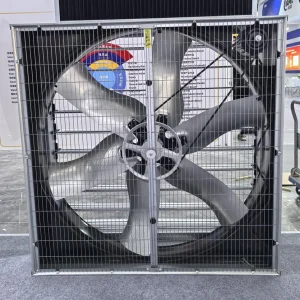
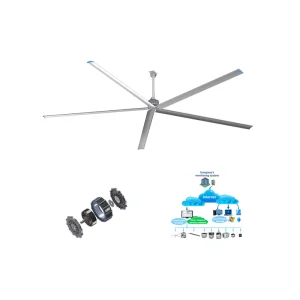
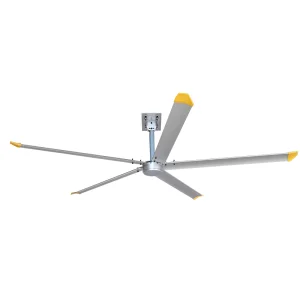
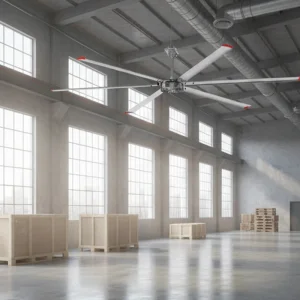
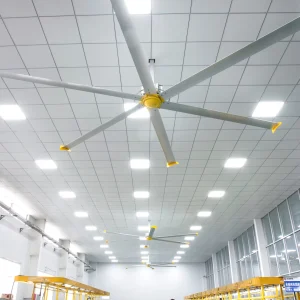
Destratification and High Volume Flow: High-ceiling buildings often face thermal stratification, where warm air rises to the roof. Our heavy-duty industrial fans (ranging from 8ft to 24ft) use aerodynamically designed blades and reversible motors to push warm air downward, helping to lower heating costs during winter.
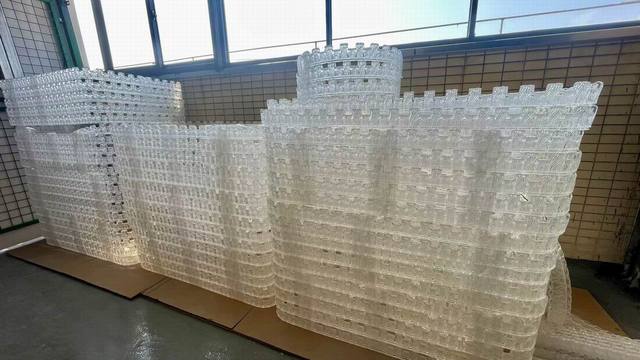
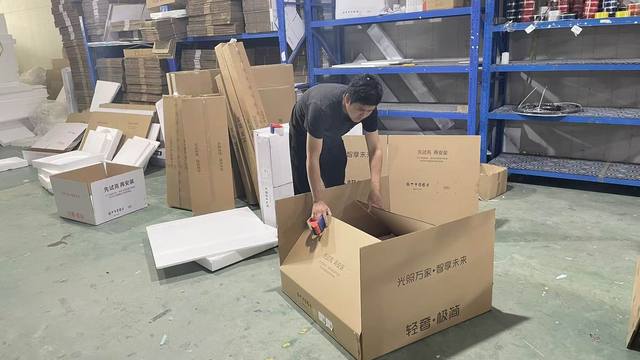
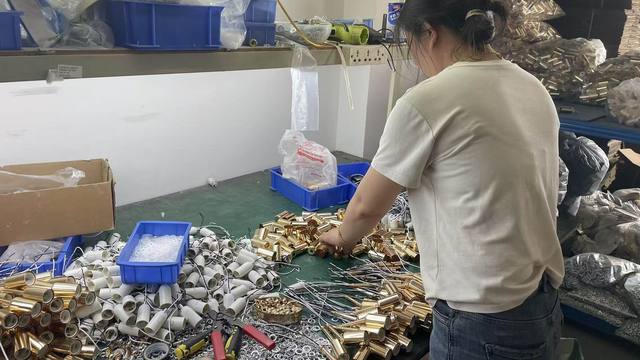
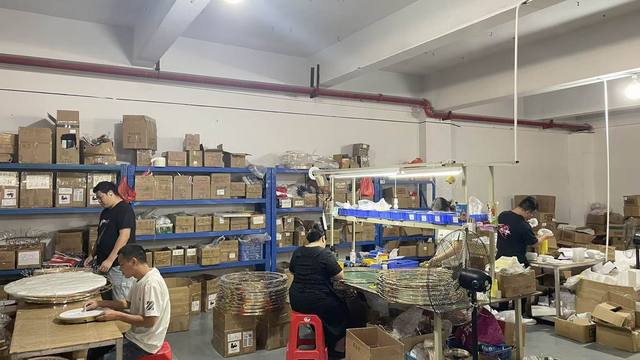
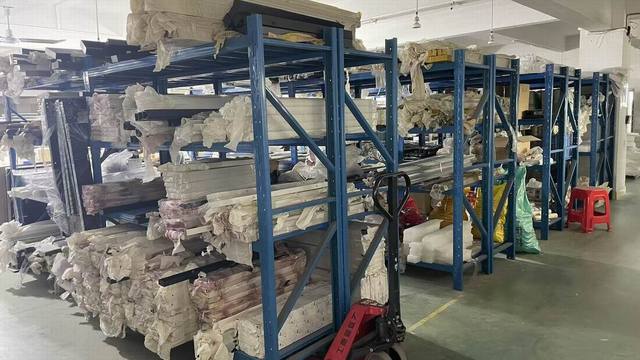
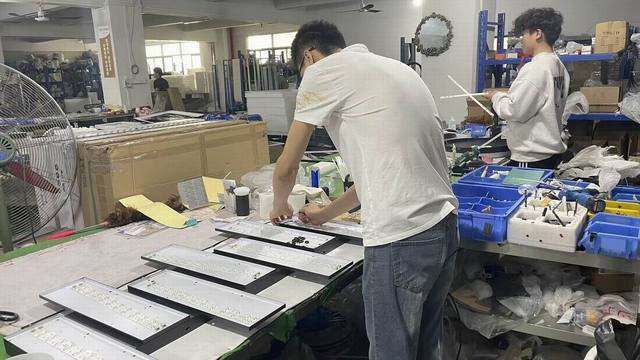
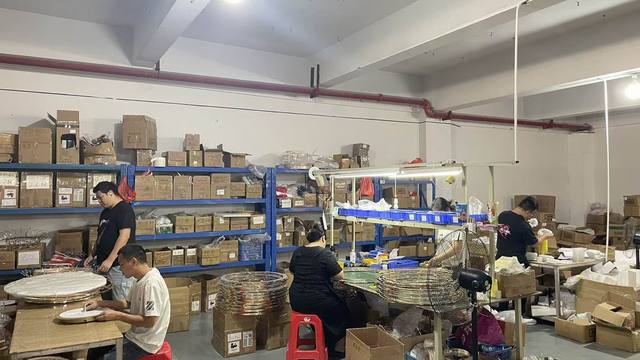
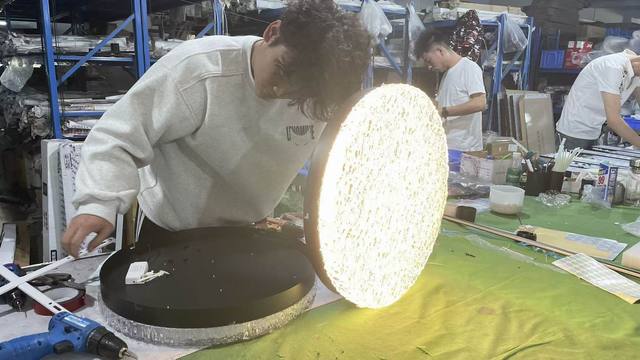
Established in 2012 in Dongguan, Guangdong, integrating R&D, structural design, SMT lines, and motor testing.
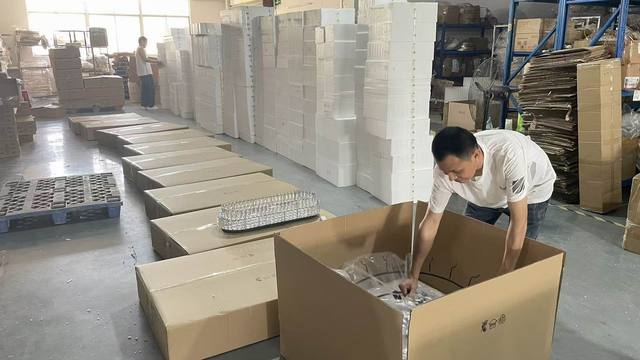
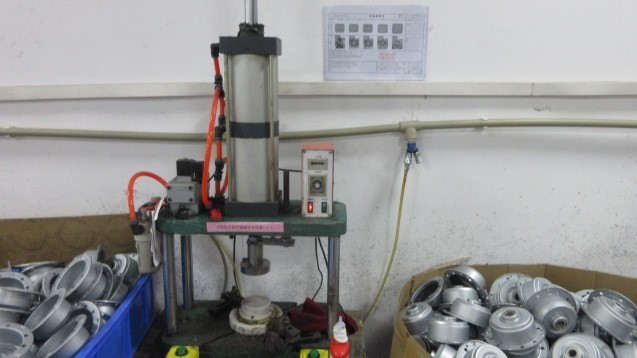
Located in the manufacturing hub of Dongguan, China, Dongguan Fanpro Light Co., Ltd. operates a modern facility covering more than 12,000 square meters. The plant is equipped with automatic winding machines, dynamic balancing testing rigs, precision CNC metal tooling stations, and dedicated LED SMT assembly lines. With over 180 skilled workers and 15 engineers, Fanpro Light manages everything from motor design to final packing under one roof.
By keeping production in-house, Fanpro Light manages the supply chain, maintains competitive prices, and meets international certifications (UL, CE, RoHS, SAA, KC). Our QC process includes high-voltage safety tests, 100% motor spin-up runs, LED light decay checks, and dynamic blade balancing to ensure steady, wobble-free operation.
Configurable architectural parameters available to wholesale buyers and product designers.
| Specification Parameter | OEM Standard Offering | Customizable ODM Limits |
|---|---|---|
| Motor Technology | Sinusoidal Wave Brushless DC (BLDC) Motor | 100V-277V Wide Voltage Input, AC/DC Dual Source Integration |
| Luminous Efficacy | 100 - 110 lm/W (Indirect/Direct Split) | Up to 135 lm/W using Samsung/Osram high-density diodes |
| CCT Controls | 3CCT Switchable (3000K, 4000K, 6000K) | 0-10V dimmable, DALI, ZigBee, Matter protocol integrations |
| Blade Materials | ABS Molded, Light Paulownia Wood, Aluminum | Marine-grade anti-corrosion, structural wood veneering |
| Noise Profile | <38 dB(A) at maximum operational output | Silent bearing tuning to <28 dB(A) for recording spaces |
| Smart Control | RF Remote Control, Smart Life App Support | Tuya / Alexa / Apple Homekit Integration / RS485 Modbus |
How new regulations and user demands shape the development of uplight fans.
Commercial building operators are looking to tie smart fans into their central HVAC systems via BACnet or Modbus. By running energy-efficient ceiling fans alongside central air conditioning, facilities can raise their thermostat setpoints by up to 2-3°C while keeping occupants comfortable. This approach reduces overall HVAC energy consumption by up to 15-20% during peak seasons.
Traditional downward lighting can feel harsh over long work hours. Modern workspaces are moving toward indirect uplighting, which bounces light off the ceiling to create soft, glare-free ambient illumination. Adding warm dimming and tunable white capabilities allows offices to coordinate lighting with natural circadian cycles, supporting concentration and reducing eye strain.
Newer drive designs focus on reducing noise and improving reliability. Modern brushless DC (BLDC) motors feature sensored FOC (Field Oriented Control) drivers that run quietly across all speed ranges. These drives eliminate electrical hums and work well with smart home networks, solar DC microgrids, and local battery backup systems.
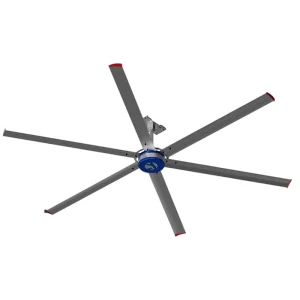
Large-scale HVLS, commercial warehouse, and high-flow fans engineered for heavy duty duty cycles.
Answering the technical, safety, and logistical questions of mechanical engineers and global B2B buyers.
Uplight ceiling fans address the glare and flickering shadows common with traditional downlit fans. By bouncing light off the ceiling, they provide diffuse ambient illumination that keeps the Unified Glare Rating (UGR) below 19. This creates a more comfortable environment in offices, libraries, and schools.
BLDC motors use electronic commutation instead of physical brushes, reducing friction and wear. This leads to up to 80% lower energy use compared to AC motors. It also keeps operating noise down (under 35dB) and extends the motor's lifespan, which is ideal for commercial installations that run continuously.
Yes. As an experienced OEM/ODM manufacturer, we customize voltage ranges (e.g., 110-120V for North America, 220-240V for Europe and Australia) and motor frequencies. We also source certified drivers that carry regional safety marks, such as UL, CE, SAA, KC, and PSE.
We provide integration options using Tuya, Wi-Fi, and ZigBee wireless protocols, which can be connected to Google Home, Amazon Alexa, and Apple HomeKit. For larger building setups, we can also customize controllers to interface with RS485 Modbus or BACnet wired systems.
Standard OEM production runs are typically completed within 35 to 45 days after design confirmation and deposit receipt. For complex custom ODM orders requiring brand-new mold injection configurations, the initial tooling phase adds 25 to 30 days to the pre-production schedule.
 Fanpro Light