Explore our top-tier engineered models merging high-efficiency cooling with smart integrated technology.
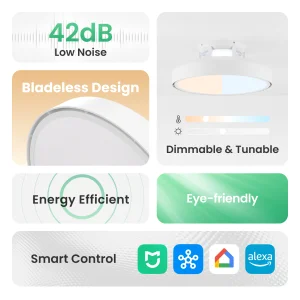
Modern architectural design and interior engineering are increasingly moving toward multi-functional, space-saving, and IoT-enabled appliances. The traditional ceiling fan, once a purely mechanical airflow device, has evolved. Today, the integration of high-fidelity Bluetooth audio systems with state-of-the-art DC motor ceiling fans represents a major leap in home automation and commercial space optimization.
As semantic search queries shift from simple keywords like "ceiling fan" to high-intent, complex queries such as "best low-resonance DC ceiling fan with Bluetooth speaker manufacturer for boutique hotels," it becomes imperative to evaluate the manufacturing landscape through a professional lens. Product performance is no longer measured solely by cubic feet per minute (CFM) of air displacement; it is now evaluated through acoustic clarity, structural resonance damping, wireless connectivity range, and energy-to-noise ratios.
Information Gain Concept: Dynamic airflow generates micro-vibrations. Combining a speaker with a rotating fan system requires advanced resonance cancellation engineering to ensure clear audio without mechanical distortion. This white paper breaks down how the industry's top manufacturers solve this complex equation.
For global B2B buyers, sourcing from the right factory involves analyzing technical competencies that span across mechanical engineering, acoustic design, wireless regulatory compliance, and high-efficiency power distribution. This guide provides an analytical review of the top manufacturing standards for ceiling fans integrated with Bluetooth speaker technology.
The global market for smart ventilation solutions is experiencing a compound annual growth rate (CAGR) of over 8.4% from 2021 to 2028. This growth is heavily driven by the residential renovation surge in North America, urbanization in the Asia-Pacific region, and strict European energy efficiency mandates (such as the ErP Directive). The integration of Bluetooth audio speakers within ceiling fans addresses a specific, growing user intent: the desire for integrated, minimalist smart home devices that eliminate ceiling clutter.
In commercial spaces such as fitness centers, outdoor cafes, and boutique hotel lobbies, ambient audio and climate control are traditionally managed by separate, costly systems. Smart integrated ceiling fans offer a cost-effective alternative, significantly lowering installation and maintenance expenses. Manufacturers in manufacturing hubs like Dongguan, Guangdong are leading this transition by leveraging local high-tech electronics supply chains to source premium Bluetooth chips, digital signal processors (DSPs), and high-torque Brushless DC (BLDC) motors.
Integrating a speaker into a high-torque rotating system presents significant engineering challenges. The primary obstacle is harmonic resonance. When the fan blades rotate, they generate low-frequency vibrations that can travel through the fan body and distort the audio quality of the speaker, causing rattling or muffled sounds. Leading manufacturers tackle this issue through several key engineering approaches:
By placing high-density silicone or rubber dampers between the speaker housing and the main motor shaft, manufacturers isolate the speaker from mechanical motor vibrations.
Digital Signal Processors (DSP) are programmed to dynamically filter out the specific vibration frequencies generated by the fan's motor speed profiles.
Utilizing 180-degree sine wave sensorless BLDC motor control systems drastically reduces electromagnetic noise compared to traditional square wave controllers.
Furthermore, thermal management is essential. The heat generated by the LED light engine and the power amplifier of the Bluetooth speaker must be dissipated efficiently. Top factories use advanced aluminum heat sinks and airflow-guided venting paths to ensure that the internal electronics remain cool, guaranteeing a lifespan exceeding 50,000 hours of continuous operation.
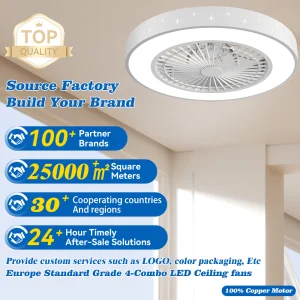
To understand what makes a world-class factory in this niche, we look at Dongguan Fanpro Light Co., Ltd., a professional ceiling fan manufacturer specializing in the design, development, and production of smart ceiling fans, DC motor ceiling fans, and energy-efficient air circulation solutions for residential, commercial, and hospitality applications. Established in 2012, the company is located in Dongguan, Guangdong, one of China's leading manufacturing hubs, providing convenient access to global logistics networks and supply chains.
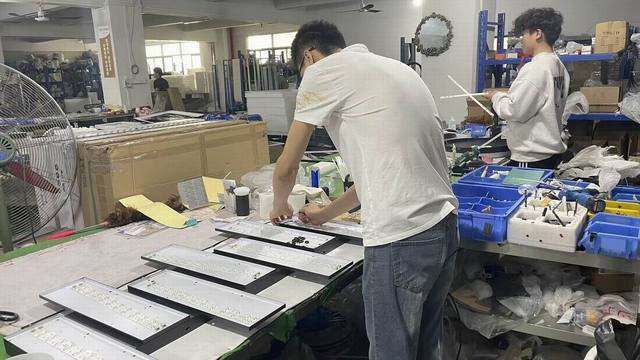
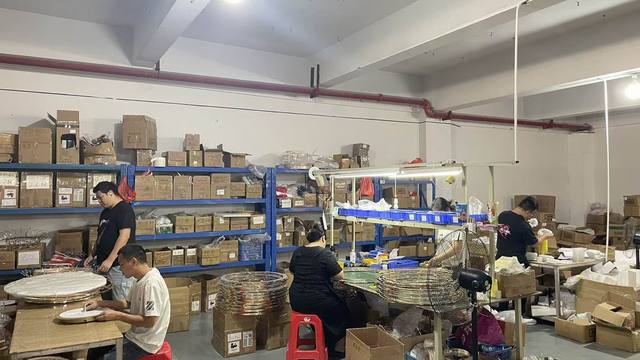
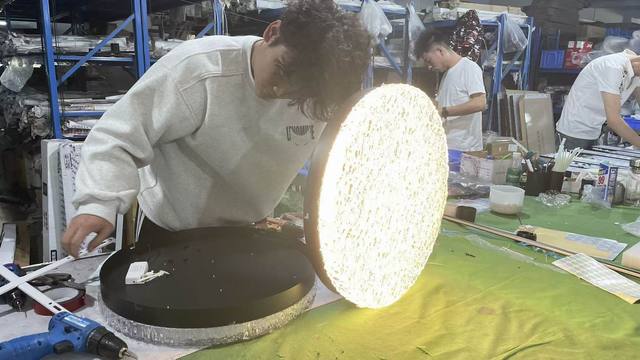
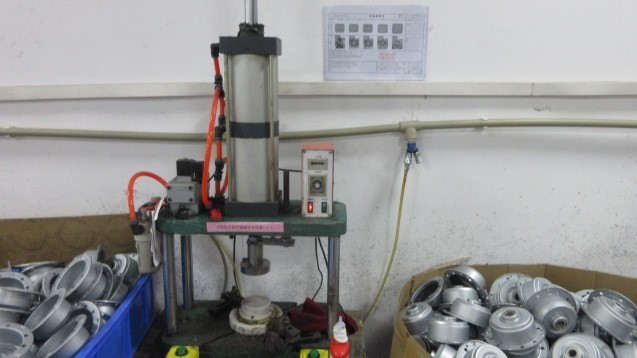
With a modern production facility covering more than 12,000 square meters and a workforce of over 180 skilled employees, Fanpro Light integrates product design, engineering, manufacturing, quality control, and international sales under one roof. The company operates multiple assembly lines and testing laboratories to ensure consistent product performance, durability, safety, and compliance with international standards.
Fanpro Light offers a comprehensive range of ceiling fan solutions, including smart WiFi ceiling fans, DC motor ceiling fans, ceiling fans with LED lighting, low-profile ceiling fans, decorative ceiling fans, outdoor ceiling fans, and commercial air movement systems. The company continuously invests in motor technology, energy-saving innovations, and intelligent control systems to meet evolving market demands.
As an experienced OEM and ODM manufacturing partner, Fanpro Light supports customers worldwide with customized designs, private labeling, packaging solutions, and product development services. Its products are exported to North America, Europe, Australia, Southeast Asia, the Middle East, and other international markets.
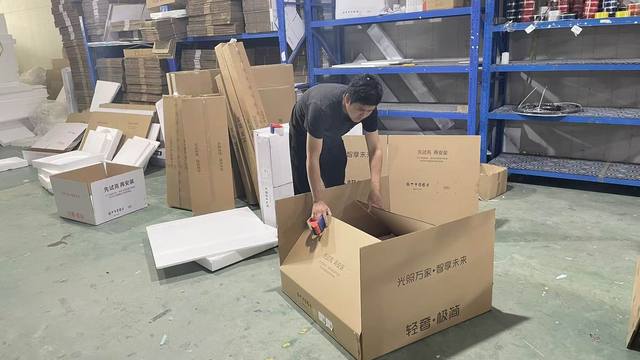
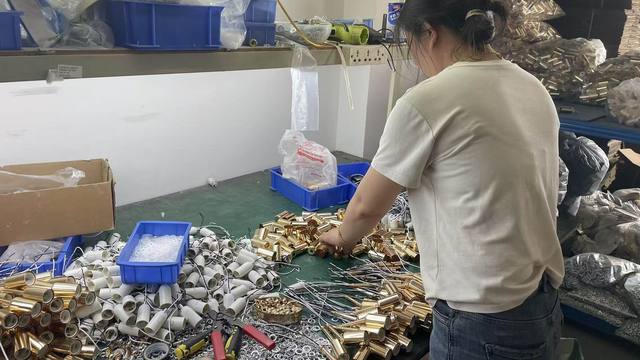
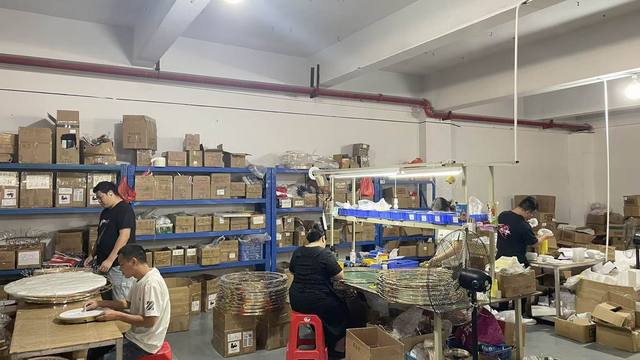
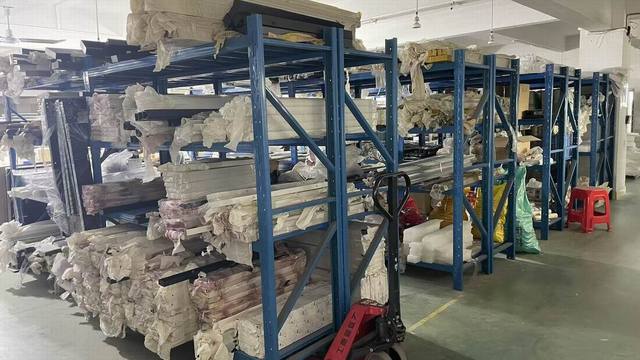
Committed to quality, innovation, and long-term partnerships, Dongguan Fanpro Light Co., Ltd. strives to provide reliable ceiling fan products and flexible manufacturing solutions that help customers strengthen their competitiveness in the global marketplace. Below are actual views of the state-of-the-art production floors, test equipment, and facilities at the Dongguan plant:


Entering international consumer electronics and electrical appliance markets requires compliance with a complex web of national standards. A ceiling fan with an integrated Bluetooth speaker is classified both as an electrical appliance and a radio transmitter. Consequently, it must meet strict certifications before it can be sold in major regions:
| Target Region | Safety Standards | Wireless / RF Standards | Energy Standards |
|---|---|---|---|
| North America | UL 507 / ETL | FCC Part 15 Class B | Energy Star / CEC Title 20 |
| European Union | EN 60335-1 / EN 60335-2-80 | RED 2014/53/EU | ErP Directive (EU) 2019/2020 |
| Australia | AS/NZS 60335.2.80 | RCM (Regulatory Compliance Mark) | GEMS Scheme |
| Latin America / Asia | NOM / IEC 60335 | Local Spectrum Approvals | National Labeling Schemes |
Integrating climate and sound systems brings immense value across diverse environments, improving spatial design and ease of use:
Replaces multiple nightstand devices with a single unit. Users can stream relaxing white noise or ambient music directly from their phones, creating an ideal sleep environment, while enjoying quiet, gentle air circulation.
Hotels can offer guestrooms that combine customizable ambient audio and high-efficiency cooling in one sleek package. Using bluetooth pairings that auto-reset on guest checkout enhances convenience and security.
Provides uniform, draft-free air distribution while surrounding practitioners with high-fidelity sound. This clean setup removes trip hazards from floor speakers and standing fans, keeping the studio space open and safe.
The next generation of smart ventilation technology focuses heavily on connectivity standard standardization and advanced spatial audio. Currently, proprietary apps are giving way to unified open-source systems. The industry roadmap shows several key shifts:
Essential insights for professional buyers, importers, and distributors sourcing smart ceiling fans.
Generally, standard OEM/ODM production runs start at 100 to 300 units per model, depending on blade materials (e.g., solid wood vs. molded ABS) and electrical customizations. For stocked regional inventory, smaller quantities are available.
Top factories use acoustic isolation rings, precise motor balancing (dynamic balance limits under 0.5g), and customized DSP audio profiling. These design features ensure the speaker remains completely isolated from the fan's mechanical vibrations.
Yes, quality fans feature separated electrical runs and smart relays inside the receiver. This allows users to control the light, fan speed, and audio streaming independently via remote controls, mobile apps, or smart home ecosystems.
Premium manufacturers typically offer a lifetime warranty on the copper motor itself, along with a 2-year warranty on the electronic components, including the LED driver, receiver, and Bluetooth speaker module.
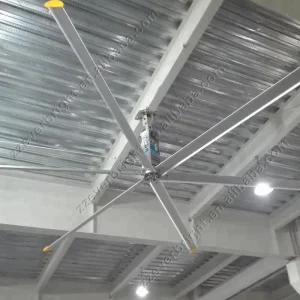
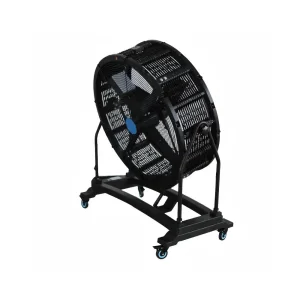
High-performance air displacement and structural designs engineered for complex architectural environments.
 Fanpro Light