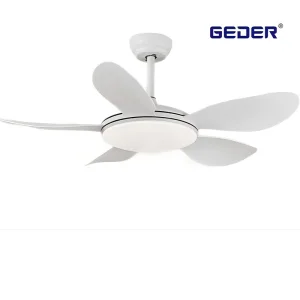
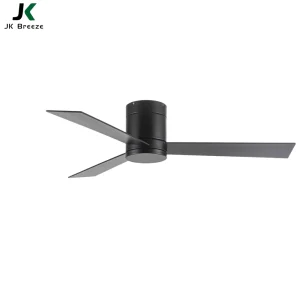
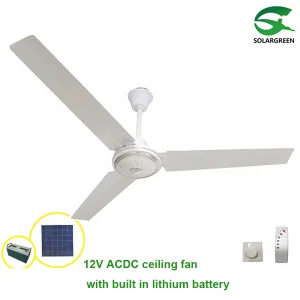
Explore our primary selection of industrial, commercial, and luxury residential ceiling fans engineered for maximum air movement, whisper-quiet performance, and smart automation. These models represent the apex of contemporary HVAC-assist technology.
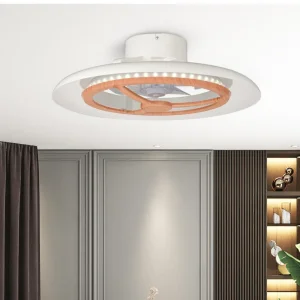
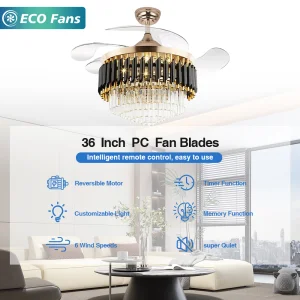
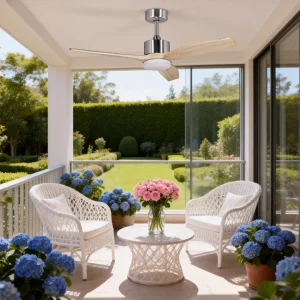
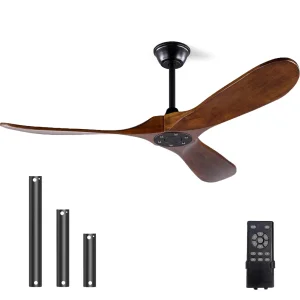
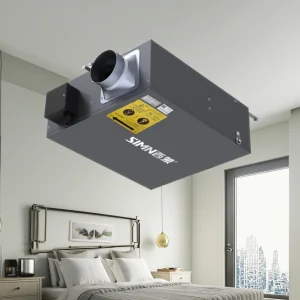
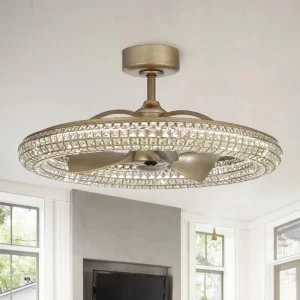
In the global air movement and HVAC optimization industry, the Dual Motor Ceiling Fan represents a monumental paradigm shift from static, single-axis circulation to dynamic, multi-directional airflow matrix systems. While a traditional single-motor fan distributes air in a fixed vertical column, dual-motor configurations utilize two separate, independently articulating motor housings mounted on a central suspension chassis. This design enables dual-vector airflow, generating an active vortex that mitigates thermal stratification in large, high-ceiling environments.
By mounting two high-torque BLDC (Brushless Direct Current) motors on adjustable arms, engineering teams can configure distinct rotational angles (ranging from 15° to 45° off-center). This configuration solves the typical "dead zone" problem directly underneath the mounting point, creating a wide, cross-ventilation pattern that accelerates heat dissipation and reduces perceived temperature by up to 8°C.
Unlike standard setups, dual motor ceiling fans allow operators to set specific tilt angles. This redirection of thrust provides targeted airflow in commercial lobbies, hotel reception desks, or open-floor residential zones, preventing drafts in seating areas while retaining continuous circulation.
Distributing load between two smaller, highly efficient BLDC motors instead of one massive AC motor reduces overall thermal load on motor windings. This extends operating life by approximately 45%, making it the preferred solution for 24/7 continuous industrial operations.
Dual airflow streams break the boundary layer of air on walls and floors, reducing humidity zones where mold and condensation typically aggregate. This is critical for high-end wood installations, hotel lobbies, and wellness spas.
Procurement officers and engineering consultants in the US, EU, and Oceania face strict regulatory standards when importing ceiling fans. As electrical costs rise, selecting a manufacturing partner that designs for thermodynamic efficiency and regulatory compliance is paramount.
To successfully import and distribute high-volume dual motor ceiling fans, products must meet critical benchmarks:
When ranking the premier manufacturing facilities producing dual motor ceiling fans, B2B procurement managers evaluate candidates based on five key performance indicators (KPIs):
High-density pure copper windings reduce resistance and thermal output, preventing premature stator burnout under continuous usage.
Utilizing high-end BLDC sine-wave controllers instead of cheaper square-wave alternatives limits audible hum to below 30dB.
Every fan blade assembly must undergo rigorous computer-guided dual-plane balancing to avoid wobbling at high velocities.
Leading production centers in Guangdong (specifically Dongguan, Zhongshan, and Foshan) represent over 80% of global output for advanced dual-head and multi-motor air circulating systems. These facilities benefit from mature supply chains, housing die-cast injection plants, copper winding centers, and testing labs within a 50-mile radius.
Established in 2012, Dongguan Fanpro Light Co., Ltd. stands as a benchmark of excellence in the smart ceiling fan and DC motor engineering sector. Operating from one of mainland China's most robust industrial ecosystems, Fanpro has built a reputation for designing highly durable air circulation systems tailored for hospitality, commercial, and residential spaces.
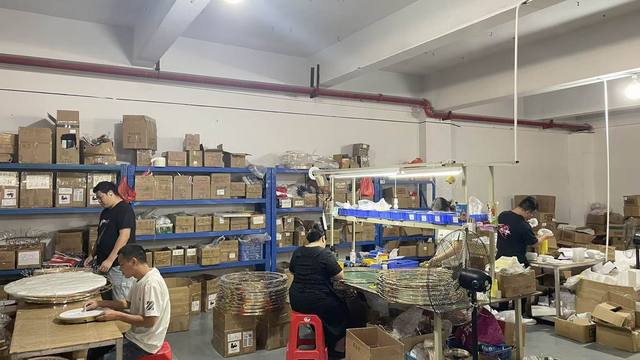
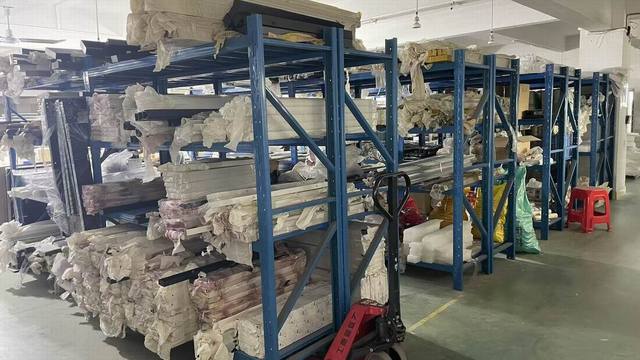
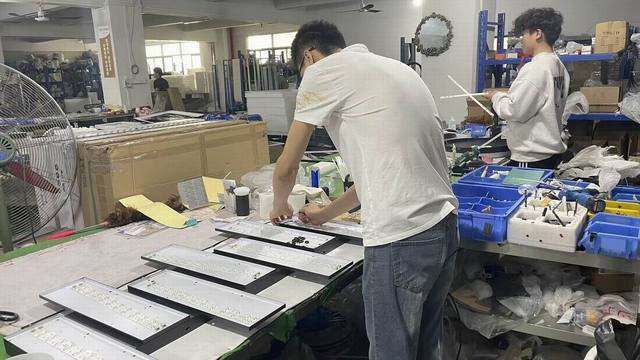
With a state-of-the-art facility spanning over 12,000 square meters and an expert workforce of over 180 skilled technicians, the company handles all aspects of product development under one roof. This includes concept industrial design, aerodynamic testing, motor wind prototyping, precision plastic injection, surface treatment, assembly, and 100% load testing.
Investing heavily in technological evolution, Fanpro Light integrates advanced control algorithms, Smart WiFi connections, and energy-conserving BLDC controllers. As a preferred OEM/ODM partner, they offer comprehensive white-labeling, packaging customization, and tailored voltage adaptation to match specific country requirements.
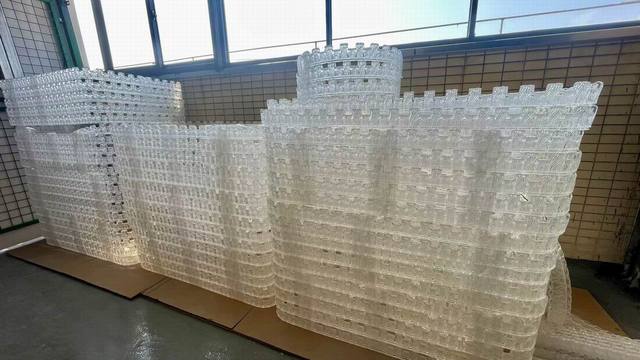
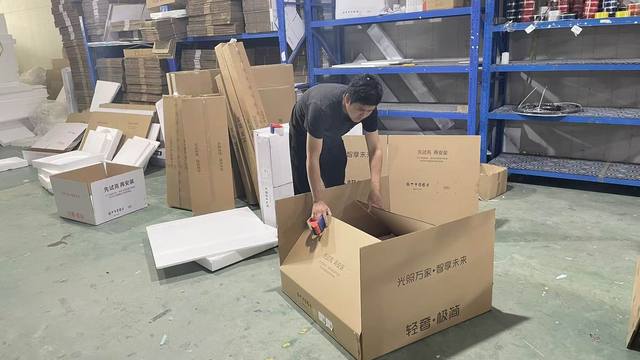
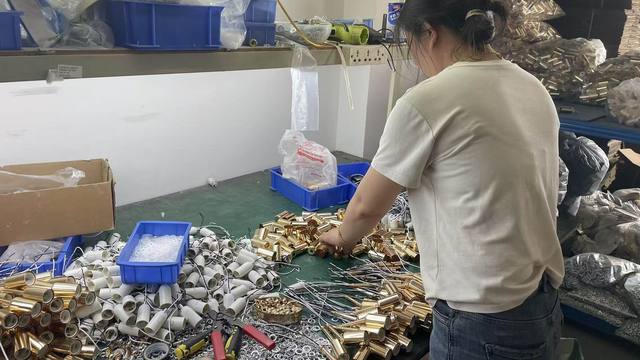
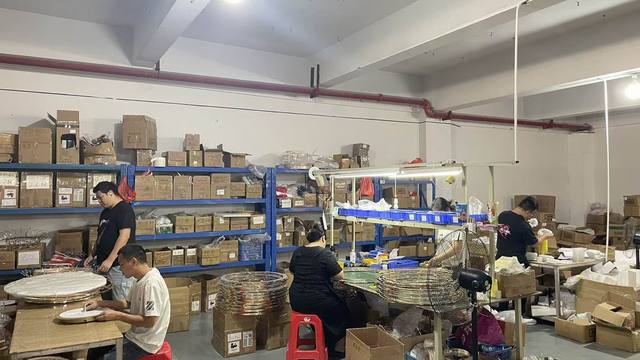
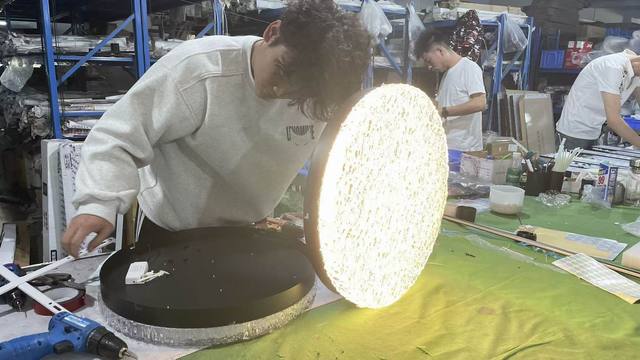
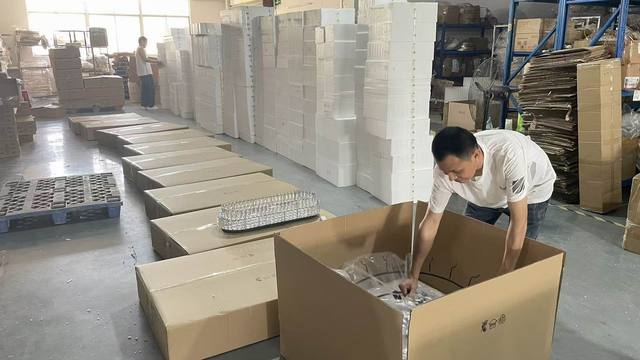
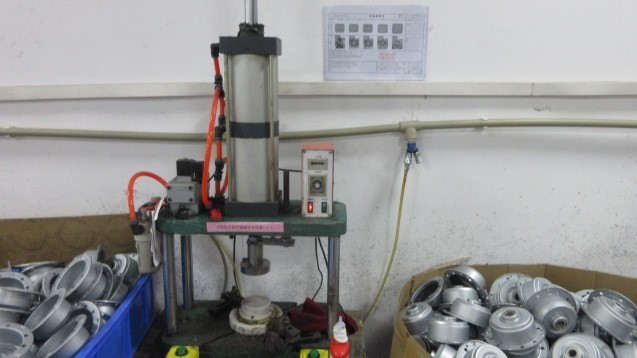
Below are official photographs from Fanpro Light's internal testing labs, automated winding lines, assembly sections, and quality assurance divisions:
Large-scale commercial projects require robust engineering to prevent common failures. The table below outlines how leading factories solve critical mechanical risks:
Dual motor systems generate localized thermal currents. Premium builders use high-grade aluminum housings with integrated fins to maximize the thermal dissipation path, lowering ambient motor temperatures by 15% and preventing winding failure.
To prevent clicking noises over long runtimes, premium exporters specify double-shielded, permanently lubricated Japanese ball bearings (such as NSK or NMB), minimizing friction coefficient to ensure quiet, long-term operation.
RF noise can disrupt home automation networks. Industrial smart fans feature integrated EMI (Electromagnetic Interference) filters on control boards, ensuring seamless operation alongside WiFi, Zigbee, or Matter setups.
Direct-run solar connectivity allows fans to switch dynamically between 24V DC solar inputs and AC grid power, cutting operating costs to zero during daytime peak periods.
Transitioning proprietary smart chips to universal Matter standards ensures cross-brand compatibility with global smart-building management platforms.
Redesigning blade profiles inspired by whale flippers to decrease drag, optimize air displacement, and lower noise outputs under high-speed operation.
Explore answers to technical and logical questions often raised by procurement departments during the factory evaluation phase:
Dual motor fans allow for multi-directional airflow customization. They can be set at custom angles to direct air toward specific areas, breaking up static air layers and delivering a higher cooling effect with lower energy consumption than single-motor designs.
BLDC motors operate up to 70% more efficiently, generate less heat, run virtually silently, and support infinitely variable speeds. This leads to lower operational costs and significantly extended service life in commercial settings.
For customized packaging, private labels, or minor color and material modifications, the standard MOQ starts at 100 to 200 units per model, depending on the tooling required for the custom components.
Yes, provided they are built to IP44 or higher moisture-protection standards. When sourcing for seaside or open patio layouts, specify anti-rust treated steel or high-grade ABS blades to protect against moisture and salt-fog degradation.
Many premium models feature smart controllers that connect to building management setups via Modbus, RS485 interfaces, or local WiFi APIs. This allows facilities to control cooling schedules automatically and lower energy costs.
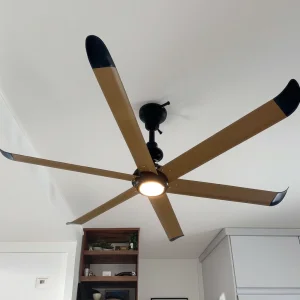
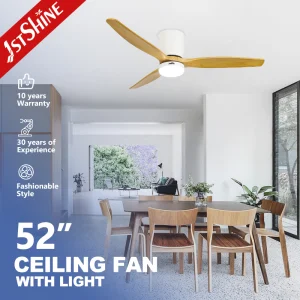
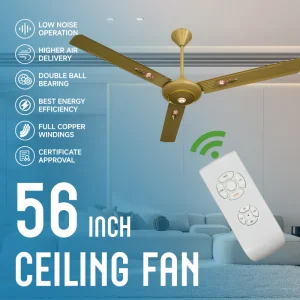
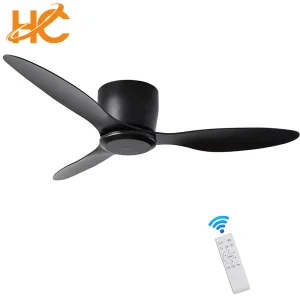
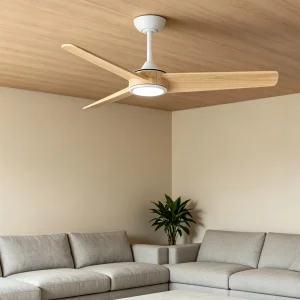
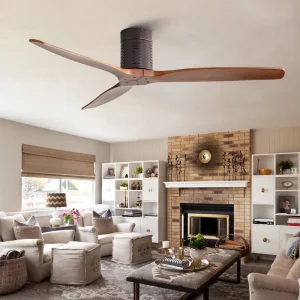
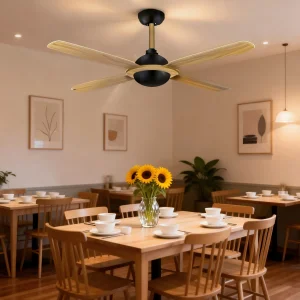
Below is our second curated selection, containing industrial PMSM high-torque models, sleek wooden ceiling fans, and off-grid solar integrations designed to perform in demanding environments.
 Fanpro Light