Select high-torque, energy-efficient ceiling models optimized for commercial and residential applications
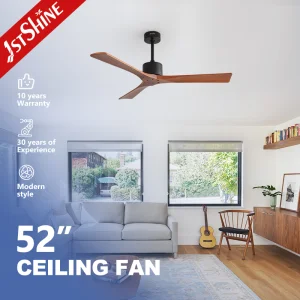
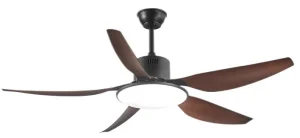
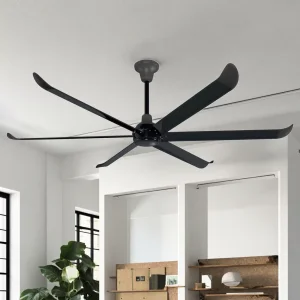
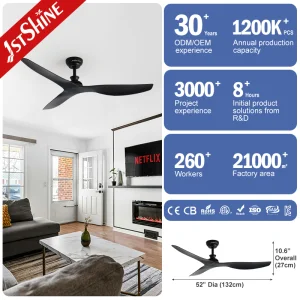
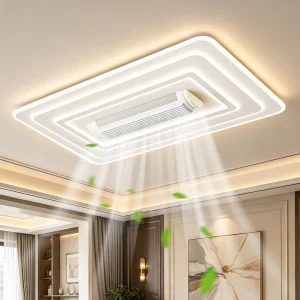
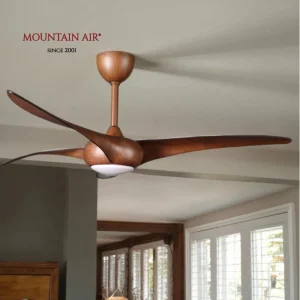
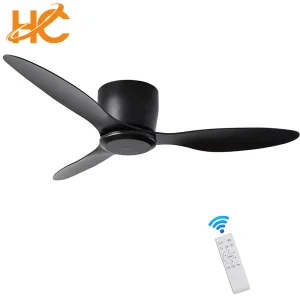
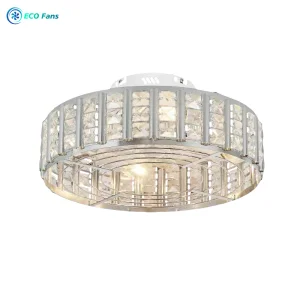
In today's global supply chain framework, architectural systems in manufacturing plants, distribution warehouses, agricultural units, and major transport stations require sophisticated indoor air quality (IAQ) and thermodynamic management systems. High-volume, low-speed (HVLS) and specialized industrial ceiling fans have emerged as pivotal vectors to achieve environmental stability, heat stress reduction, and energy efficiency. Modern factories are moving away from brute-force localized spot coolers to integrated, wide-area air circulation systems.
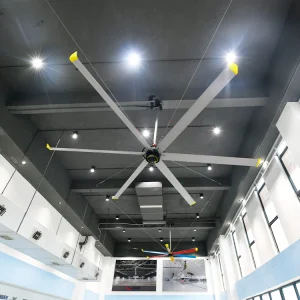
Thermal destratification plays a significant role in large facilities. In tall buildings, heated air naturally rises to the ceiling, leaving colder pockets below. Industrial ceiling fans systematically redistribute this warm air down to the working level, minimizing the workload on localized HVAC units. During warmer periods, the gentle air motion across human skin enhances evaporation, establishing a psychological cooling sensation of up to 15°C without altering air temperatures. This physical phenomenon Directly reduces factory utility bills and helps meet corporate Scope 1 and Scope 2 emission reduction goals.
At the heart of any reliable industrial fan is the propulsion mechanism. Over the past decade, motor architectures have undergone a tectonic shift. Traditional induction AC motors, while robust and cheap to produce, suffer from high energy loss, heavy structures, and mechanical gear wear. Today, leading manufacturers prioritize Direct Drive Permanent Magnet Synchronous Motors (PMSM) and advanced Brushless DC (BLDC) systems.
Geared motors struggle with oil leaks and mechanical wear. PMSM motors utilize rare-earth permanent magnets to deliver immense torque at low RPMs without any mechanical gears, ensuring zero maintenance requirements and ultra-low noise levels (< 40 dBA).
BLDC configurations supply excellent variable speed functionality via integrated electronic commutation. It provides precise operational control over 6 different speeds and enables compatibility with smart Building Management Systems (BMS) and IoT networks.
Aerodynamic profiles inspired by aviation (e.g., NACA airfoils) reduce turbulence at the blade tips. Incorporating winglets controls vortices, maximizing downwind thrust while reducing drag coefficients and stabilizing the structure.
| Motor Architecture Type | Transmission Method | Energy Efficiency (COP) | Noise Range (dBA) | Service Life Expectancy | Primary Industrial Use Case |
|---|---|---|---|---|---|
| Direct Drive PMSM | Gearless (Magnetic Coupling) | 92% - 96% | 35 - 42 dBA | > 50,000 Hours | Ultra-large distribution facilities, public transit hubs, quiet commercial workspaces. |
| Brushless DC (BLDC) | Direct / Low-Gear Box | 88% - 92% | 38 - 45 dBA | > 35,000 Hours | Medium industrial plants, warehouses, multi-use retail centers, smart homes. |
| Traditional Induction AC | Geared (Reduction Box) | 65% - 75% | 52 - 65 dBA | < 20,000 Hours | Heavy foundries, chemical processing facilities requiring low upfront investment. |
A professional compliance checklist for procurement agents and global structural engineers
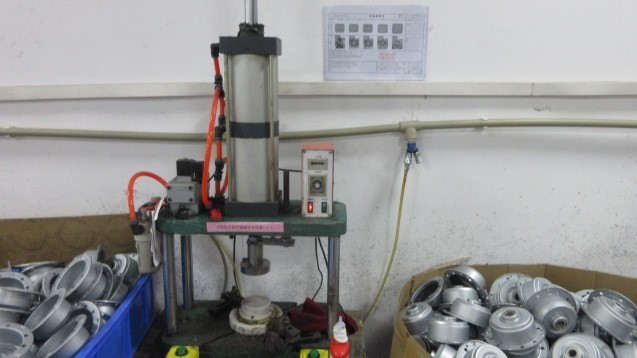
During operation, mechanical imbalance produces centrifugal forces that fatigue mounting struts, posing major structural risks. High-tier industrial ceiling fan factories must use precision dynamic balancing equipment (ISO 1940 standard). Inquire if the factory tests the motor-hub-blade assembly as a single consolidated system rather than individual components.
Safety overhead is non-negotiable. Look for factories offering multi-point safety systems, including:
Cheap blades use low-grade aluminum prone to fatigue fractures under structural oscillation. Standard airfoils should use 6061-T6 aviation-grade anodized aluminum alloy or high-impact flame-retardant ABS. Structural hubs should be made from forged steel or heavy-duty ductile iron. Cast aluminum hubs present microscopic porosity voids that can fail over years of cyclic loading.
Integrating Advanced Motor Technology & Precision Aerodynamics since 2012
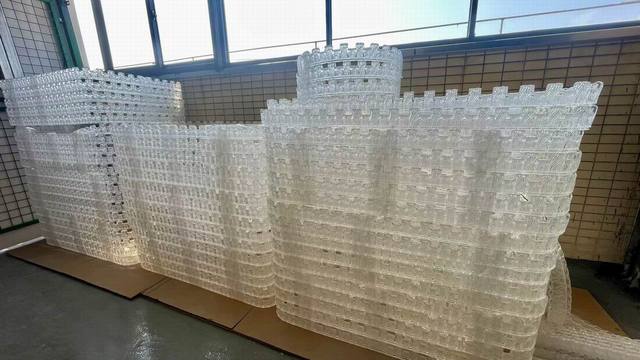
Dongguan Fanpro Light Co., Ltd. is a professional ceiling fan manufacturer specializing in the design, development, and production of smart ceiling fans, DC motor ceiling fans, and energy-efficient air circulation solutions for residential, commercial, and hospitality applications. Established in 2012, the company is located in Dongguan, Guangdong, one of China's leading manufacturing hubs, providing convenient access to global logistics networks and supply chains.
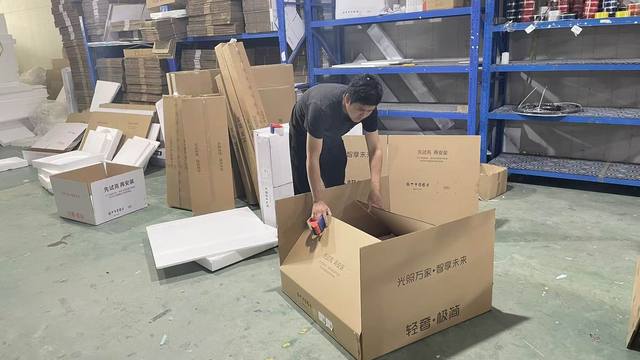
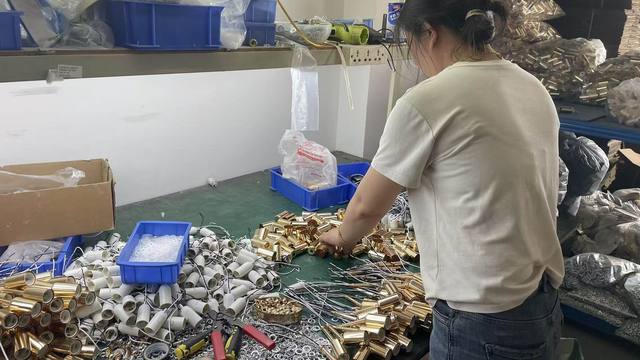
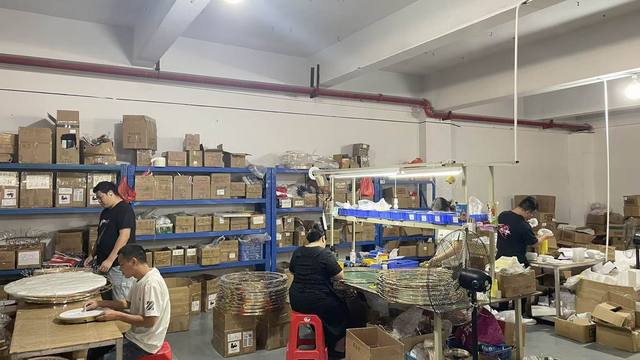
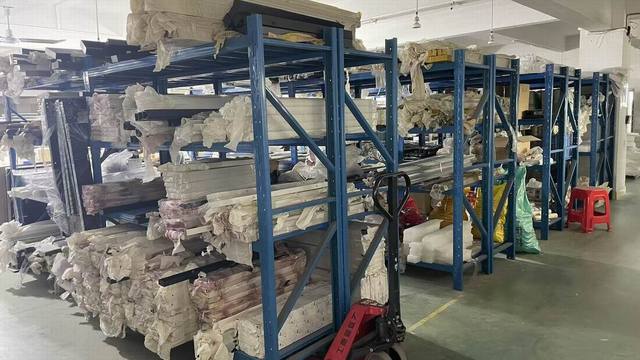
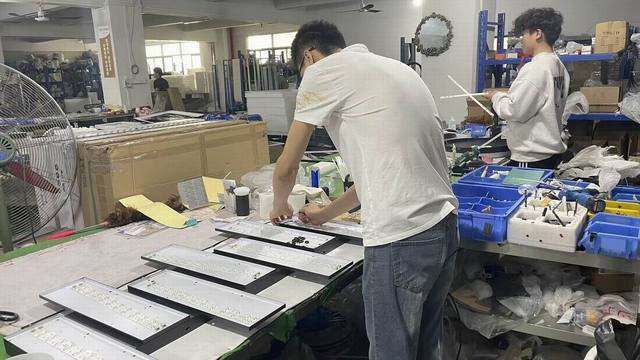
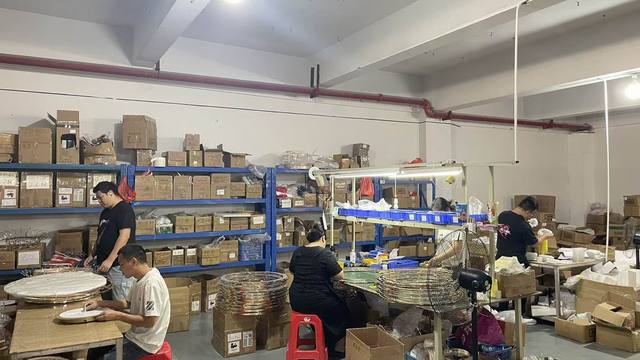
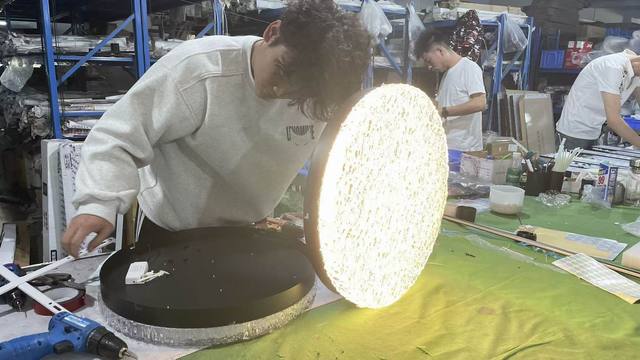
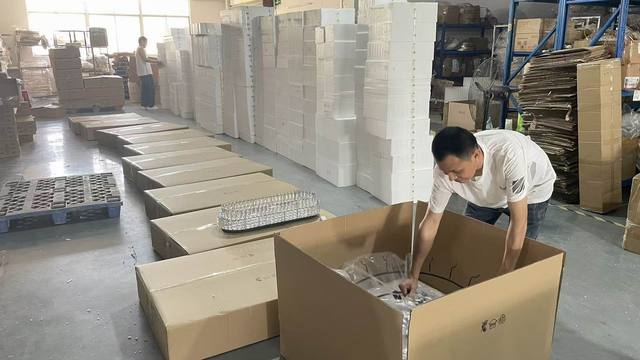
With a modern production facility covering more than 12,000 square meters and a workforce of over 180 skilled employees, Fanpro Light integrates product design, engineering, manufacturing, quality control, and international sales under one roof. The company operates multiple assembly lines and testing laboratories to ensure consistent product performance, durability, safety, and compliance with international standards.
Fanpro Light offers a comprehensive range of ceiling fan solutions, including smart WiFi ceiling fans, DC motor ceiling fans, ceiling fans with LED lighting, low-profile ceiling fans, decorative ceiling fans, outdoor ceiling fans, and commercial air movement systems. The company continuously invests in motor technology, energy-saving innovations, and intelligent control systems to meet evolving market demands.
As an experienced OEM and ODM manufacturing partner, Fanpro Light supports customers worldwide with customized designs, private labeling, packaging solutions, and product development services. Its products are exported to North America, Europe, Australia, Southeast Asia, the Middle East, and other international markets.
Modern industrial facilities rely on consolidated building management platforms. Advanced BLDC and PMSM motor drivers support direct RS485 Modbus connectivity, allowing facility managers to program customized heating and cooling interlocks automatically.
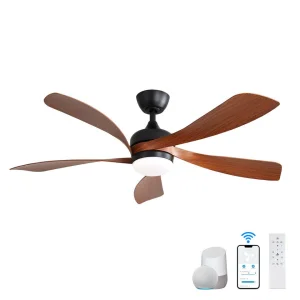
For commercial spaces and boutique environments, integrated Tuya smart modules enable control via mobile applications and wireless gateways. These modules allow scheduling, thermal triggers, and voice-assisted operations.
Thanks to double electrical insulation and heavy shielding against electromagnetic interference (EMI), these fans meet EMC standards, preventing interruptions to nearby heavy machinery, wireless signals, or medical scanners.
Additionally, the integration of ambient temperature sensors allows the fans to automatically modulate their speeds. In colder seasons, when destratification is the primary objective, fans run in reverse at low speed, preventing uncomfortable draft sensations at floor level. During peak summer, the system ramps up to full capacity, helping to reduce reliance on expensive HVAC systems.
Addressing key industrial ventilation challenges based on search intent
Heavy-duty air circulation and ventilation systems designed for warehouses, logistics parks, and factories
 Fanpro Light