High-efficiency units engineered for heavy duty operation in Masovian and Lower Silesian climate zones.
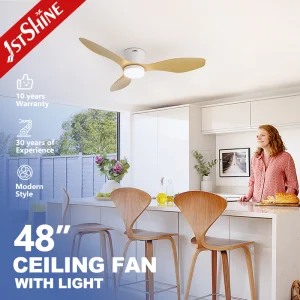
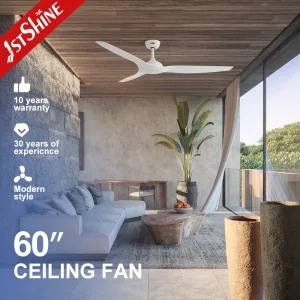
Poland's HVAC market is undergoing a structural transition driven by two primary macroeconomic pressures: the escalation of summer ambient temperatures due to continental heat domes (reaching record highs exceeding 35°C in industrial corridors like Katowice, Wrocław, and Warsaw) and the European Union’s aggressive decarbonization mandates. Historically reliant on traditional central heating systems, developers and mechanical consultants across Poland are increasingly designing integrated air movement and destratification layouts to optimize energy efficiency.
Under the Polish Energy Regulatory Office (Urząd Regulacji Energetyki - URE) directives, commercial facilities must document severe carbon footprint mitigation plans. In large open spaces, including logistics parks in Poznań or retail complexes in Tri-City (Gdańsk-Gdynia-Sopot), stratification creates hot air reservoirs near the ceiling, increasing heating demands in winter by up to 35%. While modern brushless DC (BLDC) motors offer excellent low-power control, high-quality, pure copper-wound AC motors remain a crucial engineering solution. The AC motor’s physical simplicity, high tolerance to voltage fluctuations common in older Polish grids, and lack of sensitive electronic microprocessors make it incredibly resilient in industrial environments, heavy-duty workshops, and agricultural facilities across Masovia and Greater Poland.
Reduces heating system loads in winter by pushing down hot air layers trapped at ceiling heights, saving up to 30% in warehouse heating fuel consumption in cold regions like Podlaskie.
Unlike complex BLDC drivers, heavy-duty AC motors resist power line spikes and grid fluctuations typical of central-eastern European infrastructure.
Assists building systems in qualifying for international ecological certifications by establishing secondary, low-emission evaporative cooling mechanisms.
Any mechanical ventilation product imported into and deployed within the Republic of Poland must rigorously align with EU Single Market harmonization standards. Our manufacturing workflow at Dongguan Fanpro Light Co., Ltd. is built around strict compliance verification, ensuring our ceiling fans carry valid CE marking and satisfy the following core directives:
The durability of a ceiling fan is determined by the composition of its core. Cheap suppliers utilize Copper-Clad Aluminum (CCA) windings, which suffer from accelerated thermal expansion fatigue and resistive losses. We exclusively utilize 100% pure oxygen-free copper wire in our AC and BLDC stators. This provides superior electrical conductivity, reducing heat generation within the motor itself, extending the life of the silicon steel sheet stacks and sealed ball bearings, and providing a lifespan exceeding 10 years under continuous operating regimes.
Bridging the gap between raw air circulation volume and architectural elegance in Polish modern renovations.
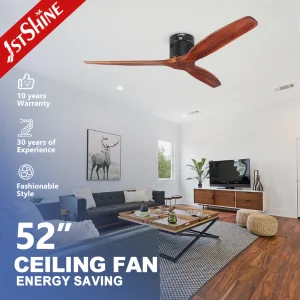
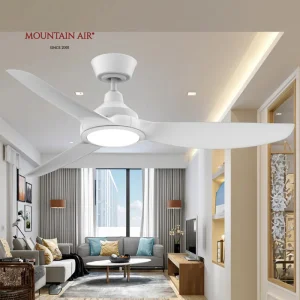
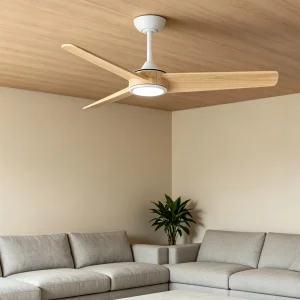
Different spaces require tailored solutions. In Poland's construction market, we address distinct architectural configurations:
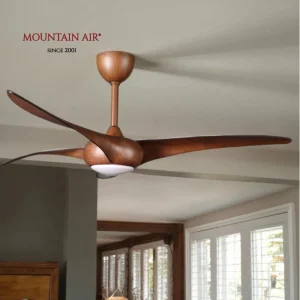
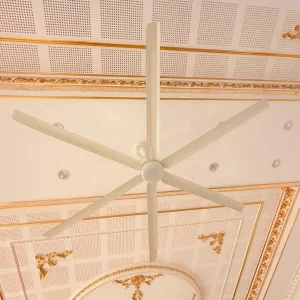
In old cities like Kraków, Wrocław, and Toruń, strict heritage conservation codes (managed by the regional conservation offices - Konserwator Zabytków) prevent the installation of external AC condenser units or intrusive ductwork. Flush-mounted, silent ceiling fans offer a non-invasive way to maintain thermal comfort while preserving historical timber beams and ornate plasterwork.
Poland is Europe's logistics hub, hosting massive distribution warehouses along the S8 and A2 highways. Standard commercial HVAC installations suffer from massive vertical thermal stratification. Deploying 120-inch industrial HVLS or heavy-duty AC fans mixes the thermal boundaries, creating uniform temperature profiles and reducing heating bills during winter.
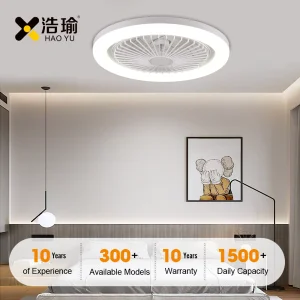
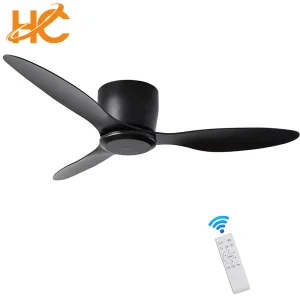
With the rapid rise of modern micro-apartments and private student dorms (e.g., in Warsaw, Poznań, and Łódź), silent air circulation with integrated smart controls and LED light kits is a highly sought-after, space-saving HVAC feature for cost-conscious young professionals.
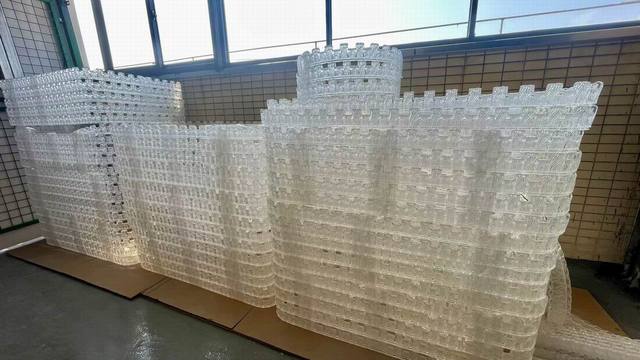
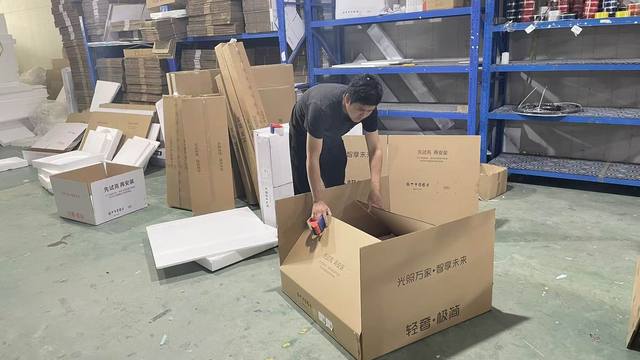
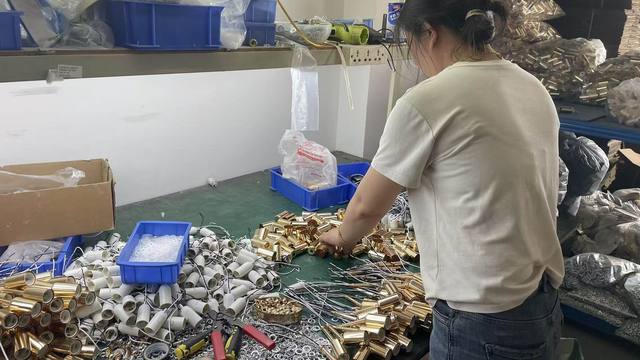
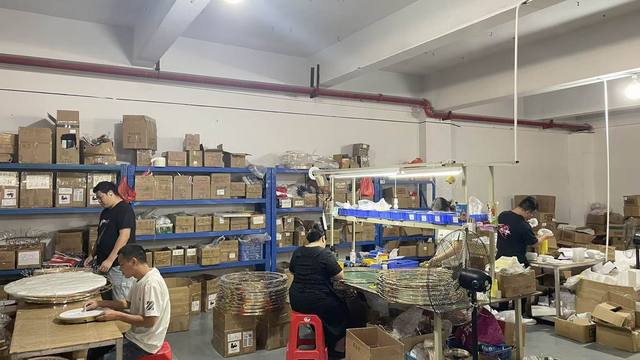
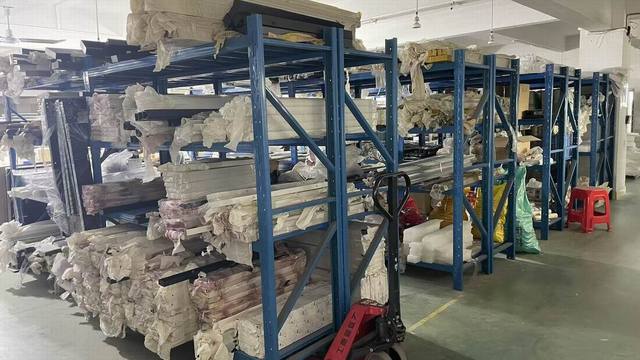
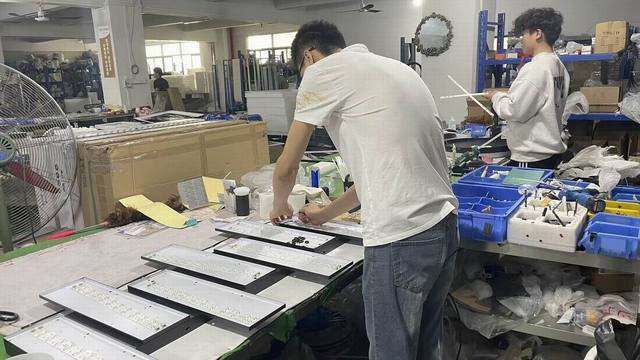
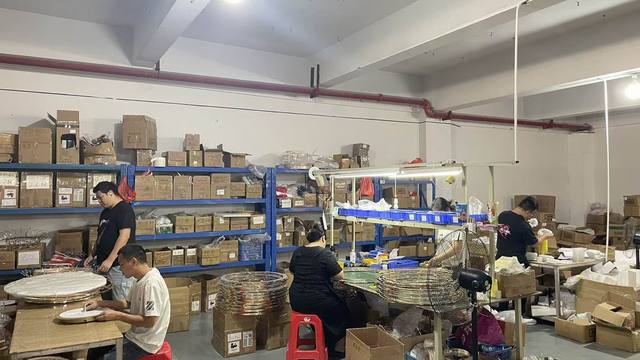
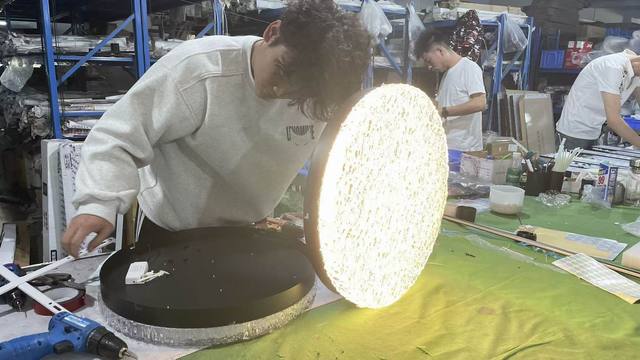
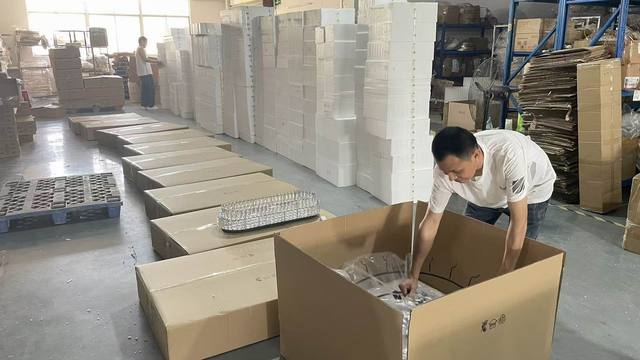
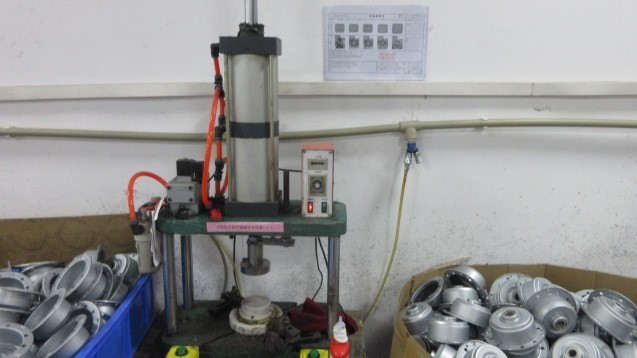
Established in 2012, Dongguan Fanpro Light Co., Ltd. operates a modern 12,000-square-meter facility with more than 180 skilled manufacturing experts, engineers, and quality controllers. Located in Dongguan, Guangdong, the heart of the world's most robust electronics and motor supply chain, we maintain absolute control over the production timeline from design to testing.
Our production floor features automated stator winding machines, dynamic blade balancing equipment, and specialized acoustic testing chambers to guarantee that motor noise levels remain below 35 decibels. For the Polish and broader Central European markets, we offer optimized logistics solutions. We manage customs clearances, container stuffing, and export procedures to deliver products to the Port of Gdańsk or Port of Gdynia via maritime routes. Additionally, we leverage the New Silk Road (China-Europe Railway Express) through the Małaszewicze rail terminal in Poland, cutting transit times down to 15-18 days for project orders.
Deciding between an AC motor and a brushless DC (BLDC) motor depends on the application, maintenance framework, and budget constraints of a project:
| Feature Comparison | High-Spec Pure Copper AC Motor | Brushless DC (BLDC) Motor |
|---|---|---|
| Initial CapEx Cost | Low (Cost-effective for bulk housing/hotel bidding) | Higher (Requires electronic control circuit inverter) |
| Grid Tolerances | Extremely High (Unaffected by voltage surges/spikes) | Moderate (Vulnerable to severe grid transients) |
| Control Infrastructure | Basic (Triac wall controllers, highly standard) | Advanced (6-speed options, smart phone App, step-less control) |
| Power Efficiency | Standard (55-80W power envelope) | Excellent (3-35W power envelope, 60% energy savings) |
| Audible Noise Level | Low (< 45 dB, slight magnetic hum at lowest speeds) | Ultra-Quiet (< 30 dB, silent bearing technology) |
For public buildings like schools, local administrative offices, and historical properties in Poland, AC ceiling fans are popular due to their simple installation, minimal maintenance requirements, and low initial capital expenditure. In contrast, premium residential developments and LEED-certified commercial projects favor BLDC motors for their superior energy savings and smart control integrations.
Explore our full line of energy-efficient ventilation options designed for both home and business use.
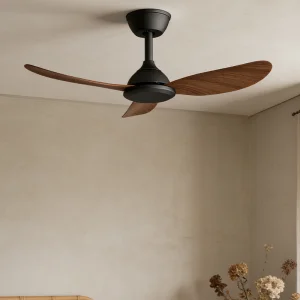
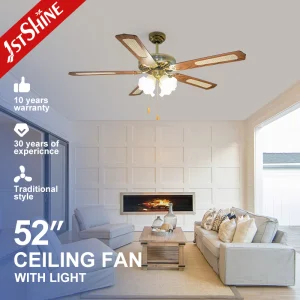
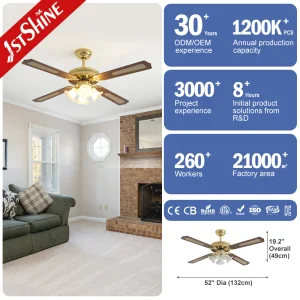
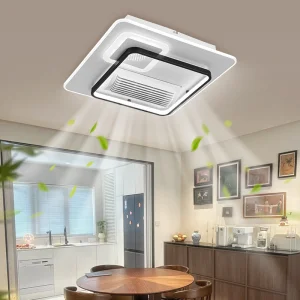
Get in touch with our engineering and logistics specialists. We provide competitive OEM/ODM volume pricing, full CE test reports, and customized packaging configurations for Polish distributors and builders.
Send Inquiry Now Fanpro Light