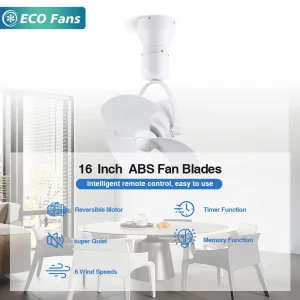
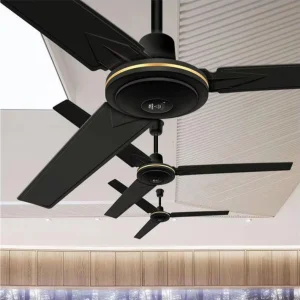
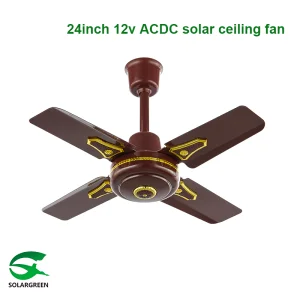
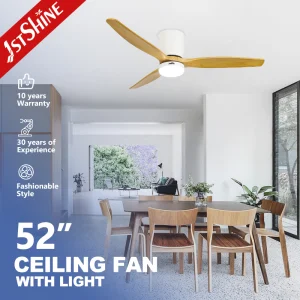
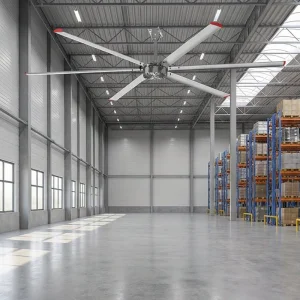
Engineered specifically to solve clearance limits in historic Budapest properties, modern panelház renovations, and logistics facilities.
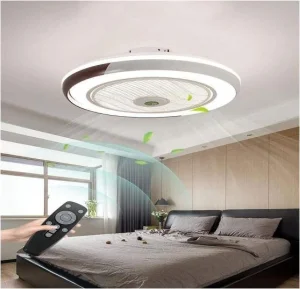
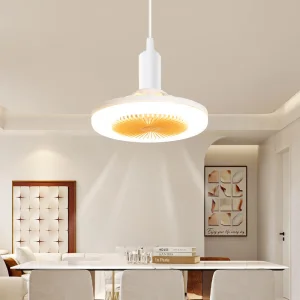
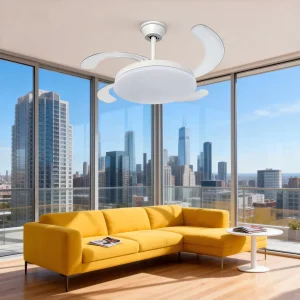
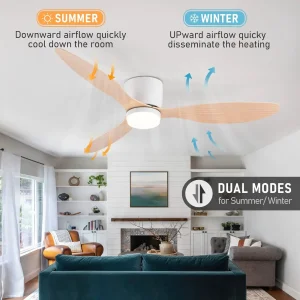
The Hungarian HVAC and residential climate-control market is undergoing a significant transition. Driven by strict European Union decarbonization goals, energy security regulations, and the unique historic architecture found throughout Central Europe, developers are forced to look beyond traditional high-energy AC split systems. This is where low profile ceiling fans (often called flush-mount or hugger fans) have emerged as a critical product category.
In Hungary, two distinct real estate dynamics shape this demand. First, in historic metropolitan centers like Budapest (particularly Districts V, VI, and VII), residential properties consist of classical apartments ("polgári lakás") built in the late 19th and early 20th centuries. While these properties historically feature high ceilings, many have been retrofitted with secondary mezzanine levels ("galéria") to maximize high-density urban living. Underneath these low-hanging mezzanines, the clearance height is reduced to 2.1 to 2.4 meters, making standard downrod-mounted fans dangerous and impractical. Flush-mount ceiling fans, which draw air closer to the ceiling deck with minimal vertical projection, offer the only safe, functional solution.
Second, the prefabricated concrete apartment blocks ("panelház"), which house nearly 18% of the Hungarian population, feature standardized, low ceiling heights of approximately 2.5 meters. Standard fans violate general safety clearance guidelines, which mandate that fan blades must hover at least 2.3 meters above the floor. Low profile options resolve this regulatory and safety hurdle, delivering optimized airflow without invading the occupants' physical clearance.
Beyond residential applications, Hungary's strategic position as a logistical powerhouse in Central and Eastern Europe (CEE) has fueled massive investments in warehousing and manufacturing plants. Industrial corridors near Győr, Debrecen, Kecskemét, and the M0 logistics ring surrounding Budapest host major automotive, manufacturing, and third-party logistics (3PL) hubs. These commercial buildings require continuous air movement to control humidity, improve thermal comfort, and prevent product degradation.
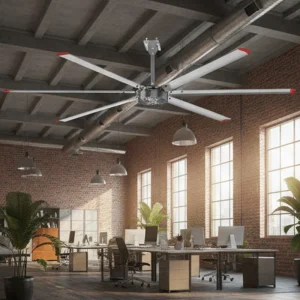
Standard HVLS fans, however, require high clearance which is often unavailable in multi-level logistics mezzanines, automated pick-and-pack stations, or assembly plants with overhead crane tracks. A specialized sub-category of Industrial Low Profile HVLS ceiling fans, such as our 5.5-meter models, are engineered to function in limited vertical envelopes. By utilizing premium grade permanent magnet synchronous motors (PMSM) and custom-profile aerodynamic blades, these fans deliver maximum air movement without compromising vertical safety boundaries.
Bridging premium Chinese manufacturing speed, scaling economies, and rigorous EU standards compliance.
When sourcing commercial or residential low-profile ceiling fans for Hungarian development projects, contractors and wholesale distributors prioritize structural reliability, strict compliance with European safety marks (CE, RoHS), and manufacturing adaptability. Dongguan Fanpro Light Co., Ltd. stands at the forefront of this manufacturing pipeline.
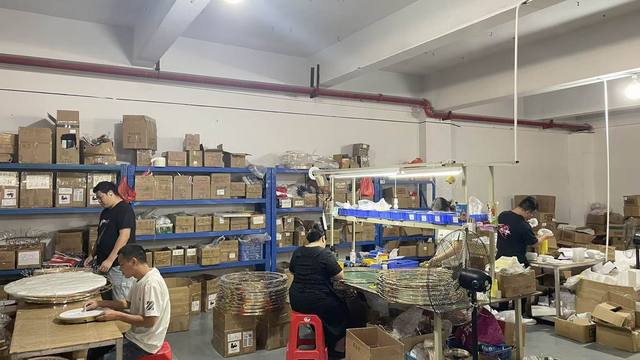
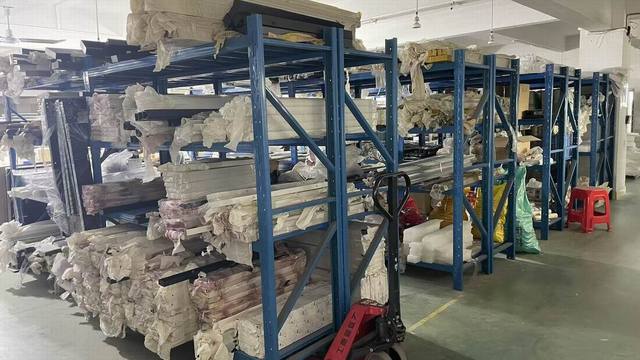
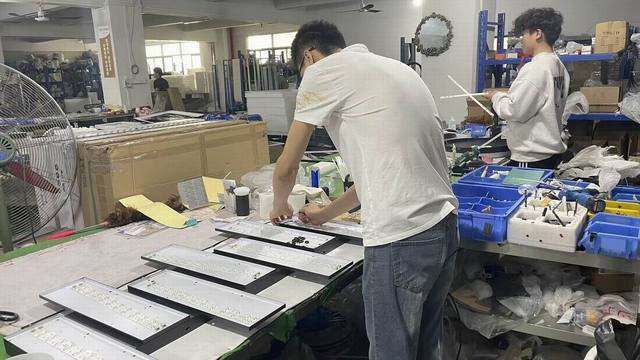
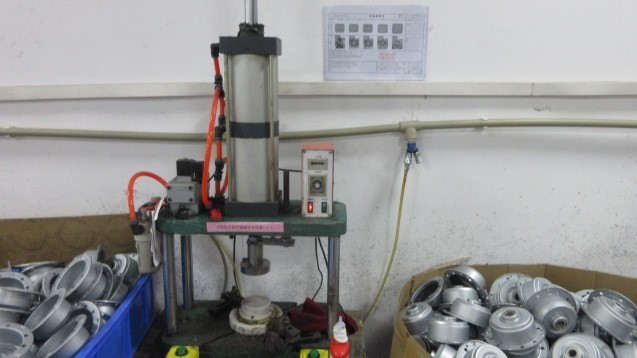
Established in 2012, our facility is based in Dongguan, Guangdong—the epicentre of global hardware, motor engineering, and electronic supply chains. Spanning a modern production area of over 12,000 square meters and powered by a highly trained workforce of more than 180 skilled specialists, we integrate the entire product cycle under a single management system. From CAD/CAM aerodynamic blade prototyping and advanced DC motor winding to state-of-the-art testing laboratories, we maintain complete control over raw materials and finished products.
European standards leave no room for compromise. Our ceiling fans are manufactured using premium copper wire motors, high-grade silicon steel laminations, and fire-resistant polymers or architectural wood finishes. Every production batch undergoes strict dynamic balancing tests, insulation resistance verification, sound decibel monitoring in specialized anechoic chambers, and extended high-stress runtime tests to verify a minimum service lifespan of 10 years.
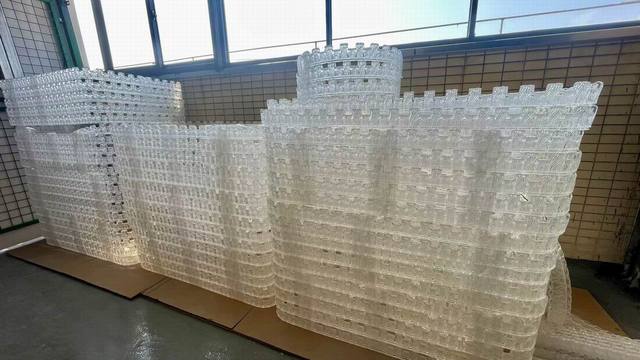
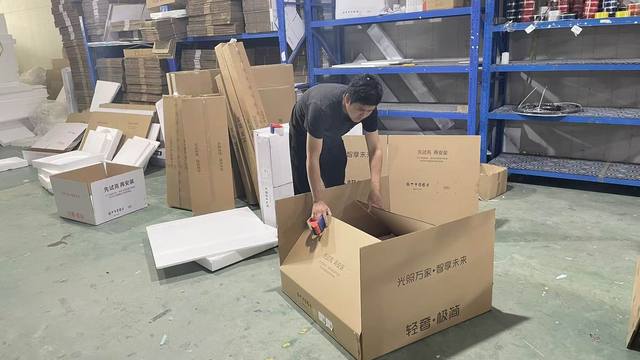
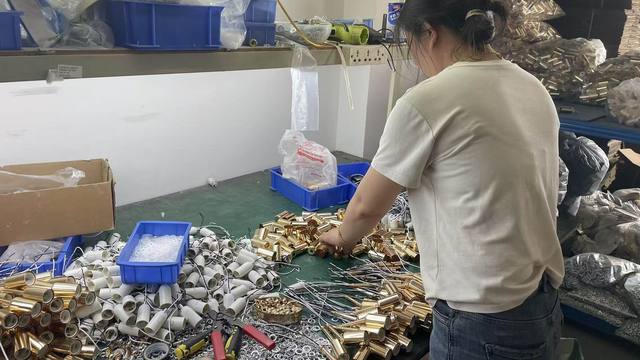
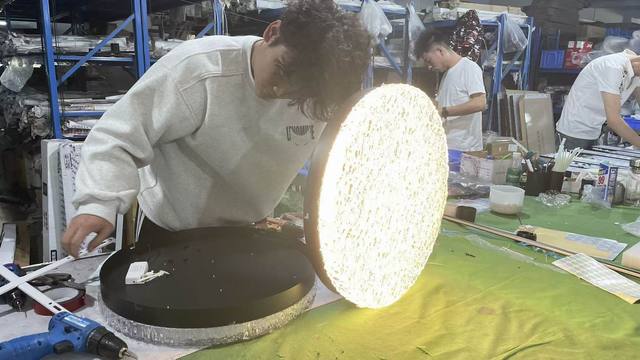
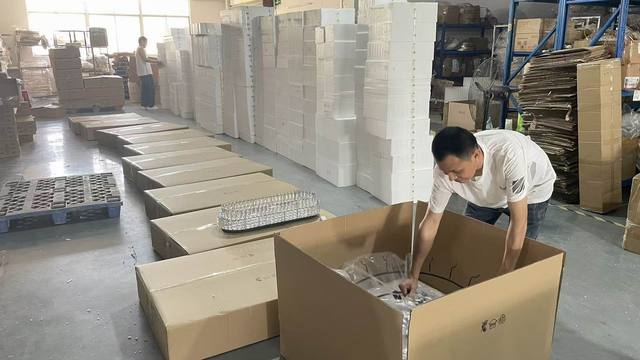
Efficient supply chain planning is crucial for commercial real estate developments, high-density residential constructions, and large industrial warehouses across Hungary. Importing low-profile ceiling fans from our factory in Dongguan to Budapest or regional hubs requires a deep understanding of European freight channels.
The standard transport route for large volume containers is via sea freight. Shipments depart from Shenzhen (Yantian/Nansha) or Guangzhou ports and travel through the Suez Canal to Southern European gateways such as the Port of Koper (Slovenia) or Port of Rijeka (Croatia). From Koper or Rijeka, goods are transported via block trains directly to Budapest’s key intermodal terminals, such as the BILK Logistics Center. This maritime route takes approximately 30 to 35 days and offers the most cost-effective solution for bulk orders.
For urgent development projects that require a shorter lead time than sea freight but cannot justify the high cost of air shipping, the **China-Europe Railway Express** provides a solid alternative. Transporting cargo from terminals in Xi'an or Chengdu directly into the Central European Trade and Logistics Cooperation Zone in Budapest, this land route delivers goods in 15 to 20 days.
For custom engineering prototypes, replacement parts, or small initial test batches, we leverage direct air freight services from Hong Kong International Airport (HKG) or Guangzhou Baiyun International Airport (CAN) directly to **Budapest Ferenc Liszt International Airport (BUD)**, completing transit in 3 to 5 business days.
Crucial technical answers regarding low profile ceiling fan application, installation, and compliance in Hungary.
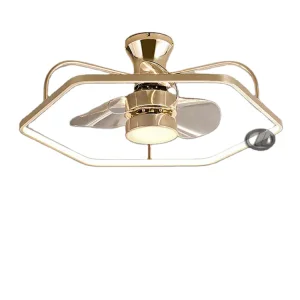
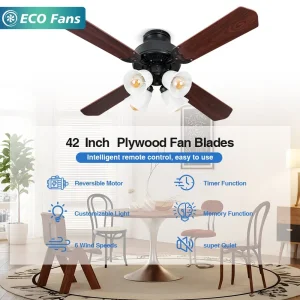
Explore our expanded commercial and smart residential catalog, certified for EU deployment.
Get custom product specifications, detailed container load calculations, CE certification sheets, and bulk import pricing directly from our Dongguan engineering team.
 Fanpro Light