Engineered for thermal performance, whispering silent operation, and direct integration into local smart ecosystems.
Understanding the technical drivers that govern ceiling fan integration in cold climates and high-standard engineering environments.
Norway represents a unique market landscape for modern air circulation technologies. With strict energy policies governed by TEK17 (Regulations on Technical Requirements for Building Works) and a national commitment to reduce carbon emissions, every component in building systems must maximize thermodynamic efficiency. While tropical regions deploy ceiling fans exclusively for cooling, the Norwegian market primarily leverages them for thermal destratification.
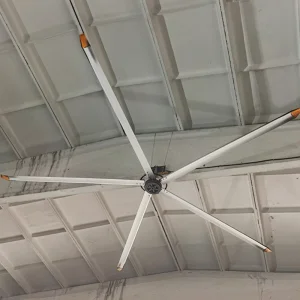
During the cold season in Norway—which spans the majority of the year—heated air naturally rises to the high ceilings of industrial warehouses, logistics hubs, sports halls, and residential building halls. This results in a significant temperature gradient, where energy is wasted heating the upper layers of building spaces while the ground level remains cold. By introducing remote-controlled, high-efficiency brushless DC (BLDC) motor ceiling fans, facilities can gently push this trapped warm air downward. This destratification process reduces overall energy consumption for heating by up to 25% to 30%, lowering the heating demand from local district heating networks or commercial electric boilers.
Our air-movement systems are fully designed to meet the strict thermal transmission coefficients and energy efficiency regulations of the Norwegian building code.
With volatile Nord Pool power hourly prices, utilizing low-wattage DC fans helps commercial entities scale down heating during peak tariff hours.
Engineered using industrial-grade sealed bearings, corrosion-resistant brackets, and precision motors to offset high local maintenance costs.
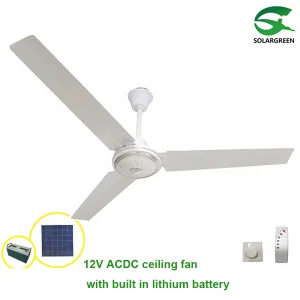
Furthermore, Norway's off-grid architectural culture (represented by the iconic Hytte cabins) has catalyzed demand for low-voltage, solar-compatible air systems. These remote cabins depend on 12V DC battery systems connected to solar panels and wind micro-turbines. A ceiling fan operating with a high-efficiency DC motor provides comfort, helps distribute heat from wood-burning fireplaces, and prevents dampness during structural inactivity—all while drawing minimal current from solar storage systems.
Transitioning from standard mechanical controls to high-fidelity, intelligent IoT air systems.
Global commercial developers and electrical wholesalers are rapidly moving away from basic pull-chain ceiling fans. Today's commercial architecture demands complete control over air distribution. This is achieved using advanced RF (Radio Frequency) remote controls, wall-mounted digital transmitters, and direct integration with Building Management Systems (BMS) via protocols like Modbus, KNX, or BACnet.
This allows automated systems to dynamically adjust fan rotation directions (forward for summer cooling, reverse for winter destratification) and rotation speeds based on real-time temperature differentials between the ceiling and floor levels.
Modern fan systems deploy custom-molded ABS, glass-reinforced plastics, or aeronautical-grade aluminum blades designed using CFD (Computational Fluid Dynamics). This guarantees maximum airflow (measured in Cubic Feet per Minute, or CFM) with minimal aerodynamic drag. Crucially for Norwegian residential apartments and high-end offices, this lowers operational noise levels to below 30-35 dBA, matching the low noise floor requirements for modern buildings.
Globally, industrial infrastructure projects demand power versatility. Hybrid control technologies allow ceiling fans to run seamlessly on standard grid power (AC 110V-240V) or direct-current energy (DC 12V-48V) derived from local renewable solar arrays or backup battery banks. If grid power is lost or expensive, the built-in smart circuitry switches automatically to the DC bus without interrupting ventilation.
Why sourcing from Dongguan Fanpro Light Co., Ltd. ensures high precision and reliable delivery.
Dongguan Fanpro Light Co., Ltd. stands at the forefront of smart ceiling fan design and advanced DC motor manufacturing. Strategically located in the heart of Dongguan, China's premier manufacturing corridor, our 12,000 square meter production facility integrates advanced raw material processing, automated motor winding, precision dynamic balancing, and quality testing under one roof.
Our engineering division leverages state-of-the-art diagnostic machinery to ensure every remote-controlled fan motor operates with high precision. By managing all stages of production, we can configure customized OEM and ODM solutions to meet the exact specifications of the Norwegian and European markets. This includes designing components for low-temperature operating environments, implementing specific RF remote frequencies that comply with European telecom standards, and selecting materials that meet fire safety ratings.
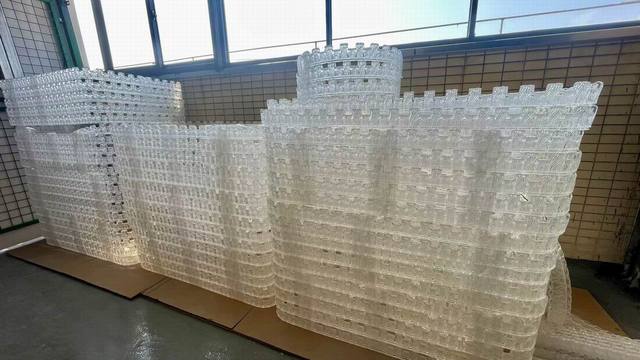
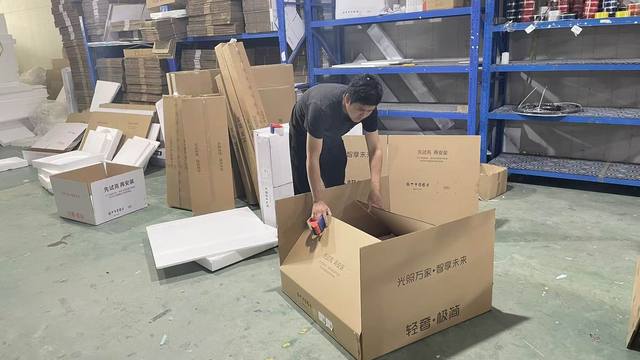
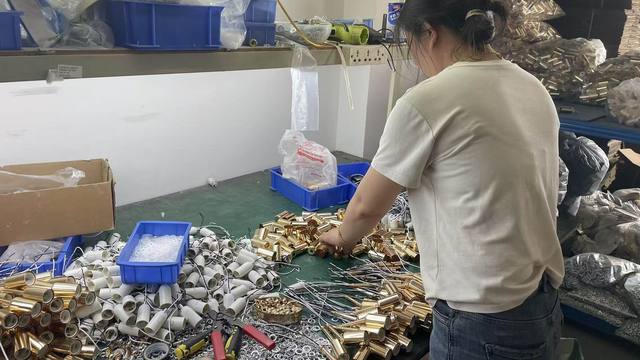
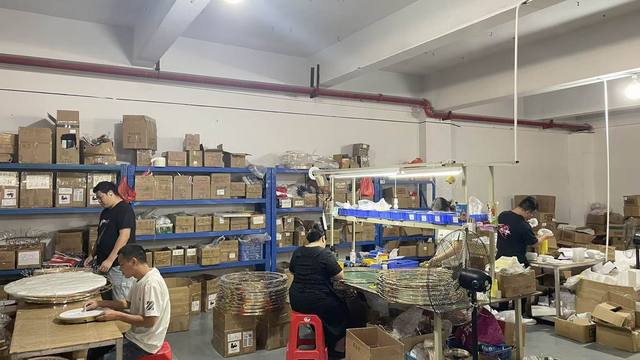
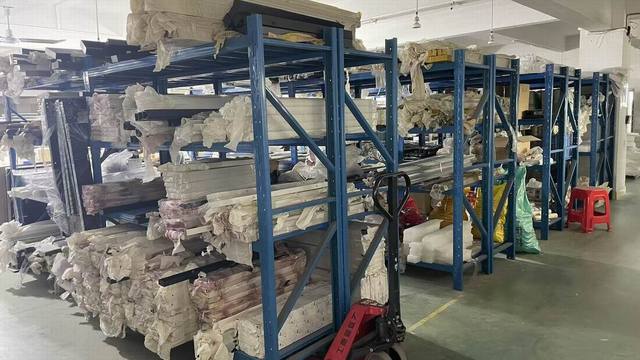
Every batch of ceiling fans undergoes strict validation protocols before shipping. Our motors are tested for insulation resistance and temperature rise under load conditions. Blades are weighed and dynamically balanced as matched sets to eliminate wobble and noise. Furthermore, all remote control modules undergo frequency drift tests to ensure reliable signal transmission even in environments with heavy electromagnetic activity.
Thanks to Dongguan's logistics connections, we ship directly via the port of Shenzhen and Guangzhou. We provide shipping paperwork including Bills of Lading, Certificate of Origin, and complete CE compliance reports. For our Norwegian clients, we pack all items in heavy-duty cardboard boxes to protect them during ocean shipping and long-distance road transport across Norway.
How our remote control ceiling fans solve specific operational challenges across Norwegian sectors.
Norway is home to over 400,000 seasonal cabins, many located in areas without access to the electrical grid. Owners rely on 12V or 24V solar setups. Our DC motor fans draw minimal power while helping to circulate warmth from wood stoves, keeping the indoor climate comfortable during winter stays.
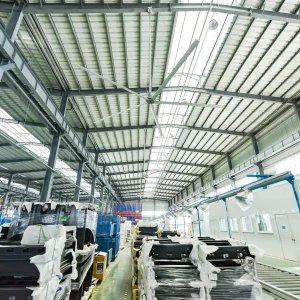
Logistics hubs in municipalities like Gardermoen, Vestby, and Berger have ceilings up to 12 meters high. In winter, warm air naturally pools at the top of these structures. Our large industrial-grade ceiling fans force this air back down, balancing temperature distribution and reducing overall heating costs.
Norway's aquaculture and coastal processing centers require reliable airflow to manage moisture and prevent condensation. We construct our fans with ABS blades and corrosion-resistant finishes to ensure long-term durability in high-humidity, marine-adjacent environments.
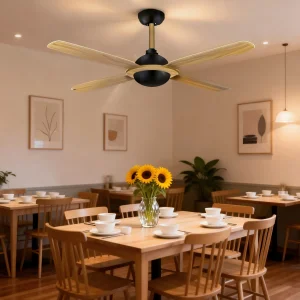
Modern homes (such as *Funkisboliger*) and public libraries or office buildings demand quiet operation. Our smart DC ceiling fans deliver excellent airflow with minimal noise, blending into quiet rooms while complementing interior styles.
Answers to technical and commercial questions commonly asked by engineers, builders, and wholesalers in Norway.
Our standard motor configurations and performance specifications for Norwegian commercial markets.
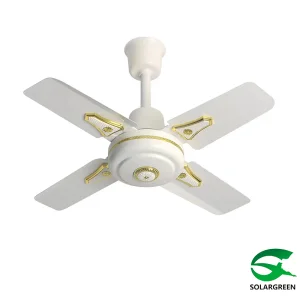
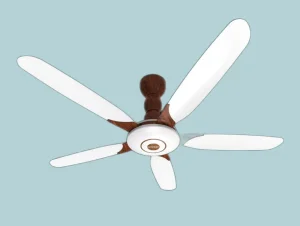
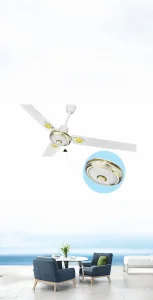
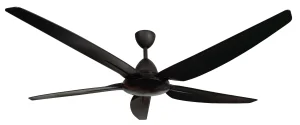
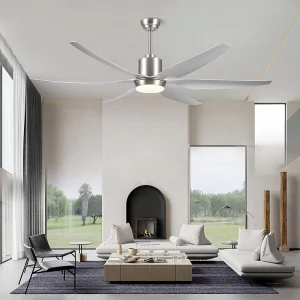
Explore our full line of energy-efficient smart ceiling fans. Each model is engineered for reliability, quiet performance, and flexible control.
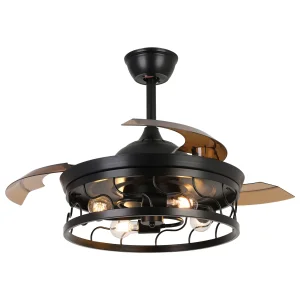
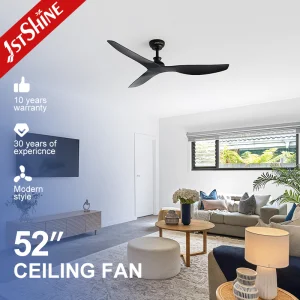
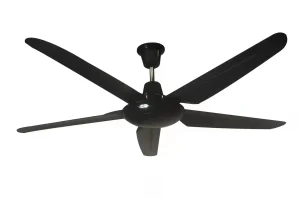
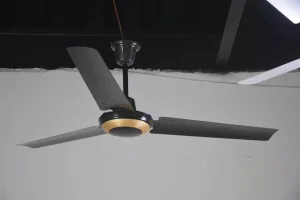
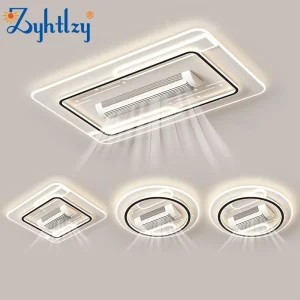
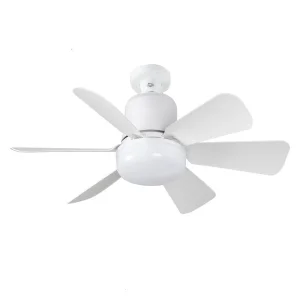
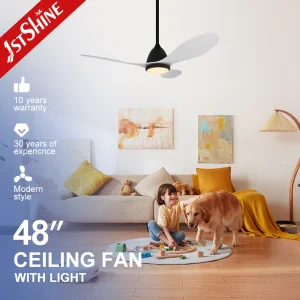
Contact our engineering team to receive a tailored quotation, comprehensive product catalogs, and custom OEM configuration details for your project.
 Fanpro Light