Executive Abstract: The global transition towards zero-emission infrastructure, microgrids, and off-grid resilience has catalyzed demand for high-efficiency, DC-powered air circulation systems. Battery-operated ceiling fans integrated with Brushless DC (BLDC) motors represent the leading edge of modern HVAC optimization. This whitepaper analyzes the engineering standards, production logistics, regulatory requirements, and local deployment strategies of CE-certified battery-operated ceiling fans. We contextualize this analysis through the manufacturing footprint of leading industrial hubs like Dongguan, South China, evaluating how supply chain density drives global economic competitiveness.
Featured technological solutions showcasing energy-efficient configurations, advanced motor controls, and robust certifications
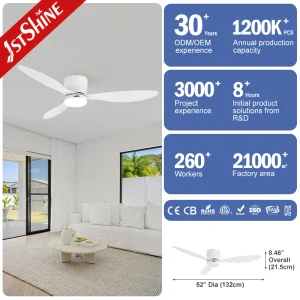
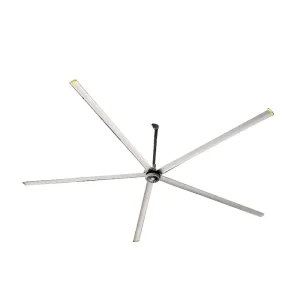
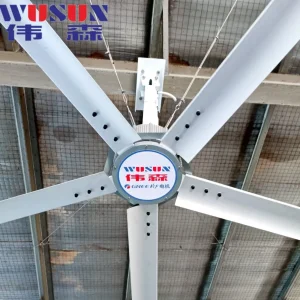
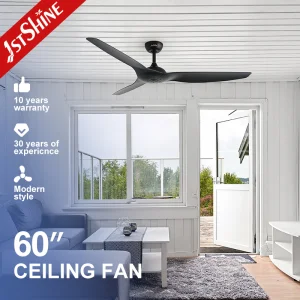
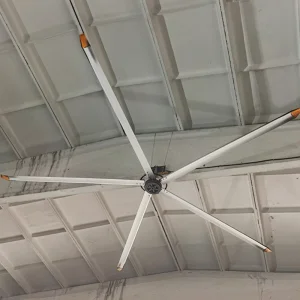
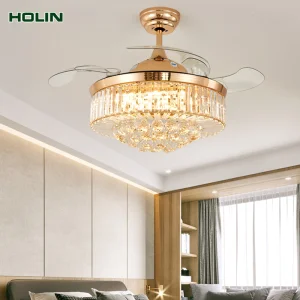
Analyzing the paradigm shift in off-grid air movement and portable HVAC solutions
The global demand for energy-efficient, DC-powered air circulation systems has seen substantial growth over the past decade. Traditional HVAC infrastructure relies heavily on stable, continuous connection to grid power (AC 110V/220V). However, localized industrial shifts, regional grid volatility, and the massive growth of modular, remote, and mobile workspaces have highlighted the vulnerabilities of grid-dependent HVAC architecture.
This is where CE Certified Battery Operated Ceiling Fans establish their functional dominance. By combining high-capacity rechargeable lithium-ion battery packs with high-efficiency Brushless DC (BLDC) motors, these fans offer autonomous cooling solutions that operate independently of immediate grid connectivity. Historically constrained to recreational vehicle (RV) and camping applications, battery-operated air displacement systems are now expanding rapidly into commercial logistics centers, processing plants, humanitarian relief camps, and high-tech agricultural greenhouses.
Crucial for continuous operations in regions prone to power fluctuations, blackouts, or high peak-demand electricity tariffs.
Decouples ventilation from grid constraints, minimizing thermal stress zones in localized structural environments.
Eliminates the immediate need for extensive protective conduit routing, wiring distribution, and high-amperage AC panels.
Key metrics governing industrial operations of CE-certified battery systems
Why South China's manufacturing clusters, led by Dongguan, remain the global epicenters of HVAC innovation
In the global market for battery-operated ceiling fans, the supply chain density of South China—specifically the Dongguan and Shenzhen manufacturing cluster—provides significant cost and quality advantages. This region hosts a highly integrated network of raw material suppliers, specialized BLDC motor designers, electronic controller fabricators, and advanced lithium-battery packaging plants.
Dongguan Fanpro Light Co., Ltd. stands as a clear representative of this regional industrial advantage. Established in 2012 in Dongguan, Guangdong, the company leverages direct access to international logistics networks and local material ecosystems to design, manufacture, and export smart ceiling fans and DC motor air circulation systems worldwide. Spanning a modern production facility of over 12,000 square meters and staffing a skilled workforce of more than 180 employees, Fanpro Light integrates product design, engineering, safety testing, and automated manufacturing under a single quality control protocol.
This localized supply chain density guarantees that key components, from smart Bluetooth/WiFi integrated circuits to precision-engineered fan blades, are sourced, assembled, and validated without the freight delays and quality variances common in less integrated manufacturing hubs.
| Feature / Parameter | Dongguan Integrated Facility (e.g., Fanpro Light) | Fragmented Global Competitors |
|---|---|---|
| Lead Times | Optimized (3-4 weeks due to localized component supply chain) | Extended (8-12 weeks due to cross-border components sourcing) |
| BMS Integration | Custom-designed PCB with built-in thermal runaway protection | Off-the-shelf third-party BMS with limited optimization |
| Motor Technology | In-house optimized BLDC/PMSM motors with precision balancing | Standard AC motors or low-grade outsourced DC motors |
| Customization (OEM/ODM) | Highly flexible: custom enclosure, battery capacity, smart controls | Rigid product catalogs with high MOQs for slight adjustments |
| Certification Alignment | Dedicated labs ensuring rapid CE, RoHS, and KC compliance pathing | Outsourced third-party testing with slower cycle times |
From industrial environments to off-grid installations—where battery-operated air systems excel
In the wake of grid failures, temporary medical stations, emergency shelters, and food storage facilities require immediate temperature regulation. Battery-operated systems run directly on solar chargers or pre-charged lithium reserves.
Eco-resorts, glamping sites, and research stations located in remote natural areas rely heavily on local solar grids. Low-wattage, battery-backed DC ceiling fans prevent solar microgrids from draining overnight.
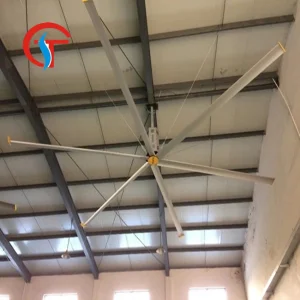
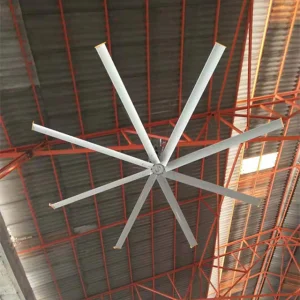
High-Volume Low-Speed (HVLS) fans are crucial for destratification. Integrating battery backup systems ensures that even in power contingencies, air movement continues, preventing product spoilage or excessive moisture buildup.
A deep dive into safety directives, motor engineering, and quality validation processes
Traditional AC motor ceiling fans convert a significant portion of input energy into heat due to friction and copper losses in the stator winding. BLDC (Brushless Direct Current) and PMSM (Permanent Magnet Synchronous Motor) designs solve this inefficiency by utilizing permanent magnets on the rotor, eliminating physical carbon brushes. This minimizes friction and heat generation, resulting in an electrical efficiency exceeding 85% compared to the 40-50% standard of conventional AC induction motors. This efficiency is critical for battery-powered systems, allowing long runtimes from compact battery banks.
Modern battery-operated ceiling fans employ high-capacity Lithium-Iron Phosphate (LiFePO4) or Lithium Nickel Manganese Cobalt Oxide (NMC) chemistries. LiFePO4 chemistry is widely used for industrial applications because of its excellent thermal stability and long cycle life (often exceeding 2000-3000 charge cycles). A sophisticated Battery Management System (BMS) is integrated directly onto the control board to prevent overcharging, over-discharging, thermal runaway, and short-circuits, ensuring safe operation during prolonged usage.
To enter major international markets, products must undergo rigorous testing to secure compliance certifications:
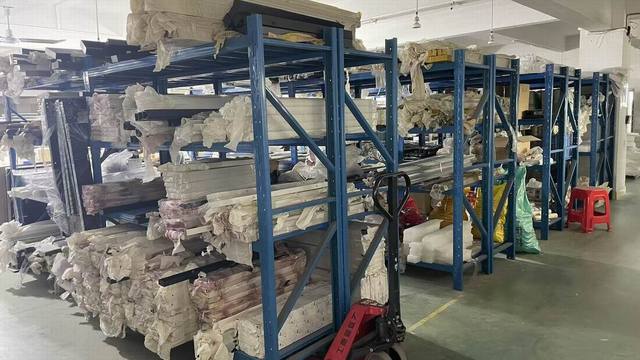
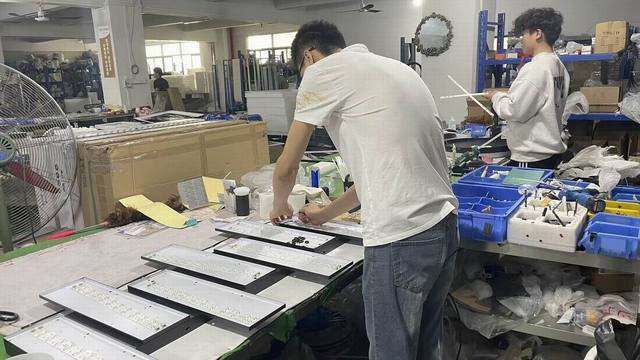
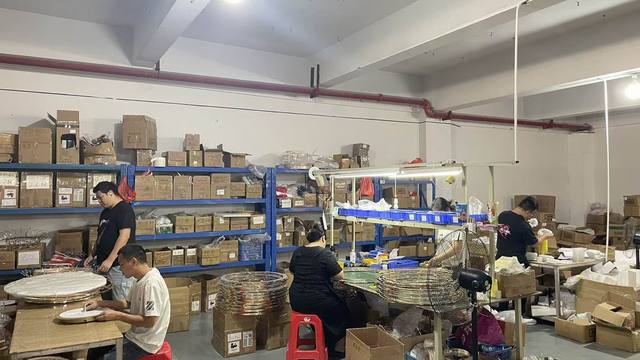
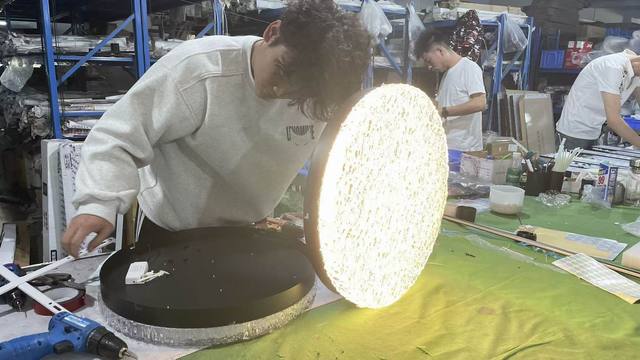
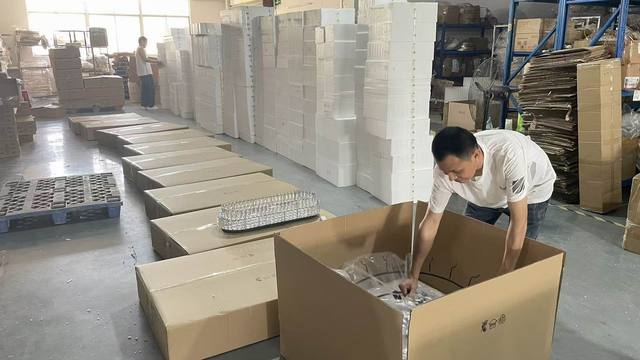
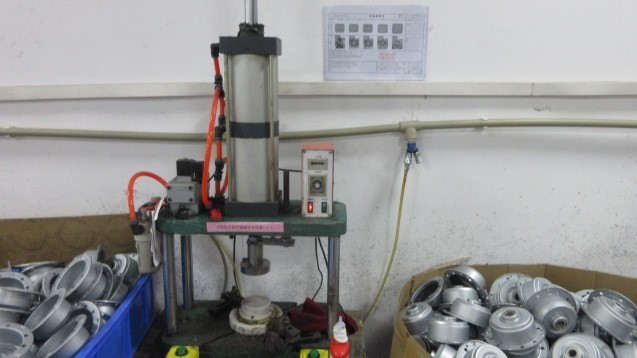
Visualizing the scale, precision manufacturing, and validation testing at the Dongguan production facility
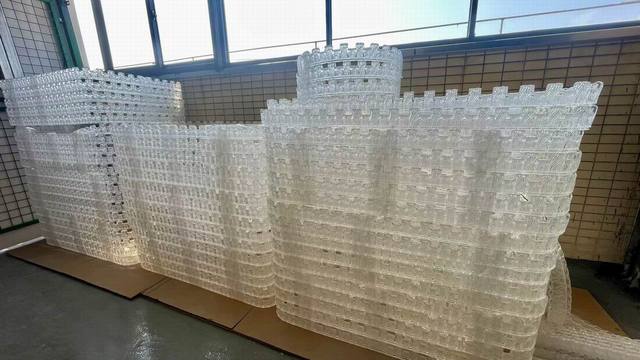
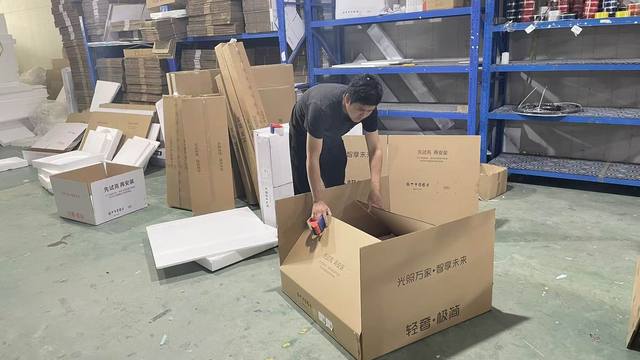
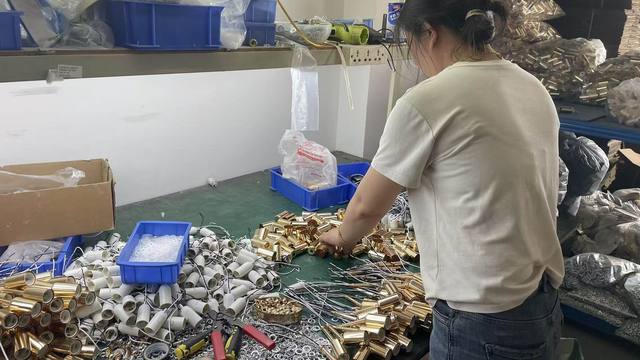
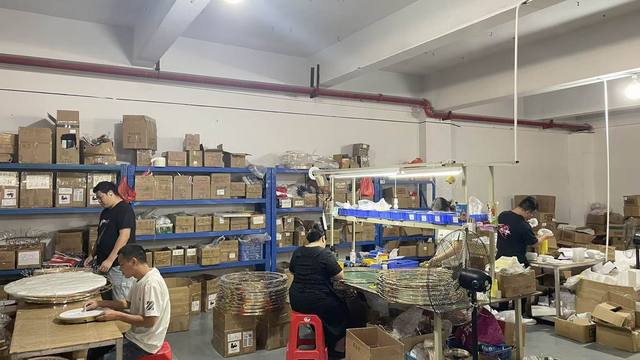
Operating out of a 12,000+ square meter facility in Dongguan, Fanpro Light integrates advanced manufacturing practices. This includes semi-automated assembly lines, climate-controlled testing laboratories, motor winding validation bays, and automated dynamic balancing platforms to ensure consistent product performance. Here is a look inside the production steps, quality control audits, and material warehousing facilities:
Answering crucial procurement and operational questions for engineering buyers and supply chain managers
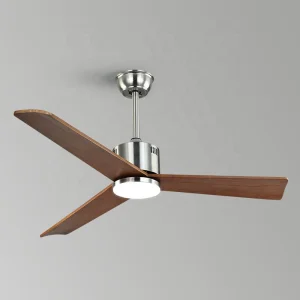
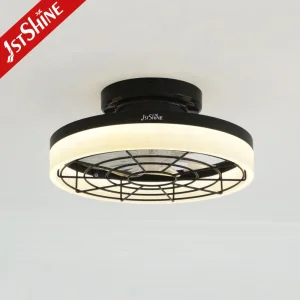
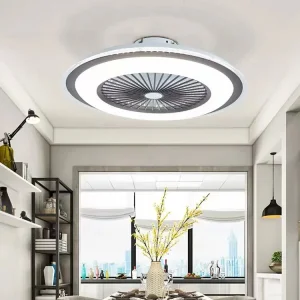
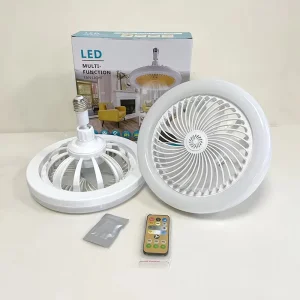
Further portfolio selections representing the standard in modern multi-speed smart DC motor cooling systems
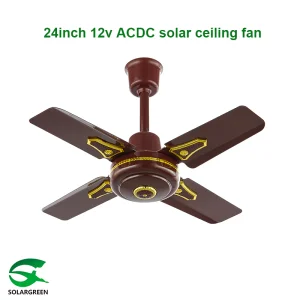
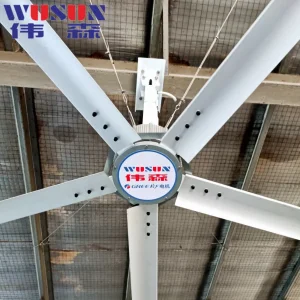
 Fanpro Light