In an era characterized by rapid climate shifts, infrastructural transition, and an increasing reliance on decentralized power architectures, the global market for battery-operated lanterns has evolved far beyond basic recreational equipment. Today, heavy industries, emergency response agencies, commercial hospitality brands, and civil defense departments view portable, battery-powered illumination systems as critical infrastructure elements.
The growth in this sector is fundamentally driven by advancements in battery chemistry, high-efficiency solid-state light-emitting diodes (LEDs), and micro-controller-based power optimization circuits. What once was a simple filament-bulb lantern powered by zinc-carbon D-cell batteries has transformed into an intelligent, rechargeable, long-duration energy cell capable of distributing lumen outputs ranging from soft ambient lighting to focused searchlight beams. This shift aligns directly with global ESG (Environmental, Social, and Governance) directives, pushing operations away from disposable battery runtimes toward high-lifecycle lithium iron phosphate (LiFePO4) systems.
Furthermore, the integration of dual-purpose configurations—combining localized ventilation mechanisms, high-efficiency charging USB-C Power Delivery ports, and environmental sensory modules—has created a multi-faceted demand. Procuring entities look for reliable manufacturing sources capable of delivering thousands of certified units designed to operate in high-temperature, high-humidity, or explosive atmospheres without degradation.
China remains the uncontested epicenter for the development and manufacturing of portable battery-operated illumination devices. This leadership is not merely a matter of labor arbitrage; rather, it is the result of deep industrial clustering, exceptional supply chain integration, and rapid technological deployment in major manufacturing zones like Dongguan, Shenzhen, and Ningbo.
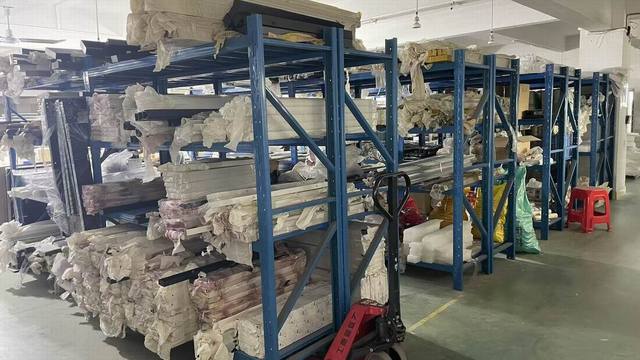
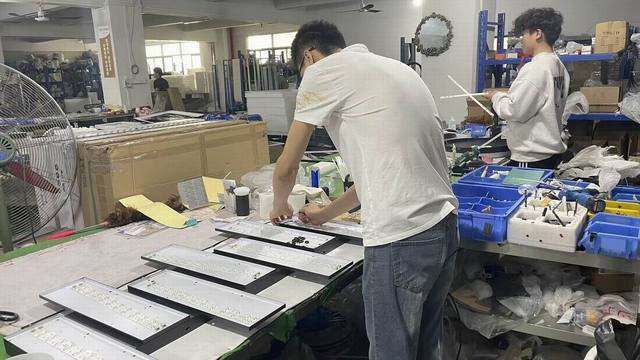
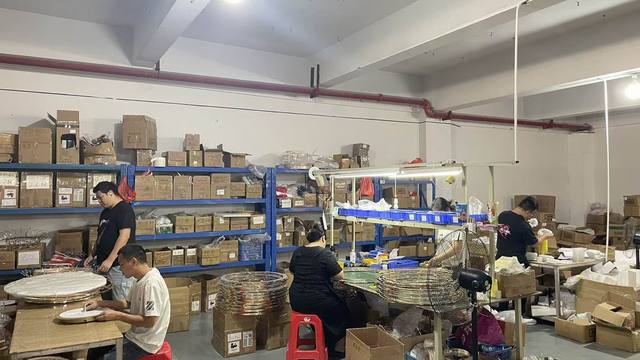
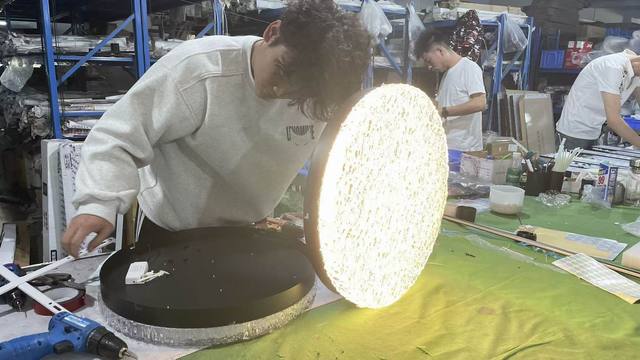
When international procurement agencies evaluate China's top battery-operated lantern exporters, they look for integrated manufacturing models. A top-tier factory provides an all-in-one ecosystem: in-house high-accuracy injection molding, SMT (Surface Mount Technology) lines for precision PCB assembly, state-of-the-art battery capacity and safety testing labs, and strict quality control stations monitoring thermal dissipation.
Information Gain Insight: The true differentiation in China's manufacturing clusters lies in the co-location of component ecosystems. A factory in Dongguan can design, prototype, safety-test, and run first-batch production for a custom smart lantern within 21 days—a cycle that takes months in other regions due to reliance on imported semiconductor drivers and battery Management Systems (BMS).
Furthermore, major Chinese suppliers benefit from direct access to premium grade-A lithium cells and advanced semiconductor chips that regulate battery health. This allows exporters to implement strict over-charge, over-discharge, short-circuit, and thermal runaway protections directly into the hardware architecture, satisfying rigorous certification pathways required by overseas markets like UL (USA), CE/RoHS (Europe), and SAA (Australia).
Whether servicing offshore oil rigs, underground mining shafts, or vast manufacturing complexes during scheduled shutdowns, engineers require explosion-proof, ruggedized lanterns. These devices feature drop-tested shells (IK08/IK10 rating) and explosion-proof certifications (ATEX/IECEx) to prevent sparking in volatile atmospheres.
National emergency bureaus and civil protection agencies store massive reserves of battery lanterns. These units must feature ultra-low standby battery drain (retaining charge for up to 2 years) and offer dual USB output interfaces, acting as portable power stations to charge life-saving communication radios and GPS modules.
The global shift toward high-end eco-tourism and off-grid glamping resorts has surged the demand for premium, aesthetically pleasing, yet extremely durable battery-operated lanterns. Resorts prioritize warm-spectrum LEDs (2700K), step-less dimming capabilities, and high-IP ratings to endure prolonged outdoor placement.
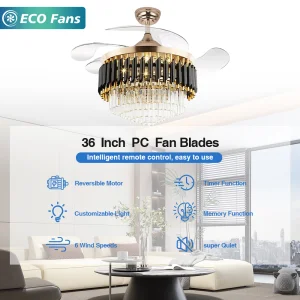
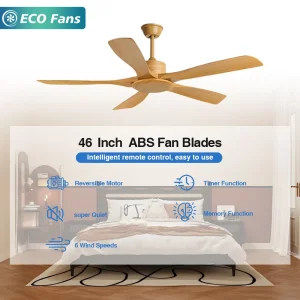
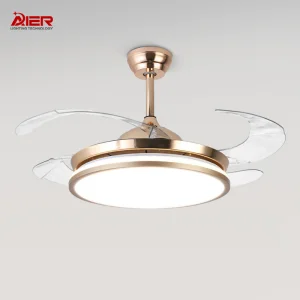
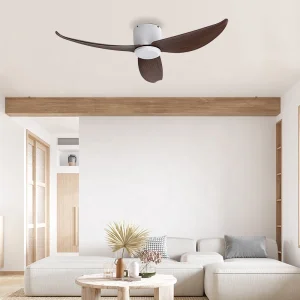
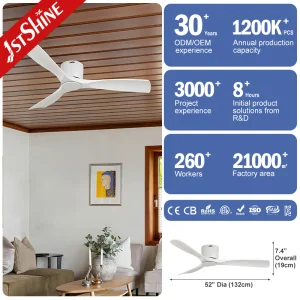
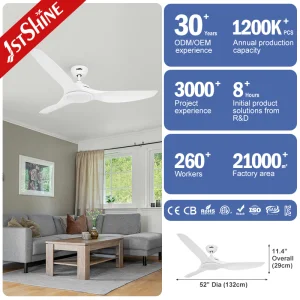
Dongguan Fanpro Light Co., Ltd. is a professional ceiling fan manufacturer specializing in the design, development, and production of smart ceiling fans, DC motor ceiling fans, and energy-efficient air circulation solutions for residential, commercial, and hospitality applications. Established in 2012, the company is located in Dongguan, Guangdong, one of China's leading manufacturing hubs, providing convenient access to global logistics networks and supply chains.
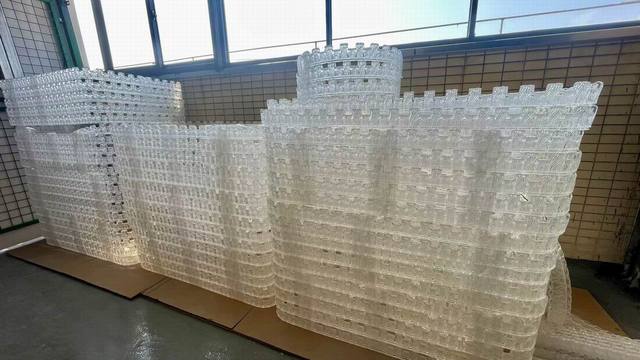
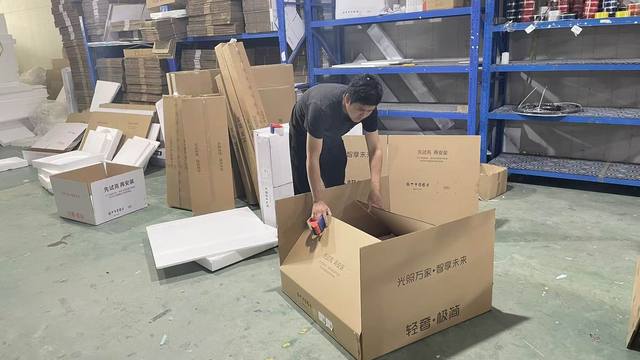
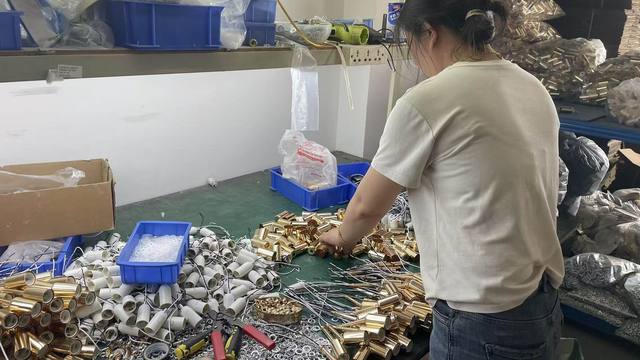
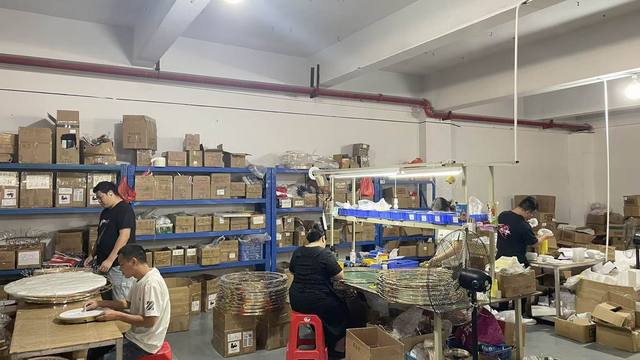
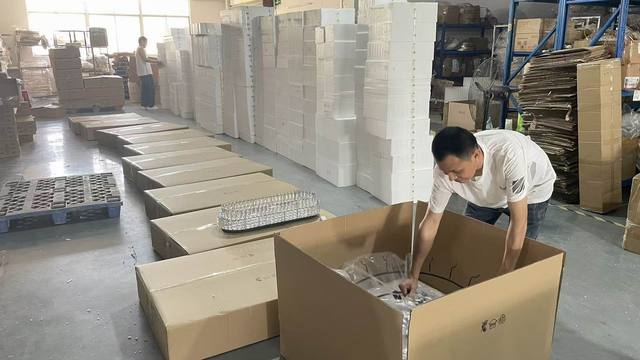
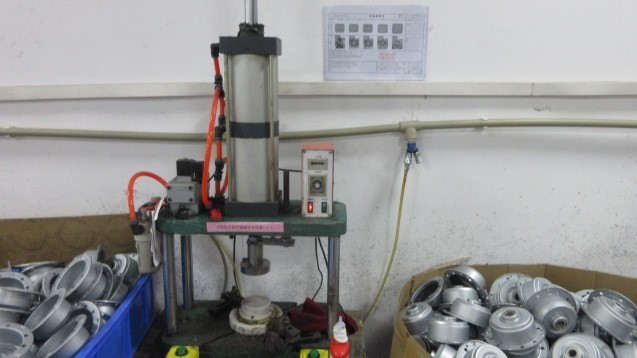
With a modern production facility covering more than 12,000 square meters and a workforce of over 180 skilled employees, Fanpro Light integrates product design, engineering, manufacturing, quality control, and international sales under one roof. The company operates multiple assembly lines and testing laboratories to ensure consistent product performance, durability, safety, and compliance with international standards.
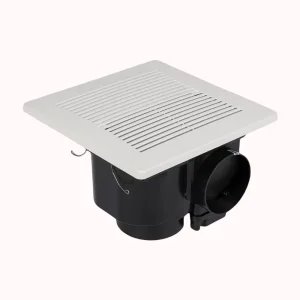
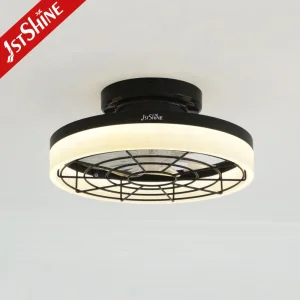
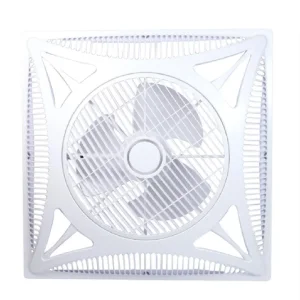
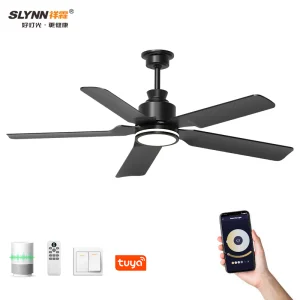
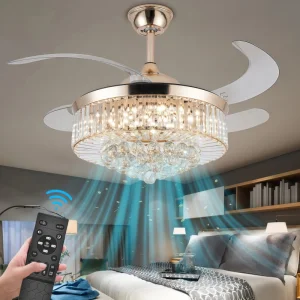
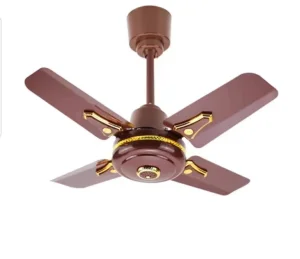
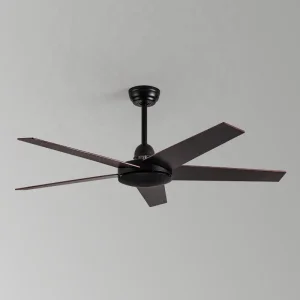
Fanpro Light offers a comprehensive range of ceiling fan solutions, including smart WiFi ceiling fans, DC motor ceiling fans, ceiling fans with LED lighting, low-profile ceiling fans, decorative ceiling fans, outdoor ceiling fans, and commercial air movement systems. The company continuously invests in motor technology, energy-saving innovations, and intelligent control systems to meet evolving market demands.
As an experienced OEM and ODM manufacturing partner, Fanpro Light supports customers worldwide with customized designs, private labeling, packaging solutions, and product development services. Its products are exported to North America, Europe, Australia, Southeast Asia, the Middle East, and other international markets.
Committed to quality, innovation, and long-term partnerships, Dongguan Fanpro Light Co., Ltd. strives to provide reliable ceiling fan products and flexible manufacturing solutions that help customers strengthen their competitiveness in the global marketplace.
By leveraging their expert knowledge in low-voltage DC motors, intelligent circuitry, and high-efficacy LED driver integration, the company brings the same precision engineering to battery-operated utility designs, providing cross-industry solutions that pair robust lighting options with energy-efficient ventilation frameworks.
The horizon of portable industrial lighting is deeply connected with battery chemistry shifts and smart-mesh operations. Lithium Iron Phosphate (LiFePO4) is rapidly replacing traditional ternary lithium batteries due to its safety profile, which prevents thermal runaway, and its lifespan of more than 2,000 charge cycles at 80% Depth of Discharge (DoD). This makes it highly sought after for hazardous industrial areas where standard batteries pose safety risks.
Additionally, smart controls are expanding. Multi-point mesh networks allow a single operator to manage hundreds of emergency lanterns simultaneously via Bluetooth Low Energy (BLE) or Zigbee protocols, instantly configuring warning patterns, flashing rates, or battery-saving modes. Furthermore, solar panels are becoming standard integrations, with micro-photovoltaic laminates built into lantern roofs to offer sustainable off-grid charging capability.
For lanterns powered by standard ternary lithium (NMC) batteries, the capacity typically degrades to 80% after 300–500 cycles. Industrial-grade LiFePO4 battery lanterns from top suppliers offer up to 2,000–3,000 cycles before reaching the 80% threshold. Standby degradation is managed by low-current battery management system (BMS) sleep modes, preserving charge for 12–18 months in storage.
Top exporters maintain partnerships with accredited third-party laboratories (TUV, SGS, Intertek). They source batteries UL1642 certified, while the complete lantern assembly complies with CE-LVD, EMC, RoHS, and FCC regulations. Products targeting specialized environments undergo further certifications for IP65/IP66 ingress protection and IK08 mechanical impact ratings.
OEM/ODM options cover battery capacity variations, custom LED color temperatures (from 2000K amber to 6500K cool white), custom branding, and housing materials (e.g., impact-resistant ABS, heavy-duty polycarbonate, or marine-grade aluminum). Specialized designs can also incorporate solar charging panels and emergency USB output modules.
High-output LEDs and fast-charging systems generate significant internal heat. Without proper thermal management, battery temperatures can rise, accelerating capacity loss and risking safety hazards. Quality suppliers utilize custom-designed aluminum heat sinks and thermal pads to redirect heat away from the battery chamber.
Standard products with standard packaging usually have an MOQ of 500 to 1,000 units. For fully customized tooling, unique color options, or custom battery capacity configurations, factories typically require an MOQ of 2,000 to 3,000 units to offset setup costs.
 Fanpro Light