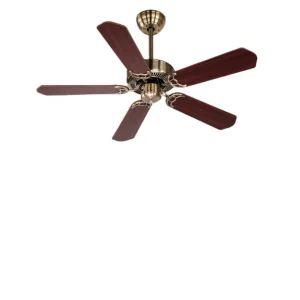
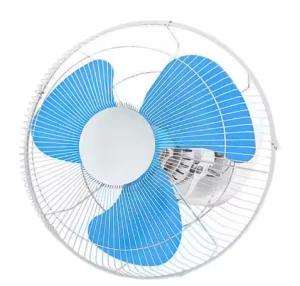
The global shift toward net-zero building standards and off-grid resilience has catalyzed a structural migration in HVAC technologies. Traditionally, heavy-volume air circulation relied on energy-intensive AC induction motors, placing immense strain on regional utility grids. Today, the convergence of high-voltage photovoltaic (PV) systems, advanced Brushless Direct Current (BLDC) motors, and smart microgrids has elevated solar ceiling fans from niche consumer electronics to key assets in industrial and commercial building design.
In developing regions across the Middle East, Africa, and Southeast Asia, unstable grids and high electricity tariffs make centralized cooling cost-prohibitive. In these territories, solar-integrated ceiling fans serve as the primary defensive barrier against extreme thermal loads. Conversely, in highly regulated Western markets like North America and Europe, these systems are integrated into commercial warehouses, agricultural structures, and LEED-certified public facilities to lower Scope 2 carbon emissions and reduce peak-load demand fees.
Direct integration with photovoltaic arrays allows uninterrupted thermal relief during peak daylight hours, shielding industrial facilities from brownouts and utility load shedding.
Engineered to work in conjunction with commercial HVAC systems, destratifying air to reduce structural heating and cooling loads by up to 30% annually.
Leveraging low-frequency magnetic excitation within sinusoidal wave controllers, reducing operational resonance below 35dB for noise-sensitive public zones.
The primary barrier to early solar ceiling fan adoption was their reliance on single-source solar panels, which caused performance drops during cloudy spells or nightfall. The contemporary industry standard relies on hybrid AC/DC auto-switching power management modules. These modules utilize real-time microprocessors that monitor PV voltage output. When solar radiation drops below a set threshold, the controller blends grid-based AC power with solar DC feed, maintaining constant blade velocity without power interruptions.
Simultaneously, the transition from high-maintenance brush motors to Permanent Magnet Synchronous Motors (PMSM) and BLDC structures has transformed product lifespans. Traditional motors suffered brush friction, leading to heat wear and failure within 3,000–5,000 hours of continuous use. Modern gearless PMSM/BLDC systems, utilizing rare-earth neodymium iron boron magnets, eliminate mechanical wear points, extending maintenance-free lifespans to over 50,000 hours.
This motor architecture provides significant performance advantages:
Deploying solar ceiling fans requires adjusting to local climate profiles. In coastal regions of Southeast Asia and Central America, high humidity and airborne salinity accelerate corrosion. Industrial projects in these areas use fiberglass-reinforced ABS blades and marine-grade, powder-coated steel housings, combined with IP55-rated enclosures for vulnerable controllers.
In arid climates like Australia and the Middle East, dust and sand storm exposure are key considerations. Standard ventilation systems often fail when particles penetrate motor bearings. To address this, manufacturers seal motor assemblies using dual rubber oil seals and dust-proof bearings. Additionally, incorporating solar energy storage systems keeps these units running through dust storms when grid lines may fail, offering reliable climate control for remote mining facilities, military installations, and off-grid desert projects.
Ideal for agricultural storage facilities where consistent humidity and temperature control are vital for protecting crops, operating independently of local power grid reliability.
Provides luxury resorts on remote islands with silent, zero-carbon cooling solutions that preserve the local environment while lowering diesel transport and generator costs.
Keeps mobile field hospitals and emergency shelters cool and ventilated using solar panels, operating reliably during grid failures or infrastructure disruptions.
The next iteration of solar ceiling fans focuses on integrating with building management systems (BMS) through smart protocols (WiFi, Zigbee, LoraWAN). Rather than running as standalone appliances, smart solar ceiling fans monitor indoor temperature, humidity, and occupancies, adjusting speeds dynamically. Additionally, integrated Maximum Power Point Tracking (MPPT) circuits on individual fans optimize solar panel efficiency, even during partial shading from roof fixtures or nearby trees.
Battery technology is also shifting, transitioning from heavy lead-acid batteries to lithium iron phosphate (LiFePO4) packs integrated directly into fan extension rods. This design shortens low-voltage DC transmission lines, reducing line loss and simplifying retrofits in existing homes and offices without requiring dedicated battery storage rooms.
Dongguan Fanpro Light Co., Ltd. is a professional ceiling fan manufacturer specializing in the design, development, and production of smart ceiling fans, DC motor ceiling fans, and energy-efficient air circulation solutions for residential, commercial, and hospitality applications. Established in 2012, the company is located in Dongguan, Guangdong, one of China's leading manufacturing hubs, providing convenient access to global logistics networks and supply chains.
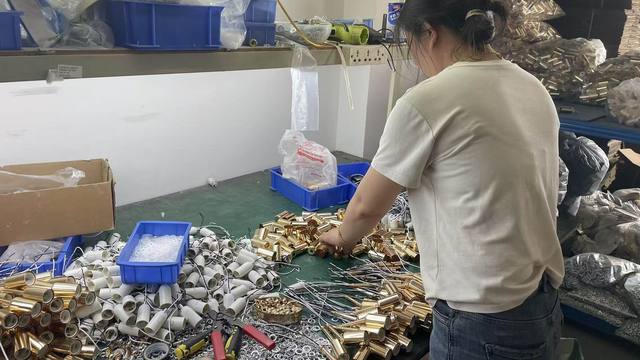
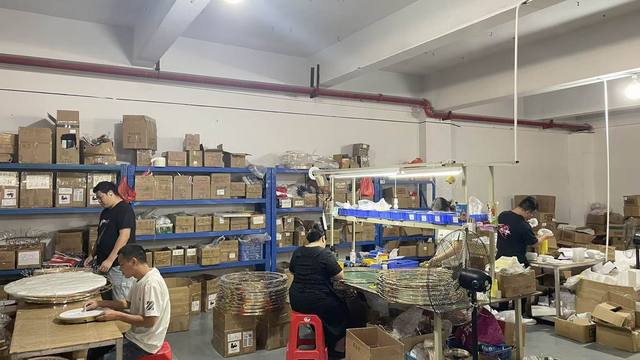
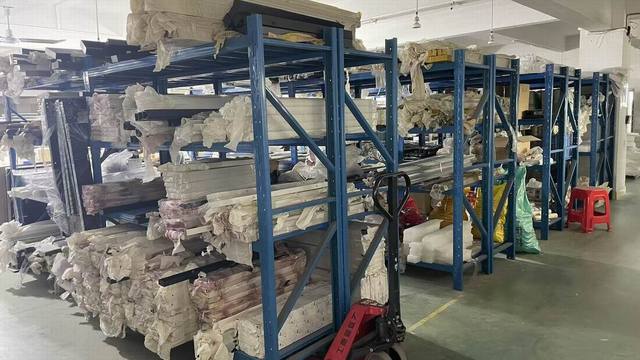
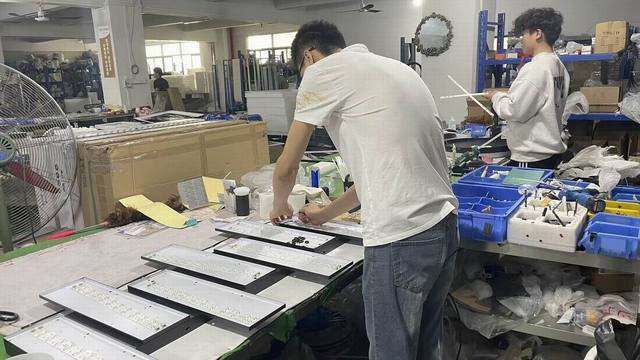
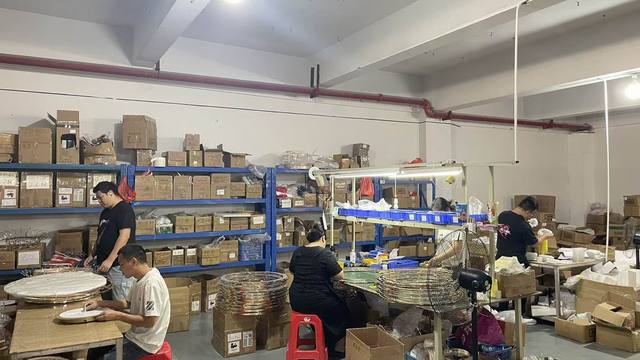
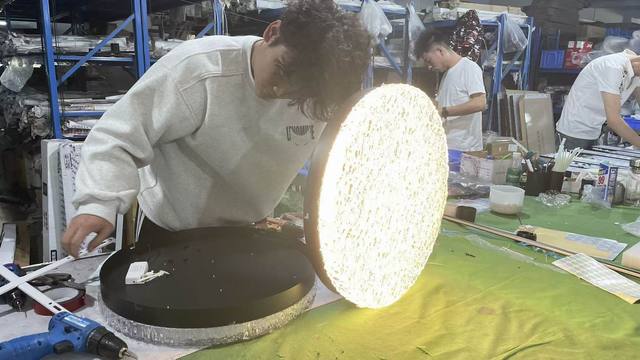
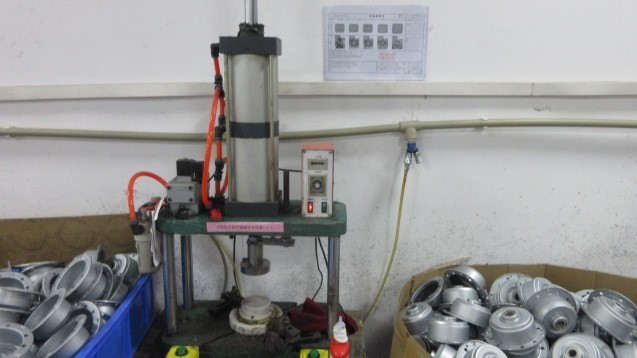
With a modern production facility covering more than 12,000 square meters and a workforce of over 180 skilled employees, Fanpro Light integrates product design, engineering, manufacturing, quality control, and international sales under one roof. The company operates multiple assembly lines and testing laboratories to ensure consistent product performance, durability, safety, and compliance with international standards.
Fanpro Light offers a comprehensive range of ceiling fan solutions, including smart WiFi ceiling fans, DC motor ceiling fans, ceiling fans with LED lighting, low-profile ceiling fans, decorative ceiling fans, outdoor ceiling fans, and commercial air movement systems. The company continuously invests in motor technology, energy-saving innovations, and intelligent control systems to meet evolving market demands.
As an experienced OEM and ODM manufacturing partner, Fanpro Light supports customers worldwide with customized designs, private labeling, packaging solutions, and product development services. Its products are exported to North America, Europe, Australia, Southeast Asia, the Middle East, and other international markets. Committed to quality, innovation, and long-term partnerships, Dongguan Fanpro Light Co., Ltd. strives to provide reliable ceiling fan products and flexible manufacturing solutions that help customers strengthen their competitiveness in the global marketplace.

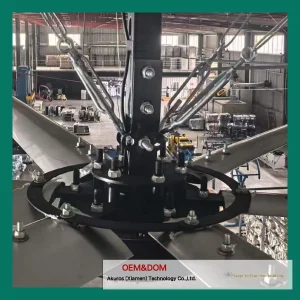
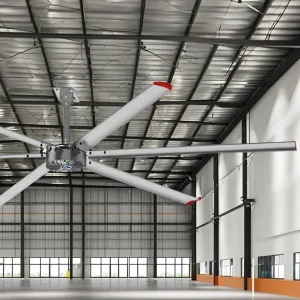
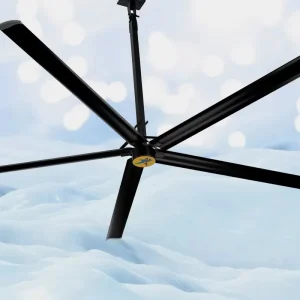
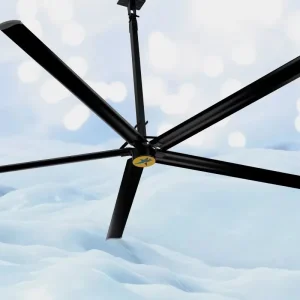
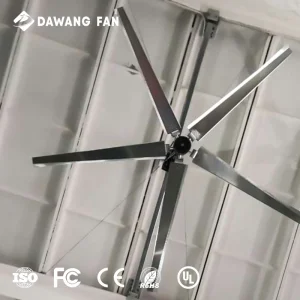
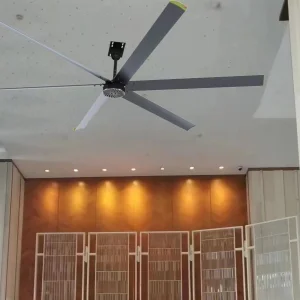
For industrial structures like warehouses, assembly plants, and airport terminals, air circulation must handle massive spatial volumes. Conventional high-speed fans create localized drafts but fail to address overall heat buildup. Using a combination of solar power systems and HVLS (High-Volume Low-Speed) ceiling fans offers a more effective solution. These massive fans, spanning up to 24 feet in diameter, move columns of air slowly downward to create a gentle, cooling breeze across large areas.
When combined with solar panels, industrial facilities can tap into high energy generation during hot afternoons to run these large fans, helping to manage indoor temperatures. Integrating these systems into a building's design can lower HVAC energy use during summer, supporting carbon reduction targets and lowering operating costs.
BLDC (Brushless DC) motors eliminate the mechanical brush contacts used in AC motors, which significantly reduces friction loss, heat generation, and wear. They run up to 85% more efficiently, operate quietly, and offer a longer service life (often exceeding 50,000 hours), making them ideal for solar applications where power conservation is important.
Hybrid models use a smart controller that monitors input voltage from the solar panel. If the solar output drops below a designated voltage due to clouds or sunset, the controller automatically blends in or switches to grid AC power, maintaining consistent fan speed without interruption.
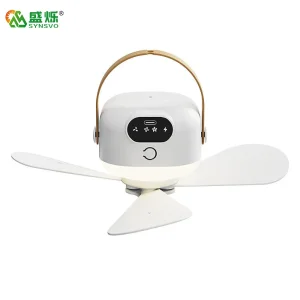
Most residential-scale DC fans operate on 12V to 24V DC systems and typically require a solar panel between 30W to 50W. For larger commercial or HVLS fans, operating voltages are higher (often 24V to 48V DC or above), requiring larger solar configurations matched to the fan's power needs.
Fanpro Light provides comprehensive OEM/ODM services, including custom blade diameters, material finishes (such as wood, ABS, or aluminum alloy), integrated LED lighting specs, custom control protocols (WiFi/App/Remote), and private labeling or packaging to suit branding requirements.
Yes, but they must be built for these conditions. For coastal or humid areas, we recommend selecting models with ABS blades, rust-resistant finishes, sealed motor bearings, and IP55-rated or higher controller enclosures to protect the electronics from moisture and salt corrosion.
 Fanpro Light