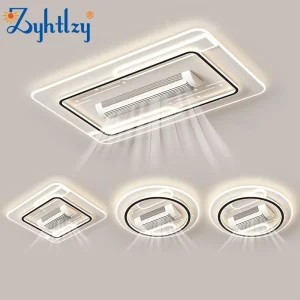
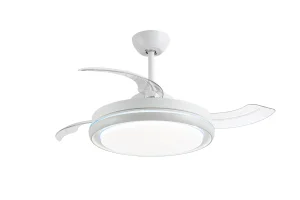
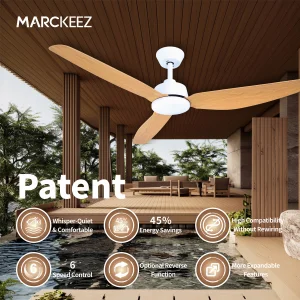
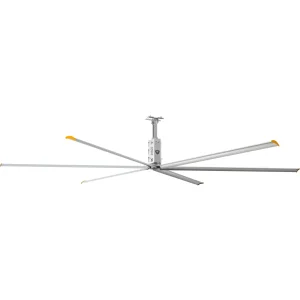
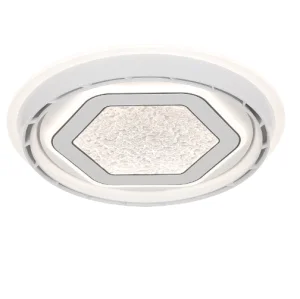
Explore our flagship industrial, commercial, and smart decorative ceiling fans built on advanced BLDC motor platforms and customizable control systems.
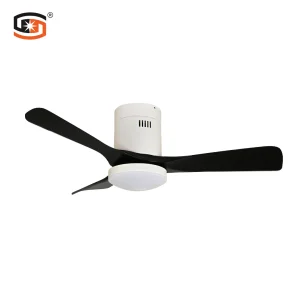
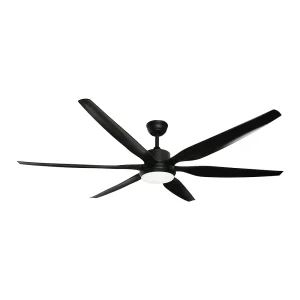
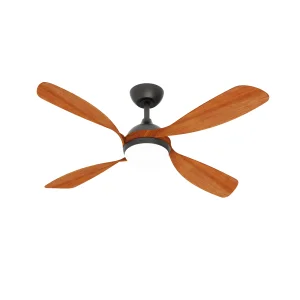
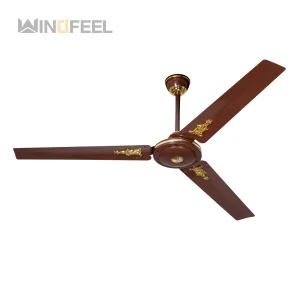
In the contemporary HVAC and architectural lighting sectors, energy conservation is no longer an afterthought—it is a regulatory and economic mandate. As key stakeholders in the green building movement seek optimal methods to slash operating expenses, Custom OEM Motion Sensor Ceiling Fans have emerged as a pivotal mechanism. Traditional pull-chain or basic wall-switch fans depend on active user intervention. When occupants leave a room, commercial space, or warehouse, these fans continue to run indefinitely, drawing unnecessary power, degrading mechanical components, and causing thermal inefficiencies in air-conditioned environments.
Integrating motion-sensing modules with smart ceiling fans solves these efficiency gaps. Using micro-motion analysis, these fans automatically detect presence, adjusting blade speed or powering down when rooms are vacant. Dongguan Fanpro Light Co., Ltd. leads this category, designing and manufacturing highly responsive air circulation units that combine elegant aesthetics with industrial-grade reliability.
The engineering of motion sensor ceiling fans has progressed significantly beyond simple Passive Infrared (PIR) switches. Today's commercial and residential developers demand multi-layered sensor arrays capable of reliable, micro-movement tracking. Here is the technological architecture and product development pathway that shapes our OEM development lines:
Unlike standard PIR sensors, microwave radar modules can detect minute breathing movements and penetrate non-metallic partitions, providing seamless coverage in larger office layouts and residential spaces without line-of-sight limits.
By blending infrared arrays with temperature profiling, smart ceiling fans can read ambient heat maps. The fan automatically increases CFM output when it detects multiple occupants, optimizing comfort levels dynamically.
Modern ventilation units act as functional nodes within a smart building ecosystem. Through wireless protocols, occupancy status registered by the ceiling fan can simultaneously trigger lighting presets and adjust HVAC air dampers.
Looking ahead, we expect motion-sensing ceiling fans to use AI algorithms that learn occupant preferences over time. By tracking when spaces are occupied and matching that to local weather patterns, the fan can adjust its startup speeds and runtimes proactively. Additionally, advancements in BLDC controller boards allow our fans to switch blade direction seamlessly when occupancy is detected, improving heating and cooling efficiency throughout the year.
Smart, occupancy-aware fans are not a one-size-fits-all solution. Different environments require distinct sensing ranges, response delays, and aesthetics. As an experienced OEM manufacturer, Fanpro Light tailors the hardware and firmware parameters for several key markets:
Corporate environments often feature meeting rooms that remain vacant for parts of the day. A motion sensor ceiling fan eliminates the human error of leaving the fan running. The sensor module is calibrated with a 15-minute shutdown delay, ensuring it ignores minor periods of stillness during presentations while guaranteeing a complete shutdown once the meeting ends.
Hotels rely heavily on energy conservation to maintain margins. In guest suites, sensor-enabled fans sync with entry-card keyways or utilize high-definition PIR lenses to detect when guests are sleeping. This ensures quiet, steady air circulation overnight without turning off, while offering full shut-off when the room is empty during the day.
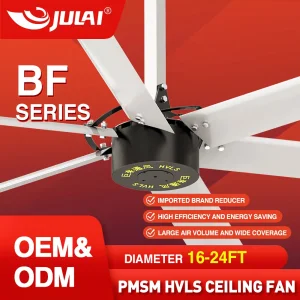
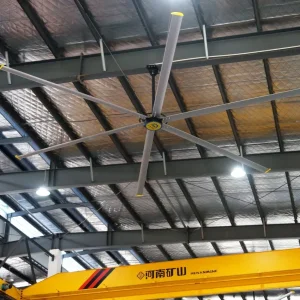
For high-ceiling industrial facilities requiring large-diameter HVLS fans, manual control is often difficult. Fanpro Light's commercial PMSM series features long-range microwave radar sensors. These radar units are mounted directly inside the central hub housing, detecting foot traffic and forklift movement from heights of up to 12 meters, ensuring ventilation is active only where and when needed.
Classrooms experience high traffic spikes and long empty periods. Heavy-duty ceiling fans with integrated sensors can operate on programmed schedules, supported by real-time motion sensors that act as safety cut-offs. If a classroom is unoccupied, the fans shut down automatically, preventing wear and tear and lowering school utility bills.
Our manufacturing facility is located in Dongguan, Guangdong, the heart of China's advanced electronics and industrial manufacturing corridor. This location gives Dongguan Fanpro Light Co., Ltd. a competitive edge in logistics, raw material sourcing, and prototype development. We manage everything under one roof, from initial CNC machining and BLDC motor winding to PCB surface assembly and final acoustic testing.
Operating a modern, 12,000-square-meter facility with more than 180 skilled professionals, we offer dynamic production scaling. This allows us to handle large-scale commercial contracts and custom OEM projects with short lead times. Because we are close to major raw component suppliers, we can source raw aluminum, high-grade ABS plastics, copper windings, and microchips locally. This keeps our production lines running smoothly, even during global supply chain fluctuations.




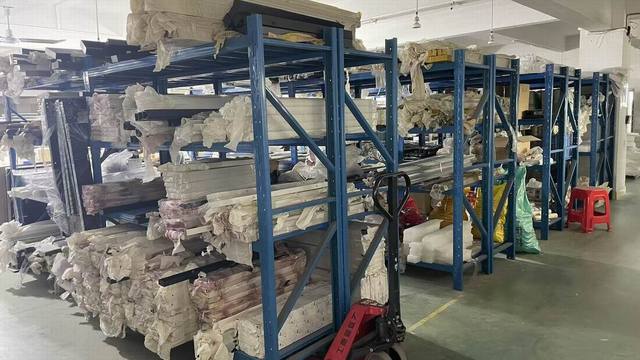


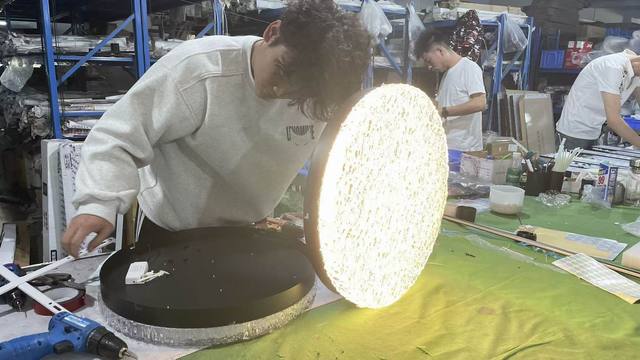

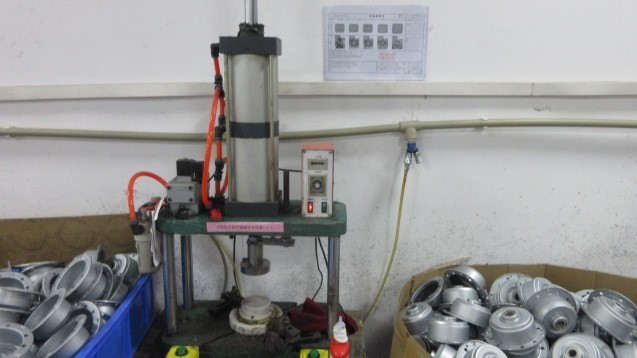
Quality control is central to our manufacturing process. Every batch of custom motion-sensing ceiling fans undergoes strict testing before export. This includes dynamic balance testing for the fan blades, thermal stress testing for the BLDC motor controllers, and sensitivity calibration for the radar and PIR sensors. By simulating extreme operating temperatures and humidity levels, we ensure our fans deliver consistent performance in any climate, from tropical resorts in Southeast Asia to heated warehouses in Northern Europe.
Exporting to markets in North America, Europe, Australia, and the Middle East requires strict adherence to international electrical safety and electromagnetic compatibility standards. Fanpro Light ensures that all OEM and ODM product designs are built to pass relevant certification tests. Our engineering team designs products with compliance in mind from day one, using UL-certified wiring, CE-approved drivers, and RoHS-compliant housing materials.
We work closely with third-party testing labs to assist our distributors with regional certifications, including Energy Star, ErP, SAA, and CB. To support our global partners, we also provide detailed installation manuals, localization services for smart app control platforms, and a steady supply of spare parts (such as driver boards and sensor modules) to simplify warranty management and local repairs.
Answers to common technical, manufacturing, and distribution questions about our custom motion-sensor ceiling fans.
Browse our wider range of decorative, energy-saving, and residential smart fans designed for global markets.
 Fanpro Light