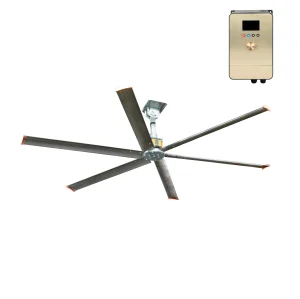
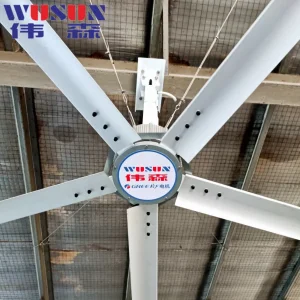
Explore our top-performing engineering models featuring advanced BLDC motor integration, multi-stage spiral geometries, and smart automation profiles engineered to reduce overall energy overhead.
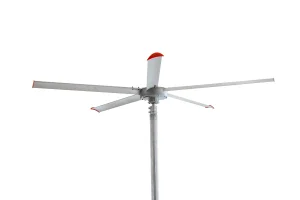
Traditional horizontal fan blades rely on brute force and high angular velocity to push air downward. This brute-force method creates turbulent, highly focused columns of air directly beneath the fan, leaving corners static and increasing energy consumption. The integration of spiral blades and biomimetic geometries represents a quantum leap in fluid dynamics.
By implementing a continuous variable-pitch twist—similar to nautical propellers or aeronautic turbine blades—spiral blade technology optimizes the Reynolds number along the entire length of the blade. The twist compensates for the differences in linear velocity between the root of the blade (near the hub) and the tip. This minimizes boundary layer separation, suppresses wake eddies, and produces a highly laminar, continuous axial flow that moves air smoothly across expansive floor plans.
"The aerodynamic goal of the modern spiral blade is not simply to move air, but to optimize destratification. By reducing aerodynamic drag, we can achieve up to a 35% improvement in thermal distribution efficiency across large volumes."
The motor is the heart of ventilation efficiency. Transitioning from traditional AC induction motors to brushless systems is crucial for achieving high power density and reliable operations.
Utilizing rare-earth magnets, PMSM gearless drive systems deliver extreme torque at low speeds. Operating without a gearbox removes friction losses, eliminates gear wear, and cuts down on routine maintenance cycles.
Ideal for high-end residential and commercial applications, BLDC motors feature electronic commutation to dynamically adjust speed and airflow. They run up to 50% cooler than traditional AC induction options.
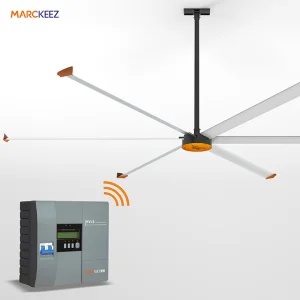
Modern smart controllers feature Modbus, BACnet, and WiFi connectivity. These protocols connect directly with building automation systems to automatically adjust fan output based on humidity and occupancy levels.
Industrial and commercial operations require tailored airflow solutions. Standard products rarely fit the distinct constraints of complex architectural designs or demanding environments.
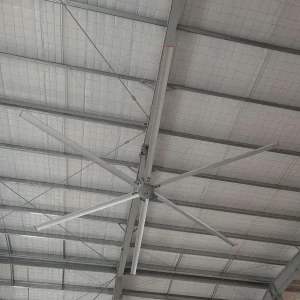
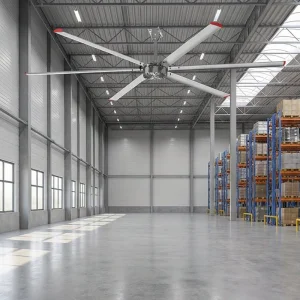
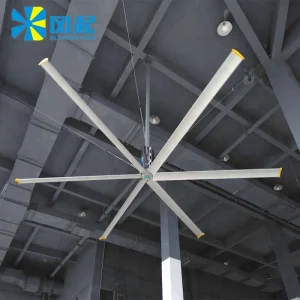
In large warehouses, high humidity can cause condensation on products and packaging. HVLS spiral blade fans circulate massive volumes of air to equalize temperatures and prevent damp spots, helping protect inventory and improve worker comfort.
Whether installed in railway coaches or airport terminals, our specialized low-vibration transit fans are designed to run continuously in high-traffic environments. These models feature rugged enclosures and specialized safety hardware to meet demanding public use requirements.
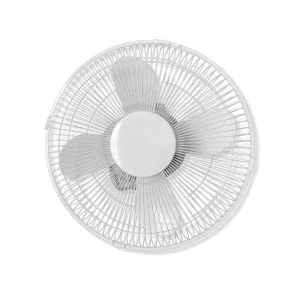
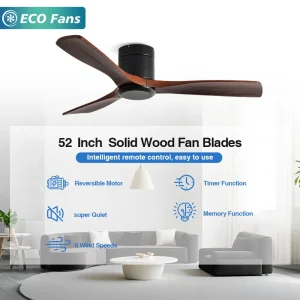
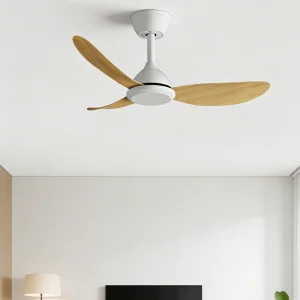
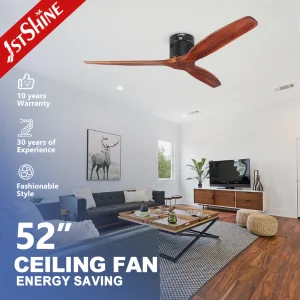
For spaces where visual appeal is as important as performance, our custom wood-blade and low-profile fans offer efficient air movement that complements interior architecture. They provide gentle cooling without generating distracting ambient noise.
| Environmental Scenario | Optimal Fan Type | Blade Geometry | Control Mode | Efficiency Focus |
|---|---|---|---|---|
| High-Ceiling Warehouses (>8m) | HVLS Industrial 24FT | Aviation-Grade Spiral Airfoil | VFD / BMS Modbus integration | Destratification & moisture control |
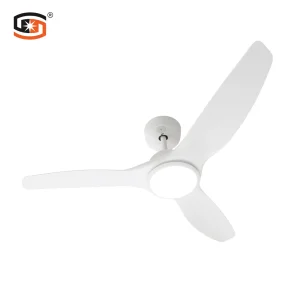
| Commercial Office / Showrooms | BLDC Decorative 52"-60" | Contoured ABS / Solid Wood Spiral | Remote & WiFi smart automation | Low-noise cooling & interior integration |
| Transit Coaches / Marine Cabins | Compact Direct-Drive Fans | Rigid Anti-corrosion Materials | Hardwired analog/PWM controller | Vibration damping & fire compliance |
| Outdoor Public Spaces / Patios | Waterproof IP55 Large Fan | Reinforced Composite Blades | Multi-speed dust-sealed control | Corrosion resistance & high-velocity throw |
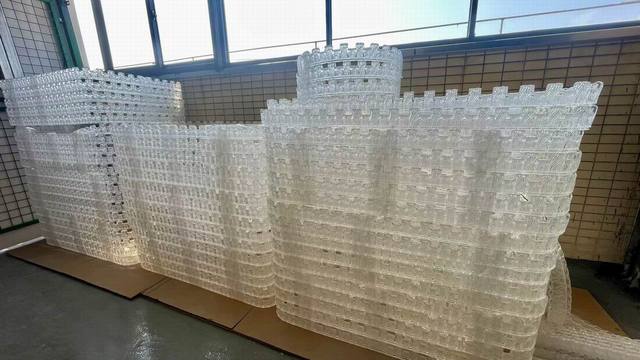
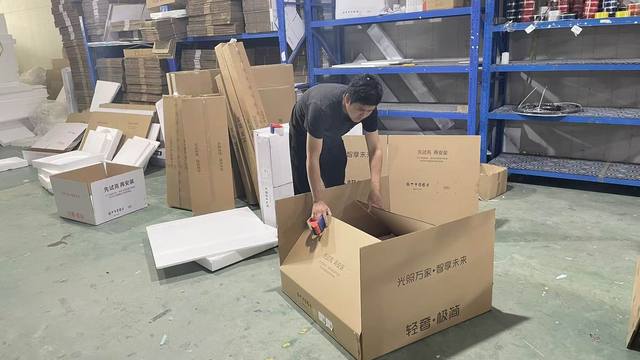
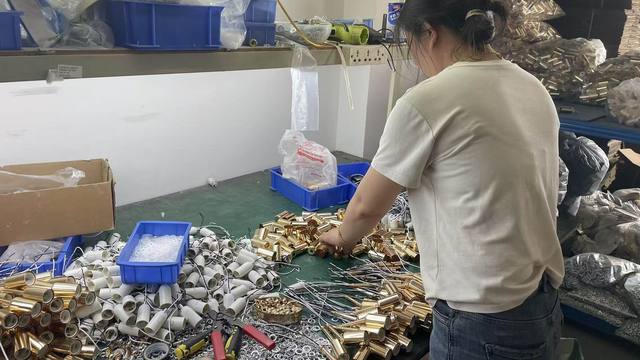
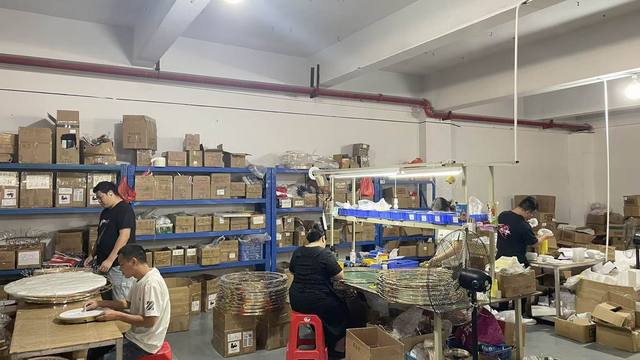
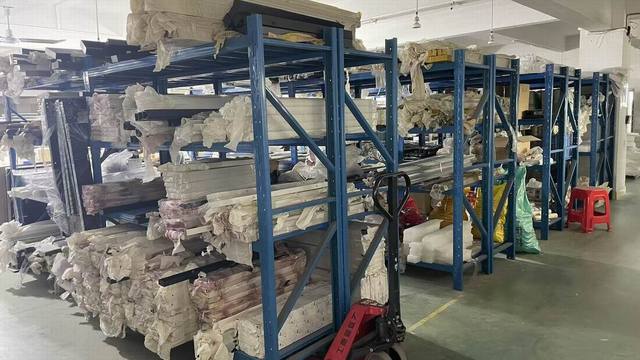
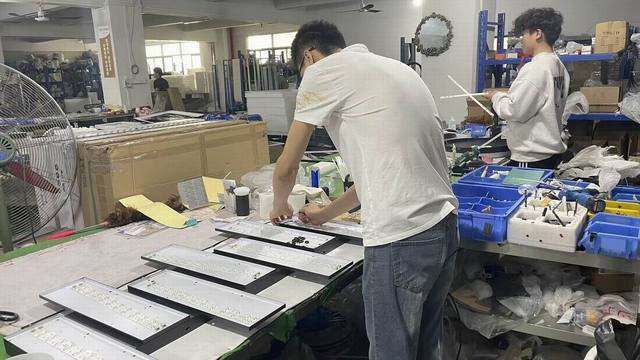
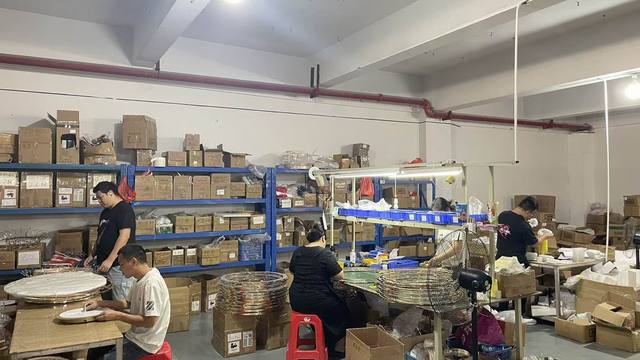
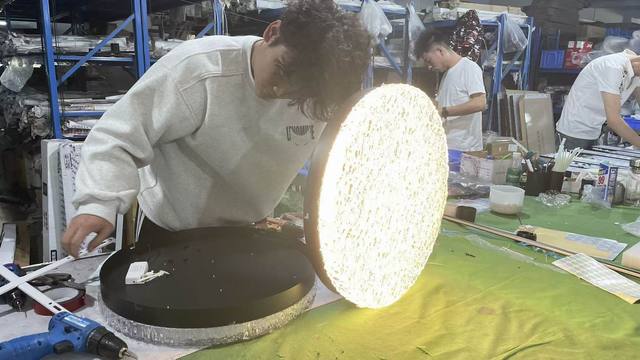
Established in 2012, Dongguan Fanpro Light Co., Ltd. is a leading manufacturer specializing in the design, engineering, and manufacturing of smart ceiling fans, DC motor air circulators, and energy-efficient ventilation systems. Our facility is located in Dongguan, Guangdong, a premier manufacturing hub with direct access to global supply chains and logistics networks.
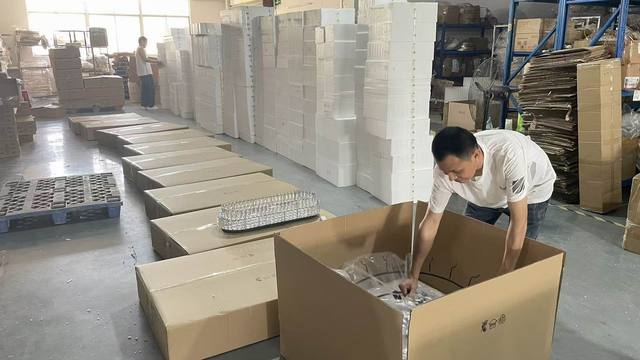
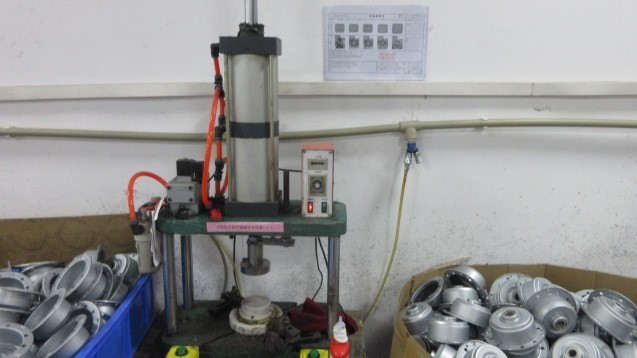
Operating a modern production facility of over 12,000 square meters and employing more than 180 skilled technicians and engineers, Fanpro Light brings product design, material engineering, assembly, quality control, and international logistics under one roof. Our testing laboratories feature state-of-the-art wind tunnels, dynamic balance calibrators, motor temperature test rigs, and sound isolation chambers to ensure every unit complies with stringent international performance standards.
As an experienced OEM and ODM manufacturing partner, we support global commercial clients, industrial contractors, and retail brands with customized blade profiles, private labeling, modified mounting setups, and built-to-order electronic controllers. Our products are exported to North America, Europe, Australia, Southeast Asia, and the Middle East, complying with UL, CE, CB, SAA, and RoHS certifications.
For global procurement managers, engineering firms, and retail buyers, sourcing ventilation equipment requires careful attention to safety standards and mechanical certifications.
Make sure your supplier can provide authentic documentation matching your destination markets: UL / ETL for North America, CE / TUV for Europe, SAA for Oceania, and PSE / KC for East Asia. Working with verified manufacturers like Fanpro ensures you receive compliant test reports and factory audits.
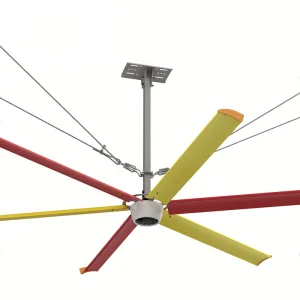
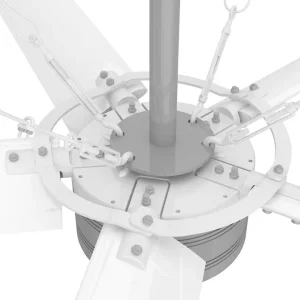
Industrial fans operate with heavy rotational forces. Quality models must feature redundant safety mechanisms, including main steel support cables that wrap around the building truss, dual-axis safety pins, dynamic safety clips, and motor-shaft drop-prevention plates.
Successful OEM/ODM partnerships require robust tooling resources, rapid prototyping (CFD software), and flexible minimum order quantities (MOQs). High-capacity manufacturers handle aluminum extrusion, motor winding, and electronic controller assembly in-house, keeping delivery timelines reliable.
The industrial air movement industry is transitioning from passive fan control to active, intelligent air management. Upcoming innovations focus on three main areas:
Using advanced fluid simulation software, engineers can design customized blade profiles for specific spaces. This technique helps identify dead zones and optimize the pitch of spiral blades to match the shape of the building interior.
Future commercial systems will feature adjustable-pitch blades. By automatically varying the blade pitch in response to real-time temperature changes, fans can maximize air displacement when needed and reduce energy draw when temperatures stabilize.
With the expansion of green building standards, ceiling fans are increasingly designed to run directly off low-voltage DC power. Connecting BLDC motors directly to on-site solar panels and local battery banks bypasses AC conversion losses, reducing the building's overall carbon footprint.
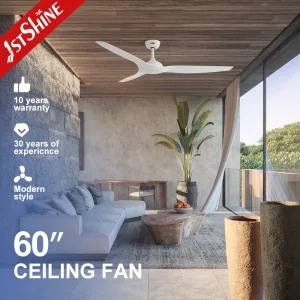
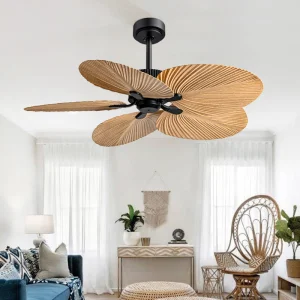
Our expanded portfolio features high-torque modern ceiling fans, specialized industrial air-distribution systems, and customizable models designed for demanding commercial applications.
Find technical information and procurement advice to assist with your project planning and ventilation setup.
Spiral blades feature a continuous variable pitch that helps maintain a consistent pressure profile along the entire length of the blade. This design helps minimize turbulence, lower noise levels, and reduce motor drag, leading to improved energy efficiency.
PMSM (Permanent Magnet Synchronous Motors) utilize rare-earth permanent magnets, eliminating the copper losses typical in AC induction rotors. They operate up to 50% more efficiently, run cooler, and are gearless, which significantly reduces maintenance requirements.
During winter, warm air naturally rises and collects near the ceiling. Running the fans at low speeds in reverse pushes this warm air back down to the occupied zone without creating a draft. This temperature equalization can help reduce heating energy costs.
Quality industrial installations include multiple safety backups: a main structural safety cable, guy wires to limit side-to-side movement, a lockable structural mounting bracket, and built-in sensors that shut off the motor automatically if unusual vibration or impact is detected.
Lead times depend on the level of customization. Typical production runs for standard modifications (such as custom paint, voltage adjustments, or branding) range from 20 to 30 days. Full custom engineering projects, which require new blade profiles or specialized controller design, generally take 45 to 60 days.
Each unit undergoes several quality checks, including computerized dynamic balancing tests, electrical insulation assessments, running trials in high-temperature aging chambers, and air velocity measurements in our standard wind tunnels. This process ensures reliable performance on site.
 Fanpro Light