Explore our curated catalog of smart, ultra-quiet, and energy-efficient DC motor ventilation systems engineered for modern interiors.
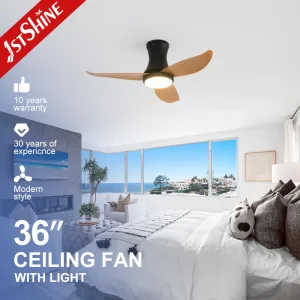
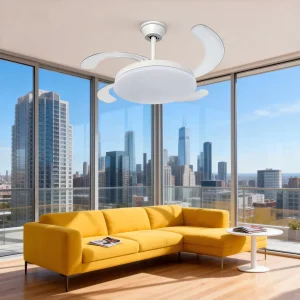
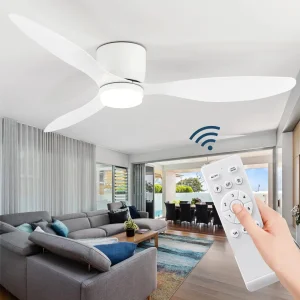
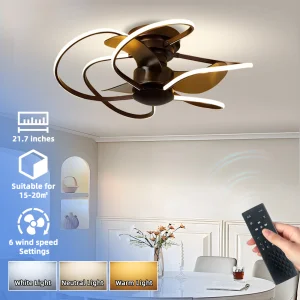
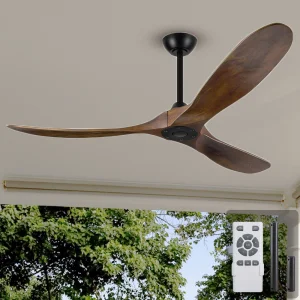
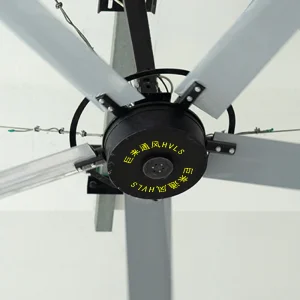
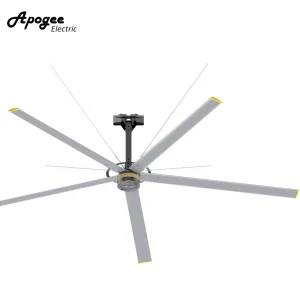
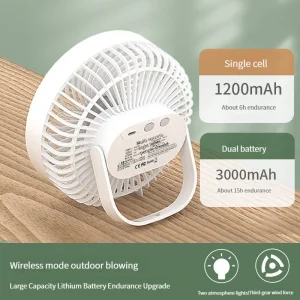
A statistical snapshot of the manufacturing infrastructure backing high-performance BLDC ventilation equipment.
The global ventilation industry is witnessing a structural migration from legacy Alternating Current (AC) induction motors to highly efficient Brushless Direct Current (BLDC) motors. Unlike traditional AC fans that rely on carbon brushes to change the electrical poles and drive the rotor—creating substantial friction, heat, and audible mechanical hum—BLDC technology utilizes electronic commutation. This eliminates physical contact inside the motor core, transforming how kinetic force is generated and controlled.
By replacing mechanical brushes with a smart electronic controller (microcontroller and inverter board), BLDC motors continuously calculate the rotor's exact position using Back Electromotive Force (Back-EMF) or Hall-effect sensors. This sensorless Field Oriented Control (FOC) ensures optimal phase current delivery, resulting in frictionless rotation. The absence of friction drastically reduces operational heat, thereby prolonging the system's operational lifespan by up to 2.5 times compared to legacy AC alternatives.
"For engineering projects and enterprise procurement, upgrading to BLDC technology is not merely a style preference; it is a calculated ROI strategy. The lower energy footprint, reduced maintenance costs, and integration with building management systems make it the standard for smart construction."
A primary performance metric for modern ceiling fans is the CFM-per-Watt (Cubic Feet per Minute of airflow per Watt of electrical energy consumed). BLDC motors maintain a flat torque curve across their entire speed spectrum, allowing them to spin large, aerodynamically contoured blades at low RPMs while delivering high volumetric flow rates. This enables near-silent operation (often below 25 decibels), making them the ideal choice for residential bedrooms, high-end hotel rooms, and academic classrooms.
Established in 2012, Dongguan Fanpro Light Co., Ltd. is a leading manufacturer specializing in the research, design, engineering, and mass production of smart ceiling fans, DC motor ventilation systems, and energy-efficient air circulation solutions. Nestled in Dongguan, Guangdong, the epicenter of Chinese advanced manufacturing, Fanpro Light commands a strategic location offering direct access to key shipping terminals, supply chain nodes, and logistics corridors.
With a state-of-the-art production facility exceeding 12,000 square meters, Fanpro Light coordinates every aspect of product development in-house. A dedicated workforce of over 180 skilled technicians, engineers, and quality assurance specialists operates advanced assembly lines, dynamic balancing labs, and strict quality gates to ensure all outgoing products meet or exceed global standards.
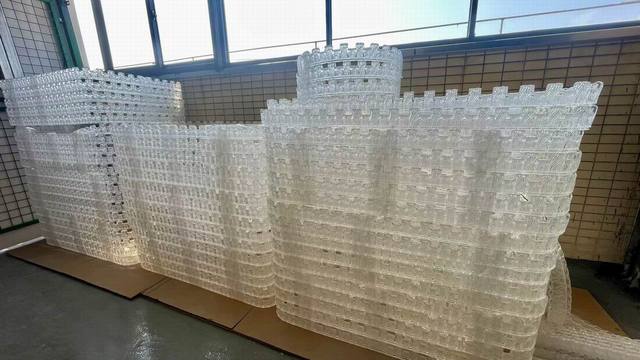
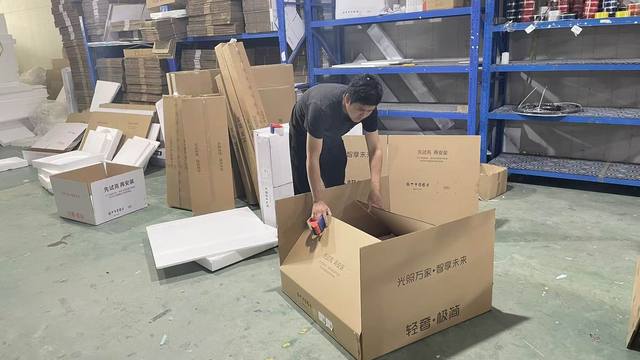
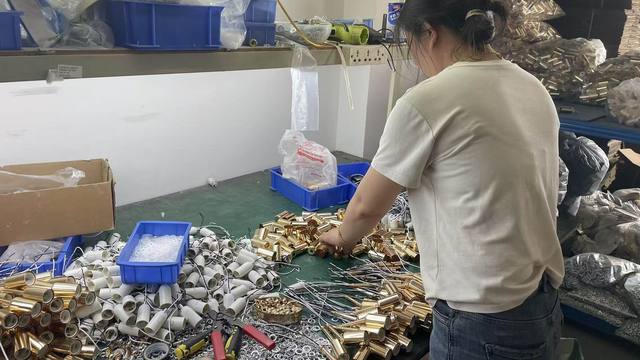
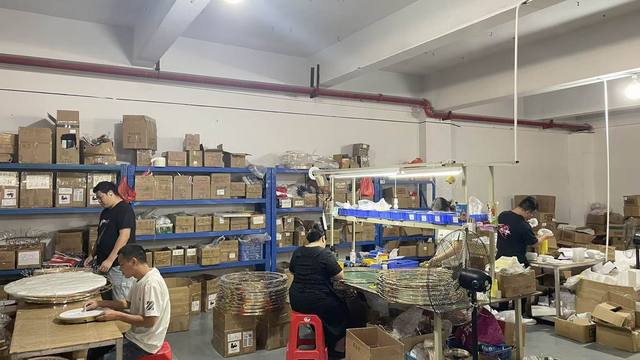
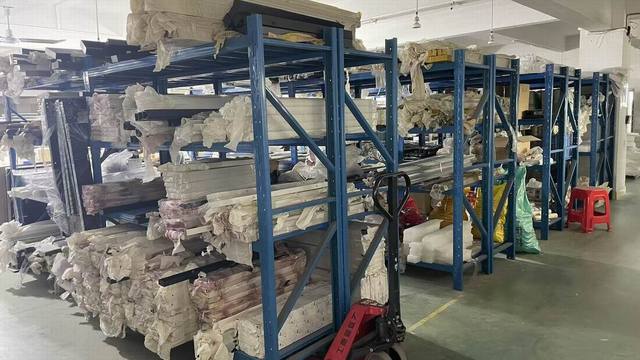
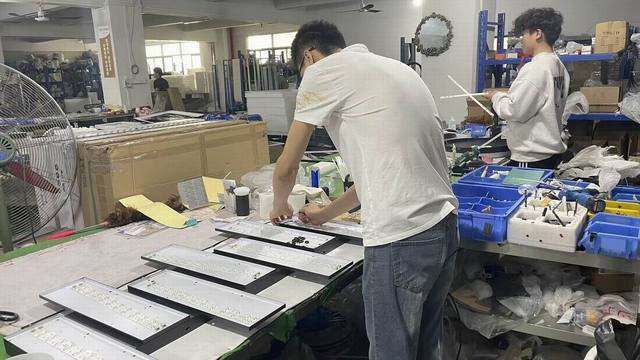
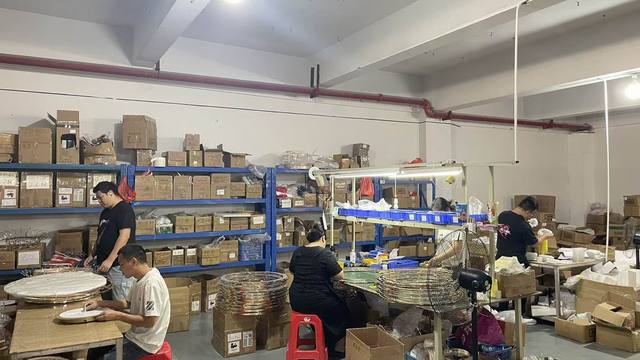
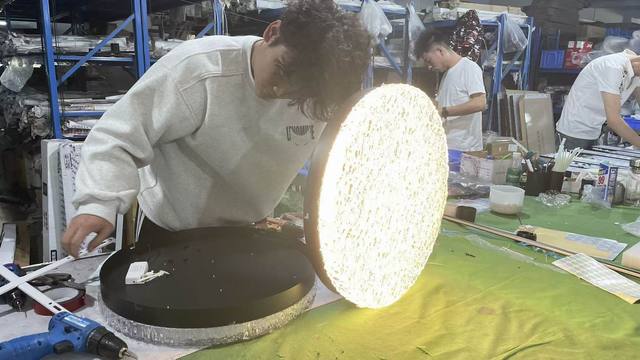
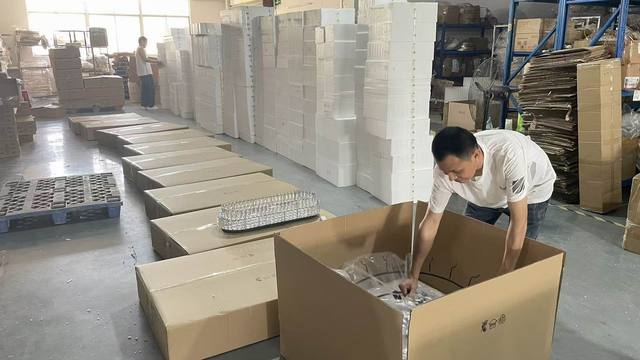
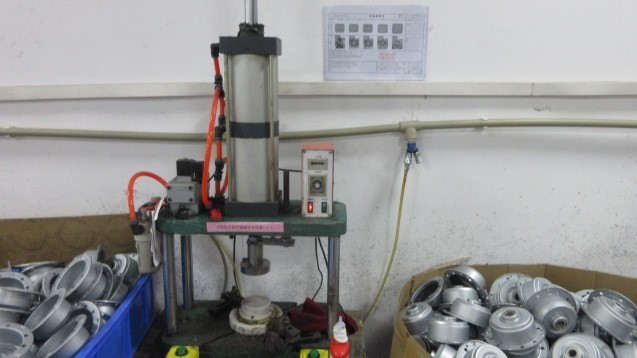
The company's extensive portfolio encompasses smart WiFi-connected ceiling fans, low-profile decorative models, high-volume low-speed (HVLS) commercial ventilation systems, and outdoor-rated models. Backed by full OEM and ODM capabilities, Fanpro Light offers complete customization from custom blade designs and logo printing to custom packaging layouts, exporting to North America, Europe, Australia, and the Middle East.
Why sourcing from Guangdong-based clusters yields unbeatable cost-to-performance ratio and innovation agility.
Guangdong hosts a highly concentrated network of copper wire winders, rare-earth magnet suppliers, plastic injection molders, and PCB manufacturers, reducing internal lead times and keeping logistics costs to a minimum.
BLDC motors require premium permanent magnets (Neodymium NdFeB). Sourcing from China guarantees direct access to premium magnet grades, bypassing third-party markups and tariff fluctuations.
Leveraging advanced CAD systems and local tooling capabilities, Chinese factories can transition a concept into an operational, certified BLDC prototype in weeks, compared to months elsewhere.
For B2B buyers, importing electrical components involves meeting strict regional standards. Sourcing certified products is critical to avoiding customs holds, legal issues, and product liability challenges.
| Target Region | Mandatory Certifications | Technical / Voltage Parameters | Quality Priority & Testing Protocol |
|---|---|---|---|
| North America (US & Canada) | UL 507, ETL List, Energy Star, FCC Part 15 | 120V / 60Hz, Smart Home Integration (Alexa/Google Assistant) | Dielectric strength testing, flame-retardant enclosures, strict EMF limitations. |
| European Union | CE Mark, RoHS, ErP Directive, GS, EMC | 220V - 240V / 50Hz, Ecodesign compliance | Strict standby power limits (<0.5W), hazardous substance avoidance, end-of-life recycling. |
| Australia / NZ | SAA Approvals, RCM Mark | 230V - 240V / 50Hz, High humidity resistance | Tropical rating testing, electrical isolation standards, structural safety factors. |
| Middle East & SEA | CB Scheme, SASO (Saudi), TISI (Thailand) | 220V - 240V / 50Hz, Dust/sand ingress protection | Thermal run tests at high ambient temperatures, motor insulation Class H/F compatibility. |
When auditing potential DC ceiling fan manufacturers, procurement teams must request detailed reports on the following tests:
Adapting BLDC ceiling fans to diverse architectural requirements and smart building environments.
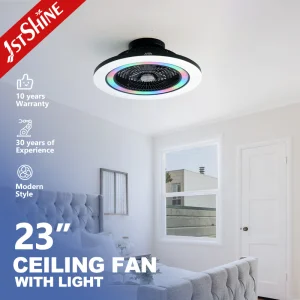
Ideal for modern apartments with low ceilings (under 2.7m), flush-mount DC fans provide powerful airflow and integrated lighting without compromising head clearance or safety.
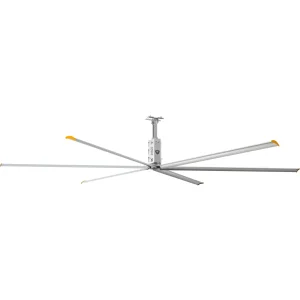
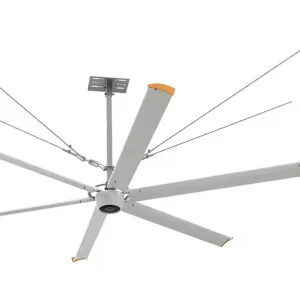
Large industrial spaces, gymnasiums, and logistics hubs utilize HVLS (High-Volume Low-Speed) ceiling fans. These massive fans stir large air masses to reduce cooling costs by up to 30%.
Outdoor patios, seaside restaurants, and coastal resorts require marine-grade ABS or treated wood blades alongside IP44/IP55 moisture-resistant motor enclosures.
When selecting a manufacturing partner, it is critical to compare prospective partners across several key parameters: engineering capabilities, tooling agility, quality systems, and supply chain control. The table below highlights the profiles of the top ten manufacturers globally, helping procurement managers make informed decisions.
| Manufacturer Group Category | Key Strengths & Core Competency | Ideal Project Types | Sourcing Mode & Flexibility |
|---|---|---|---|
| 1. High-Volume ODM Specialists (e.g., Fanpro Light) | Flexible tooling, direct-factory pricing, advanced smart integration (WiFi/Tuya/Zigbee). | Mid-to-high-end residential projects, retail brands, and custom OEM requests. | Highly flexible MOQ, direct component customizability. |
| 2. Industrial HVLS Manufacturers | High-volume low-speed technology, planetary gearbox integration, heavy-duty durability. | Logistics hubs, warehouses, gymnasiums, and large public spaces. | Structured specifications, custom drop-rod lengths. |
| 3. Premium Eco-Wood Crafters | Solid wood blade milling (sycamore, paulownia), hand-finished aesthetics. | Luxury hotels, residential villas, and design-led boutique spaces. | Medium MOQ, focus on premium aesthetics and low acoustic profiles. |
| 4. Smart Home IoT Giants | Direct API control, integration with Home Assistant, Apple HomeKit, and custom apps. | Smart home projects and residential developments. | Fixed configurations, high software compatibility. |
| 5. Ultra-Quiet Low Profile Specialists | Flush-mount motor design, compact FOC controller integration. | Low-ceiling apartments, bedrooms, and modular housing. | Flexible mounting configurations, integrated lighting options. |
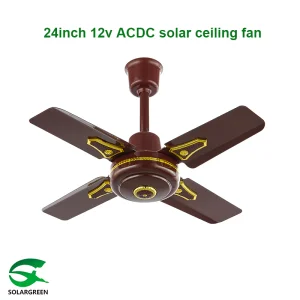
| 6. Solar-Powered DC Manufacturers | Dual AC-DC power input, low voltage input (12V/24V) compatibility. | Off-grid locations, disaster recovery zones, and sustainable developments. | Custom solar panel packages, high efficiency controllers. |
| 7. Heavy Industrial Specialists | Corrosive-resistant metal enclosures, explosion-proof motor casings. | Factories, chemical processing plants, and marine environments. | Strict adherence to safety and industrial specifications. |
| 8. Retractable Blade Innovators | Centrifugal blade deployment mechanisms, compact visual footprints. | Minimalist dining rooms, multi-purpose residential spaces. | High component standardization, easy installation kits. |
| 9. Marine-Grade Outdoor Exporters | IP55 dynamic sealing, anti-rust plating on all mechanical fasteners. | Coastal resorts, cruise terminals, and humid tropical areas. | Tested salt-spray performance, durable plastic/ABS finishes. |
| 10. Commercial HVAC Contractors | Integrated air-balancing systems, modbus network controls. | Office complexes, shopping centers, and public transport hubs. | Engineered-to-order, custom control panel cabinets. |
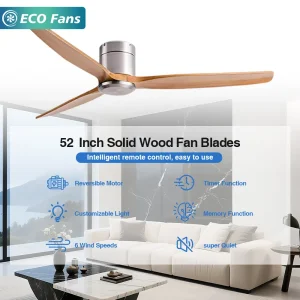
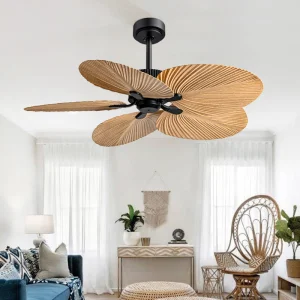
Browse our advanced selection of heavy-duty, solar-powered, and solid wood DC ceiling fans engineered for specific performance needs.
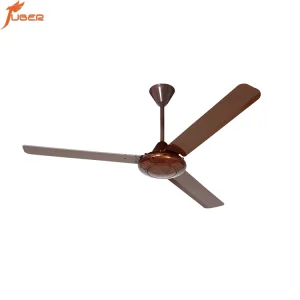
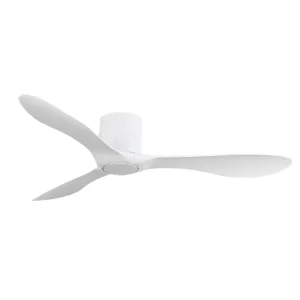
Addressing the technical, logistics, and quality issues that sourcing managers care about most.
A high-quality BLDC motor typically has an operational lifespan of 50,000 to 70,000 hours, whereas standard AC motors average around 20,000 to 30,000 hours. The primary reason is the reduction of operational heat. AC motors suffer from high internal friction and rotor losses, causing internal temperatures to exceed 85°C. In contrast, electronic commutation in BLDC motors keeps running temperatures below 55°C, preserving the motor bearings and coil insulation.
Yes, but this depends on the design of the driver. Premium exporters integrate wide-voltage or universal drivers (85V–265V) that feature Metal Oxide Varistors (MOVs) and transient voltage suppressors (TVS). These protective circuits absorb electrical surges and spikes, preventing damage to the sensitive microcontrollers in regions with unstable power grids.
Standard lead times for OEM orders typically range between 30 and 45 days after deposit confirmation and artwork approval. For custom ODM orders that require new injection molds, development can take between 60 to 90 days. This includes CAD modeling, 3D prototype printing, mold fabrication, pilot runs, and regional safety certification testing.
Integrated LED light kits can heat up the lower part of the fan. To prevent heat transfer to the motor driver, manufacturers use an aluminum isolation barrier and thermal grease to route LED heat away from the motor body. This thermal separation prevents high LED temperatures from affecting the longevity of the motor driver capacitor.
Structural safety is achieved through three key measures: high-tensile steel mounting brackets, safety cables that secure the fan directly to the ceiling joist, and automatic shutdown software. Modern BLDC drivers continuously monitor motor currents. If the fan detects a sudden impact or blade imbalance, the controller shuts off power to the motor within 0.5 seconds to prevent structural damage.
 Fanpro Light