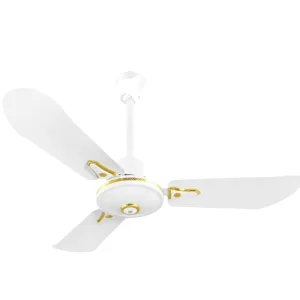
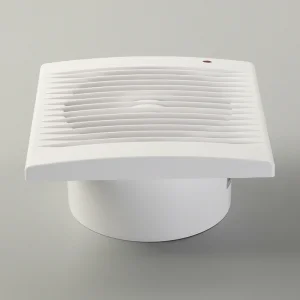
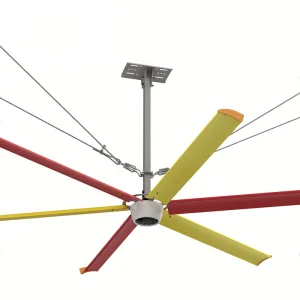
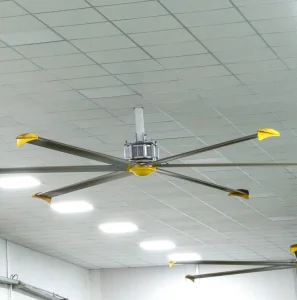
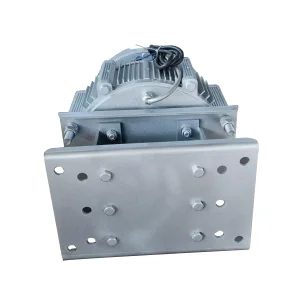
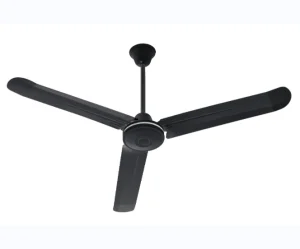
Engineered for architectural integration, utilizing state-of-the-art brushless motor control systems, and optimized aerodynamically for commercial, industrial, and high-end residential projects.
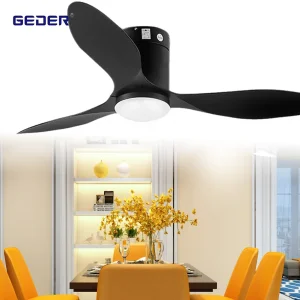
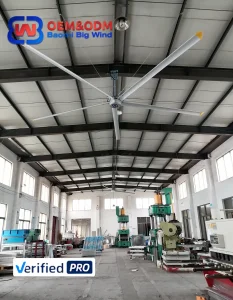
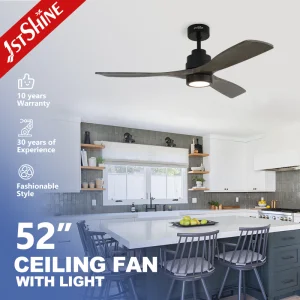
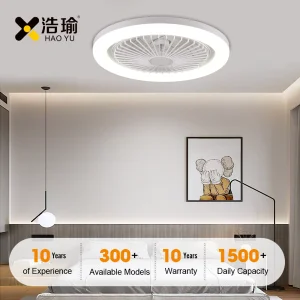
In contemporary architectural design, spatial visual clutter reduction has transitioned from an aesthetic preference to a functional mandate. The integration of HVAC configurations with minimalist ceiling fans is rapidly becoming the standard for LEED-certified and green building projects globally. B2B procurement managers, MEP (Mechanical, Electrical, and Plumbing) consultants, and real estate developers face complex challenges in acquiring ventilation fixtures that balance high-velocity performance, structural reliability, and minimal design footprints.
Minimalism in commercial cooling engineering means eliminating bulky motor casings, complex mounting brackets, and distracting blade designs, replacing them with clean lines and integrated lighting profiles. Procurement pipelines now demand BLDC (Brushless Direct Current) and PMSM (Permanent Magnet Synchronous Motors) to comply with strict energy consumption standards like California Title 24, ErP (Energy-related Products) in the European Union, and MEPS (Minimum Energy Performance Standards) in Australia.
The core of modern architectural fan efficiency lies within the propulsion mechanics. Traditional AC induction motors rely on carbon brushes that induce friction, wear, noise, and substantial thermal load. The shift to modern drive electronics is defined by two primary technologies:
| Motor Technology | Energy Efficiency | Noise Profile (dBA) | Lifespan & Maintenance | Smart Control Integration |
|---|---|---|---|---|
| Traditional AC Induction | Low (30-40% losses) | High (>45 dBA) | Standard (3-5 years) | Limited / Voltage regulation only |
| BLDC (Brushless DC) | Exceptional (Up to 85% efficiency) | Ultra-Quiet (15-30 dBA) | High (Virtually maintenance-free) | Advanced (PWM, Sensorless drives) |
| PMSM (Permanent Magnet) | Industrial Grade (IE5+ Standard) | Very Low (Gearless direct drive) | Extreme (>15 years life span) | Vector Control (FOC) Integration |
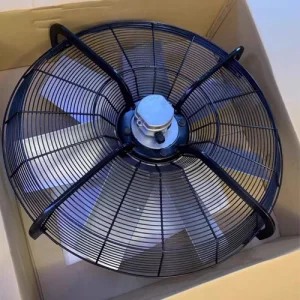
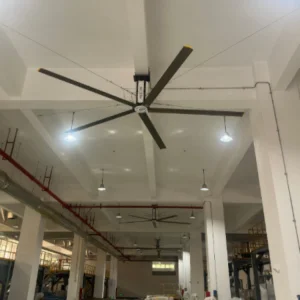
For compact applications (like domestic bedroom models or retail outlets), BLDC motors dominate due to their compact footprint, integrated driver circuit boards, and precise speed modulation (often supporting 6 custom speeds via remote controls). For large industrial spaces, warehouses, and transit terminals, PMSM direct-drive gearless technology is preferred. By removing the traditional gearbox, PMSM motors reduce mechanic friction failure points and deliver maximum torque at low revolutions per minute (RPM).
Modern structural installations require mechanical systems that integrate seamlessly with high-level Building Management Systems (BMS). Architects utilize minimalist ceiling fans to solve specific micro-climate problems in large structures:
Hot air naturally rises to high ceilings. In commercial warehouses and lobbies, ceiling fans push warm air down to occupied areas, significantly reducing heating fuel consumption in cold winter months.
Proper indoor air distribution is critical post-pandemic. High air exchange rates prevent stagnant air zones, ensuring clean air distribution and consistent relative humidity levels.
In high-end hotels, study lounges, and residential zones, structural noise pollution is unacceptable. Our minimalist profiles are built with resonance damping brackets to eliminate motor humming.
The horizon of air circulation technology is fundamentally tied to digitalization. We are transitioning from simple remote controls to sensor-rich systems linked to ambient environments. The technology roadmap for minimalist cooling integrations includes:
Established in 2012, Dongguan Fanpro Light Co., Ltd. is a leading professional ceiling fan manufacturer specializing in the design, development, and production of smart ceiling fans, DC motor ceiling fans, and energy-efficient air circulation solutions for residential, commercial, and hospitality applications. Located in Dongguan, Guangdong, one of China's most robust manufacturing clusters, the factory benefits from direct, efficient access to international ports and highly developed component supply chains.
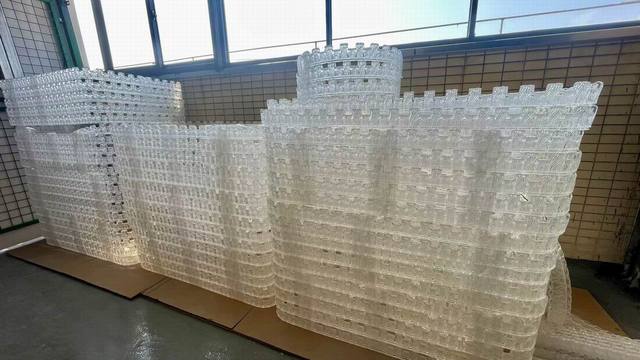
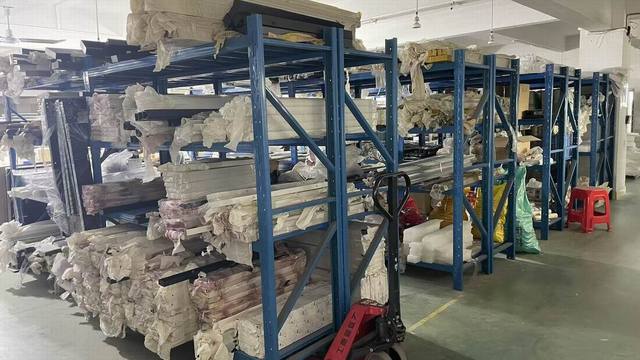
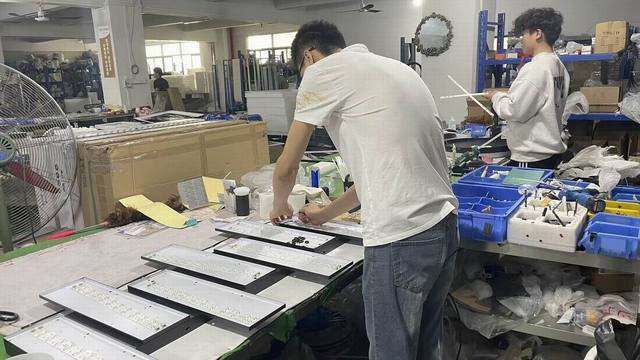
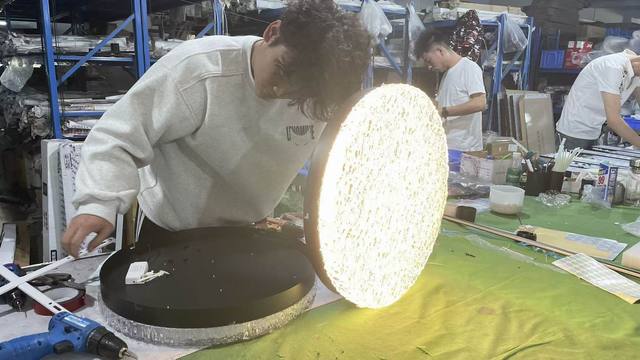
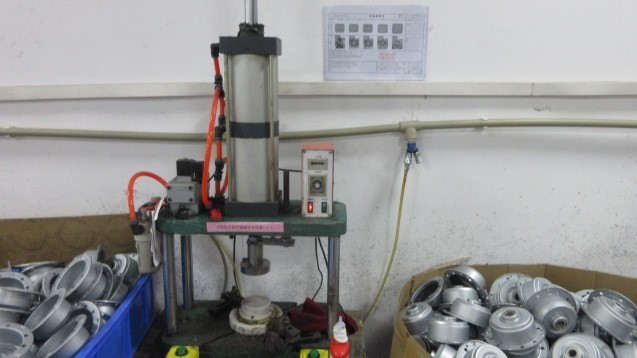
Operating out of a modern manufacturing facility exceeding 12,000 square meters and powered by a highly skilled team of over 180 engineers and assembly professionals, Fanpro Light integrates advanced R&D, structural design, motor production, precise quality testing, and international export operations under one roof. The facility utilizes state-of-the-art assembly stations, dynamic blade balancing equipment, and specialized acoustic testing labs to guarantee maximum durability, operation safety, and compliance with the most stringent global standards.





Navigating international trade laws requires rigid compliance verification. Importing ventilation equipment for major commercial infrastructure projects demands certifications that verify thermal safety, electrical insulation, and emission standards:
Explore our diverse portfolio of high-efficiency industrial fans, modern minimalist ceiling fixtures, and custom-engineered PMSM motors.

 Fanpro Light