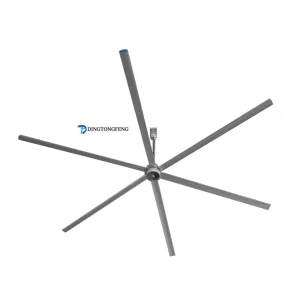
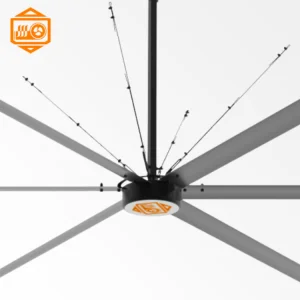
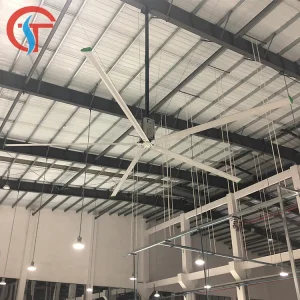
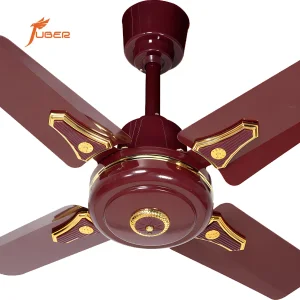
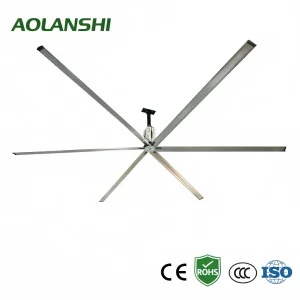
Engineered for high-volume air movement, thermodynamic destratification, and robust longevity in high-ceiling structures.
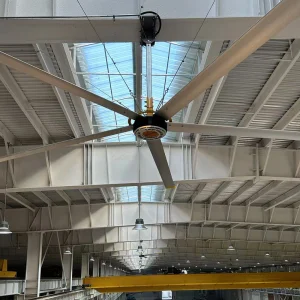
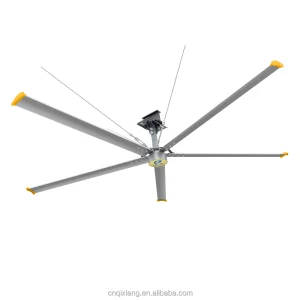
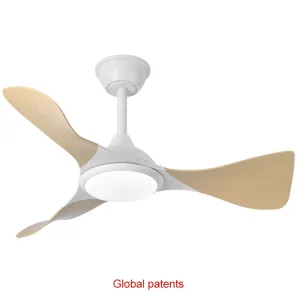

Modern loft factories, historical warehouse conversions, and heavy industrial plants pose unique environmental challenges. The integration of high ceilings (exceeding 6 meters and up to 12+ meters) yields a severe thermodynamic issue known as thermal stratification. Heated air rising from machinery and solar-irradiated roof decks converges near the rafters, while cooler, denser air clusters along the working floor. This separation can exceed a temperature gradient of 1.5°C per vertical meter, leading to compromised workforce productivity, elevated energy expenditure for localized HVAC units, and moisture condensation issues near roof trusses.
“Without continuous air exchange, a factory with high trusses struggles with microclimate stability. By bridging thermal layers, industrial operators can reduce peak HVAC loads by up to 30%, while eliminating structural condensation vectors.”
In addition to thermodynamic imbalances, high humidity and stale air stagnation represent major risks to product preservation, metal corrosion prevention, and occupational health standards. These structural layouts need active air destratification and gentle, broad-scale air movement. High-Volume Low-Speed (HVLS) ceiling fans provide a mechanical countermeasure. Rather than relying on high-velocity localized air currents, which can disrupt delicate industrial tasks (such as manual welding, packaging, or spray finishing), HVLS solutions generate a large-volume vertical air column. This column hits the floor and expands outward as a horizontal floor jet, inducing broad, soothing evaporative cooling across open working zones.
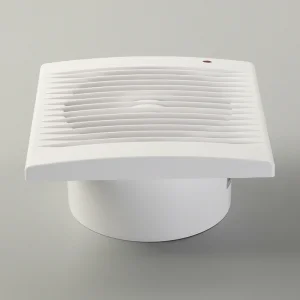
Standard industrial wall fans create narrow, high-velocity air cones. While they may cool specific workspaces, they introduce massive turbulences, generate substantial noise, and consume a disproportionate amount of electric energy per unit area. Crucially, they fail to bridge the vertical gap between the ceiling and floor. Air is recycled within the lower 3 meters, leaving hot air trapped in upper structural regions. HVLS ceiling fans address this system gap. By utilizing aerodynamically optimized airfoil blades, a single 20ft HVLS fan can replace multiple high-speed floor/wall fans, yielding a dramatic drop in localized acoustic disturbances and aggregate power demands.
For international supply chain managers, bulk distributors, and engineering procurement contractors (EPCs), evaluating an industrial ceiling fan supplier goes far beyond comparing initial unit pricing. The overall utility of an industrial-grade fan is determined by its Total Cost of Ownership (TCO), installation safety records, and manufacturing compliance frameworks.
Global procurement networks prioritize standard compliance, such as UL certification for North America, CE conformity for the European Economic Area, and localized compliance (e.g., SAA, KC, or SASO). These standards ensure that electrical design, motor isolation ratings, and safety components are tested and rated to operate under demanding continuous-use conditions (often 24/7/365 in heavy industrial sectors).
Evaluating raw wattage vs. cubic feet per minute (CFM) output. Industrial BLDC and PMSM motors yield up to 50% lower operational expenses relative to classic geared AC alternatives.
Verification of secondary steel safety ropes, blade-to-hub interlocking pins, and structural impact safety sensors that cut power upon detection of spatial misalignment.
Ability to adapt downrod drops, customize finish textures, integrate local industrial controller protocols (such as Modbus or BACnet), and design packaging for maritime shipping.
In addition to safety and power requirements, physical durability is paramount. Loft factory installations are frequently subjected to chemical vapors, airborne particulate matter, and vibration. Supply chain managers prioritize blades extruded from high-grade aviation aluminum alloys (like 6063-T6) combined with electrophoretic, anodized, or powder-coated protective surfaces to combat early corrosion and fatigue wear.
The core performance of an industrial ceiling fan rests on two technological pillars: aerodynamic blade geometry and motor propulsion dynamics. Understanding these elements allows building mechanical engineers to optimize airflow distribution across broad manufacturing floor footprints.
Unlike standard sheet metal or wood fans, HVLS fans utilize blades inspired by modern aviation wing profiles. The design aims to maximize the lift coefficient while minimizing drag. This shape produces a continuous, non-turbulent column of downward air. Winglets are often added to the blade tips to reduce trailing vortices and wind noise. By stabilizing the airflow at the tips, these winglets improve overall fan efficiency and lower the strain on the motor and mounting structures.
“Modern airfoil designs ensure that air is not thrown outward at high velocities, but rather organized into a uniform column. This minimizes local turbulences and guarantees a larger coverage area on the floor below.”
Historically, industrial ceiling fans relied on induction motors coupled with gearboxes to achieve the high torque required at low RPMs. While functional, these geared solutions introduced points of vulnerability, including gear oil leaks, gear wear over time, and high audible noise levels (often exceeding 55 dBA). The industry has largely shifted toward Permanent Magnet Synchronous Motors (PMSM) with direct-drive structures.
Partner with Dongguan Fanpro Light Co., Ltd. for highly scalable, reliable, and compliant air circulation systems.
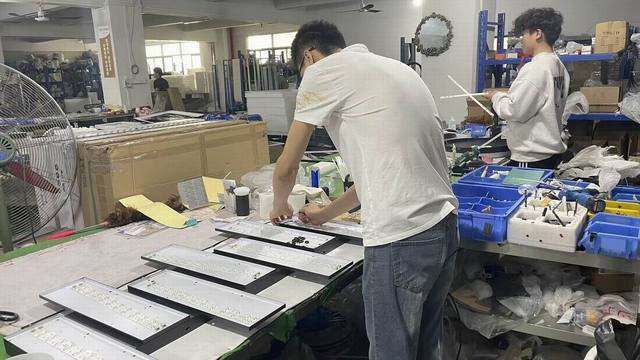
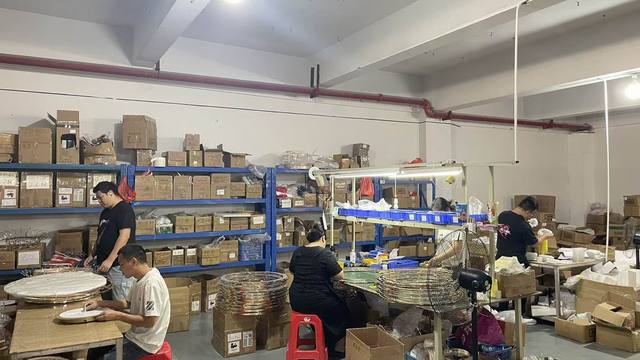
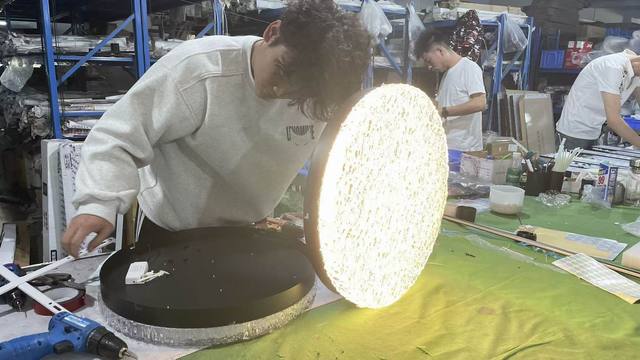
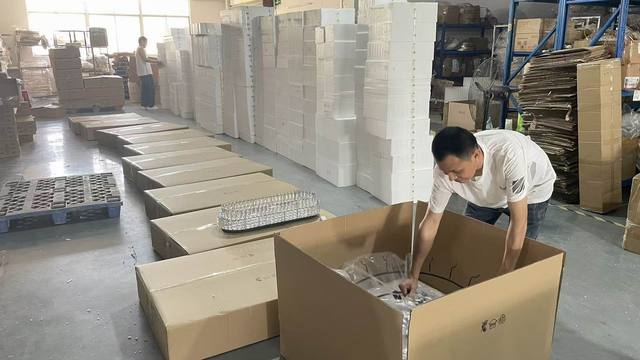
Dongguan Fanpro Light Co., Ltd. is a professional ceiling fan manufacturer specializing in the design, development, and production of smart ceiling fans, DC motor ceiling fans, and energy-efficient air circulation solutions for residential, commercial, and hospitality applications. Established in 2012, the company is located in Dongguan, Guangdong, one of China's leading manufacturing hubs, providing convenient access to global logistics networks and supply chains.
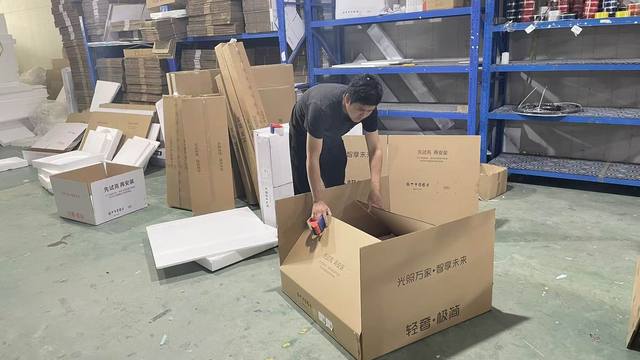
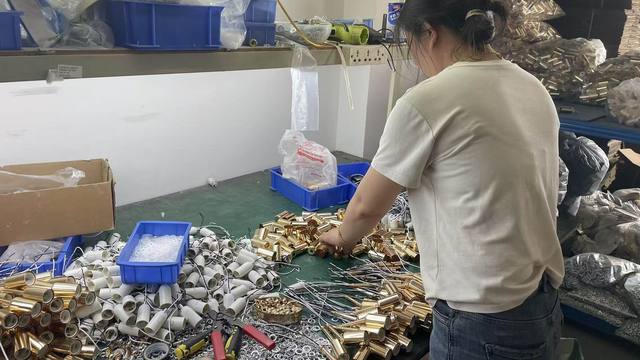
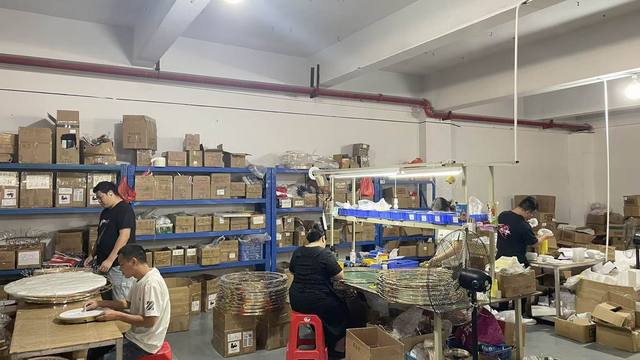
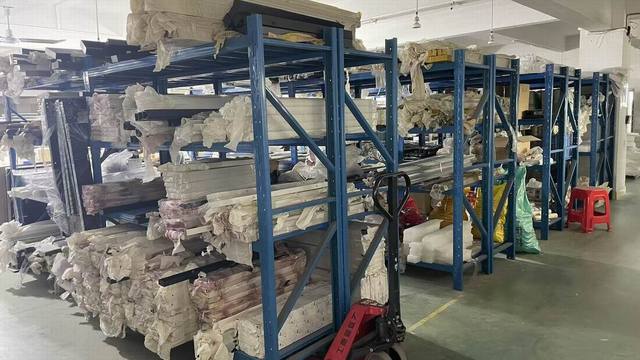
With a modern production facility covering more than 12,000 square meters and a workforce of over 180 skilled employees, Fanpro Light integrates product design, engineering, manufacturing, quality control, and international sales under one roof. The company operates multiple assembly lines and testing laboratories to ensure consistent product performance, durability, safety, and compliance with international standards.
Fanpro Light offers a comprehensive range of ceiling fan solutions, including smart WiFi ceiling fans, DC motor ceiling fans, ceiling fans with LED lighting, low-profile ceiling fans, decorative ceiling fans, outdoor ceiling fans, and commercial air movement systems. The company continuously invests in motor technology, energy-saving innovations, and intelligent control systems to meet evolving market demands.
As an experienced OEM and ODM manufacturing partner, Fanpro Light supports customers worldwide with customized designs, private labeling, packaging solutions, and product development services. Its products are exported to North America, Europe, Australia, Southeast Asia, the Middle East, and other international markets. Committed to quality, innovation, and long-term partnerships, Dongguan Fanpro Light Co., Ltd. strives to provide reliable ceiling fan products and flexible manufacturing solutions that help customers strengthen their competitiveness in the global marketplace.
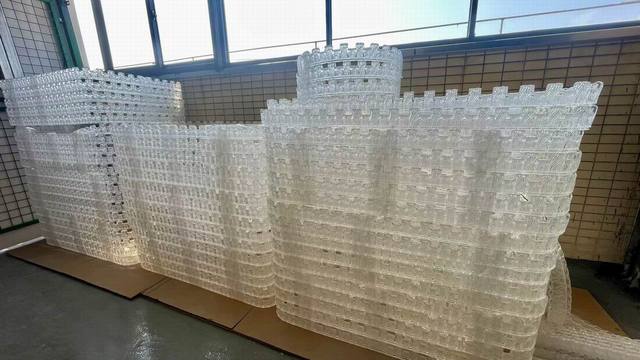
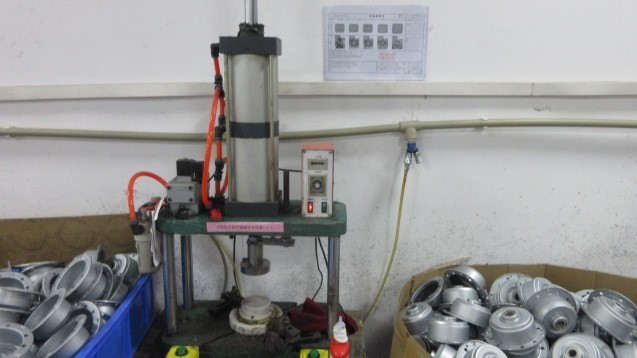
The integration of industrial ventilation systems with modern Building Management Systems (BMS) represents a major shift in factory automation. Traditional ceiling fans operated as standalone units, requiring manual speed adjustments. Today, advanced industrial fans feature IoT controllers that connect to BMS platforms via Modbus, BACnet, or WiFi protocols.
These smart connections enable automatic fan speed adjustments based on real-time temperature and humidity sensors installed throughout the building. For instance, when humidity exceeds a specified threshold, the system automatically ramps up fan speeds to prevent moisture buildup on cold concrete floors and stored inventory.
As corporate entities face stricter ESG (Environmental, Social, and Governance) targets, reducing carbon footprints is a primary concern. Implementing high-efficiency DC and PMSM motor-driven ceiling fans helps facilities achieve these targets. In many cases, these upgrades qualify for carbon credits and local energy rebates, lowering the initial cost of installation.
“Pairing industrial ceiling fans with smart building sensors minimizes HVAC energy use. The resulting reduction in mechanical runtime lowers overhead costs and supports long-term equipment reliability.”
Get answers to common technical, structural, and procurement questions regarding HVLS ceiling fans.
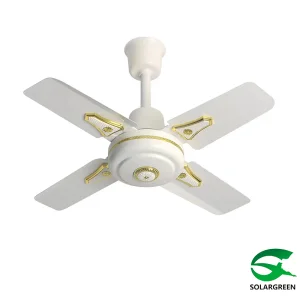
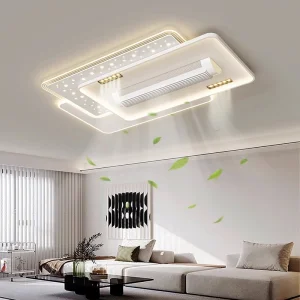
Explore our highly integrated ceiling fans designed for light industrial, commercial, and residential use cases.
 Fanpro Light