Premium climate solutions engineered for durability, energy conservation, and aesthetic integration in high-altitude spaces.
An engineering analysis of modern BLDC motor ceiling fans, aerodynamic performance at high altitudes, and energy conservation protocols in Lesotho’s commercial and industrial environments.
"By combining low-resistance aerodynamic profiles with highly efficient brushless DC technology, commercial and industrial enterprises in Lesotho can cut HVAC thermal energy demands by up to 30% while maintaining absolute indoor comfort."
Lesotho occupies a unique geographical position: it is the only independent state in the world that lies entirely above 1,400 meters in elevation. This high-altitude alpine environment creates severe thermodynamic demands. In the lower altitudes of districts like Maseru and Leribe, summer temperatures regularly climb past 30°C, while winters plummet below freezing. This large seasonal temperature range presents a serious challenge for building services engineers, industrial architects, and facility managers.
Conventional heating, ventilation, and air conditioning (HVAC) systems struggle to perform efficiently under these atmospheric conditions. Lower air density at high elevations reduces the mass flow rate of air moved by standard ventilation equipment. This requires ceiling fans with optimized blade pitches and specialized aerodynamic geometries. Furthermore, because the local power grid is constrained and electricity tariffs remain high, implementing energy-efficient climate control systems is essential for commercial viability in Maseru's industrial zones and rural eco-tourism lodges.
The global ventilation market has shifted away from traditional alternating current (AC) shaded-pole and permanent split capacitor (PSC) motors. The industry standard has transitioned to Brushless Direct Current (BLDC) motors, also known as EC (Electronically Commutated) motors. This change is driven by international carbon-reduction regulations and strict energy-efficiency mandates, such as the European Union’s ErP Directive and the United States’ Department of Energy (DOE) standards.
BLDC motor technology uses permanent magnets instead of copper windings to create the rotor magnetic field. This eliminates the rotor copper loss that degrades efficiency in conventional AC motors. The resulting performance improvements are significant:
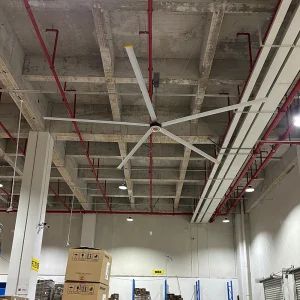
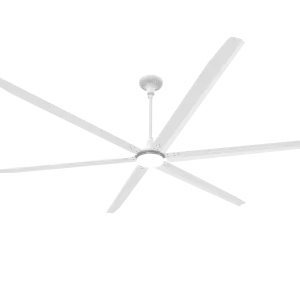
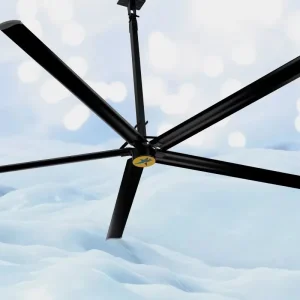
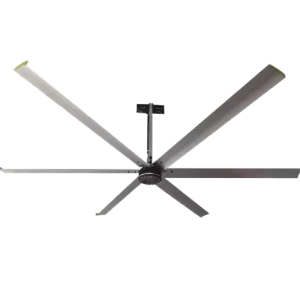
Lesotho's textile manufacturing industry is a vital economic driver. Garment factories house dense machinery layouts and many workers, generating large internal thermal loads. High-Volume Low-Speed (HVLS) fans are crucial here. These large-diameter fans (up to 24 feet) circulate massive volumes of air at low speeds, creating a gentle cooling breeze. This lowers the perceived temperature by 3°C to 5°C through enhanced evaporative cooling, which improves worker comfort and productivity without the high installation and operating costs of traditional air conditioning.
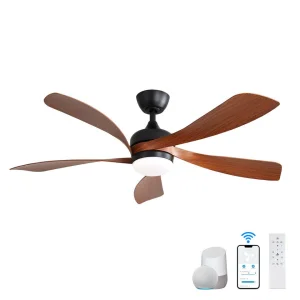
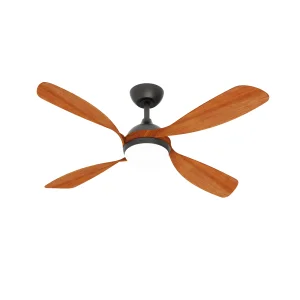
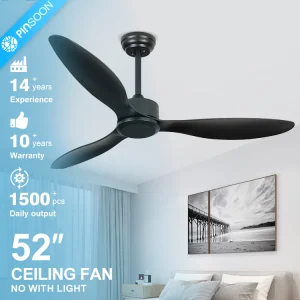
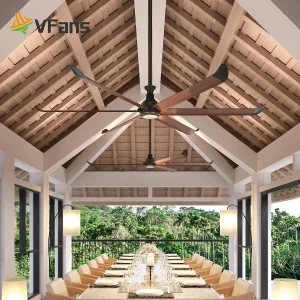
In high-altitude destinations such as Semonkong and the Katse Dam region, eco-lodges operate on limited off-grid solar PV networks or small microgrids. In these environments, power consumption must be kept to a minimum. Installing 12V or 24V DC smart ceiling fans allows these operators to run whisper-quiet ventilation systems directly from solar battery banks, bypassing inverter conversion losses. Smart Tuya integration also allows centralized reception desks to monitor and control fan use, preventing energy waste in unoccupied guest rooms.
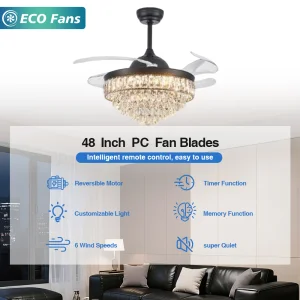
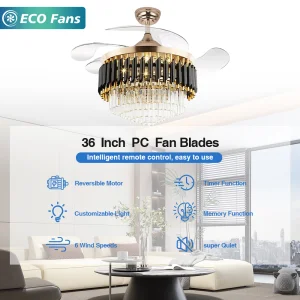
Proper air exchange and draft management are essential in school classrooms, healthcare clinics, and community centers. Using reversible ceiling fans helps maintain clean air and even heat distribution. During cold alpine winters, running fans in reverse pushes warm air trapped at the ceiling back down to floor level. This thermal destratification process reduces heating fuel consumption while keeping building occupants comfortable.
| Application Sector | Primary Challenge | Recommended Fan Configuration | Estimated Energy Savings |
|---|---|---|---|
| Maseru Textile Mills | High heat loads & worker density | HVLS Industrial Fans (24ft) | Up to 45% vs Mechanical AC |
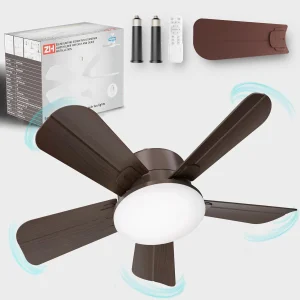
| High-Altitude Lodges | Off-grid battery limitations | BLDC Smart Fans (52" / 48") | 70% vs AC Motor Alternatives |
| Public Classrooms | Cold drafts & poor air flow | Reversible DC Fans with LED | 30% reduction in heating loads |
Modern fan engineering relies on high-grade materials and advanced aerodynamics. Instead of heavy pressed steel, manufacturers use aerospace-grade aluminum alloys and glass-fiber reinforced plastics (GFRP). These lightweight materials reduce startup inertia and mechanical stress on the motor. In coastal or highly humid environments, these non-corrosive materials prevent oxidation, securing the structure for years of continuous service.
Designing fan blades using computational fluid dynamics (CFD) optimizes lift-to-drag ratios. This allows fans to move larger volumes of air with less energy, even in the thinner atmosphere of Lesotho's high altitudes.
Integrating fans with modern building systems enables automated operation. Sensors track ambient temperature and humidity, adjusting fan speeds automatically to maintain target comfort levels.
Connecting fans directly to local solar PV arrays eliminates conversion losses. This makes high-quality ventilation reliable and affordable for remote clinics and off-grid facilities.
Dongguan Fanpro Light Co., Ltd. is a professional ceiling fan manufacturer specializing in the design, development, and production of smart ceiling fans, DC motor ceiling fans, and energy-efficient air circulation solutions.
Dongguan Fanpro Light Co., Ltd. is a professional ceiling fan manufacturer specializing in the design, development, and production of smart ceiling fans, DC motor ceiling fans, and energy-efficient air circulation solutions for residential, commercial, and hospitality applications. Established in 2012, the company is located in Dongguan, Guangdong, one of China's leading manufacturing hubs, providing convenient access to global logistics networks and supply chains.
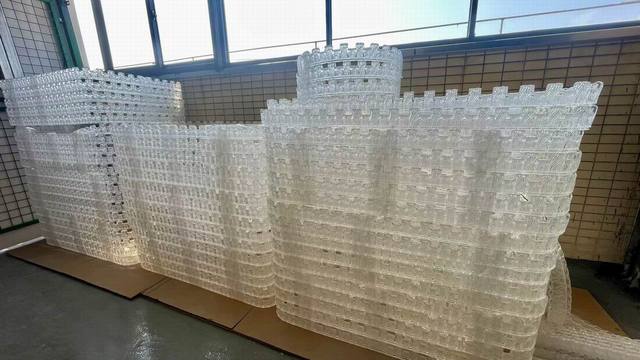
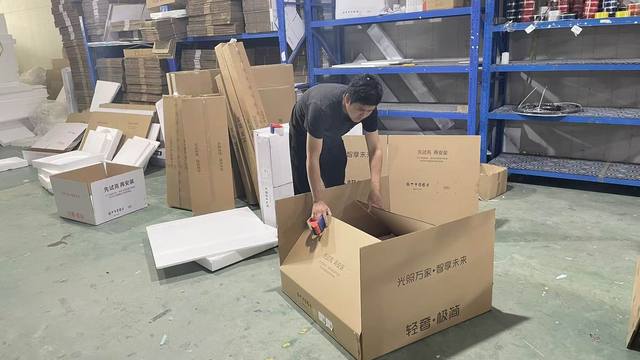
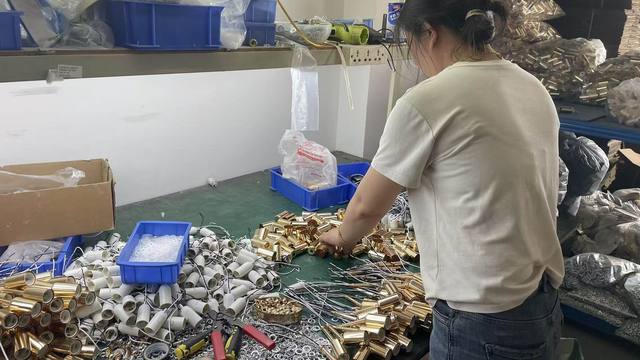
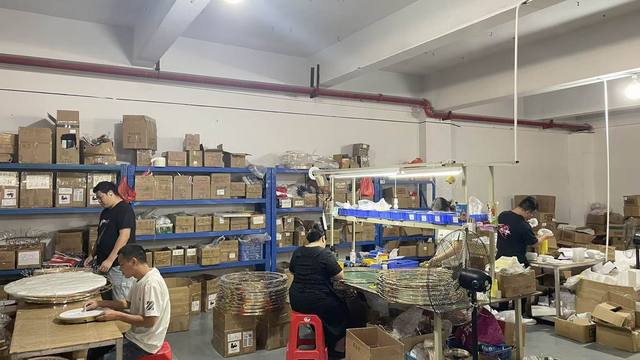
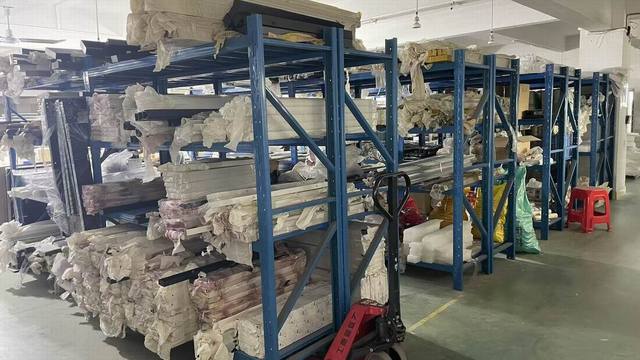
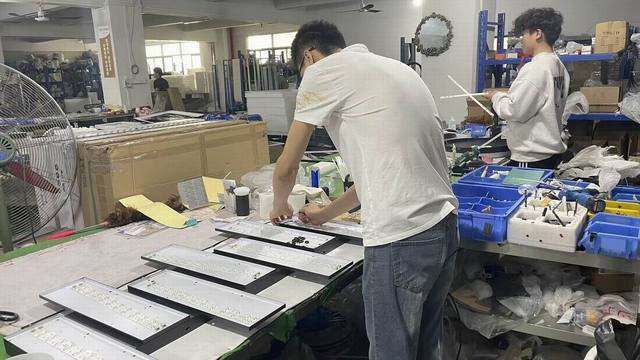
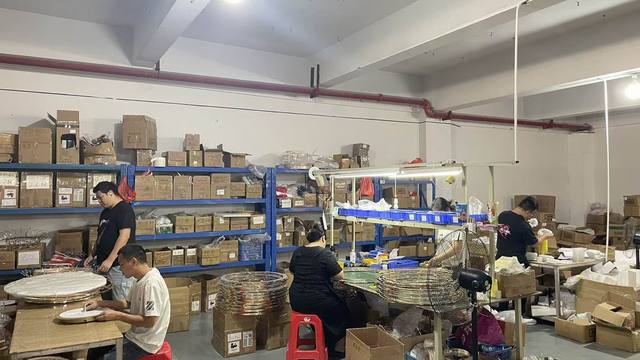
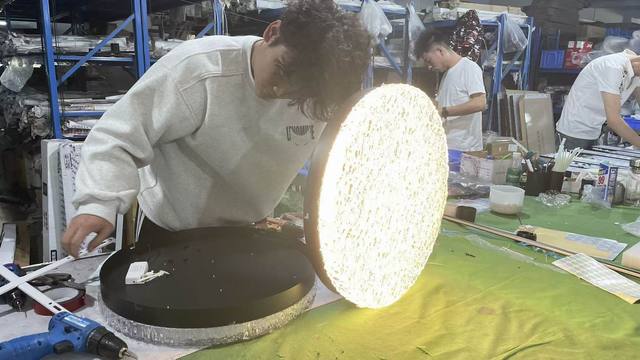
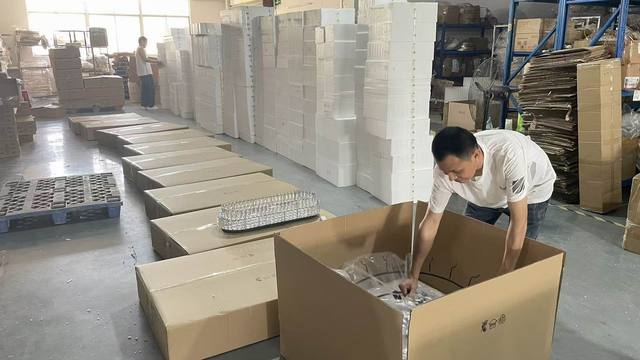
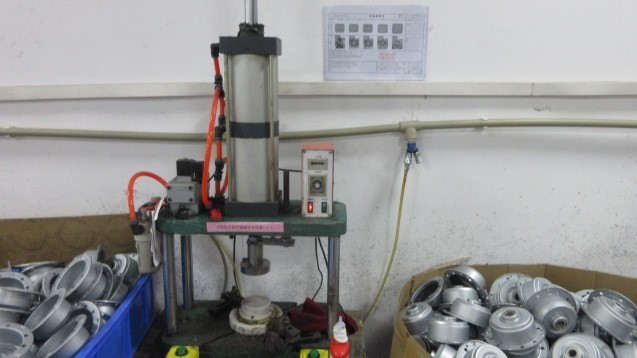
With a modern production facility covering more than 12,000 square meters and a workforce of over 180 skilled employees, Fanpro Light integrates product design, engineering, manufacturing, quality control, and international sales under one roof. The company operates multiple assembly lines and testing laboratories to ensure consistent product performance, durability, safety, and compliance with international standards.
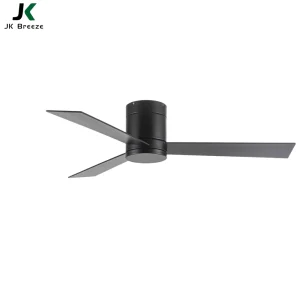
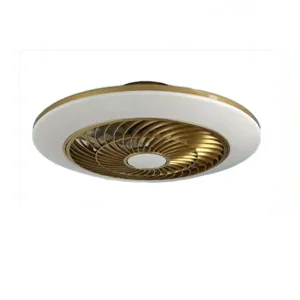
Fanpro Light offers a comprehensive range of ceiling fan solutions, including smart WiFi ceiling fans, DC motor ceiling fans, ceiling fans with LED lighting, low-profile ceiling fans, decorative ceiling fans, outdoor ceiling fans, and commercial air movement systems. The company continuously invests in motor technology, energy-saving innovations, and intelligent control systems to meet evolving market demands.
As an experienced OEM and ODM manufacturing partner, Fanpro Light supports customers worldwide with customized designs, private labeling, packaging solutions, and product development services. Its products are exported to North America, Europe, Australia, Southeast Asia, the Middle East, and other international markets.
Committed to quality, innovation, and long-term partnerships, Dongguan Fanpro Light Co., Ltd. strives to provide reliable ceiling fan products and flexible manufacturing solutions that help customers strengthen their competitiveness in the global marketplace.
Engineered solutions for residential comfort, commercial lobbies, and industrial warehouses in Southern Africa.
Expert engineering answers for importers, contractors, and project developers in Lesotho and Southern Africa.
Get in touch with our engineering team today to receive detailed technical specifications, wholesale pricing, and custom OEM/ODM solutions tailored for Lesotho.
Send Inquiry Now Fanpro Light