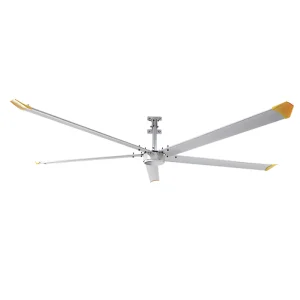
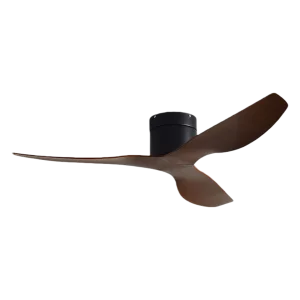
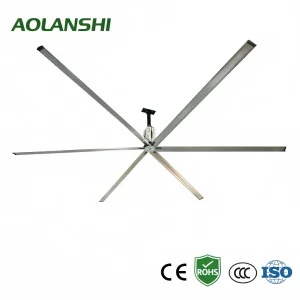
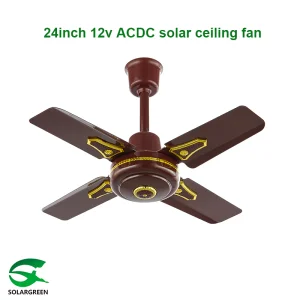
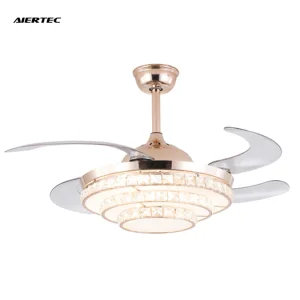
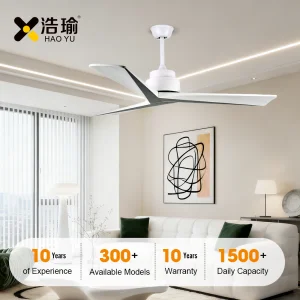
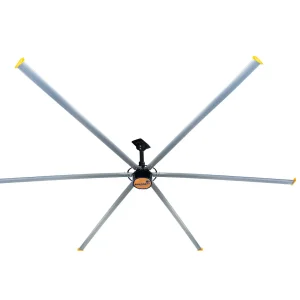
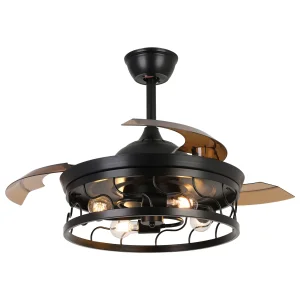
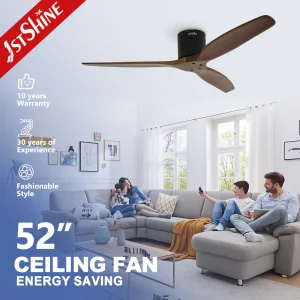
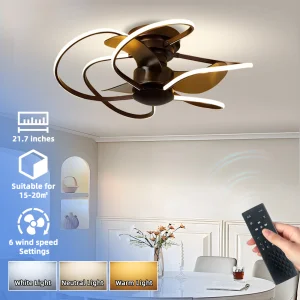
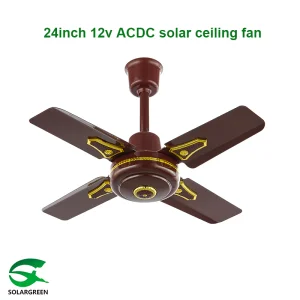
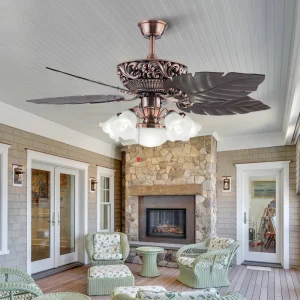
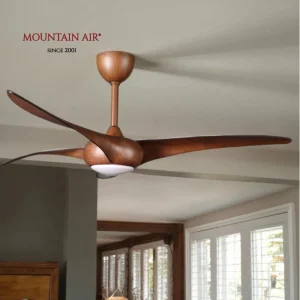
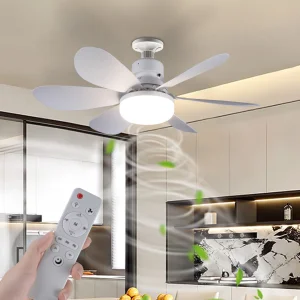
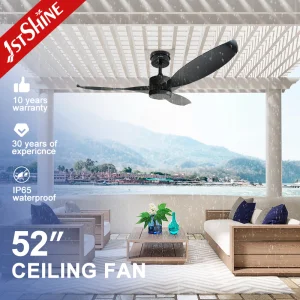
Modern commercial, industrial, and residential built environments are undergoing a massive transition. Traditionally, indoor climate design focused exclusively on two distinct pillars: air thermal regulation (HVAC systems) and localized air filtration (mobile or centralized HVAC HEPA units). Today, building engineers and procurement directors recognize the massive energy waste and mechanical inefficiencies inherent in separating these two functions.
Enter the Ceiling Fan with Filtration System (FFS)—a hybrid architectural solution that integrates high-capacity air purifiers (often combining HEPA, Activated Carbon, and UV-C disinfection modules) directly into the rotational chassis of ceiling-mounted air circulators. By utilizing the existing spatial dynamics of overhead fans, these integrated units leverage natural convective currents, moving filtered air downward to the breathing zone while extracting airborne pathogens, particulate matter (PM2.5, PM10), and volatile organic compounds (VOCs) at the source of circulation.
This industrial white paper provides procurement professionals, HVAC designers, and enterprise developers with an exhaustive look at the leading architectural designs, global supply chains, technological underpinnings, and market regulations that govern this emerging multi-billion-dollar HVAC auxiliary sector.
B2B buyers, global developers, and property managers are increasingly demanding dual-action air systems. Below is a macro analysis of how ceiling fans with filtration systems solve key infrastructural pain points across primary sectors:
High-occupancy multi-story offices suffer from "Sick Building Syndrome." Integrating HEPA-filtration fans actively sweeps VOCs, respiratory aerosols, and pollen out of individual micro-zones without adding bulky, space-consuming floor units or altering centralized ductwork.
Classrooms and outpatient clinics demand high Air Changes per Hour (ACH) rates. Over-ceiling filtration units combine massive destratification with localized MERV-13+ or H13 HEPA sanitization, significantly minimizing cross-infection risks among students and patients.
Garages and manufacturing plants are plagued by particulate dust, welding smoke, and machine emissions. HVLS (High-Volume Low-Speed) fans integrated with primary particulate mesh filters ensure continuous air cleansing while destratifying temperatures across vast high-ceiling zones.
From a capital expenditure (CAPEX) standpoint, integrating air filtration with ceiling fans delivers immense savings. Instead of paying separate contractors for air purification installation and ceiling fan wiring, contractors install a single integrated unit, utilizing a unified power drop, resulting in up to 35% installation savings and a dramatic reduction in operational carbon footprints.
Developing a robust, high-delivery ceiling fan with an integrated filtration stack requires meticulous thermodynamic and aerodynamic engineering. Manufacturers must resolve the physical paradox of air resistance: HEPA filters restrict airflow, yet ceiling fans rely on high air delivery volume to maintain their cooling and destratification effects.
Traditional AC motors run hot and lack the fine speed adjustments needed to pull air efficiently through restrictive filters. Modern high-end suppliers have shifted entirely to Reversible Brushless DC (BLDC) motors. These motors feature microprocessors that maintain consistent torque even as filter load increases, ensuring consistent clean clean air delivery rate (CADR) metrics. Furthermore, during winter months, the reversible motor direction pushes warm air accumulated at the ceiling downward without creating draft chills, minimizing HVAC heating cycles.
To maximize filter life and minimize replacement costs, premier manufacturers integrate multi-tier filtration cartridges:
When sourcing high-performance air circulation and filtration components globally, selecting an experienced manufacturing partner is paramount. Dongguan Fanpro Light Co., Ltd. is a professional ceiling fan manufacturer specializing in the design, development, and production of smart ceiling fans, DC motor ceiling fans, and energy-efficient air circulation solutions for residential, commercial, and hospitality applications. Established in 2012, the company is located in Dongguan, Guangdong, one of China's leading manufacturing hubs, providing convenient access to global logistics networks and supply chains.
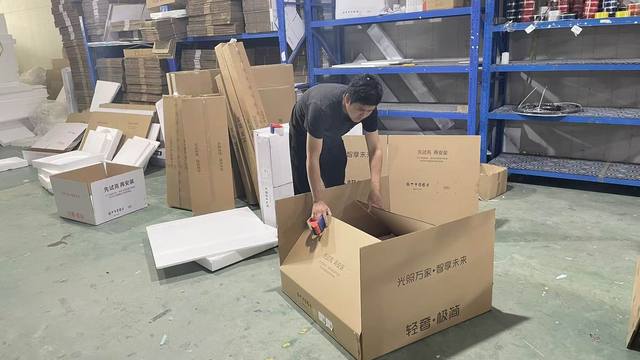
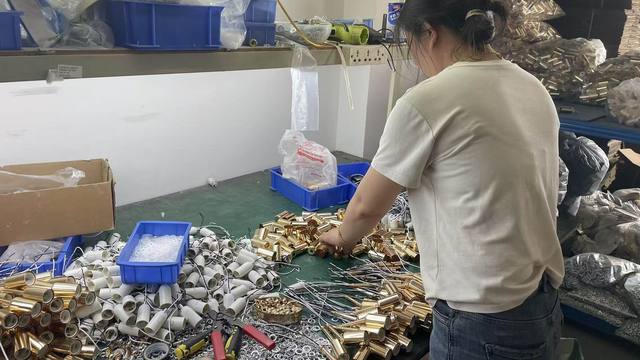
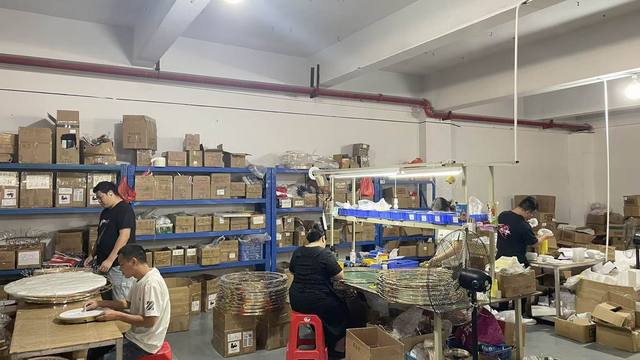
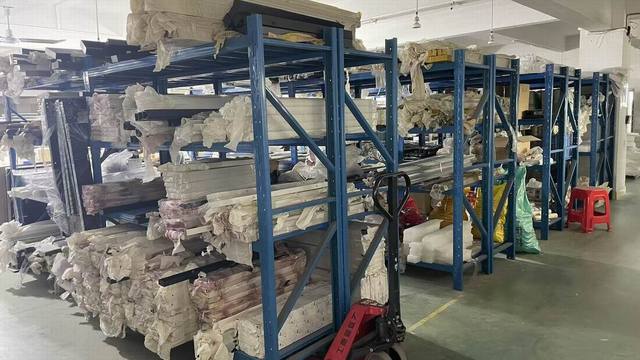
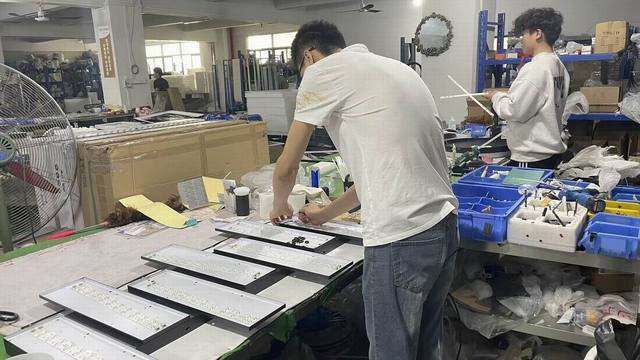
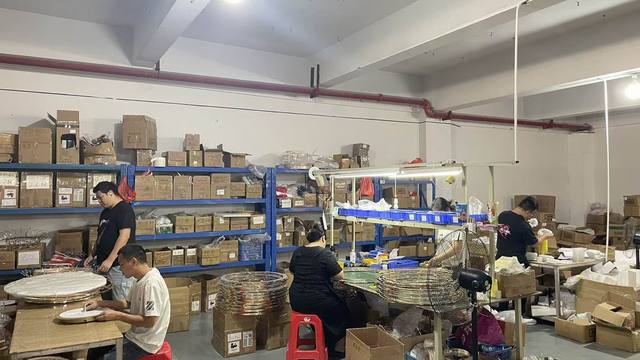
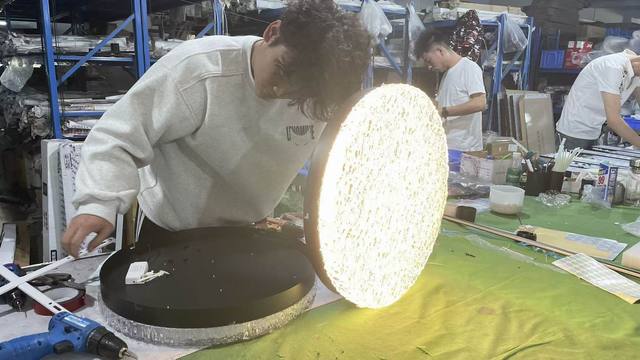
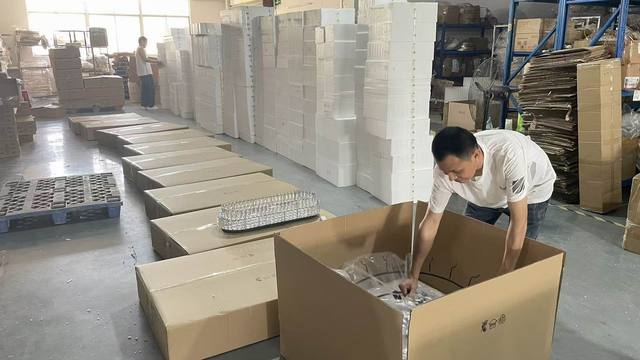
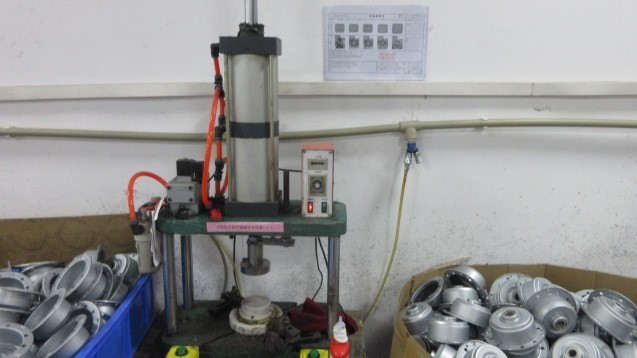
With a modern production facility covering more than 12,000 square meters and a workforce of over 180 skilled employees, Fanpro Light integrates product design, engineering, manufacturing, quality control, and international sales under one roof. The company operates multiple assembly lines and testing laboratories to ensure consistent product performance, durability, safety, and compliance with international standards.
Fanpro Light offers a comprehensive range of ceiling fan solutions, including smart WiFi ceiling fans, DC motor ceiling fans, ceiling fans with LED lighting, low-profile ceiling fans, decorative ceiling fans, outdoor ceiling fans, and commercial air movement systems. The company continuously invests in motor technology, energy-saving innovations, and intelligent control systems to meet evolving market demands.
As an experienced OEM and ODM manufacturing partner, Fanpro Light supports customers worldwide with customized designs, private labeling, packaging solutions, and product development services. Its products are exported to North America, Europe, Australia, Southeast Asia, the Middle East, and other international markets. Committed to quality, innovation, and long-term partnerships, Dongguan Fanpro Light Co., Ltd. strives to provide reliable ceiling fan products and flexible manufacturing solutions that help customers strengthen their competitiveness in the global marketplace.
Importing safety-critical mechanical electrical fixtures requires adhering to strict regional standards. Sourcing filtration ceiling fans from qualified OEM/ODM partners ensures that your projects sail smoothly through building inspector audits and customs controls. Below are the standard regulatory benchmarks:
Leading suppliers also provide comprehensive localization documentation. This includes localized wiring harnesses (e.g., dual-voltage 110V-120V for NA, 220V-240V for EU/Australia/APAC), remote-control frequencies (433MHz or RF variants conforming to FCC/CE regulations), and detailed instructional manuals in multiple languages to streamline field installations.
 Fanpro Light