Explore high-efficiency DC inverter and industrial air circulation models engineered for modern architectures.
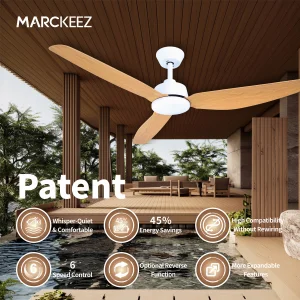
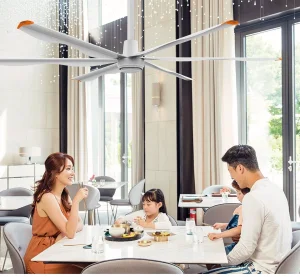
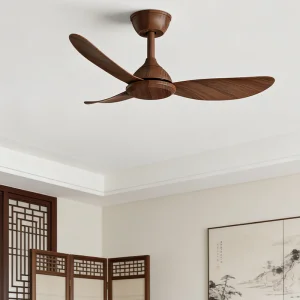
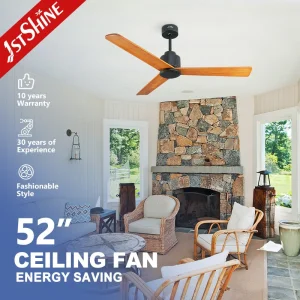
Understanding the transition to intelligent, high-efficiency, and smart integrated residential and industrial air circulation systems.
The global ceiling fan industry is undergoing a structural shift from AC induction motors to Brushless DC (BLDC) motors. Utilizing permanent magnets instead of electromagnetic copper windings for the rotor, BLDC motors reduce energy consumption by up to 70% compared to traditional models. This shift is highly accelerated by international environmental regulations, such as the EU Ecodesign directives and US DOE energy-conservation standards, prompting volume importers to exclusively request DC-powered solutions.
Remote control systems have evolved from simple Infrared (IR) hand-held devices to RF (Radio Frequency) and Smart IoT-enabled systems. Integration with Amazon Alexa, Google Assistant, Tuya, and Apple HomeKit via Wi-Fi or ZigBee protocol is now a core requirement for high-end residential and commercial developments. Users can automate fan speed based on ambient temperature sensors and humidity metrics, achieving optimal thermal comfort dynamically.
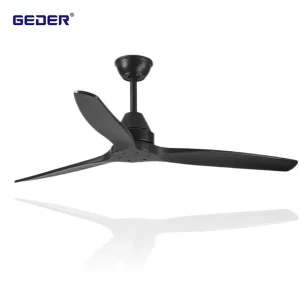
Advancements in computational fluid dynamics (CFD) have enabled manufacturers to design premium bionic fan blades utilizing ABS, aluminum alloy, and engineered solid wood. These blade profiles minimize aerodynamic drag and turbulence, delivering high volumetric flow rate (CFM) with minimal noise levels (<30 dB). Reduced operational noise is a non-negotiable metric in luxury hotels, educational classrooms, and smart workspaces.
Information Gain Insight: Modern OEM architectures now incorporate "Natural Wind Mode"—an algorithmic frequency fluctuation that simulates organic wind flow. This prevents the physiological fatigue associated with continuous directional drafts, satisfying the dynamic wellness requirements of modern smart buildings.
Key checkpoints for international distributors, wholesalers, and project developers looking to mitigate procurement risk.
Compliance is the barrier of entry in major economies. Importers must verify that the factories hold region-specific certifications such as ETL/UL for North America, CE/RoHS for the European Union, SAA for Oceania, and CB for global mutual recognition. Without these certifications, custom clearances are delayed, and legal liabilities increase. Smart controllers and motor drivers must also comply with EMC (Electromagnetic Compatibility) standards to prevent radio interference in automated environments.
High-quality manufacturers employ strict internal quality systems. The motor, being the core actuator of the ceiling fan, must undergo 100% full-load copper winding insulation testing, rotor dynamic balancing (complying with ISO 1940 standard), and high-voltage breakdown analysis. Premium manufacturers run aging chambers for electronic remote receivers to withstand power surges, fluctuations, and extreme thermal environments, targeting an operational failure rate of less than 0.15%.
A Case Study in Smart Manufacturing, OEM/ODM Integration, and Global Supply Chain Agility.
Established in 2012, Dongguan Fanpro Light Co., Ltd. is a professional ceiling fan manufacturer specializing in the design, development, and production of smart ceiling fans, DC motor ceiling fans, and energy-efficient air circulation solutions for residential, commercial, and hospitality applications. Located in Dongguan, Guangdong, one of China's leading manufacturing hubs, the enterprise benefits from convenient access to global logistics networks, raw material providers, and high-tech electronic component ecosystems.
“With a modern production facility covering more than 12,000 square meters and a workforce of over 180 skilled employees, Fanpro Light integrates product design, engineering, manufacturing, quality control, and international sales under one roof.”
Operating multiple automated assembly lines and dynamic balancing testing laboratories, the company guarantees consistent product performance, safety, and compliance with international standards. The company continuously invests in motor technology, energy-saving innovations, and intelligent control systems to meet evolving market demands.
As an experienced OEM and ODM manufacturing partner, Fanpro Light supports customers worldwide with customized designs, private labeling, custom packaging, and comprehensive product development services. Its products are widely exported to North America, Europe, Australia, Southeast Asia, the Middle East, and other international markets, offering robust supply chain resilience and reliable quality control.
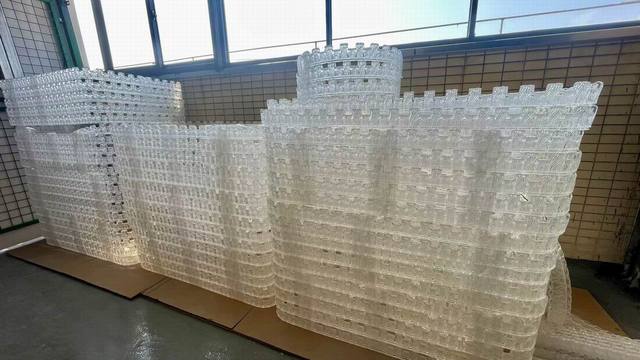
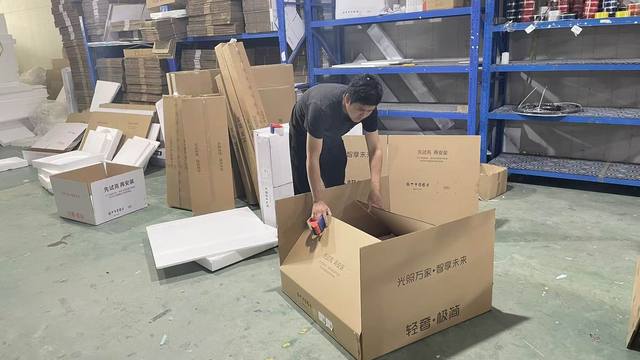
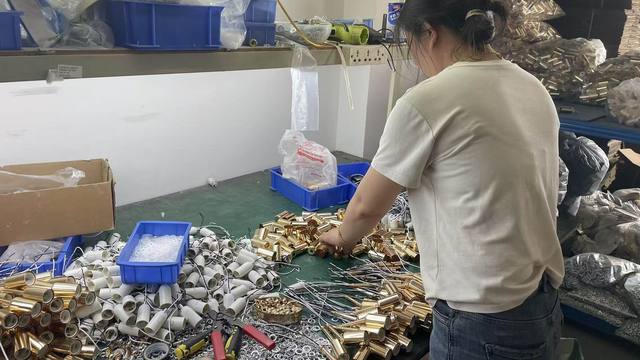
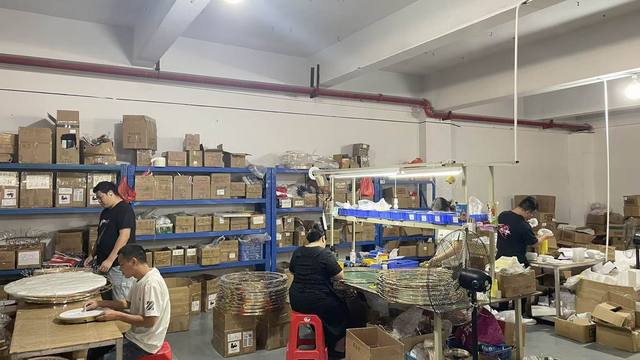
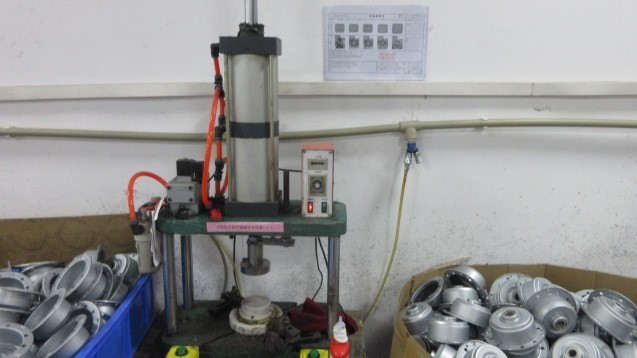
Inside the ISO-certified manufacturing facility of Dongguan Fanpro Light Co., Ltd.
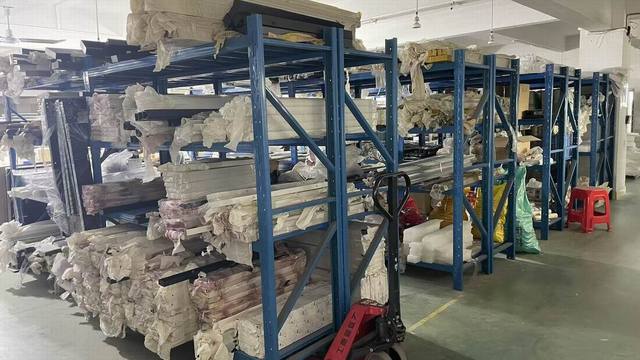
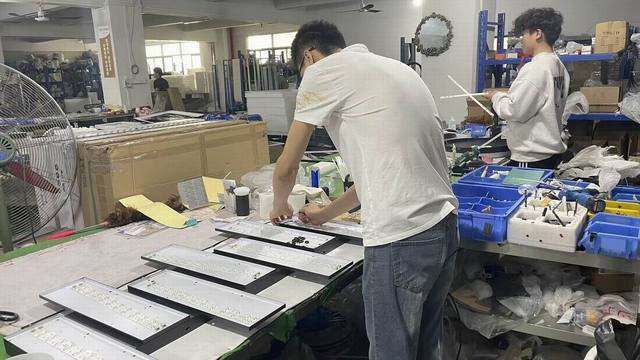
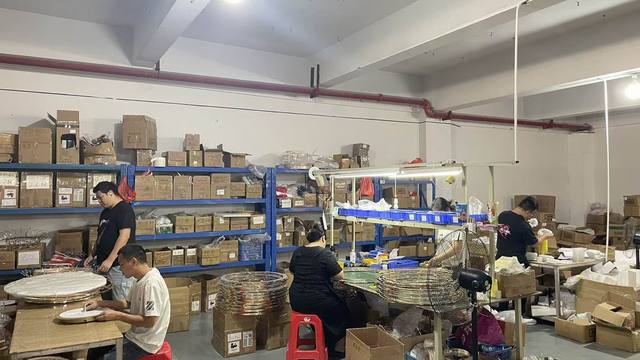
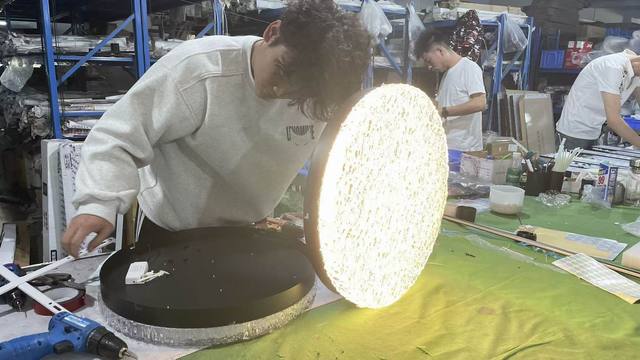

Selecting the optimal Remote Control Ceiling Fan architecture based on building volume, occupant load, and environmental demands.
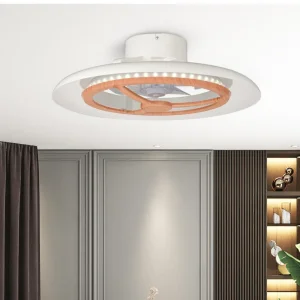
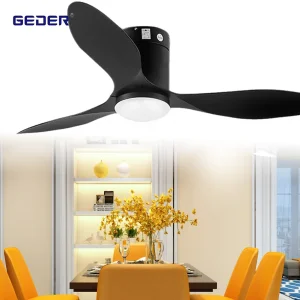
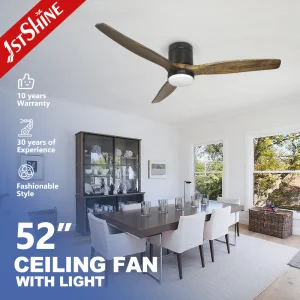
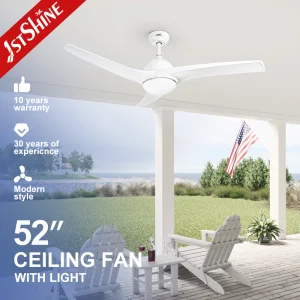
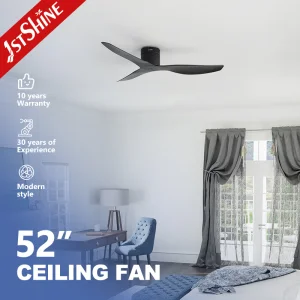
Smart low-profile, flush-mount DC fans with remote controllers and LED dimmers are ideal for modern homes, bedrooms, and boutique hotels. Reversible motors help circulate heat during winter and cool air during summer, optimizing HVAC operation and improving comfort. Integrated RGB lighting and app control allow hotels to create custom ambient scenes via centralized smart controllers.
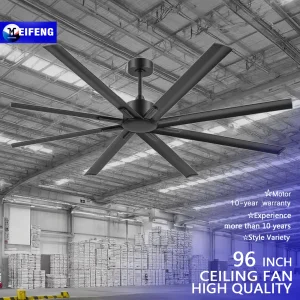
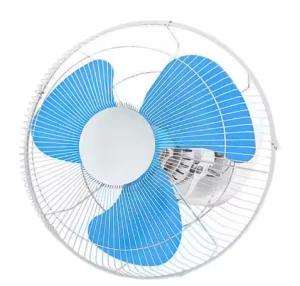
High-occupancy zones like commercial gyms require multi-voltage (220V/380V) ceiling fans that can sustain continuous operation without thermal overload. 96-inch or larger fans with dynamic balancing and 8 aluminum alloy blades generate strong airflow to disperse carbon dioxide and balance humidity levels. Remote and centralized group controllers allow facilities managers to easily run multiple units concurrently.
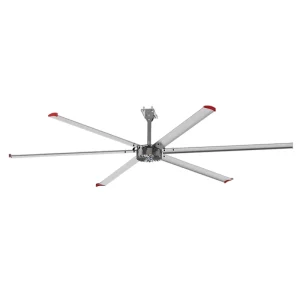
For large facilities with high ceilings, HVLS (High Volume Low Speed) fans up to 24FT are essential. Using heavy-duty geared or PMSM motors, they cover wide areas to prevent air stagnation, control dust, and maintain product stability. Remote speed controllers allow operators to adjust airflow based on varying weather conditions from ground level, improving workplace safety.
Our engineering experts resolve the most common questions asked by B2B buyers and structural engineers during project development.
BLDC motors operate via electronic commutation instead of physical carbon brushes, significantly reducing mechanical friction and heat generation. This results in up to 70% lower energy consumption, quieter operation (less than 30dB), and a longer operational lifespan (often exceeding 10 years). Additionally, BLDC motors support a wider range of speeds (typically 5 to 6 speeds) and reversible operation via remote control.
Infrared (IR) control is a line-of-sight technology with a range of up to 5 meters. Radio Frequency (RF) control operates at 433MHz, does not require line-of-sight, and can control fans through walls up to 15 meters away. Smart App control utilizes Wi-Fi, ZigBee, or Bluetooth, allowing users to control the fan globally via cloud services, set schedules, and integrate with voice assistants like Alexa or Google Assistant.
Fan wobble is caused by uneven weight distribution across the blades or minor deviations in blade pitch. During assembly, factories run the motor on a computerized dynamic balancing test bench. If imbalance is detected, micro-counterweights are applied, and blade weight tolerances are kept under 0.5 grams. This balancing reduces strain on the motor bearings, prevents wobbling, and maintains quiet operation.
Premium DC ceiling fans feature wide-voltage motor drivers (e.g., 85V-265V AC input) with built-in over-voltage and over-current protection. The integrated switch-mode power supply (SMPS) converts fluctuating AC current into stable DC power, protecting the motor coils from overheating and extending the product's lifespan in regions with electrical grid instability.
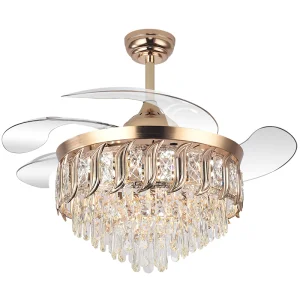
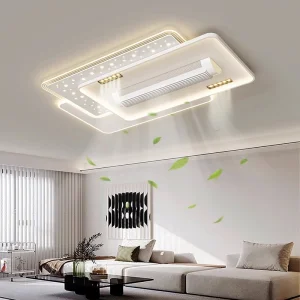
Advanced low-profile design, decorative crystals, and specialty application systems.
 Fanpro Light