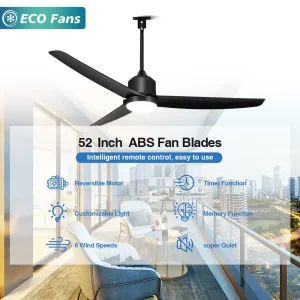
Direct from factory sourcing solutions featuring advanced Brushless DC Motors (BLDC), aerodynamic blades, and smart integration.
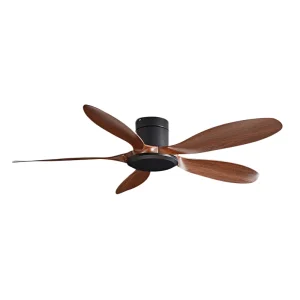
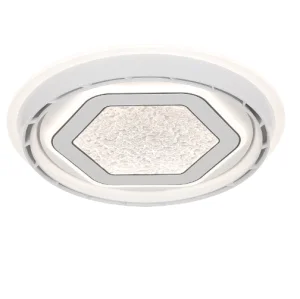
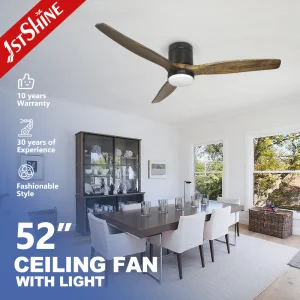
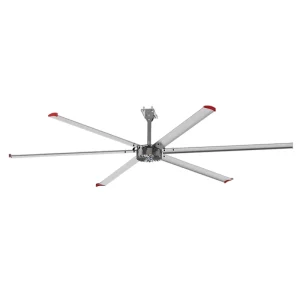
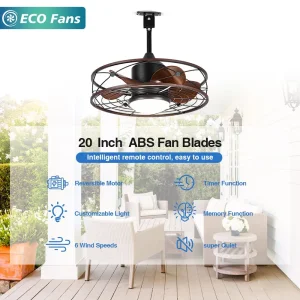
An engineering breakdown of decibel levels, fluid dynamics, and motor efficiency in high-performance ceiling fans.
Modern commercial and residential environments demand strict acoustic compliance. Traditional AC-motor fans suffer from electromagnetic hum, mechanical resonance, and wind-cutting turbulent noise. To deliver truly quiet running ceiling fans (below 35dB), leading Chinese manufacturers utilize sophisticated computational fluid dynamics (CFD) and Brushless DC (BLDC) motor engineering.
Unlike square-wave switching, sinusoidal FOC (Field Oriented Control) drives the motor smoothly, removing the electrical magnetic click and hum at low speeds.
Engineered blade profiles feature customized angle attacks and winglet designs that minimize trailing edge vortices, maximizing laminar airflow.
By integrating damping rubbers, precise dynamic balancing instruments, and dual-shielded ball bearings, motor shaft vibrations are isolated from the housing structure.
| Motor Type | Typical Noise Level (dB) | Power Efficiency Ratio | Lifespan (Hours) | Control Type |
|---|---|---|---|---|
| Standard AC Induction Motor | 45 - 55 dB | 40% - 50% | 15,000 hrs | Multi-tap transformer / Wall switch |
| Advanced BLDC (Brushless DC) | < 30 dB (Quiet Running) | 80% - 90% | > 50,000 hrs | Field-Oriented Control (FOC) / Smart App |
| Permanent Magnet HVLS Motor | 35 - 42 dB | 85% - 92% | 60,000 hrs | Variable Frequency Drive (VFD) |
Analyzing key requirements from international architects, HVAC specialists, and bulk B2B procurement agencies.
Corporate procurement criteria for air movement systems have evolved. Global developers and LEED-certification (Leadership in Energy and Environmental Design) consultants prioritize systems that minimize energy overheads while operating without acoustic disruption.
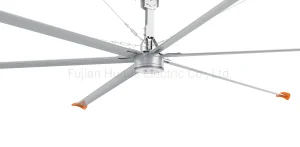
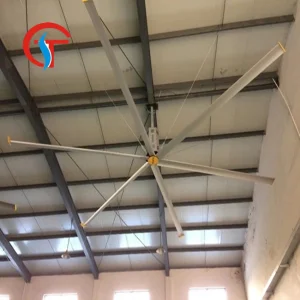
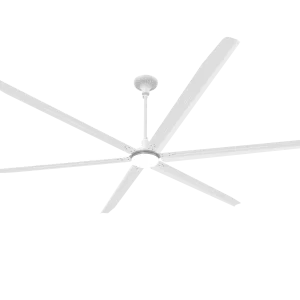
In North American and European markets, procurement focuses heavily on compliance, smart building integration, and lifecycle maintenance cost. For hospitality sectors, like luxury resorts and premium hotels, quiet running ceiling fans with solid wood blades are requested for their natural look and low decibel profile. On the other hand, industrial hubs demand heavy-duty, high-volume low-speed (HVLS) fans to handle wide floor plans while keeping operations under occupational safety noise thresholds.
How quiet running fan systems lower the global thermal control footprint and align with green building mandates.
Heating, ventilation, and air conditioning (HVAC) systems account for approximately 40% of the total energy footprint in commercial structures. Quiet running fans present a cost-effective, decentralized way to offset HVAC strain.
By utilizing destratification concepts—mixing thermal layers in winter and promoting natural evaporative cooling in summer—modern ceiling fans allow facility operators to adjust thermostat setpoints by up to 3°C to 5°C. This shift can save up to 15% on monthly HVAC utility expenses. The integration of waterproof outdoor fans in commercial patios, dining spaces, and logistics bays ensures stable operations under diverse ambient conditions without creating sound pollution.
The convergence of smart home integrations, IoT, eco-friendly materials, and predictive maintenance technologies.
A structural comparison of residential architectural desires vs commercial heavy-duty cooling requirements.
Different regions and facility types require tailored structural configurations. Understanding the variations in mechanical design is essential for securing long-term performance and efficiency.
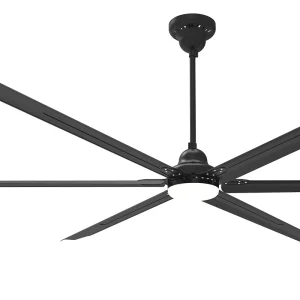
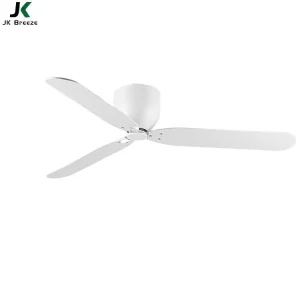
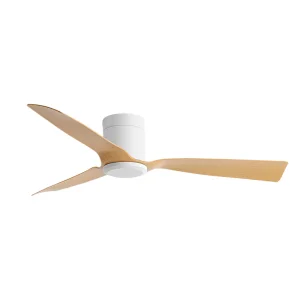
For instance, residential spaces emphasize aesthetic design, low-profile flush mounts, and integrated LED lighting systems with warm color temperatures. However, commercial warehouses, processing yards, and sports complexes require heavy-duty, high-performance ceiling fans. These units require structural durability, corrosion resistance, and robust mechanical support to handle continuous operation in challenging environments.
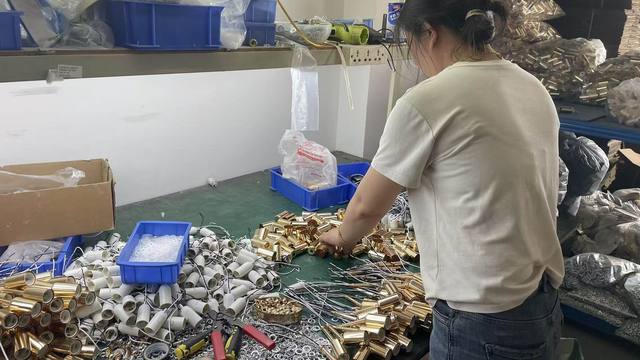
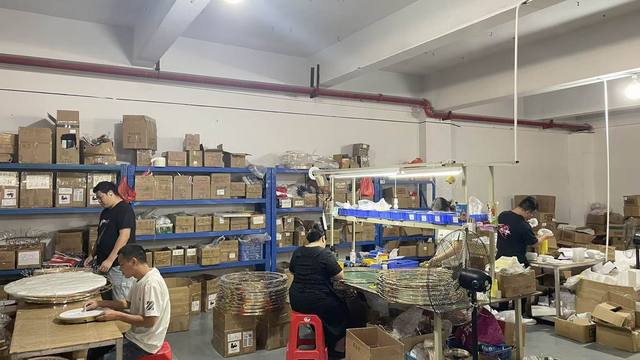
Dongguan Fanpro Light Co., Ltd. is a professional ceiling fan manufacturer specializing in the design, development, and production of smart ceiling fans, DC motor ceiling fans, and energy-efficient air circulation solutions for residential, commercial, and hospitality applications. Established in 2012, the company is located in Dongguan, Guangdong, one of China's leading manufacturing hubs, providing convenient access to global logistics networks and supply chains.
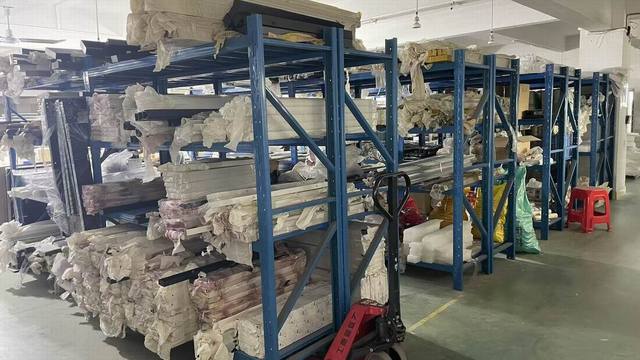
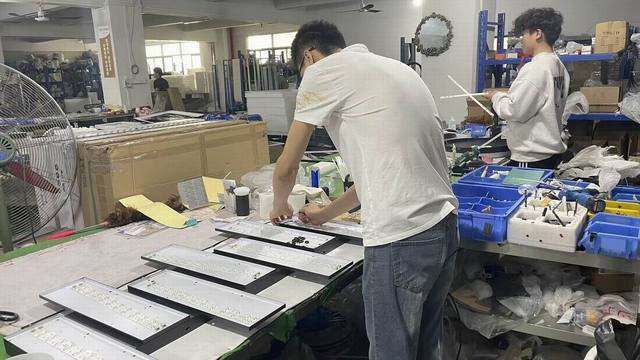
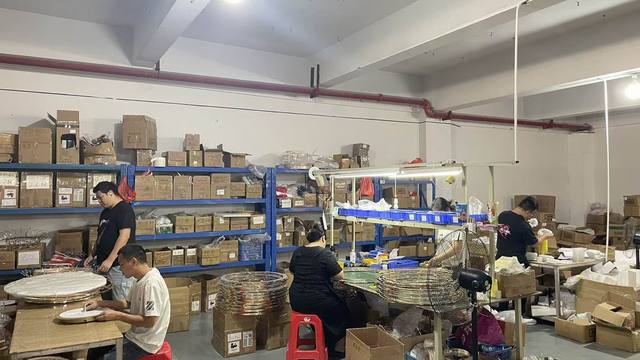
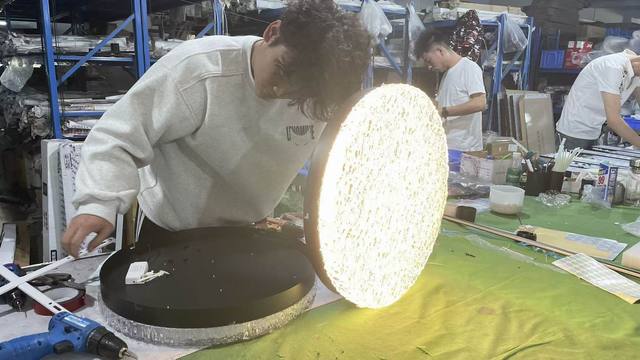
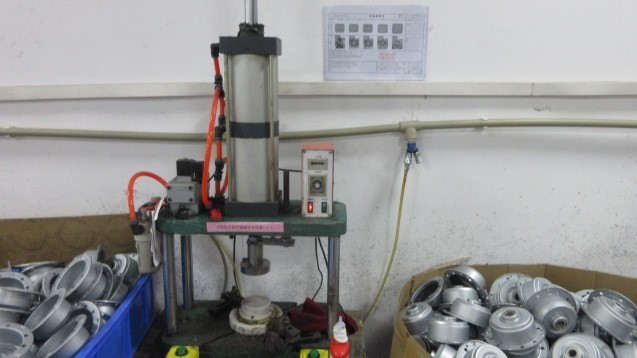
With a modern production facility covering more than 12,000 square meters and a workforce of over 180 skilled employees, Fanpro Light integrates product design, engineering, manufacturing, quality control, and international sales under one roof. The company operates multiple assembly lines and testing laboratories to ensure consistent product performance, durability, safety, and compliance with international standards.
Fanpro Light offers a comprehensive range of ceiling fan solutions, including smart WiFi ceiling fans, DC motor ceiling fans, ceiling fans with LED lighting, low-profile ceiling fans, decorative ceiling fans, outdoor ceiling fans, and commercial air movement systems. The company continuously invests in motor technology, energy-saving innovations, and intelligent control systems to meet evolving market demands.
As an experienced OEM and ODM manufacturing partner, Fanpro Light supports customers worldwide with customized designs, private labeling, packaging solutions, and product development services. Its products are exported to North America, Europe, Australia, Southeast Asia, the Middle East, and other international markets. Committed to quality, innovation, and long-term partnerships, Dongguan Fanpro Light Co., Ltd. strives to provide reliable ceiling fan products and flexible manufacturing solutions that help customers strengthen their competitiveness in the global marketplace.
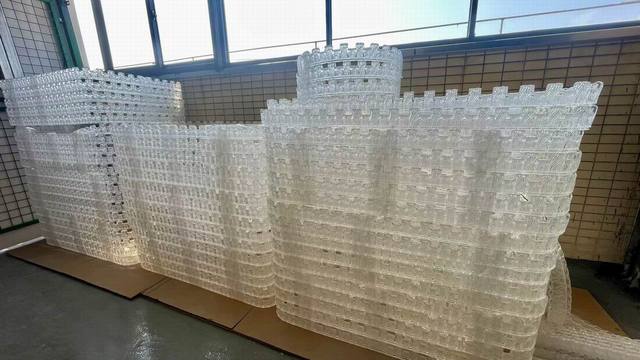
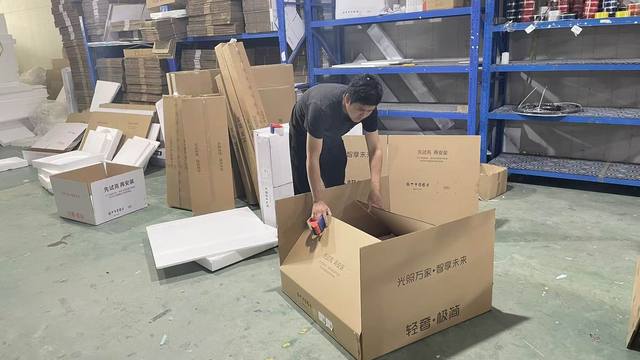

Aligning manufacturing lines to international directives for safety, sustainability, and regional voltage settings.
Entering high-profile markets demands strict alignment with national and regional certifications. As an expert OEM/ODM supplier, Dongguan Fanpro Light Co., Ltd. manages a series of validation programs to cover target markets.
Key standards include UL (Underwriters Laboratories) and ETL certifications for North America, ensuring structural integrity under UL 507 guidelines. For the European Economic Area, products carry CE and RoHS marks, certifying electromagnetic compatibility and hazardous substance restrictions. In addition, meeting SAA standards for Oceania and ensuring variable voltage configurations (such as 110V/60Hz and 220V/50Hz) guarantees smooth integration into any residential, commercial, or hospitality electrical grid worldwide.
Critical answers for B2B sourcing agents, project coordinators, and technical buyers looking to buy from China.
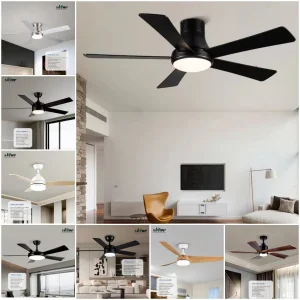
Further options for luxury wood finishes, heavy-duty industrial HVLS systems, and low-profile smart ceiling fans.
 Fanpro Light