Engineered to withstand equatorial humidity and optimize high-ceiling structures in key industrial sectors.
An Industrial Analysis of Aerodynamic Efficiency, Energy Mitigation, and Climate Adaptability for Modern South American Facilities.
Brazil represents one of the most complex thermodynamic environments in South America. Stretching from the equatorial heat of the Amazon basin to the humid subtropical conditions of the Southern region (Paraná, Santa Catarina, Rio Grande do Sul), managing indoor air quality and thermal comfort in large-scale structures is a critical operating challenge.
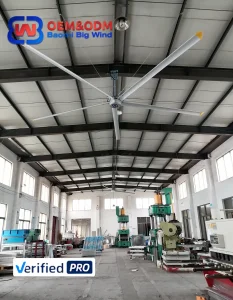
Industrial warehouses, automotive plants, logistics hubs (such as those in Cajamar and Campinas), and agricultural depots in Mato Grosso suffer from severe heat buildup under high-level solar radiation. Traditional HVAC systems require immense energy expenditure, particularly in light of Brazil's volatile electricity tariff flags (Bandeiras Tarifárias set by ANEEL). During peak dry seasons, electricity rates can surge dramatically, rendering standard air conditioning economically unviable for spaces larger than 1,000 square meters. HVLS (High-Volume, Low-Speed) ceiling fans offer a highly efficient alternative, providing a cooling effect of up to 5-8°C with a fraction of the electricity draw.
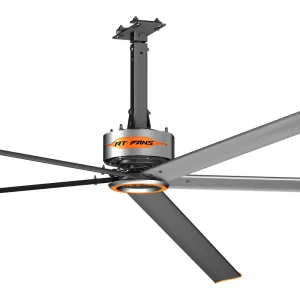
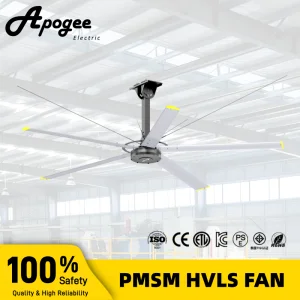
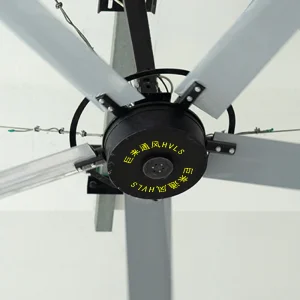
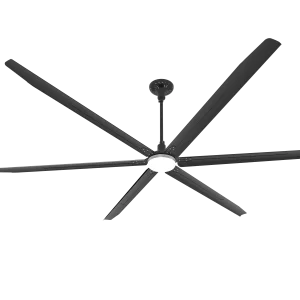
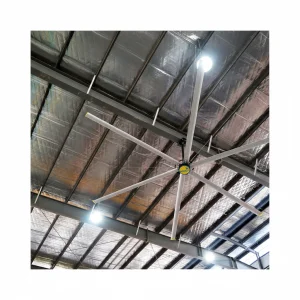
HVLS fans do not rely on high air velocity to achieve cool environments. Instead, they leverage aerodynamic principles derived from aircraft wing design. When a large-diameter fan (up to 7.3 meters or 24 feet) rotates slowly, it produces a massive column of air that descends vertically. Upon hitting the floor, this air column projects outward radially in a 360-degree direction, forming a "horizontal floor jet" that covers vast areas before moving upward to complete the convection cycle.
This massive volume of slow-moving air (typically between 1.0 and 1.5 m/s) disrupts the stagnant boundary layer of moisture surrounding human skin, facilitating natural evaporative cooling without causing discomfort or paper-blowing air turbulence. In agricultural silos and warehouses, this constant, gentle circulation prevents the formation of condensation and thermal stratification, securing raw materials and machinery from rust and mold.
Our HVLS systems are engineered to achieve high-performance indexes under ASHRAE Standard 55 guidelines, managing the Predicted Mean Vote (PMV) and Predicted Percentage of Dissatisfied (PPD) parameters. In high humidity environments like Northern Brazil, maintaining a wind speed of 1.2 m/s helps maintain acceptable thermal comfort ranges even when ambient temperatures exceed 30°C.
The global HVLS landscape has evolved from traditional geared configurations to Direct-Drive Permanent Magnet Synchronous Motors (PMSM).
We manufacture both PMSM direct-drive and advanced gear-reduction HVLS setups, allowing Brazilian industrial engineers to choose the optimal mechanical architecture for their specific structural layout and financial considerations.
From Southern industrial corridors to Northern logistics networks, discover how HVLS optimizes specific operations.
In areas like Mato Grosso, Goiás, and Paraná, grain silos are susceptible to internal heat accumulation, which degrades crop quality and increases pest activity. HVLS fans keep ambient air dry, eliminating moisture pockets that cause grain spoilage, ensuring stable storage environments for soybean, corn, and coffee export batches.
For the automotive manufacturing clusters in the ABC Paulista and Paraná, welding and casting processes generate high latent heat loads. HVLS fans actively displace fumes, mitigate indoor heat islands, and provide cooling for workers, raising labor productivity and safety.
As major e-commerce hubs grow in the state of São Paulo, warehouses demand continuous airflow to maintain parcel and packaging integrity. HVLS installations reduce condensation on packaging, protect critical electrical equipment, and lower thermal discomfort for staff.
Navigating NR-10, NR-12, and ABNT Structural Standards for Seamless On-Site Installations.
Importing large industrial machinery into Brazil requires strict adherence to regulatory standards. Safety is our top priority, and our HVLS fan units are designed to align with Brazil's strict workplace health and safety protocols:
Under NR-12 guidelines, all moving parts must have safety guardrails or fail-safe mechanisms to prevent accidents. Our fans are built with:
Our electrical enclosures, Variable Frequency Drives (typically utilizing high-grade Yaskawa or Danfoss components), and wiring harnesses conform to NR-10 guidelines. These systems include overload, short-circuit, over-voltage, and under-voltage protection, ensuring high reliability under unstable voltage profiles.
As a global exporter, we supply comprehensive custom support documentation for Brazil, including NCM (Nomenclatura Comum do Mercosul) coding, technical datasheets, and calculation certificates. We assist importers in securing smooth customs clearance and managing local logistics directly to job sites.
Global Manufacturing Facilities, High-Standard Quality Control, and Specialized OEM/ODM Capacities.
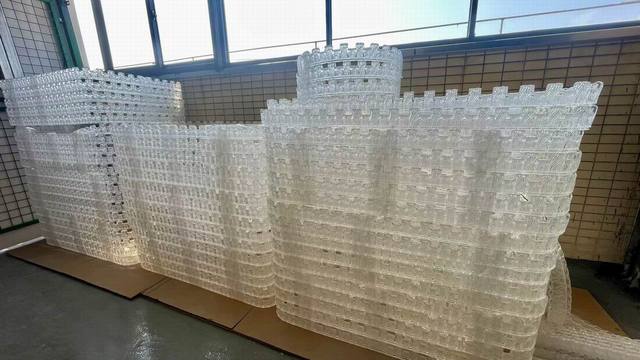
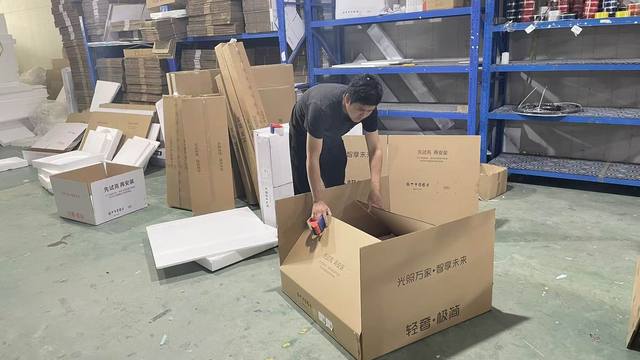
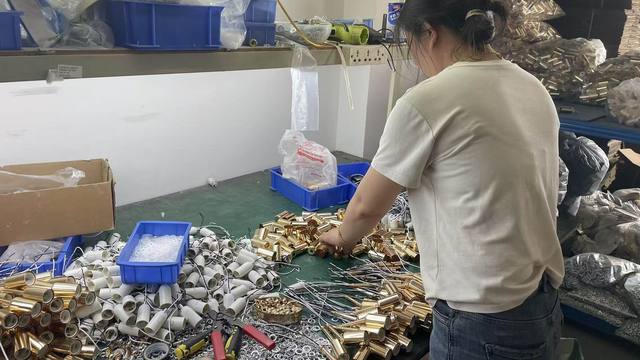
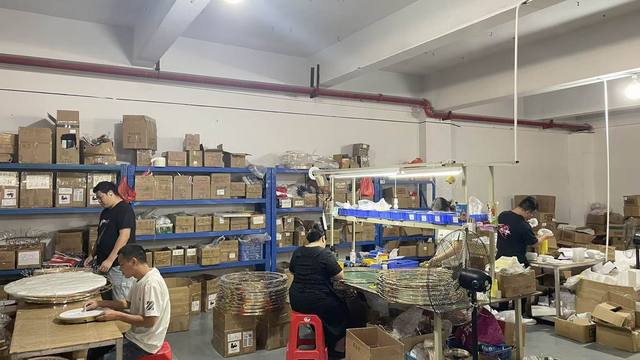
Dongguan Fanpro Light Co., Ltd. is a professional ceiling fan manufacturer specializing in the design, development, and production of smart ceiling fans, DC motor ceiling fans, and energy-efficient air circulation solutions for residential, commercial, and hospitality applications. Established in 2012, the company is located in Dongguan, Guangdong, one of China's leading manufacturing hubs, providing convenient access to global logistics networks and supply chains.
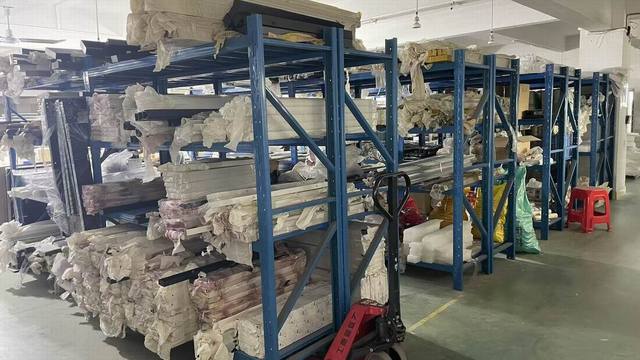
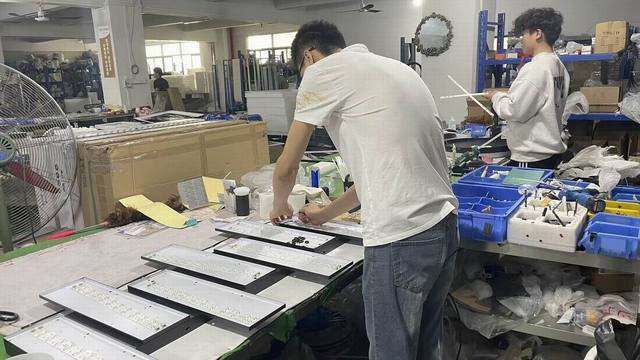
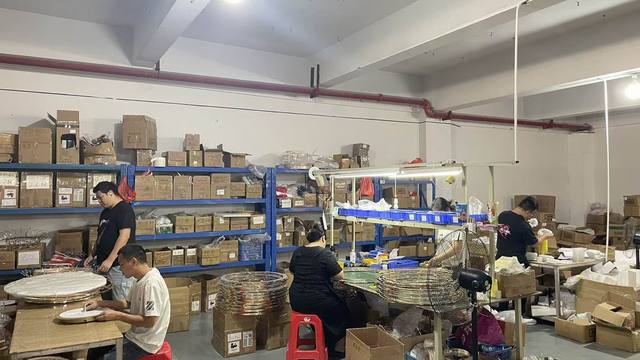
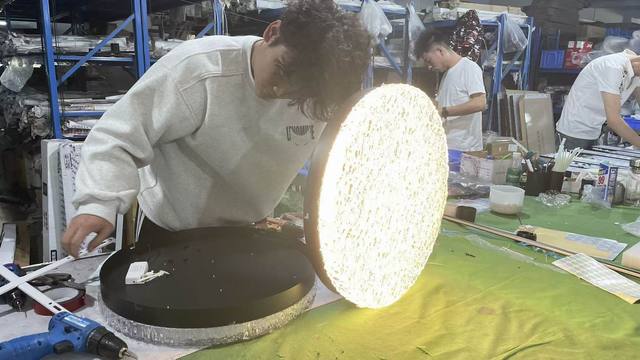
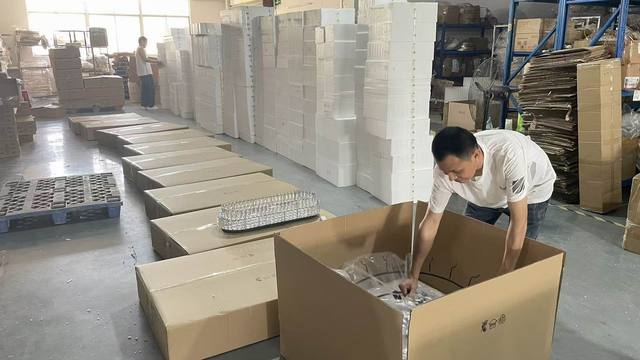
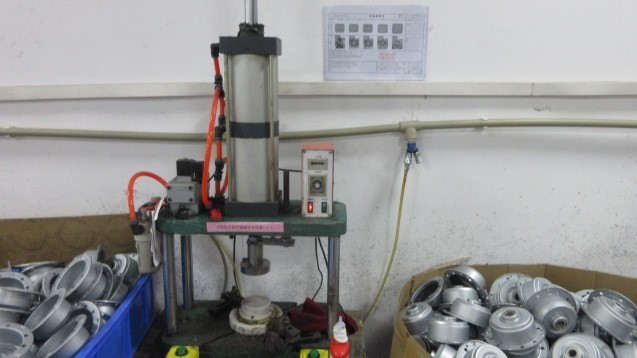
With a modern production facility covering more than 12,000 square meters and a workforce of over 180 skilled employees, Fanpro Light integrates product design, engineering, manufacturing, quality control, and international sales under one roof. The company operates multiple assembly lines and testing laboratories to ensure consistent product performance, durability, safety, and compliance with international standards.
Fanpro Light offers a comprehensive range of ceiling fan solutions, including smart WiFi ceiling fans, DC motor ceiling fans, ceiling fans with LED lighting, low-profile ceiling fans, decorative ceiling fans, outdoor ceiling fans, and commercial air movement systems. The company continuously invests in motor technology, energy-saving innovations, and intelligent control systems to meet evolving market demands.
As an experienced OEM and ODM manufacturing partner, Fanpro Light supports customers worldwide with customized designs, private labeling, packaging solutions, and product development services. Its products are exported to North America, Europe, Australia, Southeast Asia, the Middle East, and other international markets.
Committed to quality, innovation, and long-term partnerships, Dongguan Fanpro Light Co., Ltd. strives to provide reliable ceiling fan products and flexible manufacturing solutions that help customers strengthen their competitiveness in the global marketplace.
Innovations Driving the Next Generation of Smart Air-Circulation Architectures.
As industrial engineering moves toward automated control logic and predictive operations (Industry 4.0), HVLS cooling must integrate seamlessly into building management systems (BMS). Our technical roadmap outlines several key developmental areas:
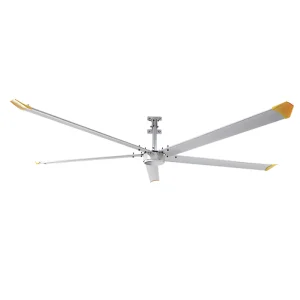
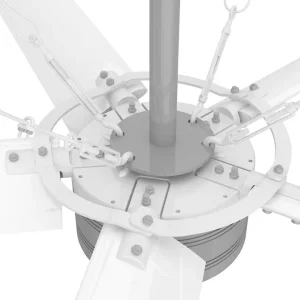
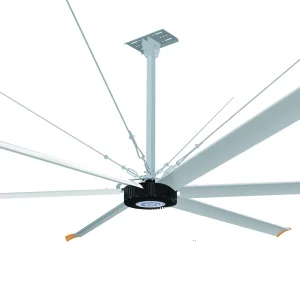
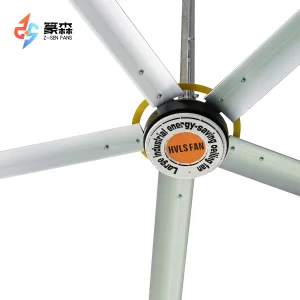
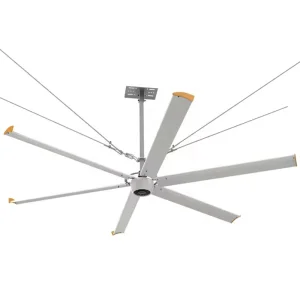
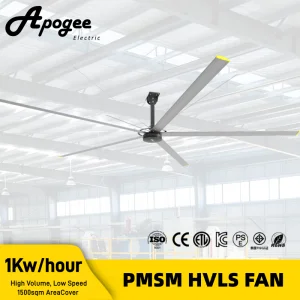
Select from our complete range of specialized commercial and industrial HVLS fan platforms.
Comprehensive guide to assist engineering, operations, and procurement management.
 Fanpro Light