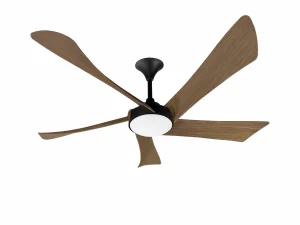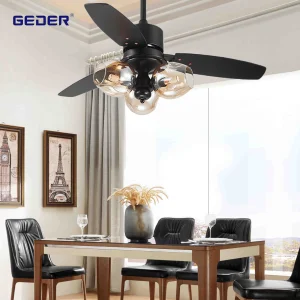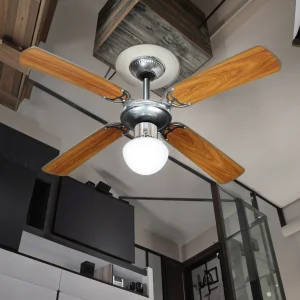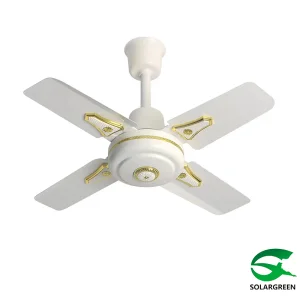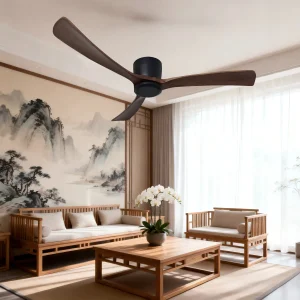
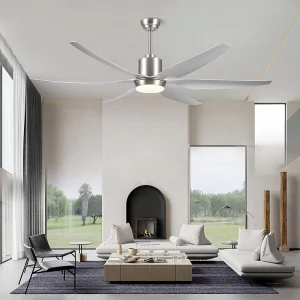
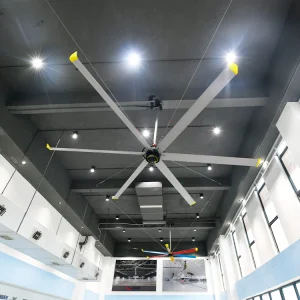
In modern structural design, spatial optimization has transitioned from an architectural luxury to a core design constraint. The integration of high-performance ventilation systems within constrained spaces—specifically those characterized by low slab-to-floor heights, dropped ceilings, and compact micro-environments—demands a departure from conventional fan geometries. Small profile ceiling fans (frequently categorized as low-profile, hugger, or flush-mount fans) have emerged as a critical engineering solution. They address the dual imperatives of high-velocity air displacement and spatial conservation, ensuring compliance with strict building safety regulations such as the Americans with Disabilities Act (ADA) and equivalent international clearance standards.
Historically, small profile designs suffered from mechanical concessions. Early iterations yielded restricted volumetric flow rates (CFM) due to localized air pockets and high turbulence coefficients when blades operated in proximity to the ceiling plane. Modern engineering has resolved these bottlenecks by redesigning the aerodynamic profile of the blades, integrating high-torque Brushless Direct Current (BLDC) motors, and utilizing advanced computational fluid dynamics (CFD) to maximize boundary-layer air movement.
Overcoming "ceiling choke" by optimizing blade pitch angles between 14° and 18°, forcing air downward rather than recycling static air pocket currents.
Utilizing rare-earth permanent magnets to achieve maximum torque in motors with a chassis profile height of under 50mm.
Integrating multi-point elastomeric damping systems directly within the mounting canopy to prevent harmonic vibration transfer to drywall panels.
In low-clearance residential and commercial environments, the thermal stratification layer is typically closer to human occupants. A traditional down-rod ceiling fan in this scenario fails to establish a functional convective loop. Instead, it generates localized turbulence that can cause discomfort. Small profile ceiling fans engineered by specialized OEMs address this by creating a broader, gentler column of air. This design promotes a uniform thermal profile across the room, reducing the load on secondary HVAC compressors and improving system efficiency.
Global procurement teams in the real estate, hospitality, and construction sectors face tightening energy codes and space constraints. In regions like Western Europe and North America, strict limits on energy usage per square meter require every fixture to meet high efficiency standards. Energy Star certifications in the US and ErP Directives in Europe require the deployment of high-efficacy ceiling fans.
For large-scale projects like multi-family residential complexes or hotels, buying ventilation fixtures involves looking at more than just unit cost. Key factors include warranty protection, reliability, and maintenance overheads. B2B buyers prefer DC motor options because they reduce power consumption by up to 70% compared to traditional AC motors. This energy savings, combined with a longer operational life, makes DC motors the standard for commercial projects.
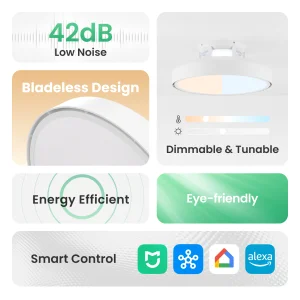
Furthermore, modern smart buildings require seamless integration with Building Management Systems (BMS). Procurement specifications increasingly mandate Tuya, Zigbee, or Wi-Fi smart control protocols built into the fan assembly. This allows building managers to automate climate control cycles based on real-time occupancy data.
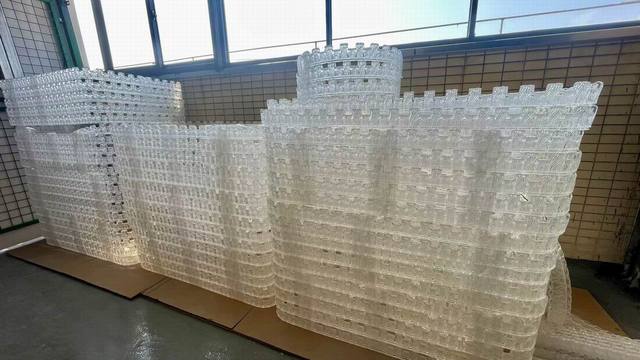
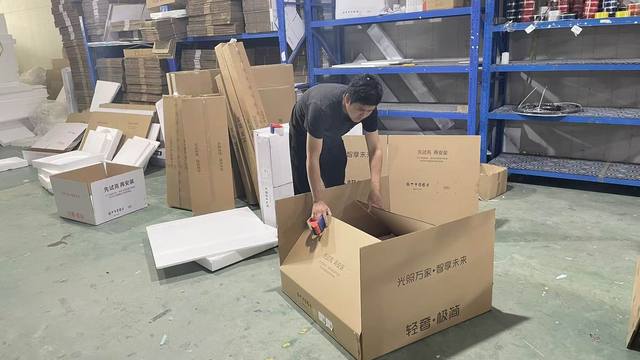
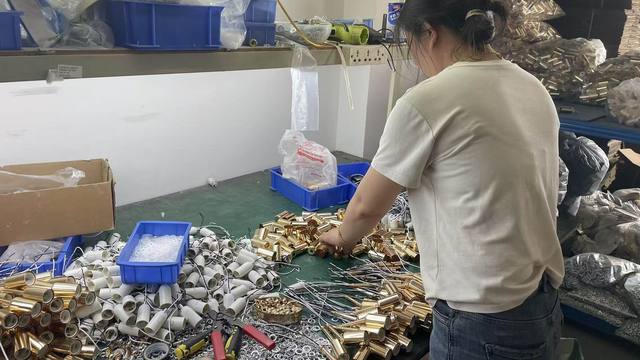
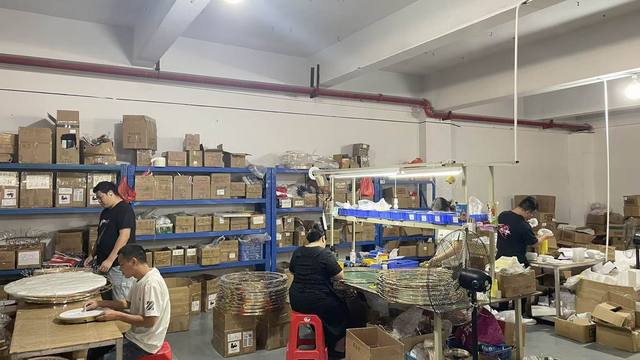
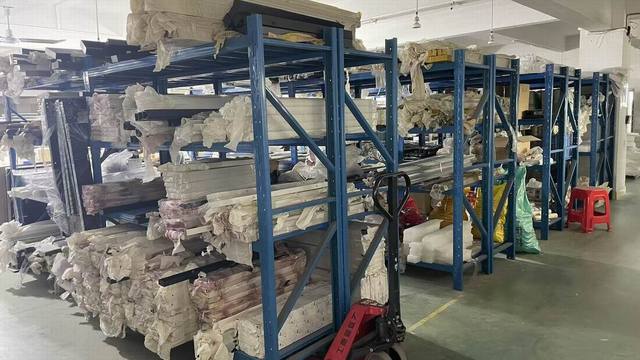
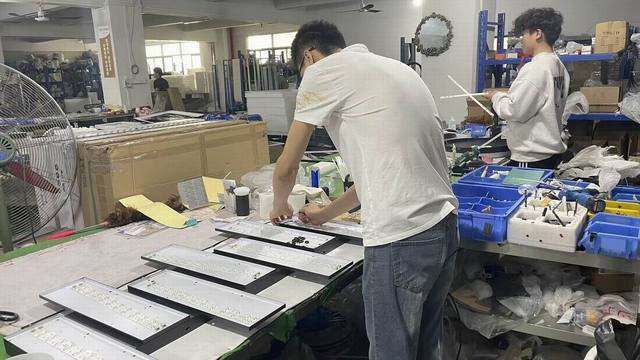
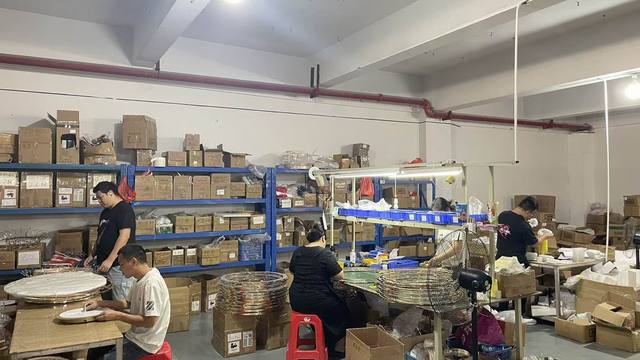
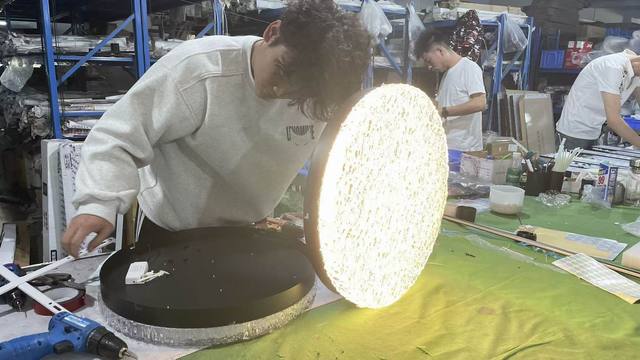
To meet these demanding global standards, manufacturers must move beyond traditional assembly lines and adopt Factory 4.0 paradigms. Situated in Dongguan, China’s premier advanced manufacturing corridor, Dongguan Fanpro Light Co., Ltd. operates a modern facility covering over 12,000 square meters. The plant integrates key production steps—from motor coil winding and static balance testing to automated dynamic testing—into a single managed workflow.
Quality control at this scale requires specialized test laboratories. Each production run undergoes testing for motor insulation resistance, high-voltage endurance, structural integrity, and acoustic signature profiles in specialized sound-deadening chambers. By maintaining complete control over both hardware fabrication and electronic control systems, Fanpro Light maintains high reliability and short manufacturing lead times.
This level of vertical integration is essential for reliable OEM/ODM partnerships. Whether client specifications require custom motor casings, modified blade profiles, or specialized mounting adapters, Fanpro’s engineering team can quickly modify production tooling. This flexibility helps minimize development overheads and shortens time-to-market.
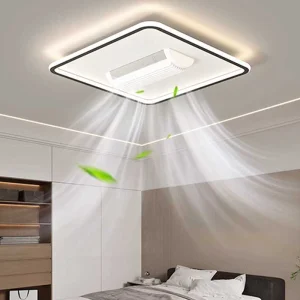
Air circulation needs vary across different architectural environments. Below is a layout of standard application scenarios where small profile ceiling fans provide performance advantages over traditional systems:
Requires quiet operation and low clearances. Integrating LED lights with dimming capabilities helps hospitality brands improve room comfort and styling.
For urban developments with ceilings under 8 feet, flush-mount fans provide safety, save vertical space, and supply reliable cooling.
Helps distribute air evenly in classrooms and offices, reducing HVAC energy demands and keeping air fresh in shared spaces.
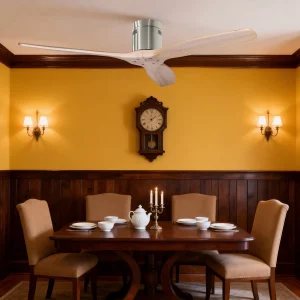
By using a variety of materials—such as solid wood blades for high-end residential look or durable injection-molded polymers for humid environments—we make sure each fan matches its installation site's functional and aesthetic needs.

 Fanpro Light