Premium HVLS solutions optimized for thermal destratification and humidity balancing in high-ceiling facilities throughout New England.
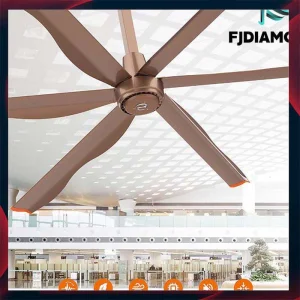
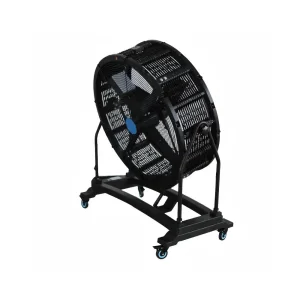
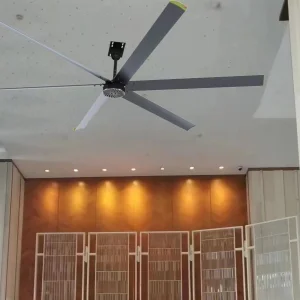
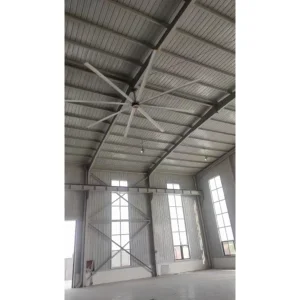
Greater Boston is a unique macro-climate territory designated under ASHRAE Climate Zone 5A. Characterized by freezing, high-humidity winters and warm, stagnant summer conditions, the demand placed on commercial and institutional heating, ventilation, and air conditioning (HVAC) systems is immense. Modern commercial complexes, transit hubs, life-sciences labs, and historical masonry conversions (such as those in Boston's Fort Point and Seaport Districts) face severe challenges with thermal stratification.
Thermal stratification causes warm air generated by central heating plants to rise to high ceilings, forming a temperature gradient that can exceed 15°F (8.3°C) from floor to ceiling. This physical reality leads to excessive heating plant cycling, increased energy expenditure, and poor indoor thermal comfort. Modern High-Volume Low-Speed (HVLS) fans solve this dynamic. Moving columns of air slowly, they break the ceiling thermal boundary layers and drive warm air down to occupied levels—reducing energy consumption by up to 30% during winter heating periods.
Additionally, Boston's Building Energy Reporting and Disclosure Ordinance (BERDO 2.0) mandates aggressive decarbonization schedules. Facility managers can no longer rely on fossil-fuel heating systems operating at maximum output. Implementing direct-drive, Permanent Magnet Synchronous Motor (PMSM) technology provides the requisite air movement with negligible electrical footprints (often below 1.5 kW at peak output), aligning directly with local utility demand-reduction programs and Mass Save incentive qualifications.
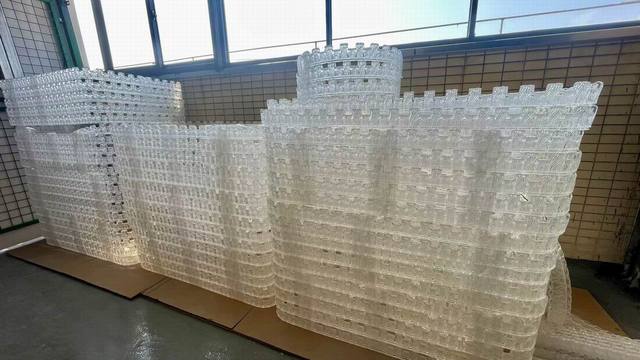
Why permanent magnet motors are rapidly replacing mechanical gearboxes in high-spec commercial developments.
By utilizing high-coercivity NdFeB (Neodymium Iron Boron) permanent magnets on the rotor, direct-drive PMSM motors eliminate the traditional copper windings on the rotor. This eradicates secondary rotor electrical losses, maintaining high torque densities and high energy conversion rates even at low rotational speeds (below 50 RPM).
Traditional gearboxes create high-frequency mechanical gear mesh hum. Under silent academic protocols (such as libraries or auditoriums in Boston's university systems), this hum is unacceptable. PMSM direct-drive units remove all physical gearing, achieving running decibel ratings below 38 dB(A), keeping structural noise to an absolute minimum.
Standard gearboxes require routine lubricant changes and represent structural leak risks. In pristine environments like high-tech research cleanrooms and food processing warehouses, any fluid leakage presents a biohazard. PMSM units run completely dry, removing any chance of product or environmental contamination.
Tailoring large-scale commercial air movement to New England's specific building typologies and zoning standards.

Boston-Cambridge is the world's preeminent life sciences hub. Pharmaceutical warehouses, chemical storage units, and device distribution facilities must keep air conditions within tight tolerances. HVLS ceiling fans establish constant macro-environmental air circulation, preventing moisture build-up and cold air pockets, ensuring medical stock complies with strict FDA and regional storage guidelines.
Converting brick-and-beam industrial structures in Boston's South End or North End into commercial offices and public spaces presents unique heating challenges. Because ductwork cannot be easily installed without damaging historical integrity, large PMSM ceiling fans present a non-invasive, low-profile alternative to distribute heat uniformly, keeping draft levels to an absolute minimum.
With dozens of university systems, Boston's student recreational centers, field houses, and libraries present large indoor spaces. Integrating smart commercial fans allows facility teams to cool active zones without creating structural vibration or noise. During winter, running fans at 10-15% reverse speed prevents heat buildup in vaulted ceilings, significantly reducing fuel usage.
Operating near Boston Logan Airport and the Port of Boston demands heavy-duty machinery resistant to salt air corrosion. Our marine-grade anodized aluminum fan blades and epoxy-coated motor housings withstand coastal humidity, securing dependable ventilation in demanding transport hubs.
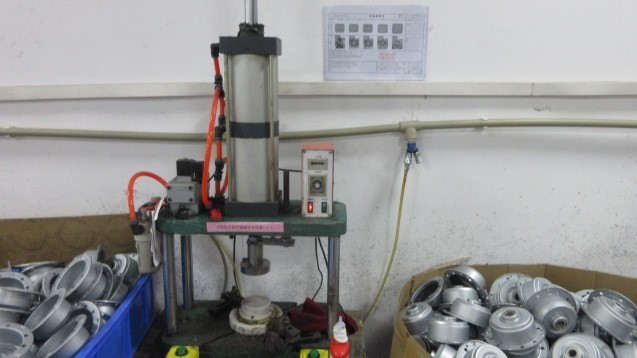
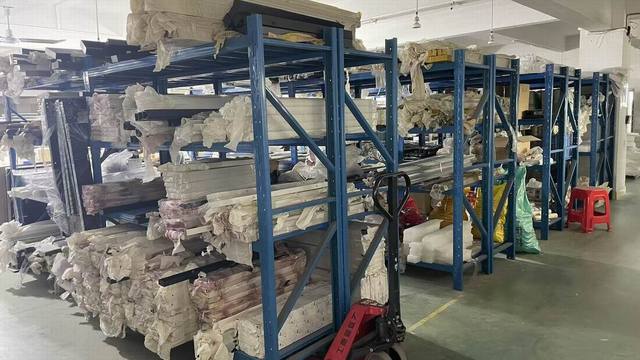
Established in 2012, Dongguan Fanpro Light Co., Ltd. is a leading manufacturer specializing in smart ceiling fans, high-efficiency DC motor units, and large-scale industrial air movement solutions. Our 12,000-square-meter facility in Dongguan, Guangdong, connects us directly to the world's most robust industrial component clusters and logistics networks.
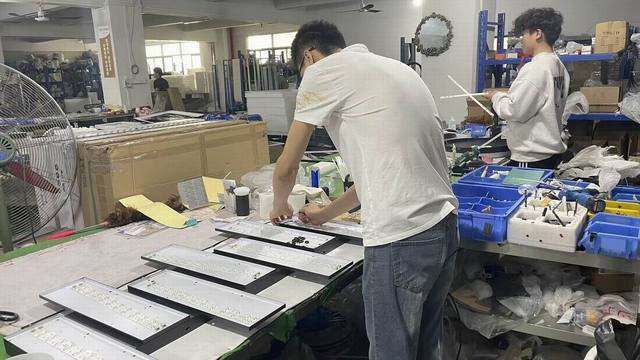
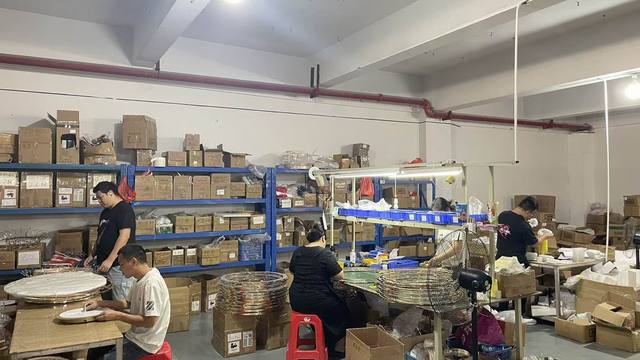
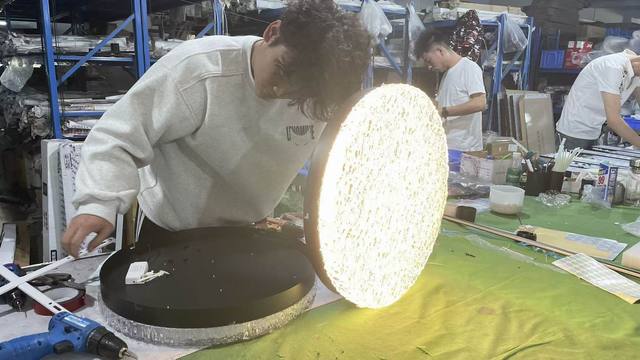
By housing design, motor winding, precision die casting, CNC machining, electrical compliance testing, and international export under one roof, we guarantee exceptional quality control and rapid prototyping capabilities. Our team of 180+ skilled specialists runs multiple assembly lines that adhere to ISO 9001 quality guidelines, ensuring every system performs reliably in the field.
For engineering firms and mechanical contractors in Massachusetts, working with Fanpro Light combines the advantages of direct-factory cost efficiency with customized engineering capabilities. We provide custom shaft extensions, specialized mounting systems for historic timber frames, custom color finishes, and tailored control setups to meet diverse architectural demands.
Ensuring full alignment with North American structural, mechanical, and safety standards.
All industrial and commercial units meet UL 507 and CSA C22.2 No. 113 requirements, certifying they are safe for high-duty institutional use in the United States and Canada.
Our air circulation designs are engineered to satisfy ASHRAE Standard 55, allowing buildings to maintain higher summer thermostats while keeping occupants comfortable through cooling air velocities.
Engineered with dual-cable wire safety systems, structural universal mounts, and grade-8 shear hardware to withstand structural loads and meet strict local building code requirements.

Modern building operation requires more than simple manual switches. High-performance facilities demand systems that respond to changing environmental variables dynamically. Our development roadmap integrates smart, connected technologies to ensure commercial spaces stay efficient:
A comprehensive range of air circulation systems tailored for warehouses, retail venues, fitness complexes, and industrial plants.
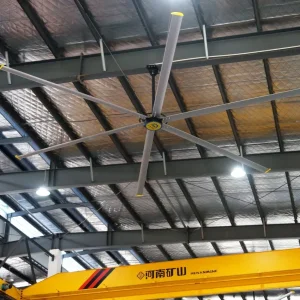
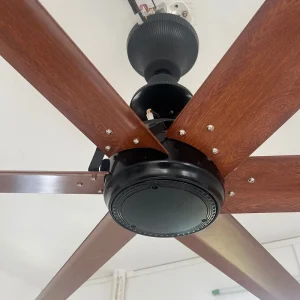
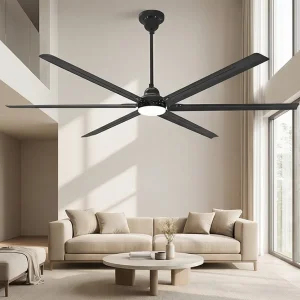
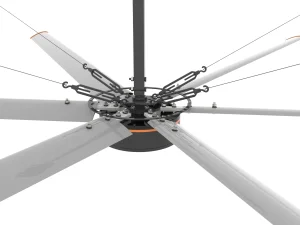
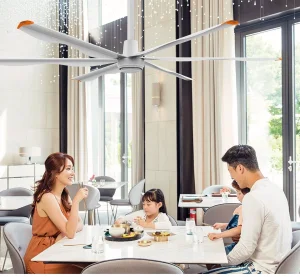
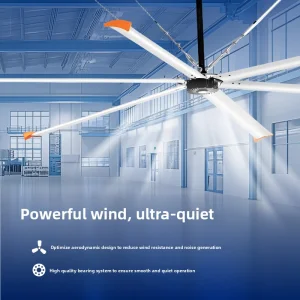
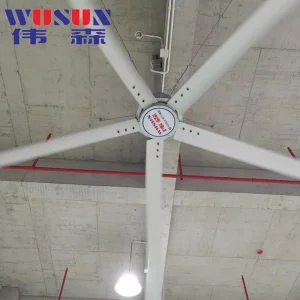
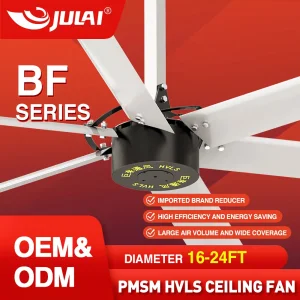
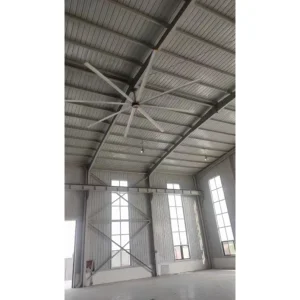
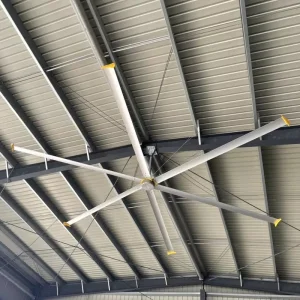
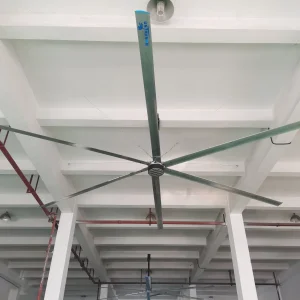
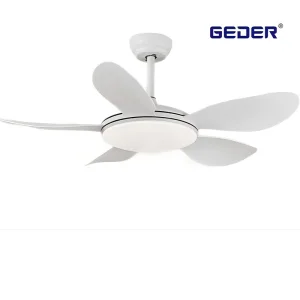
Key information regarding specification, structural integration, and energy performance metrics.
During winter, hot air naturally pools at high ceilings, forcing HVAC systems to run longer to keep floor-level spaces warm. Running HVLS fans in reverse at low speeds (10–15% capacity) pushes this warm air down without creating draft currents. This process, known as destratification, can lower heating energy consumption by 20% to 30%.
PMSM (Permanent Magnet Synchronous Motor) designs are direct-drive, meaning they run without a traditional mechanical gearbox. This design eliminates gear friction losses, reduces operating noise to under 38 dB(A), and removes the need for routine oil maintenance—crucial for food processing and quiet public spaces.
Our systems include variable frequency drives (VFDs) and smart controllers that support standard communication protocols like Modbus and BACnet. This allows facility operators to monitor motor parameters and schedule runs dynamically based on real-time temperature differentials.
Prior to installation, structural engineers should verify the mounting structure can support both the static weight of the fan and the dynamic torque forces during start-up. In addition, there must be a minimum safety clearance of 3-4 feet from the blade tip to any surrounding structures or sprinklers.
Partner with Dongguan Fanpro Light Co., Ltd. for customizable OEM/ODM ceiling fan systems. Let our engineers design a tailored solution for your Greater Boston facility.
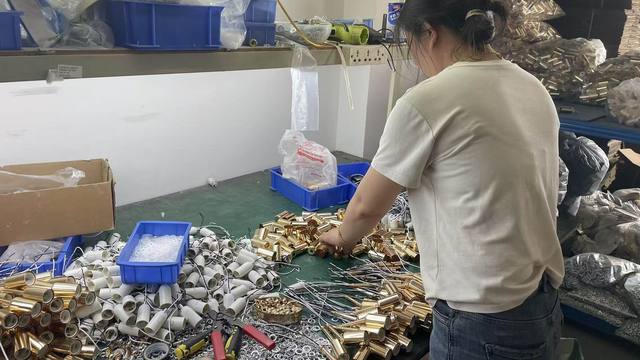
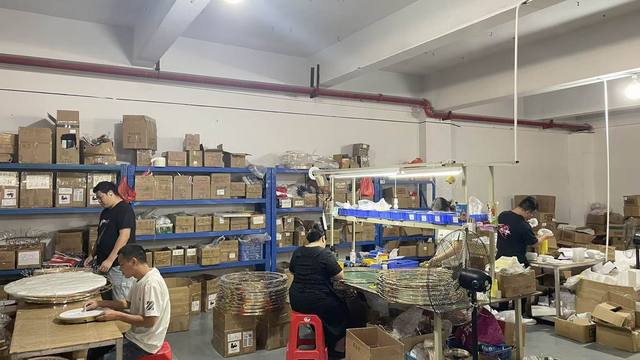
A closer look inside our 12,000 m² production facility in Dongguan, China.
 Fanpro Light