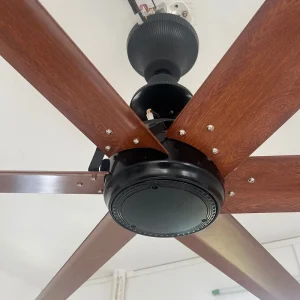
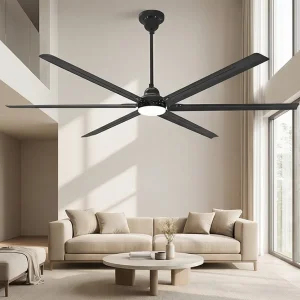
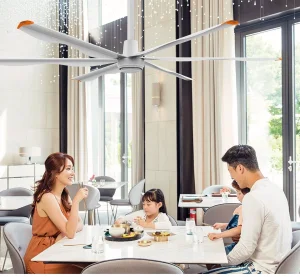
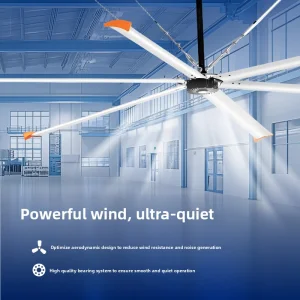
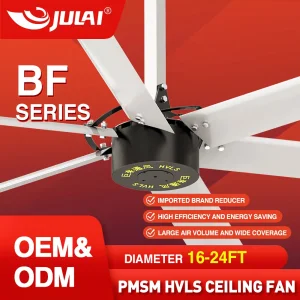
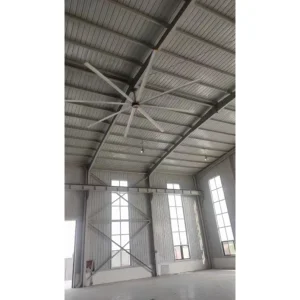
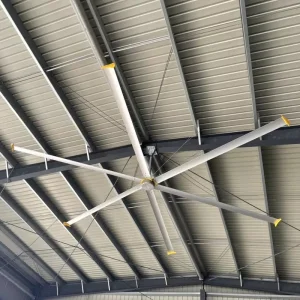
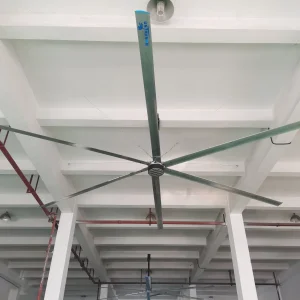
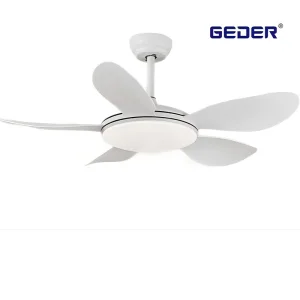
Engineered for immediate high-volume ventilation across commercial properties in the SF Bay Area. High performance combined with low energy footprint.
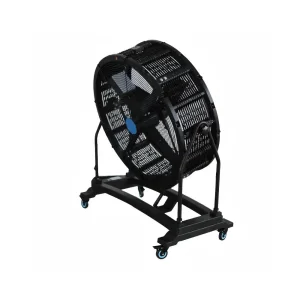
The San Francisco Bay Area features a highly unique microclimate profile characterized by mild temperatures, frequent morning marine layers, and rapid seasonal transitions. Under California's strict building codes, traditional energy-intensive mechanical air conditioning (AC) systems present severe operational, financial, and compliance challenges. Leading architecture firms, commercial property developers, and building managers in the region are increasingly prioritizing sustainable, low-carbon cooling methodologies.
High-Volume Low-Speed (HVLS) commercial ceiling fans have emerged as the foundational component of modern hybrid HVAC strategies. By circulating massive columns of air at very low rotational speeds, these systems generate an artificial "wind chill" effect of 3 to 7 degrees Fahrenheit while consuming up to 90% less electricity than compressor-driven cooling loops. This technical capability aligns perfectly with the San Francisco climate, where ambient outdoor temperatures rarely justify full mechanical refrigeration but space ventilation remains vital for indoor environmental quality (IEQ) and occupant comfort.
For high-traffic commercial zones in San Francisco, motor topology represents the single most critical engineering decision. Let's compare modern PMSM technology with legacy AC induction motors.
By eliminating the gearbox, PMSM drivetrains drastically reduce mechanical friction. This yields an whisper-quiet operating volume below 38 dBA—essential for libraries, open offices, and academic spaces in the Bay Area.
PMSM systems maintain peak efficiency curves even at low rotational speeds, whereas traditional induction motors lose dramatic efficiency when dialed back. This results in up to 50% energy savings under variable speeds.
No gear oil replacement, no worn seals, and no belt tension adjustments. For San Francisco facilities with ceiling heights above 20 feet, this eliminates costly scaffolding or scissor lift rental fees for standard maintenance.
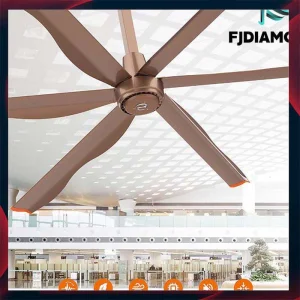
These models offer low-noise profiles and large air volumes ideal for gyms, retail malls, high-traffic transit terminals, and commercial pavilions.
Building standards in California are among the most stringent globally. Compliance with Title 24, Part 6 (California Energy Code) requires commercial property owners to optimize their overall Energy Use Intensity (EUI). This is where the integration of HVLS technology yields significant design advantages:
HVLS fans increase airspeed across skin, promoting natural heat dissipation via convective cooling. This allows thermostat setpoints to be safely raised by 4-6°F without sacrificing comfort.
HVLS fan energy savings directly translate into EA (Energy & Atmosphere) credits under LEED v4/v4.1 frameworks, boosting building valuation.
In high-ceiling structures such as modern office lobbies, fitness facilities, distribution hubs, and public transport stations, air stratification occurs rapidly. Hot air naturally rises to the roofline while cooler air remains trapped at ground level. This thermal mismatch forces forced-air heating loops to run continuously, wasting vast amounts of natural gas or electrical power.
Our commercial-grade ceiling fans counteract this phenomenon by generating a slow, continuous vertical column of high-volume air. This column hits the floor and expands outward as a horizontal floor jet, pushing cooler air upward and mixing the thermal layers. In winter climates, running the fans in reverse or at low forward speeds pushes warm air trapped at the ceiling back down to the occupied zone, reducing heating energy consumption by up to 30%.
San Francisco lies in one of the most active seismic zones in North America. Building safety guidelines outlined by the California Building Code (CBC Chapter 16) require all overhead structures, including commercial ceiling fans, to withstand horizontal accelerations during an earthquake event. Standard mounting structures are completely insufficient in these high-risk areas.
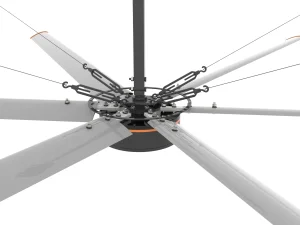
To ensure maximum safety, our commercial ceiling fans utilize a multi-tier structural protection matrix. Each fan system includes heavy-duty structural steel brackets, high-tensile safety cables, and dual-axis universal joints. The universal joint allows the fan assembly to swing up to 15 degrees in any direction without translating torque or mechanical stress directly into the building's structural framework, effectively mitigating the risk of structural failure during a seismic event.
We implement three distinct lines of defense on all installations across the San Francisco region:
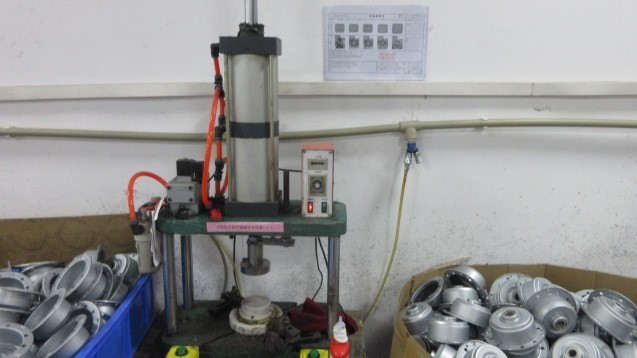
Established in 2012, Dongguan Fanpro Light Co., Ltd. is a professional ceiling fan manufacturer specializing in smart, high-performance DC motor ceiling fans and heavy-duty commercial air circulation solutions. Operating from a modern 12,000 square meter facility in Dongguan, Guangdong, we leverage cutting-edge testing labs, multiple automated assembly lines, and a dedicated team of over 180 skilled professionals to export certified products globally.
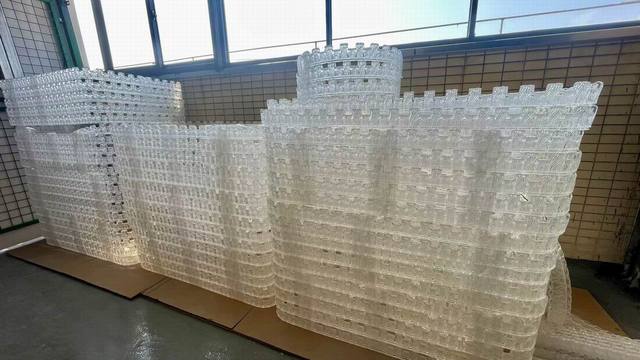
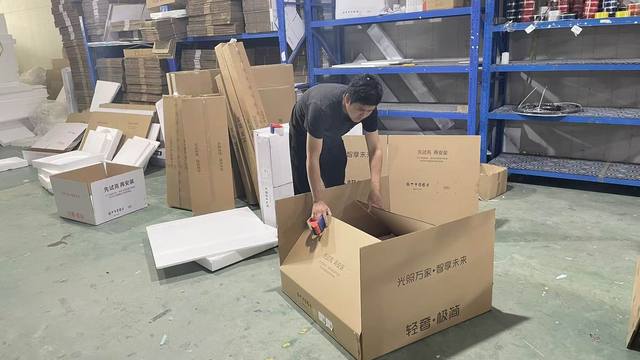
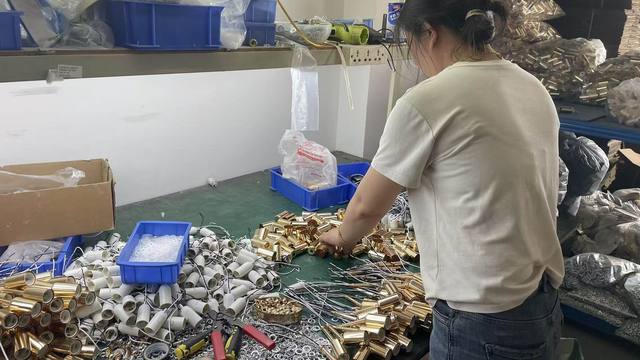
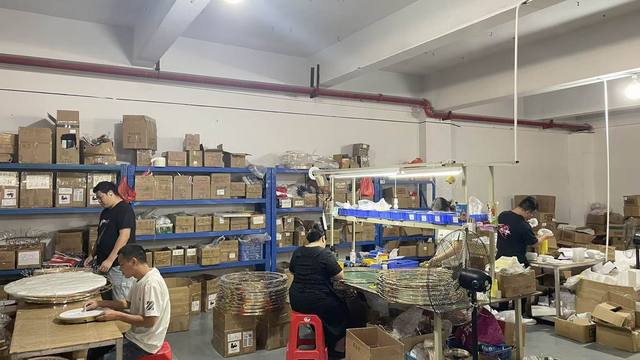
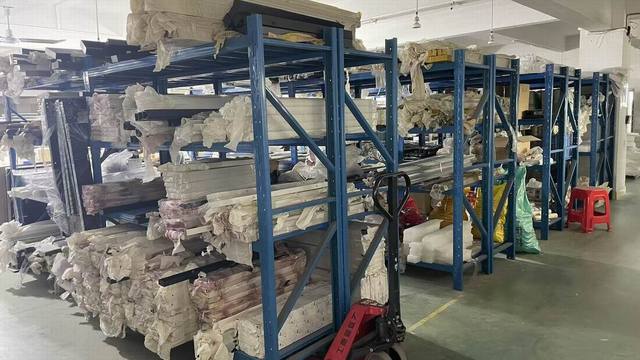
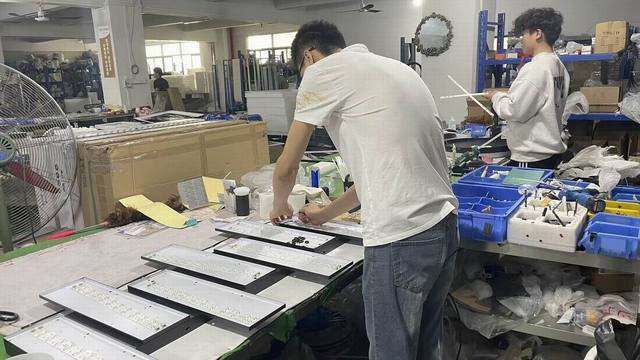
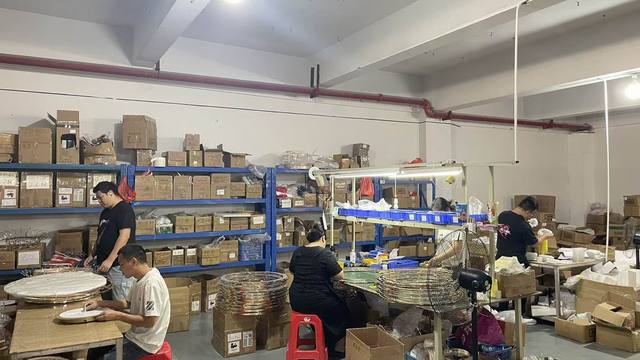
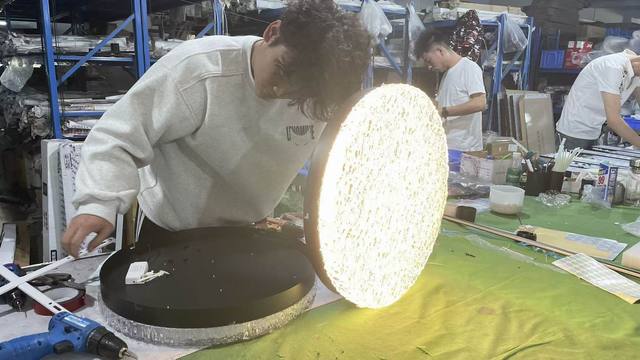

Our complete range of UL-listed, CE-compliant air circulation models. Engineered to order, customizable for regional voltage and installation requirements.
For large-scale development projects across California and global commercial complexes, sourcing ventilation systems from a manufacturer with mature engineering capabilities is critical. Dongguan Fanpro Light Co., Ltd. provides direct manufacturing services that bypass regional middleman markups, delivering customizable configurations to meet the specific requirements of international electrical frameworks, mechanical interfaces, and structural load constraints.
Our OEM (Original Equipment Manufacturer) and ODM (Original Design Manufacturer) services cover every stage of the product development cycle. From initial computational fluid dynamics (CFD) simulation and digital wind tunnel testing to structural finite element analysis (FEA), we ensure each customized blade profile and hub assembly matches the client's specifications. We offer options to customize blade lengths from 8 feet to 24 feet, modify motor power profiles (from 0.37kW to 1.5kW), and adjust visual aesthetics to match interior architectural designs.
Additionally, our production floor handles bulk supply-chain needs smoothly. By leveraging automated laser cutting, precise CNC machining, and automated stator winding systems, we maintain high production yields and reliable quality across large orders. This allows us to supply international hotel chains, large e-commerce logistics centers, and public infrastructure projects with short lead times and consistent product performance.
Every commercial fan shipped from our facility undergoes comprehensive validation protocols inside testing laboratories prior to export. These quality assurance routines are structured to meet strict international standards, including UL 507, CSA C22.2, CE, and RoHS directives, ensuring smooth compliance approvals at the destination port.
Commercial structures are increasingly transitioning toward unified automated monitoring. Our fans are designed with modern communication protocols to integrate smoothly into automated building systems.
Every fan variable frequency drive (VFD) comes standard with Modbus RTU or BACnet interfaces. This allows building management systems (BMS) to directly monitor fan speed, power usage, and motor temperatures from a centralized dashboard.
Our controller interfaces can link directly with local temperature and relative humidity sensors. In this autonomous configuration, fan speeds auto-adjust dynamically based on the heat index, optimizing comfort with zero manual input.
Deploying multiple fans in large spaces like airports or warehouses requires synchronized operation. Our control systems allow up to 30 fans to be linked together, ensuring uniform air movement across the entire space.
Answers to common technical, regulatory, and structural questions regarding commercial ceiling fans in Northern California.
HVLS fans improve air movement over occupants, producing a natural cooling effect of 3 to 7 degrees Fahrenheit. This allows facility managers to set air conditioning thermostats higher without affecting comfort. This change in setpoint reduces HVAC compressor energy consumption, directly lowering the building's overall Energy Use Intensity (EUI) to meet Title 24 compliance targets.
Under California Building Code (CBC) standards, ceiling-mounted units in seismic zones must include safety backups. Our fans use a heavy-duty universal joint mount to isolate lateral seismic movement, preventing stress on the building structure. They are also secured with a secondary 1/4" aircraft-grade galvanized steel safety cable and four-point tensioned guy wires.
PMSM (Permanent Magnet Synchronous Motor) designs are gearless, which eliminates gearbox noise and fluid leak risks. They operate quietly (often below 38 dBA) and remain highly efficient even at lower speeds, making them ideal for spaces where quiet operation and low maintenance are key priorities.
Yes, Pacific Gas and Electric (PG&E) offers customized energy-efficiency rebates and incentives for commercial properties that install qualifying HVLS fans. Because our models utilize high-efficiency PMSM systems, they typically qualify under energy management programs.
Thanks to our proximity to the Shenzhen and Guangzhou export ports, we can coordinate container shipments to the Port of Oakland or Port of Los Angeles efficiently. Standard manufacturing lead times are 15-25 days, with ocean transit taking approximately 15-20 days.
During winter, hot air from heating systems naturally rises to the ceiling while cold air pools at floor level. By running HVLS fans slowly in reverse or at low forward speeds, we push the gathered hot air back down to the occupied zone. This equalizes temperature differences without creating drafts, reducing heating bills by up to 30%.
Contact our design engineering department today to receive a free CFD airflow simulation mockup and a custom cost-benefit projection matching California building requirements.
 Fanpro Light