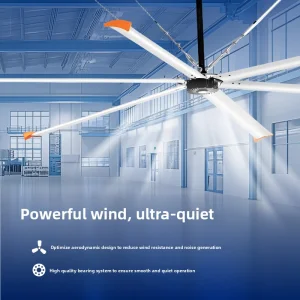
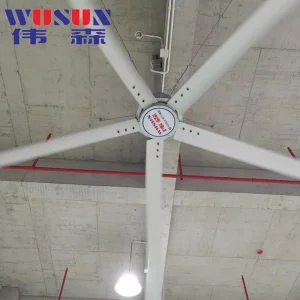
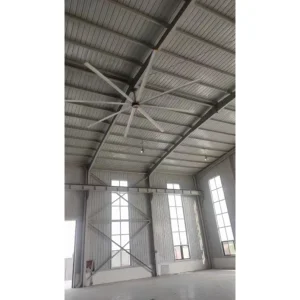
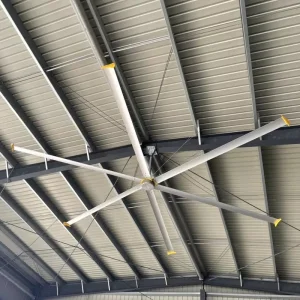
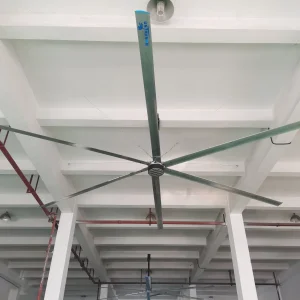
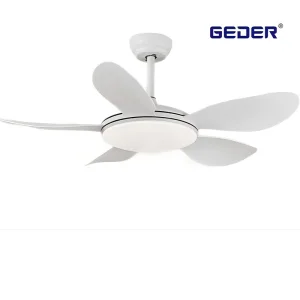
High-efficiency environmental control options engineered for Mexico's commercial zones, airports, and warehouse centers.
Understanding how atmospheric density, urban microclimates, and regional geography affect air circulation performance.
Mexico City (CDMX) sits at an average elevation of 2,240 meters (7,350 feet) above sea level. This unique geography poses a specific engineering challenge for industrial ventilation: lower air density. Standard high-speed fans operating at sea level experience different aerodynamic drag and mass flow rates compared to those deployed in the high-altitude Valley of Mexico. In thin air, the cooling sensation (or perceived wind-chill effect) is reduced because there are fewer air molecules to carry heat away from human skin. To compensate, HVAC designs must utilize fans with optimized airfoil shapes and high-torque direct-drive motors that maintain stable RPMs and deliver high volumetric flow rates (CFM) without consuming excessive power.
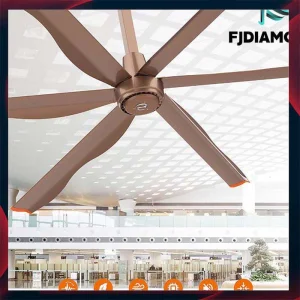
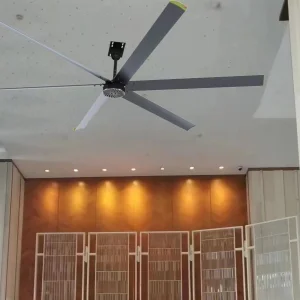
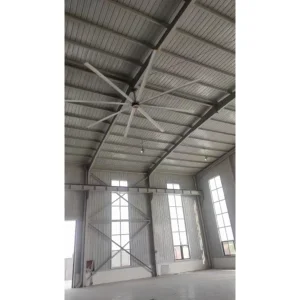
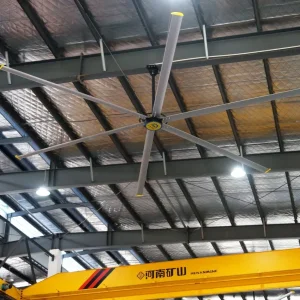
In response to this geographical reality, the demand for High Volume, Low Speed (HVLS) commercial ceiling fans in Mexico City has surged. These fans do not rely on high-velocity buffeting, which can cause discomfort and disrupt delicate manufacturing environments. Instead, they generate a massive, slow-moving column of air that descends to the floor, spreading out in a 360-degree direction to create a gentle breeze that lowers effective temperature by up to 5°C. This process is crucial for commercial centers in Polanco, Santa Fe, and historical districts, where architectural constraints prevent the installation of massive ductwork or heavy air conditioning units.
In addition to altitude considerations, local energy tariffs under the Comisión Federal de Electricidad (CFE)—specifically the GDMTO (Gran Demanda en Media Tensión Ordinaria) and GDMTH (Gran Demanda en Media Tensión Horaria) structures—place a premium on energy conservation. Peak demand charges in commercial centers can drastically inflate operational budgets. Incorporating smart permanent magnet synchronous motors (PMSM) allows commercial operators in Mexico City to reduce initial startup current spikes and lower energy consumption by over 30% compared to traditional gear-induction ventilation systems.
An engineering evaluation detailing the operational efficiencies of modern motor architectures in commercial applications.
When selecting large industrial or commercial ceiling fans, design engineers must choose between gearless Permanent Magnet Synchronous Motors (PMSM) and traditional geared induction motors. PMSM systems offer significant advantages for indoor commercial environments, including libraries, gyms, office lobbies, and public transit terminals where noise level, maintenance access, and efficiency are critical factors.
| Performance Parameters | Gearless PMSM Direct Drive | Traditional Geared Induction Motor |
|---|---|---|
| Mechanical Efficiency | 95% – 98% (No transmission loss) | 75% – 85% (Friction loss in gearbox) |
| Acoustic Output (Noise) | < 38 - 40 dBA (Near silent) | 55 - 65 dBA (Geartrain and motor hum) |
| Maintenance Profile | Maintenance-free (No oil changes required) | Periodic gearbox lubrication & seal checks |
| Form Factor & Weight | Slim profile, low weight, clean design | Bulky, heavy housing, potential oil leak risk |
| Service Life expectancy | > 50,000 continuous hours | 20,000 - 30,000 hours (Gear wear limits life) |
| Power Factor (Efficiency) | 0.95 – 0.99 (Excellent grid compatibility) | 0.70 – 0.82 (Requires power factor correction) |
This comparison demonstrates why gearless PMSM direct-drive technology has become the industry standard for new developments. The omission of gear oil eliminates structural leakage risks, making it suitable for food preparation facilities, logistics centers, pharmaceutical clean rooms, and public commercial spaces throughout Mexico City.
Analyzing the strategic partnership between East Asian manufacturing hubs and North American distribution corridors.
The global trend toward nearshoring has positioned Mexico, and particularly the metropolitan area of Mexico City (Vallejo industrial park, Naucalpan, Tlalnepantla, and Huehuetoca), as a key hub for supply chain integration. Multinational corporations are expanding their logistics centers (CEDIS) across the Mexican territory to serve the US, Canadian, and Central American markets under the USMCA agreement. To meet strict corporate energy targets and comply with ASHRAE standards, these facilities require robust climate control solutions.
Dongguan Fanpro Light Co., Ltd. serves this demand by exporting smart ceiling fans and commercial air circulation systems worldwide. Established in 2012 in Dongguan, China, the company operates a modern 12,000-square-meter facility with over 180 skilled professionals. By combining manufacturing expertise with direct shipping connections to Mexican ports like Manzanillo and Veracruz, Fanpro delivers cost-effective OEM/ODM manufacturing partnerships. This structure allows Mexican distributors and mechanical contractors to secure high-performance equipment with customized branding, custom downrod lengths, and specialized electrical wiring adapted to North American grid standards (120V, 220V, and 380V at 60Hz).
All products are engineered to comply with NOM-003-SCFI and NOM-008-SCFI guidelines, ensuring safe and lawful operation across Mexico.
Aerodynamic profiles designed specifically to address the lower air density of high-altitude regions like the Valley of Mexico.
Integrates seamlessly with building management systems (BMS) via Modbus or 0-10V analog signals, supporting smart facility management.
Explore our full line of industrial and commercial fans. Retaining original target links and updated titles for Mexican regional application.
Meeting NOM standards and high seismic zone structural engineering demands.
Because Mexico City is located in a high-risk seismic zone (primarily Zone III, characterized by soft lacustrine clay deposits that amplify seismic waves), mechanical installations are subject to strict building codes. Overhead equipment installations, particularly large-diameter ceiling fans spanning up to 24 feet (7.3 meters), require specialized structural reviews.
Fanpro's design engineers integrate safety systems into every installation plan:
Furthermore, energy code compliance under the local energy trust FIDE requires verifiable data on mechanical efficiency. By utilizing variable frequency drives (VFD) and PMSM direct drives, our product configurations achieve high wire-to-air efficiency ratings. This level of technical performance supports projects seeking LEED certifications for commercial offices in corporate centers like Santa Fe and Paseo de la Reforma.
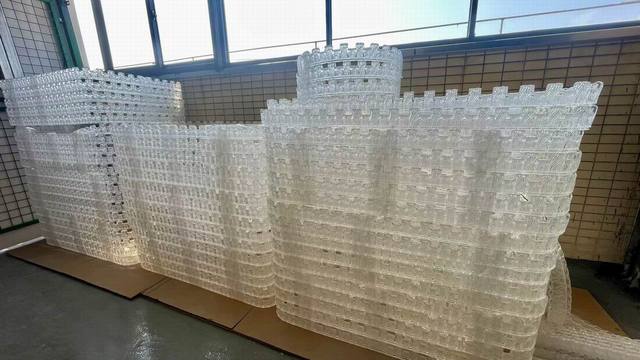
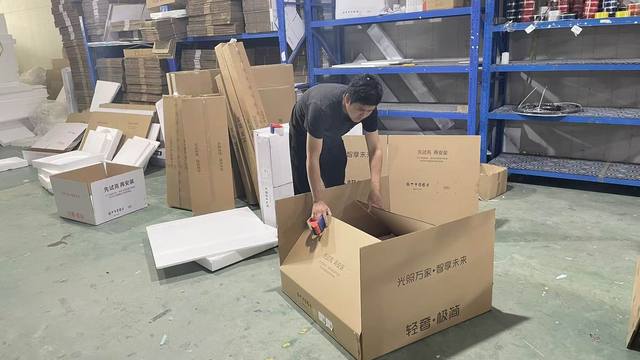
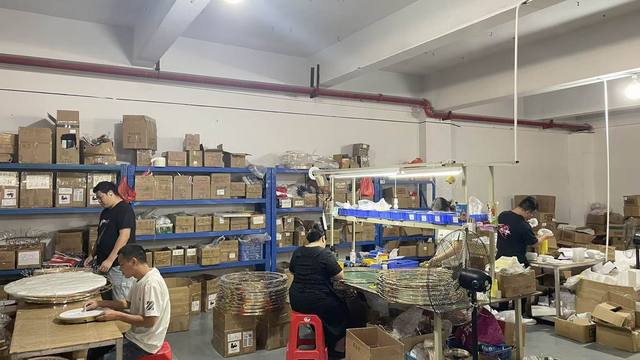
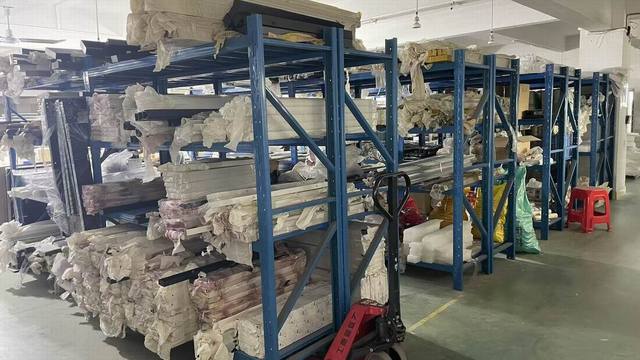
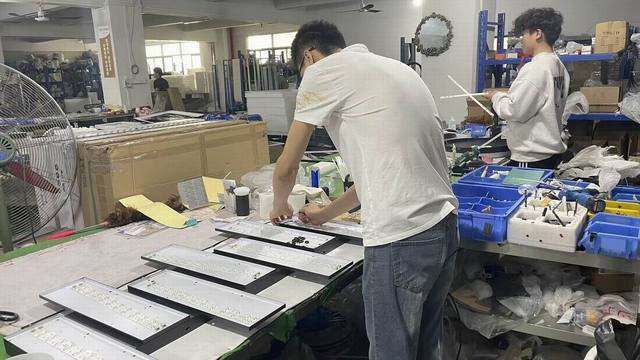
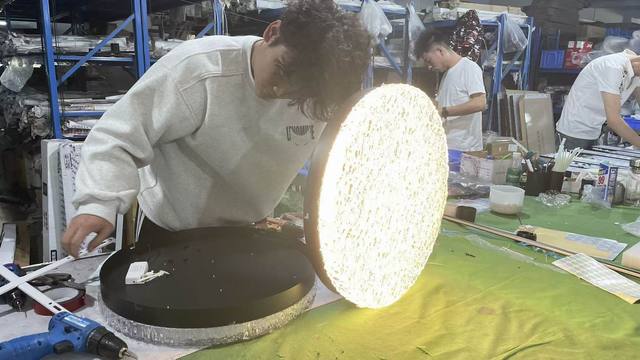
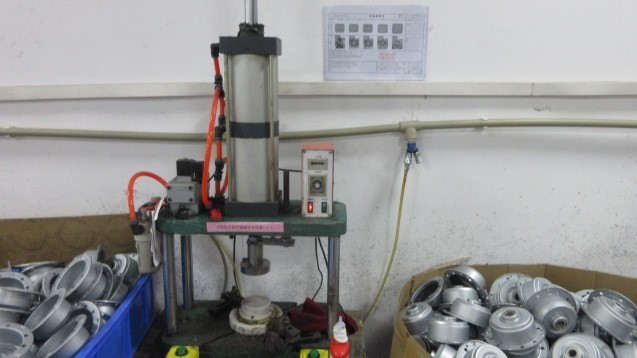
Our 12,000 m² state-of-the-art facility integrates product development, manufacturing, and diagnostic testing.
Dongguan Fanpro Light Co., Ltd. is a specialized ceiling fan manufacturer focusing on the design, development, and production of smart ceiling fans, DC motor ceiling fans, and energy-efficient air circulation solutions for residential, commercial, and hospitality applications. Established in 2012, our facility is located in Dongguan, Guangdong, a global manufacturing hub with direct access to shipping routes. This location enables efficient international transport of ventilation components to key Mexican logistics terminals.
With an production facility exceeding 12,000 square meters and a workforce of over 180 specialists, Fanpro Light integrates product design, engineering, manufacturing, quality control, and international sales under one roof. The company operates multiple assembly lines and testing laboratories to ensure consistent product performance, durability, safety, and compliance with international standards.


Our comprehensive product range includes smart WiFi ceiling fans, DC motor ceiling fans, ceiling fans with integrated LED lighting, low-profile fans, decorative fans, outdoor options, and commercial HVLS air movement systems. The company continuously invests in motor technology, energy-saving innovations, and intelligent control systems to meet evolving market demands.
Technical and logistical information for engineers, developers, and facility managers.
Since the air density in Mexico City is roughly 20% lower than at sea level, the mass flow rate per revolution is reduced. To achieve the same cooling effect, we recommend using larger diameter fans (e.g., opting for a 14FT fan instead of a 12FT fan) or choosing airfoils designed with a higher angle of attack. Our PMSM motors allow for adjustable speeds to compensate for elevation without overloading the electronic components.
Yes, our products are engineered and tested in accordance with international safety and performance criteria, aligning with NOM-003-SCFI (Electrical Safety) and NOM-008-SCFI guidelines. We support local importers and distributors in completing ANCE or NYCE testing protocols to ensure smooth customs clearance and regulatory compliance.
Standard production times at our Dongguan facility range from 15 to 25 days, depending on order size and customization requirements (such as custom branding, downrod extensions, or custom paint finishes). Ocean transit to Manzanillo or Lázaro Cárdenas ports takes approximately 18 to 22 days, followed by land transport to Mexico City logistics centers.
By eliminating the gearbox, we remove high-frequency gear-meshing noise and mechanical vibration. The permanent magnet synchronous motor is inherently quiet, producing operating noise levels below 40 dBA. This makes our fans suitable for acoustic-sensitive spaces like commercial showrooms, libraries, hotels, and office building lobbies.
Yes, our control systems support reverse operation. During cooler months in Mexico City, warm air naturally collects near the ceiling (stratification). Running the HVLS fans in reverse at a low speed pushes the warm air down along the walls and into the occupied zone without creating a draft, reducing heating costs.
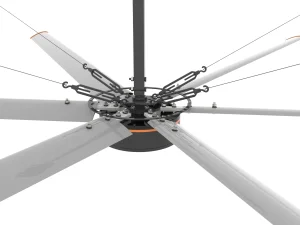
We provide comprehensive installation manuals, CAD files, and mechanical load calculations to assist local structural engineers. Our mounting hardware kits include dual safety cable systems, steel guy wires for lateral stabilization, and heavy-duty structural mount clamps compatible with varied roof structure styles.
We offer advanced wall-mounted digital control stations capable of operating up to 12 fans from a single interface. These systems support speed adjustments, direction changes, and scheduling, and can connect with central building automation systems (BAS) using standard protocols like Modbus or BACnet.
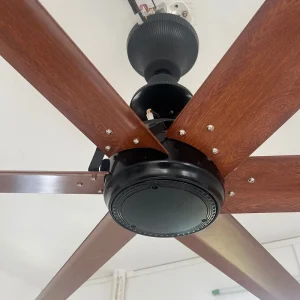
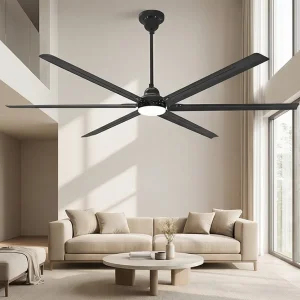
For architectural applications in boutique hotels, plazas, and premium showrooms, we provide custom shell finishes (such as wood-grain water transfer, matte black, or brushed aluminum) and integrated lighting systems. Our R&D engineering team designs these units to blend with interior styles while providing effective air circulation.
Partner with a leading global manufacturer to optimize environmental control for your Mexico City project.
 Fanpro Light